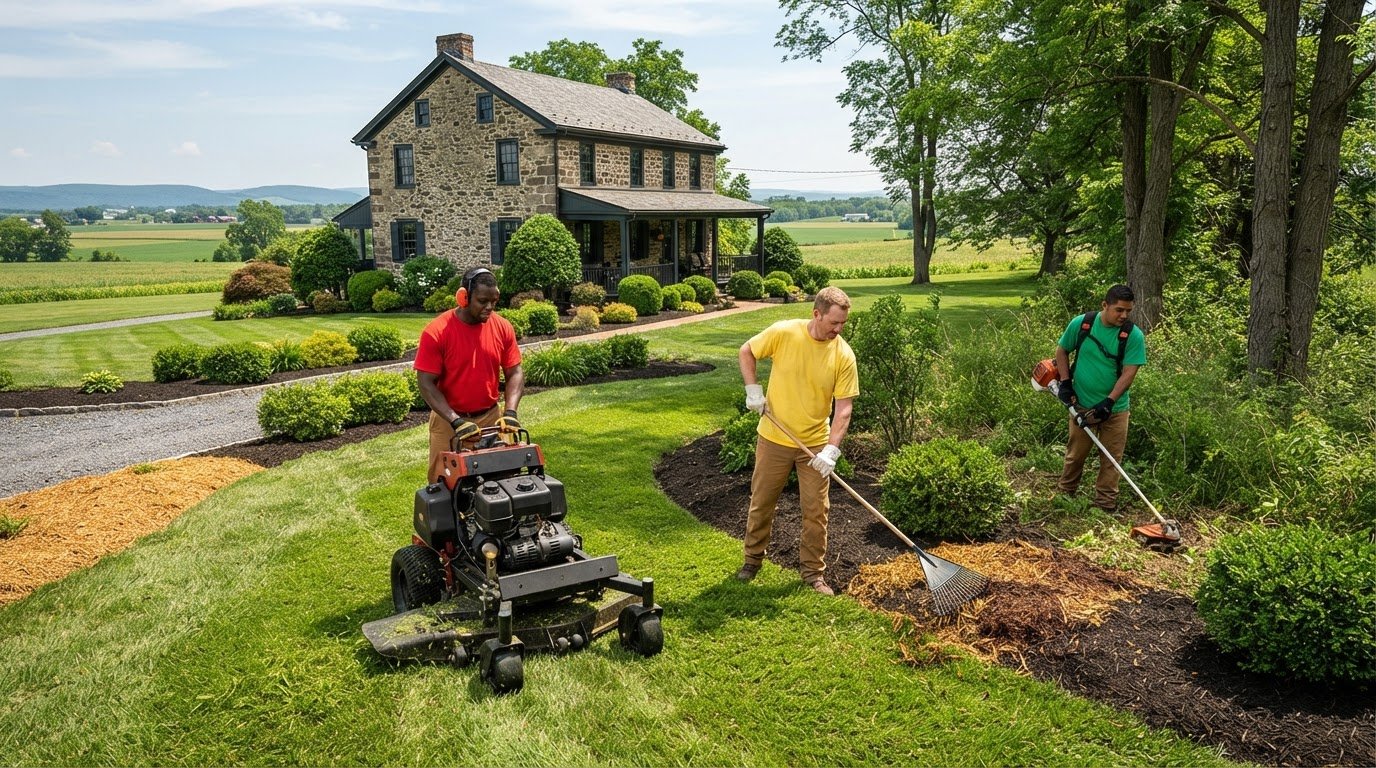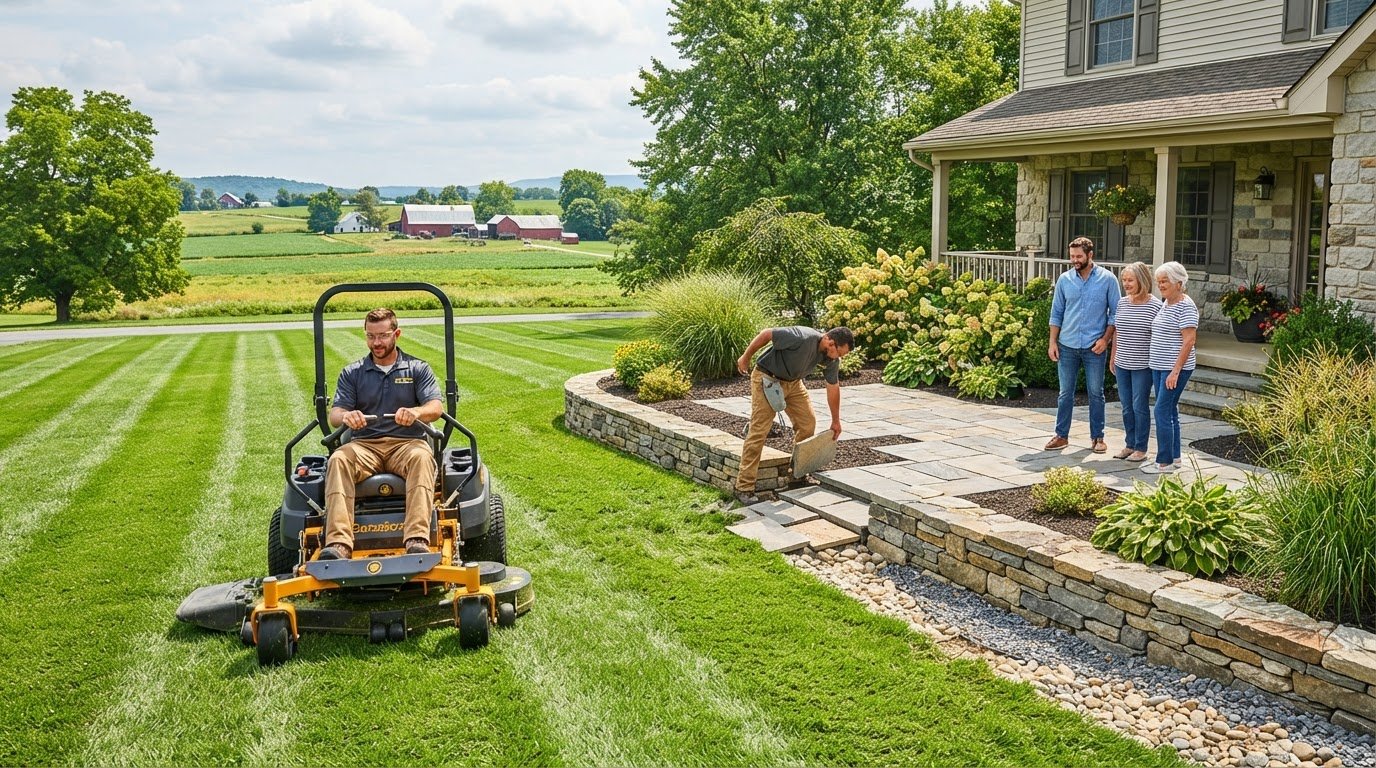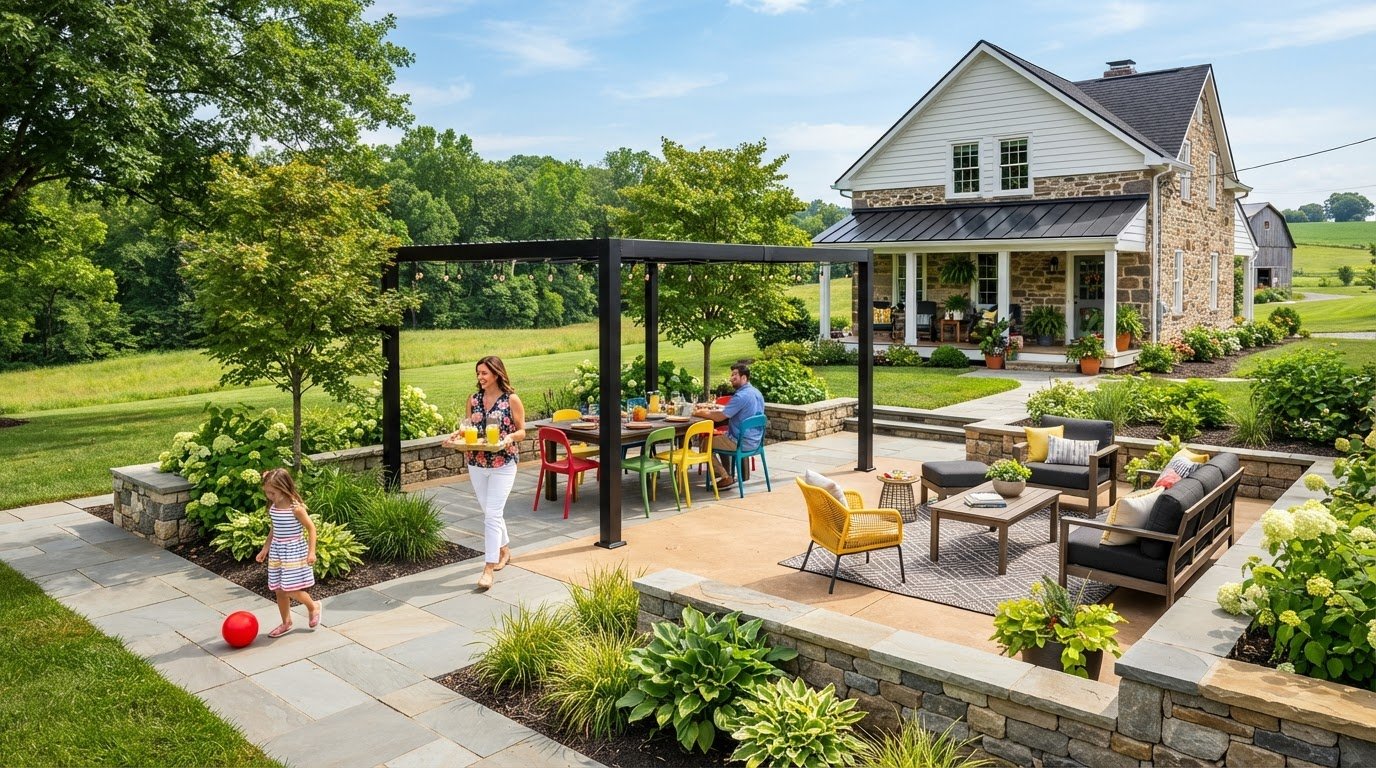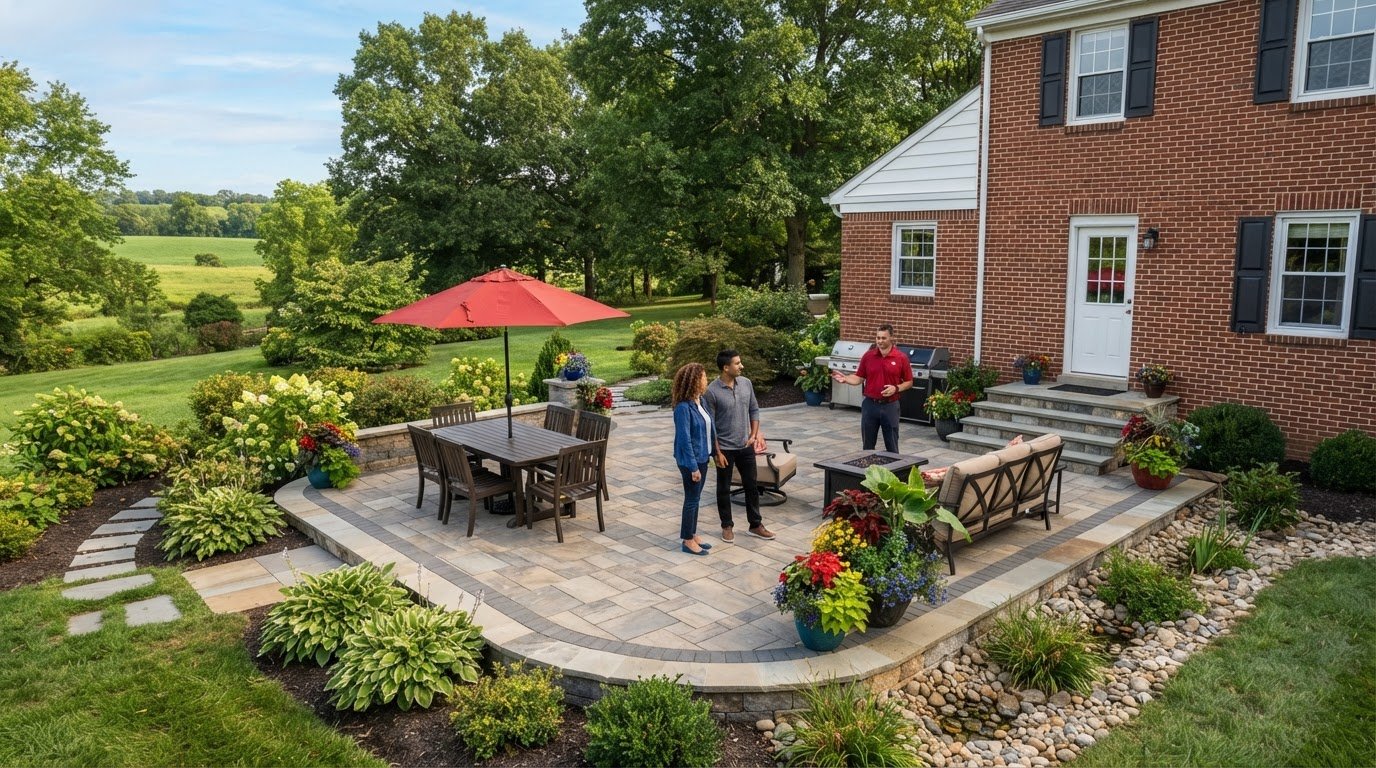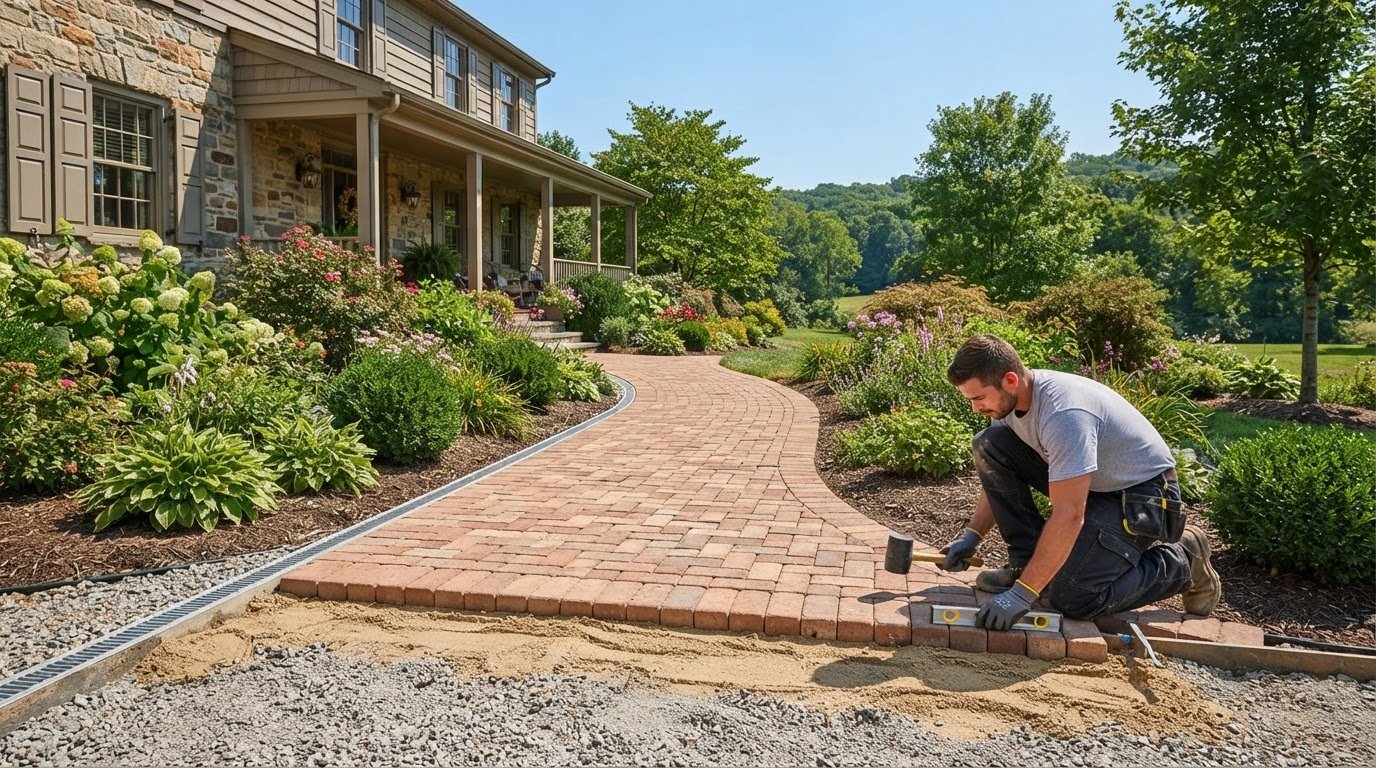

What if the best place to start your hardscape project isn’t with choosing pavers, but with understanding how your yard handles water? A patio, retaining wall, or walkway needs to suit both the property and the way you plan to use it. Hardscape design and build Lancaster PA homeowners can rely on starts with those practical details.
It’s reasonable to feel unsure about which features belong in your yard, especially if slopes, soggy areas, or runoff could affect the finished space. A useful plan connects how you want to use your outdoor area with grading, drainage, and access from the beginning.
This guide will help you assess your site, compare hardscape options, and understand the steps from planning through installation. You’ll learn how patios, retaining walls, concrete pads, and walkways serve different needs, and what to consider when coordinating the work. Snappy Landscaping provides hardscaping services in Lancaster County, including custom patios, retaining walls, concrete pads, walkways, and drainage solutions. Planning these features around your property can help you move toward a functional outdoor space.
Hardscape Design and Build in Lancaster, PA: Start With the Problem Your Yard Needs to Solve
Start by naming the job your yard needs to do. Do you want a place to eat outdoors, a more usable area on a slope, a clearer route from the driveway to the door, or a plan for water that collects near a hardscape area? The answer helps shape the layout before you compare surfaces, colors, or other design details.
In a Hardscape design and build Lancaster PA project, intended use should guide layout, circulation, seating, and connections to the home. A patio should be accessible from the rooms you use, while paths should lead where people actually need to go. Hardscape refers to the non-living elements of landscape design, but those elements work best when planned alongside grading and drainage.
Match the hardscape project to how you use your property
For outdoor dining or gatherings, consider how guests will move between the house, patio, and yard. A direct, comfortable route can make the space easier to use. If the yard has uneven areas, retaining walls and grading can help organize distinct sections. If you need a clear approach to an entrance or a firm place for equipment, a walkway or concrete pad may better fit the goal.
Some projects call for one feature; others benefit from a coordinated plan. A patio added without considering nearby paths, grade changes, or water flow may solve only part of the problem. Planning a patio, walkway, retaining wall, and drainage together can help the pieces serve a shared purpose. For example, a homeowner in Lancaster, Columbia, or Mountville might plan a patio for gathering while also addressing the route across the yard and how water moves around the new space. The right scope depends on the property, not a standard package.
Set priorities before comparing design options
Write down what matters before choosing features. Separate daily needs from ideas that could wait for a later phase. This keeps the design focused and makes trade-offs easier to see.
- Main use: Identify whether the space is for dining, relaxing, easier access, or another specific purpose.
- Must-have features: List the patio, wall, walkway, concrete pad, or drainage work you consider essential.
- Access needs: Note the routes people take from the house, driveway, and yard, including places where movement feels difficult.
- Future possibilities: Record additions you may want later, then plan the current layout with those ideas in mind without treating them as immediate requirements.
Keep grading and water management in the conversation from the start, especially if the project changes the shape or use of an area. A clear plan connects your priorities to layout, construction, and follow-through. Look at examples of custom hardscaping in Lancaster County to consider how separate outdoor features can work together as a more useful space.
Assess Lancaster-Area Site Conditions Before Settling on a Hardscape Design
A design can look right on a screen and still miss how the property works. Before settling on a layout, review the slope, access routes, existing features, and movement of water. An on-site assessment connects what you want to build with the conditions that shape where it can fit and how the work can be carried out.
Properties around Lancaster, Columbia, and Mountville vary in layout, grade, access, and existing landscaping. Photos can show a preferred look, but they may not reveal a change in elevation, a narrow route for moving materials, or where runoff travels during rain. Grading and drainage belong in early hardscape planning because the layout must account for how water moves across the property.
Separate preferences from constraints. A particular patio shape or walkway appearance is a design preference; a slope, existing structure, or limited access can affect the practical layout. For Hardscape design and build Lancaster PA homeowners should base decisions on both, not appearance alone.
Check slope, access, and existing features
Walk the intended project area and note where the ground rises or falls. Elevation changes can affect where a patio or walkway fits and whether a retaining wall or grading should be part of the plan. Consider how crews and materials can reach the work area, too. A tight side yard, steps, or obstacles may influence the route and work sequence. Mark trees, structures, and other features the layout needs to work around.
- Grade: Note where the ground changes level near proposed patios, paths, or walls.
- Access: Identify usable routes from the street or driveway to the work area.
- Existing features: Record structures and landscape elements that should remain or affect the layout.
Plan for water movement and drainage
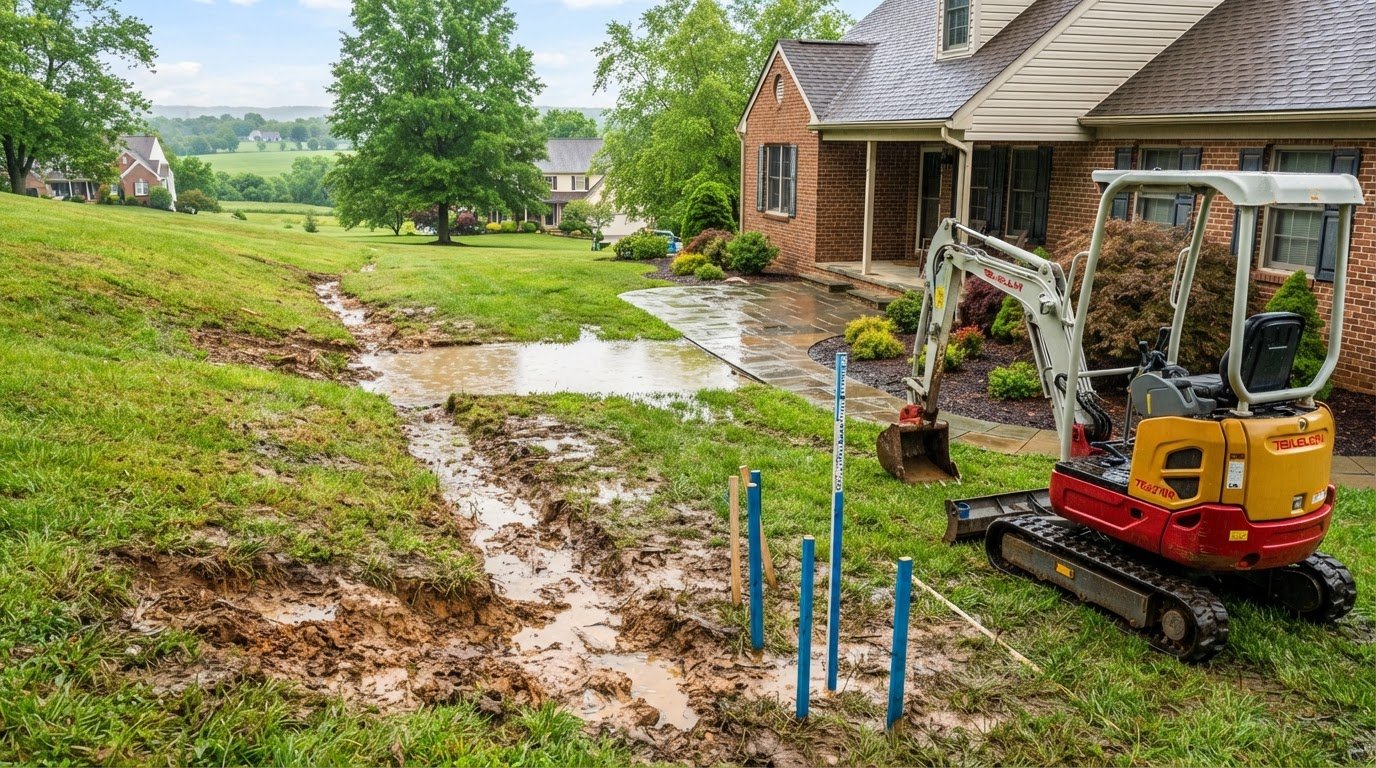
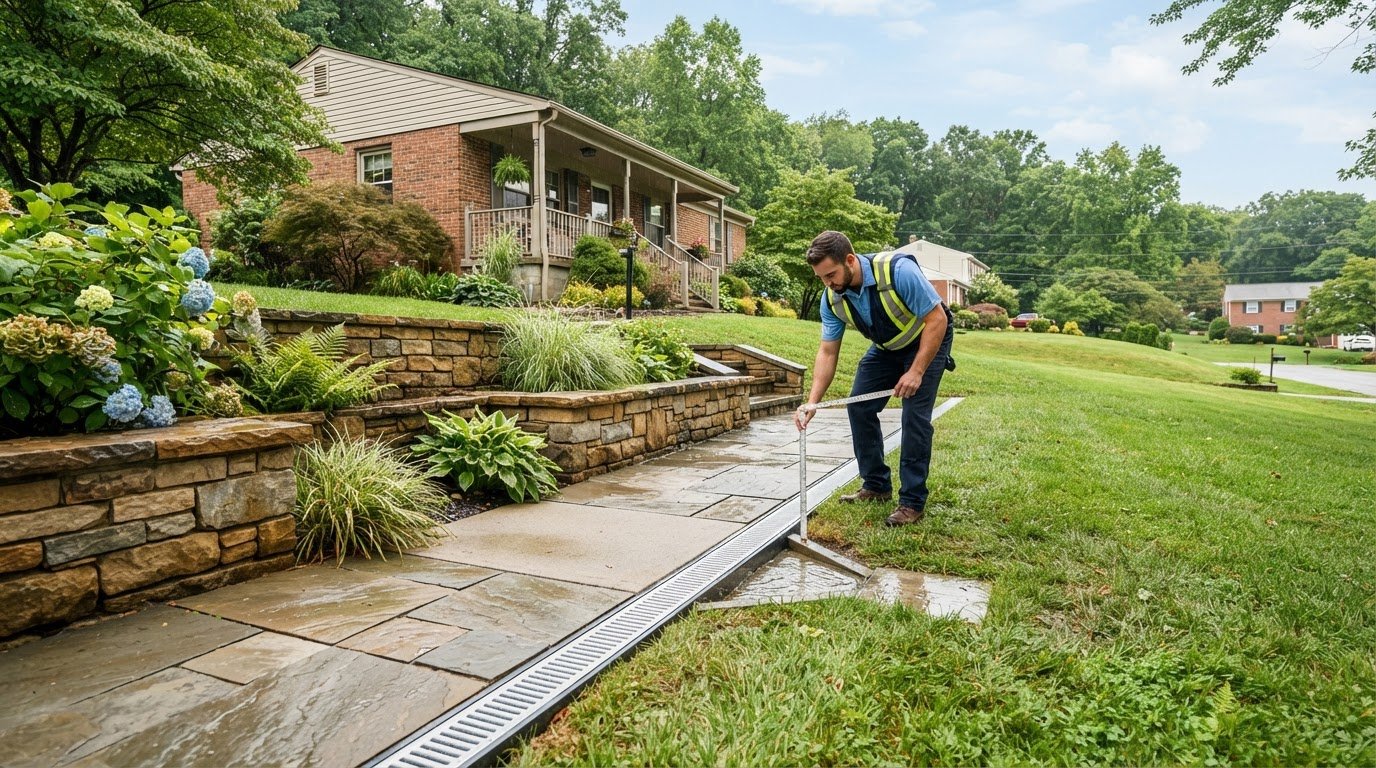
Observe where water travels or collects, including near the house and proposed hardscape areas. Account for runoff before finalizing the layout, rather than treating drainage as an afterthought. Grading and drainage solutions can be planned alongside patio, walkway, and retaining wall installation, so the project addresses both the new feature and its relationship to the surrounding yard.
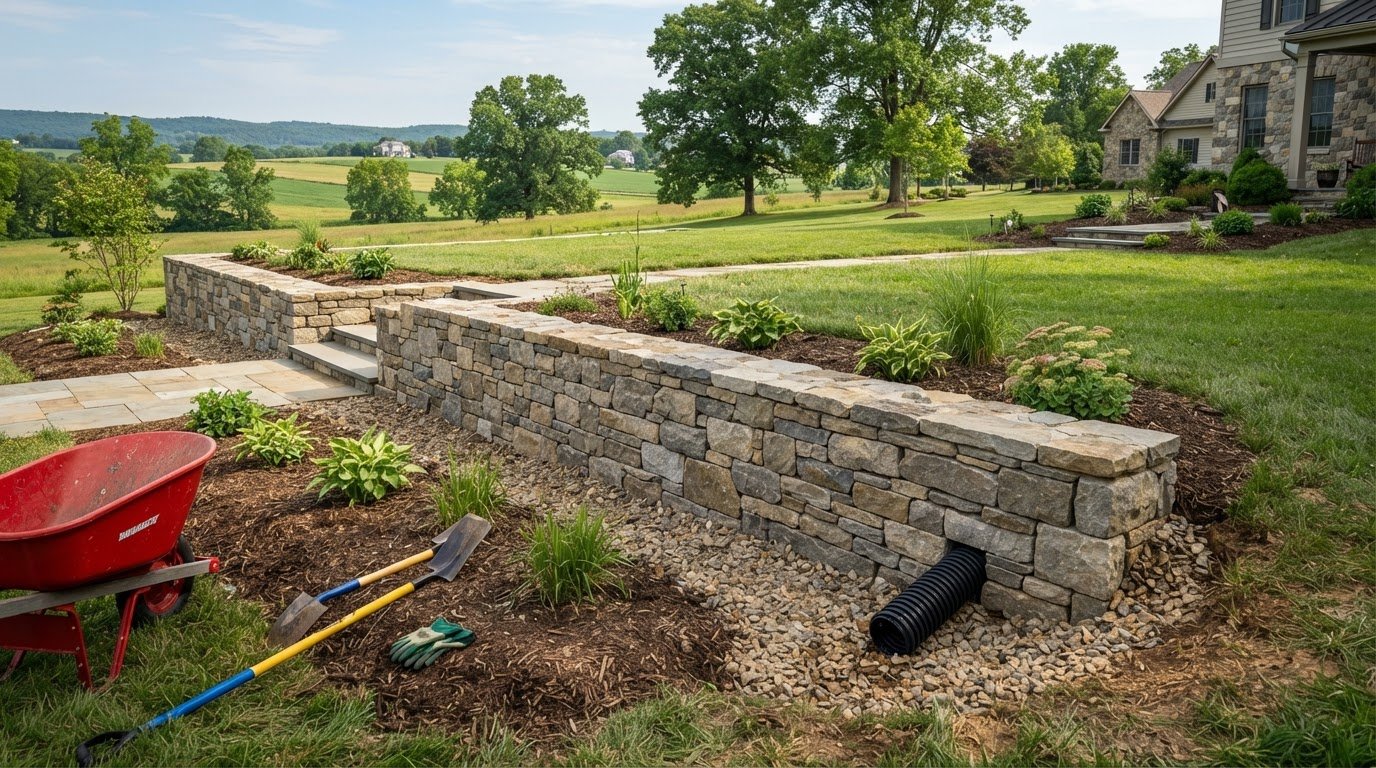
For a sloped area, consider the location and role of a wall as part of the broader drainage plan. Retaining wall drainage planning is one part of coordinating a wall with the site. Note where you see water moving and which access points matter most; these observations provide a practical starting point for planning. Snappy Landscaping provides hardscaping and drainage solutions for Lancaster County properties, including homes in Lancaster, Columbia, and Mountville.
Compare Hardscape Features by Function, Maintenance, and Site Fit
Choose a feature based on what it needs to do, where it can fit, and how it will connect with the rest of the property. A patio creates a destination; a walkway connects destinations; a retaining wall responds to a change in grade. Drainage solutions address water movement. A coordinated design weighs those roles together instead of treating every feature as a separate decision.
Feature | Common purpose | Site consideration | Upkeep discussion
Patio: Dining, gathering, or relaxing | Placement, access from the home, and available space | Consider routine cleaning and how the space will be used.
Walkway: Connecting entrances and yard destinations | Route, slope, and how people move through the property | Plan for keeping the walking route clear.
Concrete pad: A functional surface for a specific use | Intended activity, location, and access | Consider how the surface will be used and maintained.
Retaining wall: Addressing a grade change and organizing usable areas | Slope, wall placement, and relationship to nearby features | Include inspection and care in the project discussion.
Drainage solution: Managing water movement around the project | Existing runoff paths and nearby hardscape | Keep drainage components accessible for attention as needed.
This comparison is a starting point, not a fixed specification. Your Hardscape design and build Lancaster PA plan should reflect the property’s use, layout, grade, and water-management needs. Maintenance expectations depend on the feature and its setting, so discuss how each area will be used and cared for instead of relying on a one-size-fits-all schedule.
Choose between patios, walkways, and concrete pads
Set the main task first. A patio supports activities such as outdoor dining, with its position shaped by access and movement between the house and seating area. A walkway connects places people need to reach, so its route should be direct and usable. A concrete pad provides a practical surface for a defined purpose. Its location and layout should follow that use.
When considering patio installation, think about how a patio can anchor an outdoor area while leaving clear routes through the yard. If your main need is connection rather than a gathering space, prioritize the path between destinations.
Know when retaining walls and drainage belong in the plan
A retaining wall may help address a grade change while defining a usable area, but its placement should be considered alongside the rest of the layout. Drainage belongs in that conversation whenever the project changes surfaces or works with a slope. Looking at walls, grading, and water movement as connected parts helps keep the design focused on the property as a whole.
Compare the options by asking which problem each feature solves, what site conditions shape its placement, and what ongoing attention the finished area will need. That gives you a practical basis for choosing between a single feature and a coordinated plan.
What to Expect From a Hardscape Design-and-Build Project in Lancaster
A well-managed project moves from clear goals to a defined scope, then from site preparation to installation. The features you choose and the conditions on your property determine what that sequence involves. A patio on an open, level area may need different preparation than a retaining wall, walkway, and drainage work planned around a slope.
A clear scope connects your goals to the work being planned. It gives you a practical way to review what’s included, understand how site conditions shape the design, and keep the project focused on the use you have in mind. For Hardscape design and build Lancaster PA homeowners should expect the plan to account for both the visible features and the preparation needed for the site.
Move from goals and site review to a workable plan
First, discuss how you want to use the space and which features matter most. Next, assess the site, including access, grade, existing features, and water movement. Those details inform the layout and help determine whether grading or drainage should be coordinated with the hardscape. Then shape the proposed scope around your priorities, rather than adding features without a clear purpose.
Review the plan against your original goals. If gathering outdoors is the priority, confirm that the layout supports that use and connects sensibly with the home. If a slope is the main challenge, consider how a wall and grading fit into the overall solution. Coordinate related features where they support the project, without expanding the scope beyond what the property and your priorities call for.
Prepare for installation and a finished outdoor space
Before installation, consider how the work area will be reached and which existing structures or landscape features need to remain. Site preparation and installation order depend on the selected features and conditions. A project involving grading, drainage, and a wall may require a different sequence than a patio alone. The plan should account for the work area and how the components fit together, without assuming every project follows the same timeline.
Use the proposed scope as a working reference: check that it identifies the planned features, addresses relevant site conditions, and reflects your priorities. If a retaining wall is part of the project, understanding retaining wall installation in Lancaster, PA can help you follow how that feature fits into the broader plan.
Snappy Landscaping brings patios, retaining walls, concrete pads and walkways, grading, and drainage solutions together around the needs of Lancaster County properties. To discuss your project goals and site conditions, contact Snappy Landscaping about your hardscape project.
Choose Snappy Landscaping for Hardscape Design and Build in Lancaster, PA
A useful hardscape project starts with your property and the way you want to use it. Snappy Landscaping serves homeowners and commercial clients in Lancaster County, including Lancaster, Columbia, and Mountville. The team’s work includes custom patios, retaining walls, concrete pads and walkways, grading, and drainage solutions, bringing visible features and practical site needs into the same conversation.
That connection matters. A patio may create space for outdoor dining, while a walkway improves the route between key areas. If the property has a grade change or water concerns, grading, a retaining wall, or drainage work may also need to be considered. The right scope depends on how these pieces fit your site and priorities, not on adding features for their own sake.
Bring the hardscape plan and related site work together
Think beyond the feature you notice first. A patio’s placement relates to access from the home; a walkway connects destinations; a retaining wall can help shape an area where the grade changes. Concrete pads serve a specific practical use. Grading and water management deserve attention alongside these visible elements, so the proposed layout reflects both how you’ll use the space and the property’s conditions.
Explore outdoor project examples to consider how hardscape features can support different goals. Then identify what matters most on your property: more room to gather, a clearer route, a more usable area on a slope, or a combination of needs. Snappy Landscaping can shape a hardscape project around the site and your priorities, coordinating related work without expanding the scope beyond its purpose.
Take the next step on your Lancaster-area project
Start with a few practical details: where the project is, how you want to use the space, which features you’re considering, and any concerns about access, grade, or water. You don’t need a finished design to explain what isn’t working or what you’d like to change. Those priorities provide a clear starting point for discussing the project and its scope.
For Hardscape design and build Lancaster PA homeowners can discuss with a local team, talk with Snappy Landscaping about your hardscape project. Share your property details and priorities to take the next step. Contact Snappy Landscaping to get the conversation started.
Take the Next Step Toward a More Usable Yard
Before moving ahead, capture a few details that can make your first project discussion more productive. Note what currently works in the yard, what gets in the way, and what you want to be able to do there. Photos from different viewpoints can also help explain the layout and show how the house, access routes, and project area connect.
Use those notes to define what success would look like for your household. That gives the design conversation a clear starting point and helps keep decisions tied to everyday use. With Hardscape design and build Lancaster PA , the goal is not simply to add a feature, but to shape an outdoor space around a purpose that matters to you.
Ready to turn your ideas into a project discussion? Discuss your Lancaster-area hardscape project with Snappy Landscaping. A clear first step can make the path ahead feel manageable and help your outdoor plans take shape.
Frequently Asked Questions
How do I choose a hardscape design for my Lancaster, PA property?
Choose a design based on the activities you want to support and the conditions of your property. For example, if you plan to dine outside, consider how people will carry food between the kitchen and patio. If access is the priority, focus on a clear route from the driveway or entrance. A useful Hardscape design and build Lancaster PA plan balances everyday needs with available space, grade, and existing features.
What hardscape projects can improve a sloped yard?
Retaining walls and grading can help organize a sloped yard into more usable areas, while a walkway can create a defined route between different elevations. The right combination depends on the slope, how you want to use the area, and how water moves across the site. For example, a plan might pair a wall with a path to connect an upper entrance to a lower gathering area.
Do I need a permit for a hardscape project in Lancaster County?
Permit requirements depend on the municipality and the project details, so there isn’t one countywide answer. Patio requirements can vary by locality, particularly when a project includes additional features. Local rules may also require permits for retaining walls above a certain height, with requirements differing among municipalities. Before work begins, check the rules with the municipality where the property is located, whether it’s in Lancaster, Columbia, or Mountville.
When is the best time of year to build a patio in Lancaster, PA?
The best timing depends on the project scope and when the site can be prepared for installation. Weather and ground conditions can affect the work, so a suitable start window varies by property and season. If you’re planning a patio for a particular gathering or outdoor-use period, raise that goal early in the project discussion. This helps shape the plan around your preferred timing without assuming a fixed construction schedule.
Should drainage be included in a hardscape design?
Yes, drainage should be considered if the project could affect water movement or if runoff already causes concern. A new patio changes the surface of an area, while work on a slope may need to account for where water travels. Bringing drainage into planning early helps connect the hardscape layout with the surrounding property. Note where water collects or flows after rain so those observations can inform the project discussion.
What is included in a hardscape design-and-build project?
A hardscape design-and-build project typically begins with your goals and a review of the site, then develops a scope for the selected features and installation. Depending on the property, that scope may address a patio, retaining wall, concrete pad or walkway, grading, or drainage. Preparation and installation steps vary with the project. Before work begins, review the proposed features and related site work so the scope reflects what you want to accomplish.