
The best patio for your backyard isn’t necessarily the biggest or most eye-catching. It’s the one that fits how you live and works with your property. These backyard patio ideas Lancaster PA homeowners can use start with practical questions: where people will gather, how the space connects to the house, and what yard features the design needs to work around.
A patio should support your routines and suit the conditions on your property. A dining area needs space to pull out chairs and move around the table; a quiet retreat may call for a smaller, more sheltered layout. Slopes, drainage patterns, trees, and seasonal weather also affect where the patio belongs and how it should be designed. Consider them early to make clearer choices about size, placement, and materials.
Explore ideas for entertaining, outdoor dining, and relaxed evenings, then consider how hardscape materials, landscaping, and finishing touches can bring each layout together. You’ll also learn which site details to assess before planning custom patio installation in Lancaster County. The goal is a comfortable, functional outdoor space that suits your yard, not a design that works only in a photo.
Backyard Patio Ideas in Lancaster, PA: Start With How You’ll Use the Space
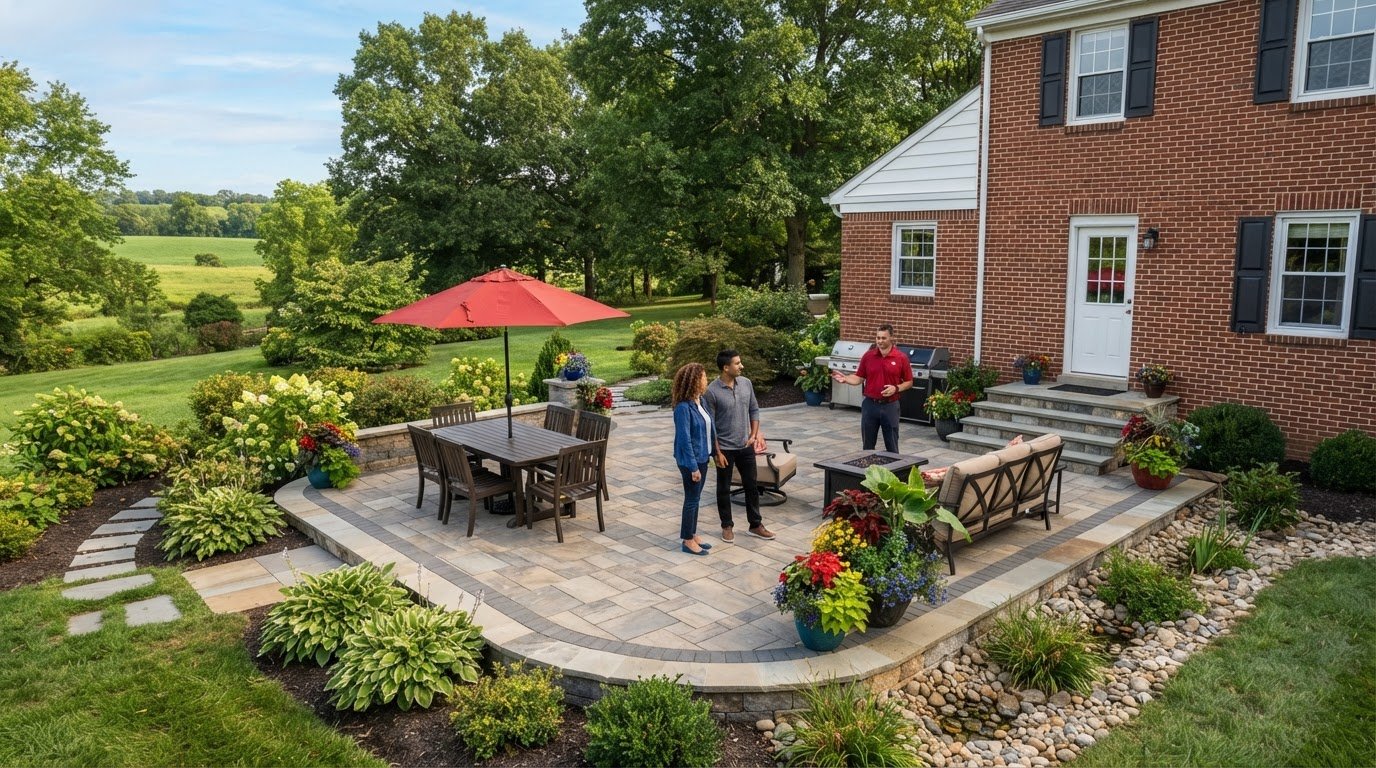
A patio can look polished and still feel awkward if it doesn’t support your everyday routines. Before choosing a shape or material, decide what the space needs to do. These backyard patio ideas Lancaster PA homeowners can adapt start with four common uses:
- Dining: Place a table near the house for easy trips between the kitchen and patio.
- Entertaining: Connect dining and lounge seating so guests can move between activities.
- Relaxing: Create a compact seating nook in a quieter part of the yard.
- Flexible use: Keep some area open for changing needs, from extra chairs to family activities.
Let household size and access guide the footprint. A larger household or frequent gatherings may benefit from separate dining and seating zones. If you prefer quiet evenings, a smaller retreat may be more useful. Map the route from the back door, note existing trees and lawn areas, and leave enough room to pull out chairs and walk around furniture without crossing another activity zone.
Patio layouts for dining, entertaining, and relaxing
For dining, center the layout on the table, then leave room for chairs to move and a clear path back to the house. For entertaining, connect the dining area to a seating zone instead of separating the two. A smaller retreat can stay simple: a few chairs, convenient access, and planting that softens the edges without adding unnecessary upkeep.
A quick sketch can help you see how the zones relate before you choose finishes:
House and back door → dining area → lounge seating → lawn
Alternate: back door → compact retreat beside a planted edge
How to make a patio feel connected to the backyard
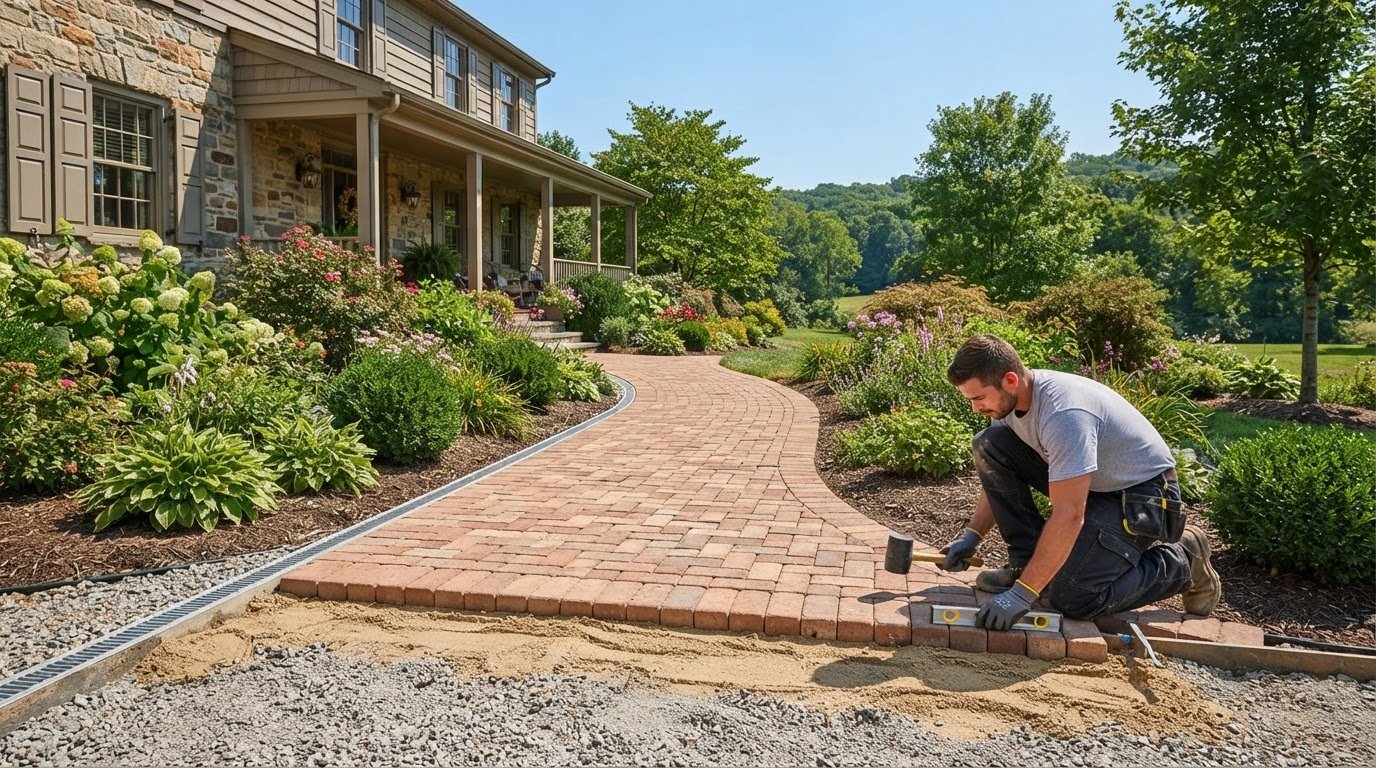
Plan the transition between the house, patio, lawn, and planted areas so each feels connected. A walkway can create a direct route to a garden, gate, or seating area, while a defined patio edge helps the hard surface meet the lawn cleanly. Patios, walkways, and retaining walls are examples of Hardscape, the built elements that work alongside plants and other landscape features.
Lay out paths around the routes you use most. A direct path reduces unnecessary steps and keeps foot traffic from cutting across dining or lounge zones. For more ways to coordinate these built elements, explore custom hardscaping ideas for Lancaster County. Snappy Landscaping plans custom patio installation around your intended uses and the layout of your property.
Plan a Lancaster Backyard Patio Around Shape, Access, and Drainage
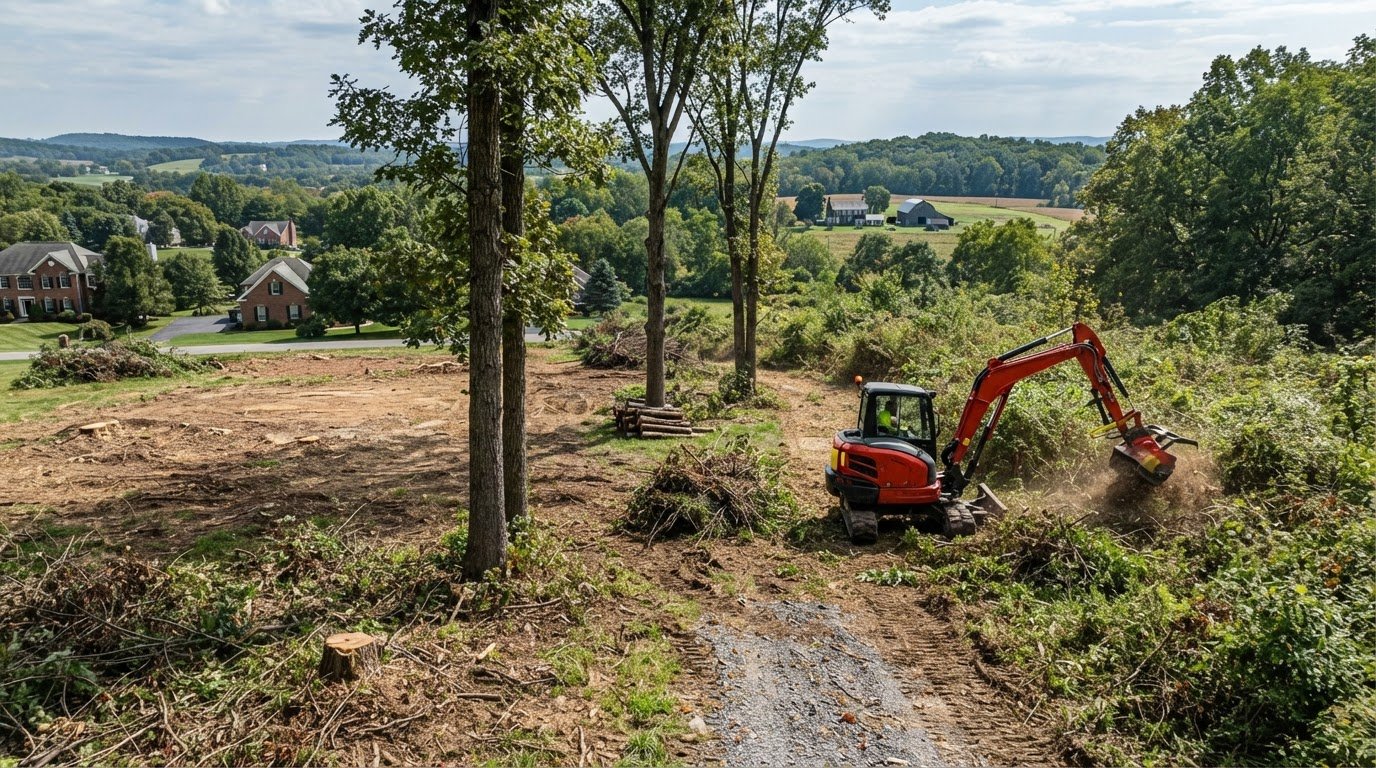
Start a patio plan with the yard you have, rather than a shape copied from a photo. Before deciding where the patio belongs, note the back door, property edges, existing trees, slopes, and routes you already take across the lawn. These details can affect the patio’s footprint, how people reach it, and how it fits with the rest of the landscape.
What to assess before choosing a patio location
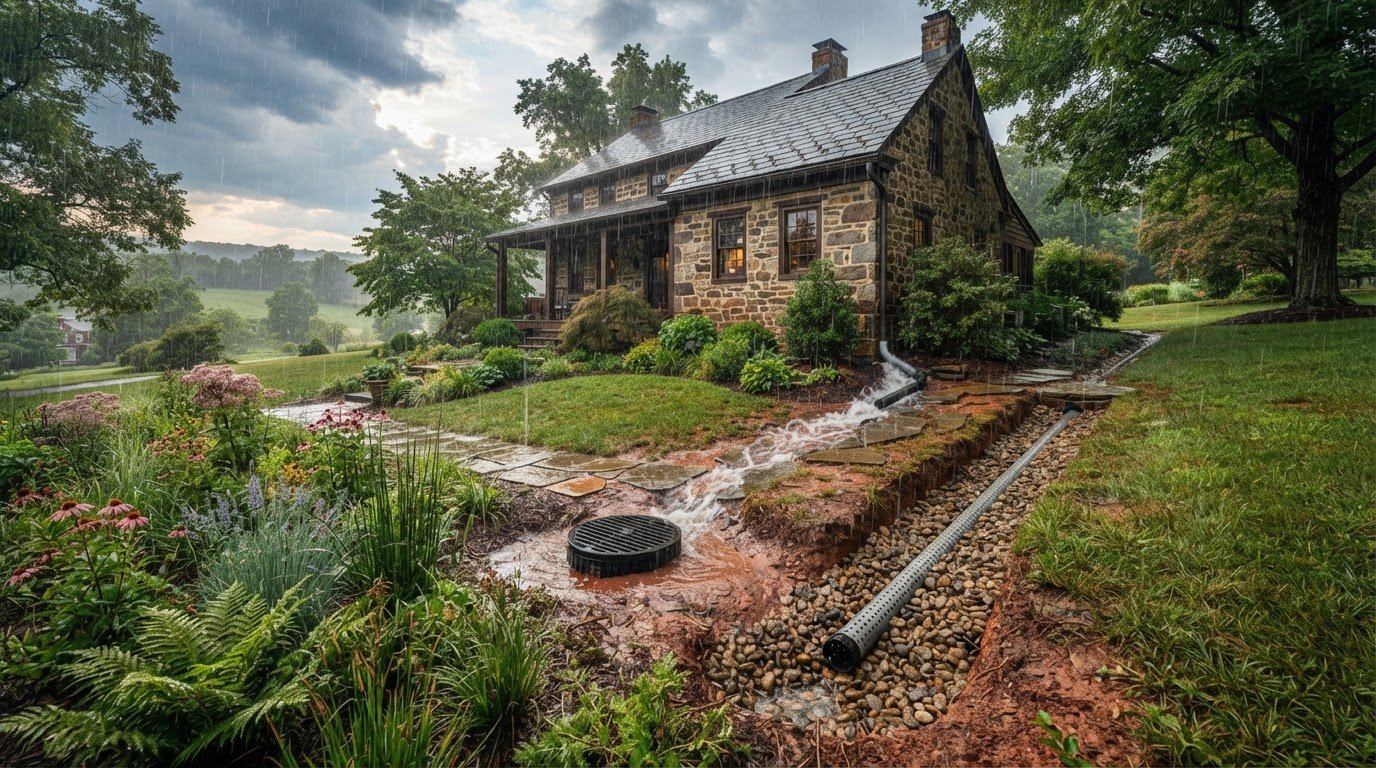
Walk from the house to the places you use most, such as a garden, shed, or lawn seating area. Look for a direct route that won’t send people through a dining zone or around obstacles. Then check the ground after rain. Mark areas where water stands, flows across the yard, or gathers near the house. Note tree trunks, roots, and planted areas the design should preserve or work around.
Use this checklist before settling on a layout:
- Access: Where will people enter the patio, and which destinations should a walkway connect?
- Boundaries: Where are the property edges and nearby structures in relation to the proposed space?
- Ground: Which areas slope, hold water, or show signs of runoff?
- Existing features: Which trees, planting beds, and lawn areas should remain part of the plan?
- Use: Will the location work for the dining, gathering, or quiet seating zones you have in mind?
How drainage and grading affect patio ideas
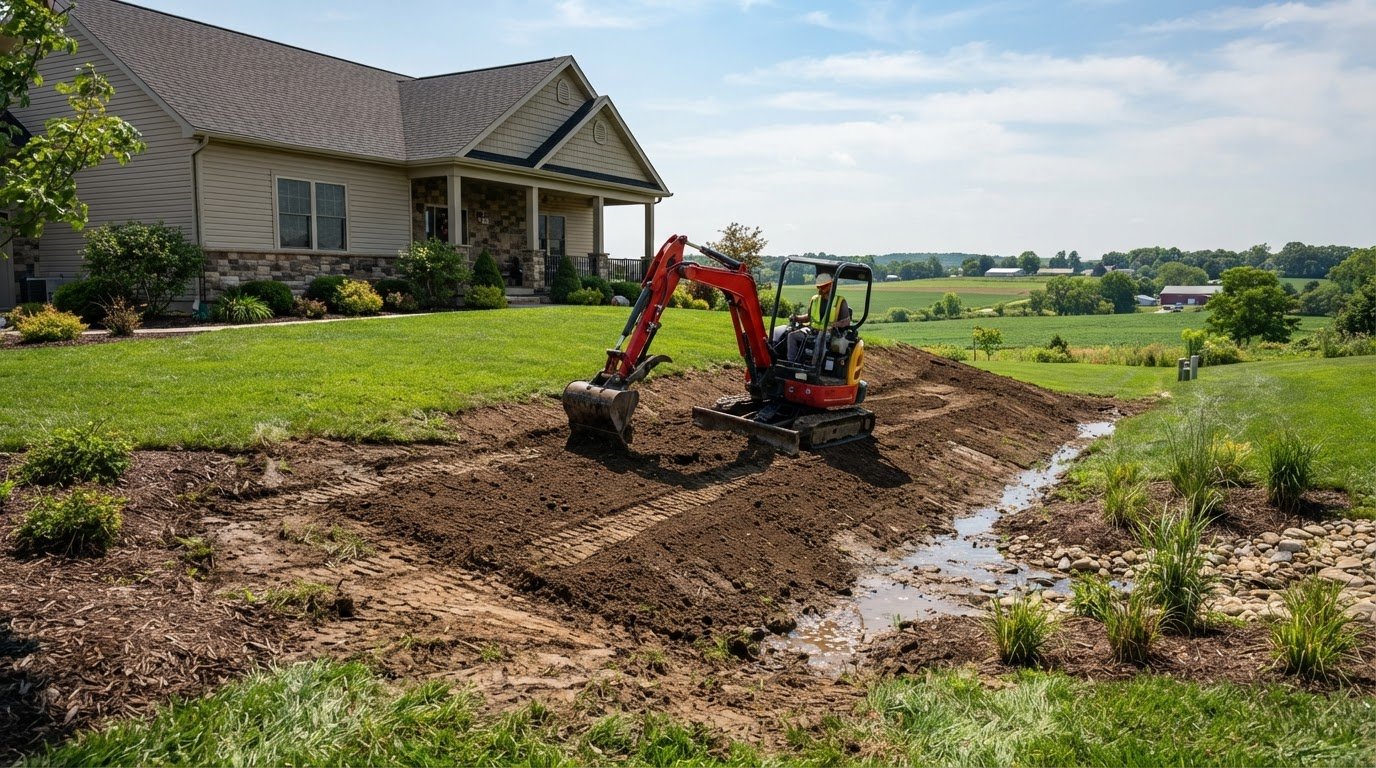
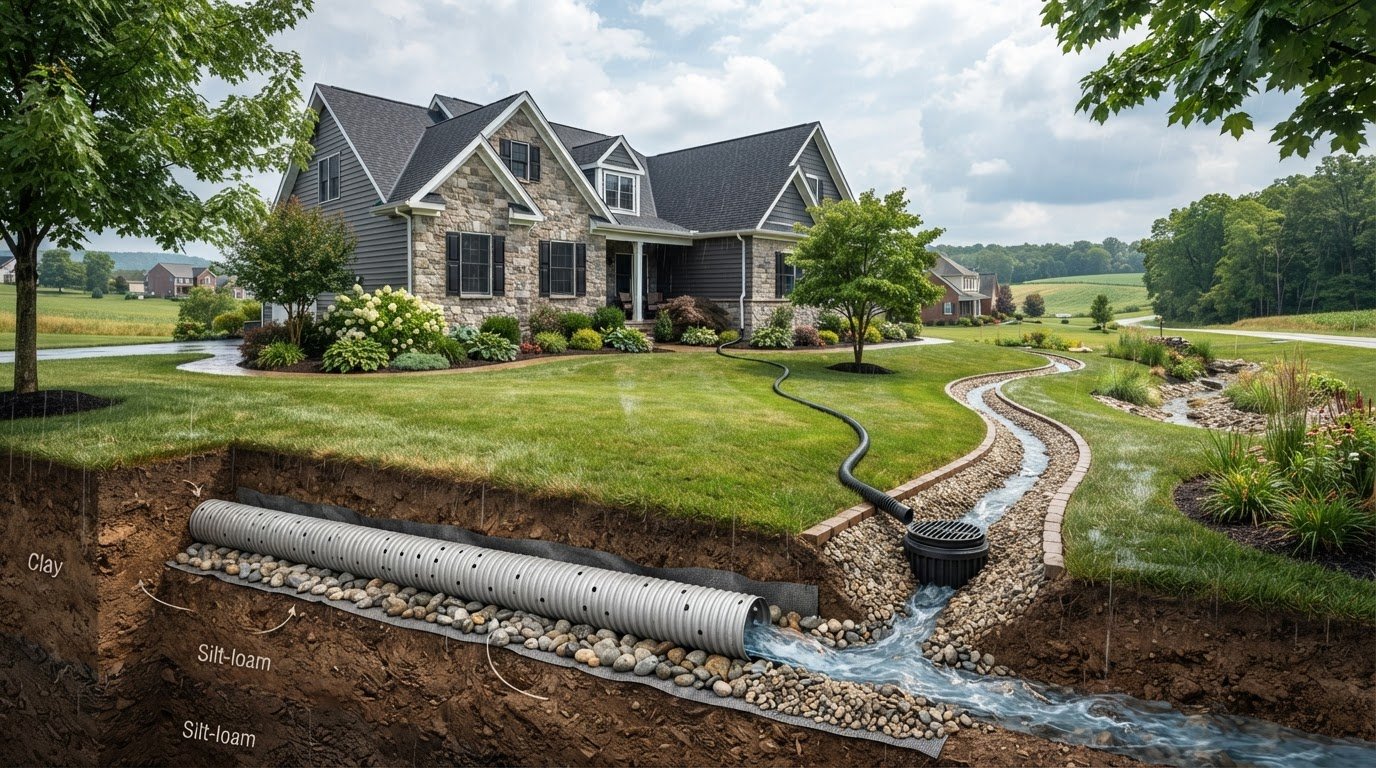
Water movement should inform the patio’s placement and shape. A patio changes how water moves across that part of the yard, so the plan needs to account for where surface water will go and how the layout relates to the house and nearby structures. Grading or a drainage solution may be needed, depending on the site. The right approach depends on the conditions present.
Seasonal changes can reveal different site conditions. Notice how the yard behaves throughout the year, and record recurring runoff or standing water instead of assuming the ground behaves the same way in every season. For an overview of basic landscape design principles, Penn State Extension provides guidance on assessing and organizing residential landscapes. This site-first approach helps turn backyard patio ideas Lancaster PA homeowners consider into a plan based on the actual property.
Snappy Landscaping considers layout and site conditions as part of custom patio installation and drainage planning. To discuss how your yard’s access, slope, and water movement can inform the design, share your patio project goals.
Compare Patio Materials and Features for the Look and Upkeep You Want
Choose a patio surface by balancing its appearance with how you’ll use and care for the space. Concrete pavers and natural stone create different visual effects, while poured concrete offers another option. No single material suits every yard. Compare appearance, layout possibilities, and routine care, then narrow your shortlist to choices that fit the design and intended use.
How to think about patio surface choices
Concrete pavers are individual units that can be arranged in different patterns, helping define a dining zone or connect the patio visually to a walkway. Natural stone has varied shapes and textures for a less uniform, more organic look. Poured concrete creates a continuous surface with a simpler visual effect. Care needs vary with the material, finish, and site conditions, so consider how much attention you want to give the surface over time.
| Surface category | Visual character | Consider for | Upkeep planning |
|---|---|---|---|
| Concrete pavers | Defined units and pattern options | Layouts with clear zones or coordinated paths | Plan for routine surface care and attention to joints |
| Natural stone | Varied texture and a less uniform appearance | A patio that complements naturalistic planting | Consider the chosen stone’s surface and care needs |
| Poured concrete | Continuous, streamlined surface | A simple patio footprint | Consider how the finish will look and be maintained |
Use the table to shortlist options, not to make a final decision in isolation. Surface choice and water management are connected because a patio affects how rain moves across the site. The EPA’s guidance on an integrated approach to reduce stormwater offers broader context for planning around runoff. Choose a material and layout that work with the site plan.
Features that make an outdoor patio more usable
Finish the layout with a few purposeful elements. Place seating where it supports conversation without blocking the main route. Use outdoor lighting to make entrances, steps, and walking paths easier to see after dusk. Add planting along an edge to soften the hard surface, while leaving room for movement and furniture. A walkway can connect the patio to another frequently used part of the yard without sending foot traffic through the seating area.
Keep the details coordinated. A consistent surface palette, defined planting edges, and clear circulation can make a patio feel complete without crowding it. To turn your priorities into a site-specific design, explore Snappy Landscaping’s custom patio installation services. The most useful backyard patio ideas Lancaster PA homeowners consider balance appearance, everyday use, and practical care.
Use These Steps to Turn Backyard Patio Inspiration Into a Practical Plan
Move from inspiration to a workable concept in stages. You don’t need a detailed construction drawing to begin, but you do need clear priorities and honest notes about the property. Use these steps to organize backyard patio ideas Lancaster PA homeowners can adapt to their own yards:
- Define the uses. List the main activities, such as outdoor meals, conversation, or quiet seating. Note who will use each area and what furniture or open space it needs.
- Assess the yard. Mark doors, boundaries, slopes, trees, planting areas, and regular walking routes. Record where water collects or runs across the ground.
- Sketch the zones. Draw the house and yard simply, then place the patio and activity areas. Add paths connecting the back door to the patio and other frequently used spaces.
- Shortlist materials. Select a few surface options that suit your preferred appearance, intended use, and willingness to handle routine care.
- Refine the details. Consider seating, lighting, planting, and transitions to the lawn. Adjust the concept if a feature blocks a route or competes with another use.
A simple patio planning checklist for homeowners
Keep your notes together before settling on a final concept. Estimate the space each activity needs, then check that people can move comfortably between zones. Mark access points, property edges, slopes, trees, and existing landscape features. Choose a short list of materials and finishing features that support your priorities. A quick sketch can help you compare alternatives and spot conflicts early.
When a patio plan needs hardscaping or drainage support
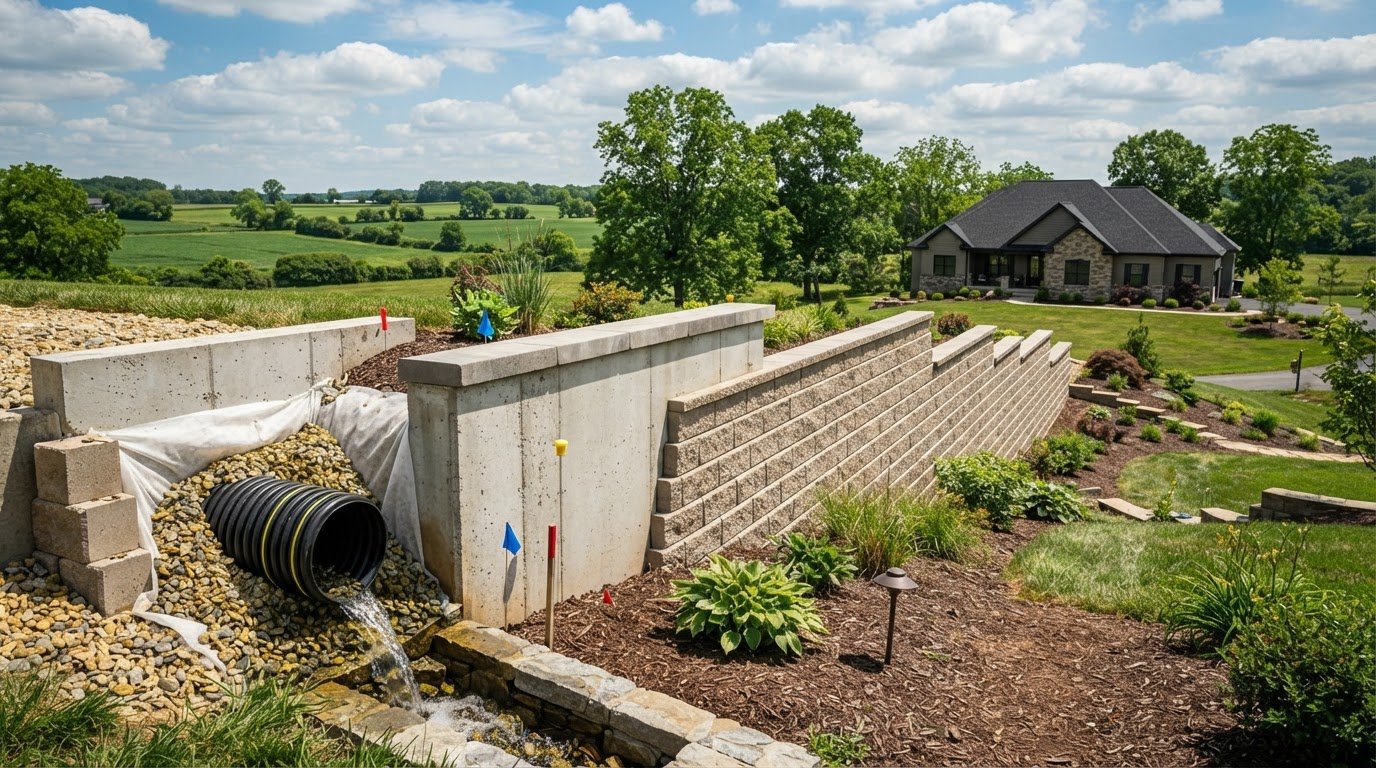
Changes in elevation can affect where a patio fits and how it connects to the yard. Where appropriate, a retaining wall may help manage a level change and define the usable area. Walkways can create convenient routes between the patio, house, and other destinations. Drainage planning matters too: consider how water moves across the site so the patio works with the conditions rather than creating new problems. The right solution depends on the property.
A practical plan is specific to your yard, not just a favorite image. Snappy Landscaping brings custom patio installation, hardscaping, retaining walls, walkways, and drainage solutions together around your project’s layout and goals. To turn your notes into a site-specific patio concept, discuss your patio project with Snappy Landscaping.
Bring Your Lancaster Backyard Patio Idea to Life With a Thoughtful Design
A strong patio design starts with how you want to use the space, then adapts to the shape and conditions of your property. Dining, entertaining, and quiet outdoor time each call for a different arrangement. Backyard patio ideas Lancaster PA homeowners explore become more practical when layout, materials, paths, and surrounding landscape are considered together instead of chosen as separate features.
What a tailored patio concept should account for
A successful patio layout balances intended activities with the site’s practical conditions. Shape the usable area around your priorities while considering access from the house, regular routes through the yard, and nearby lawn or planted areas. Material choices and finishing details should support those uses without making movement feel cramped or disconnected.
Site conditions matter, too. Grading and drainage can influence where a patio fits and how it relates to the surrounding areas. If the yard has a change in elevation, a retaining wall may help make the layout more functional where appropriate. Consider these elements together as part of the hardscape plan rather than adding them as afterthoughts.
Snappy Landscaping provides custom patio installation alongside complementary hardscaping, including retaining walls, concrete pads, and walkways, as well as drainage solutions. Considering these elements together helps align the patio’s appearance with how the yard needs to work. The right plan is specific to the property, not simply a copied shape or material combination.
Discuss your backyard patio project in Lancaster County
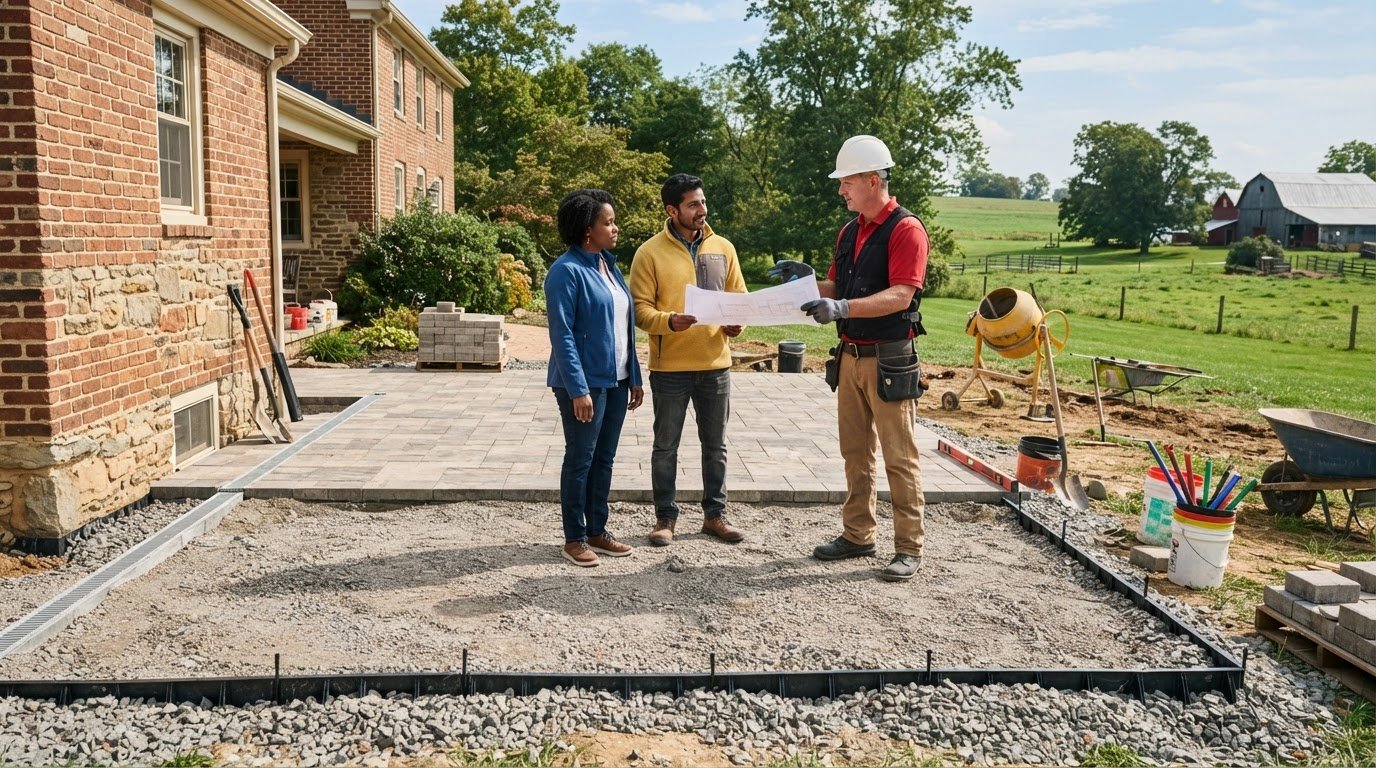
Before discussing a project, gather a few useful details: how you plan to use the patio, who will use it, which areas of the yard it should connect, and any site concerns such as slopes or water movement. You don’t need a finished design. A rough sketch and a clear list of priorities offer a practical starting point for shaping the concept.
Snappy Landscaping works with homeowners in Lancaster County, including Lancaster, Columbia, and Mountville, to plan patio projects around their goals and property conditions. Share the uses you have in mind, the features you want to keep, and what you’d like to improve. Discuss your backyard patio ideas with Snappy Landscaping.
Make Your Patio Plan Work for Your Yard
The right patio begins with how you want to use it. Choose a layout that supports those activities, then adapt the footprint and materials to your yard’s access, landscape, and drainage needs. These backyard patio ideas Lancaster PA homeowners can use work best when practical site details guide the design.
Snappy Landscaping brings custom patio installation and complementary hardscaping together to shape an outdoor space around your goals. Walkways, retaining walls, and drainage solutions can all be considered as part of the overall plan. Snappy Landscaping serves Lancaster County communities, including Lancaster, Columbia, and Mountville.
Ready to move from ideas to a patio concept shaped for your property? Discuss your backyard patio ideas with Snappy Landscaping and share how you’d like to use the space. A clear starting point and thoughtful design can help make your backyard a more comfortable, functional place to gather and unwind.
Frequently Asked Questions
What are some backyard patio ideas for a small yard?
A small patio works best when it has a clear purpose and open circulation. Consider a compact dining spot near the house, a quiet seating nook, or a simple patio connected by a direct walkway. Keep furniture and features in proportion to the usable area. Before choosing among backyard patio ideas Lancaster PA homeowners might consider, note door locations, yard boundaries, existing plants, and where water moves across the site.
How do I choose the best location for a backyard patio?
Choose a location based on intended use, convenient access, and your yard’s conditions. Map the route from the house, then assess slopes, trees, property boundaries, and nearby drainage patterns. A spot that looks ideal on a sketch may need adjustments once you observe the ground and water movement. For homes in Lancaster, Columbia, and Mountville, evaluate the individual property rather than assuming every yard has the same conditions.
What patio materials work well in Pennsylvania?
Concrete pavers and natural stone are two material categories to compare, but the right choice depends on the project and site. Consider each surface’s appearance, layout options, routine care, and fit with the surrounding landscape. A defined paver pattern may suit a structured layout, while natural stone offers varied shapes and textures. Base your decision on intended use and site conditions, not a general claim that one material is best.
Can I add a patio if my backyard slopes?
Yes, a sloped yard can still accommodate a patio, but the design needs to account for elevation and water movement. Depending on the property, grading or a retaining wall may help shape a usable area and connect it to the lawn or house. The layout should also consider how surface water will move around the patio. A site-specific plan helps determine which approach suits the slope and intended design.
How do I keep water from pooling on a patio?
Plan for surface water before settling on the patio’s location and layout. Consider the surrounding grade, low spots, nearby structures, and where water can flow across and around the proposed area. The appropriate drainage response depends on site conditions, so a one-size-fits-all fix may not suit the property. Snappy Landscaping provides drainage solutions alongside hardscaping services for residential and commercial properties in Lancaster County.
When should I plan a backyard patio project in Lancaster, PA?
Start planning once you know how you want to use the patio and have noted key site conditions. Early planning gives the design process room to address access, layout, materials, and drainage before installation begins. Project schedules depend on the scope and property conditions, so avoid relying on a general timeline. Whether you’re in Lancaster, Columbia, or Mountville, a clear list of goals is a practical first step.