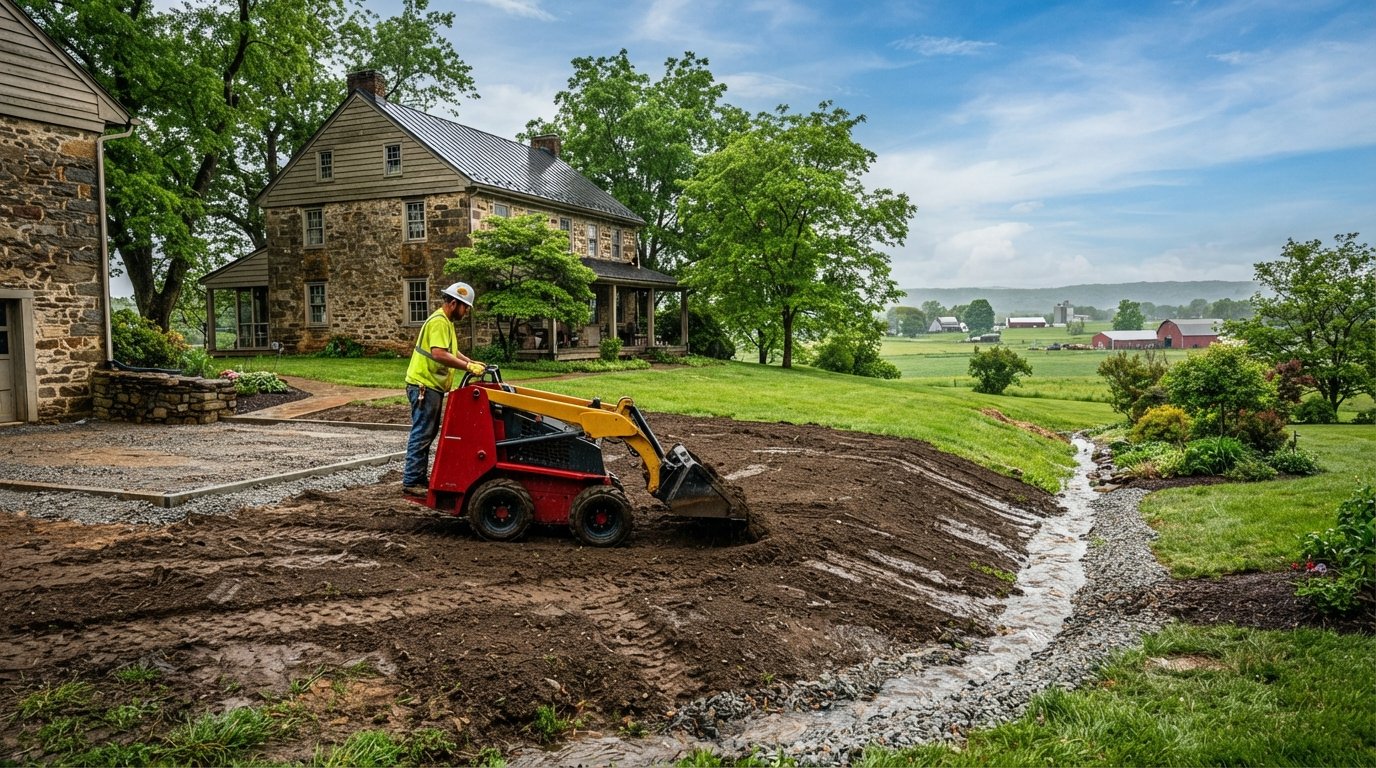

A striking brick pattern won’t save a walkway with a weak base or poor drainage. If you’re researching “brick walkway installation Lancaster PA,” start with the decisions beneath the surface, not just the look of the finished path.
You may already know brick can complement a home and create a clear, durable route through the yard. The challenge is choosing a material and layout that suit your property, expected foot traffic, and maintenance preferences, then making sure the groundwork can handle Lancaster’s freeze-thaw cycles.
This guide explains what to consider before choosing brick, what a sound installation process should address, and what to ask a contractor about preparation, drainage, materials, and workmanship. You’ll also learn how to set realistic expectations before requesting a project assessment. Snappy Landscaping serves Lancaster County with hardscaping, grading, and drainage solutions. If you’re considering a brick walkway, confirm whether brick installation is within the company’s current scope before moving forward.
Is a Brick Walkway Right for Your Lancaster, PA Property?
An uneven, muddy route between the driveway, front door, and garden can make everyday trips frustrating. A brick path can create a defined, hard-wearing route, but the result depends on whether the material and layout suit the site. A sound base, effective drainage, and a surface that works for the people using it matter as much as the pattern.
A brick walkway is a pedestrian path made from clay bricks or brick-shaped pavers, typically used to connect entrances, gardens, patios, and other outdoor areas. For brick walkway installation Lancaster PA homeowners should first consider the property’s slopes, water flow, expected foot traffic, and access needs. Brick’s appearance and repair options vary by product, so ask what material is proposed rather than relying on the general label “brick.” For background on the material, see this overview of types of brick.
Where a brick walkway works best around a home
Map the routes you use every day: driveway to entrance, house to patio, or a side-yard path to the garden. Then think beyond the straight line. The path needs enough width for comfortable passing, turning space near doors or seating areas, and a manageable slope. Consider children, visitors, anyone using a mobility aid, and whether the route connects smoothly to existing steps or hardscaping. A layout that looks neat on paper should also feel practical underfoot.
Pay attention to where rainwater travels. A walkway should not direct runoff toward the house or create a low, muddy spot beside it. Ask how the contractor will assess grading and drainage before recommending a layout. Snappy Landscaping provides walkway installation and drainage solutions in Lancaster County; confirm whether the requested brick material is within its current installation scope.
Brick, concrete, and pavers: what changes for the homeowner?
Clay brick offers a traditional, distinct look, while concrete can provide a more uniform surface. Individual pavers, whether clay or concrete, create visible joints and can allow targeted repairs if a section shifts or gets damaged. Those joints may need attention over time as sand moves or weeds appear. A poured concrete walkway has fewer joints across its surface, but a damaged area may require a different repair approach. Neither material is automatically right for every property.
Ask the contractor to identify the proposed product, explain its joint and upkeep needs, and show how the finished surface will meet existing paths and thresholds. Also discuss surface consistency and accessibility: uneven edges or changes in level can make walking and rolling less comfortable. For wider project-planning context, review Snappy Landscaping’s custom hardscaping guide.
How a Brick Walkway Base, Grading, and Drainage Support a Stable Path
A walkway can look level on installation day and still develop dips or loose units if the ground beneath it settles or water collects around it. For brick walkway installation Lancaster PA homeowners should ask how the proposed base and drainage plan fit the specific site. Lancaster-area freeze-thaw exposure is another reason to assess soil, water movement, and installation details rather than assume one assembly suits every property.
A properly prepared base supports the walkway, while effective grading and drainage help limit water-related movement and surface problems. They reduce common risks, but no installation can promise that a path will never shift. Soil conditions, runoff, materials, and workmanship all influence how it performs over time.
What goes beneath a brick walkway?
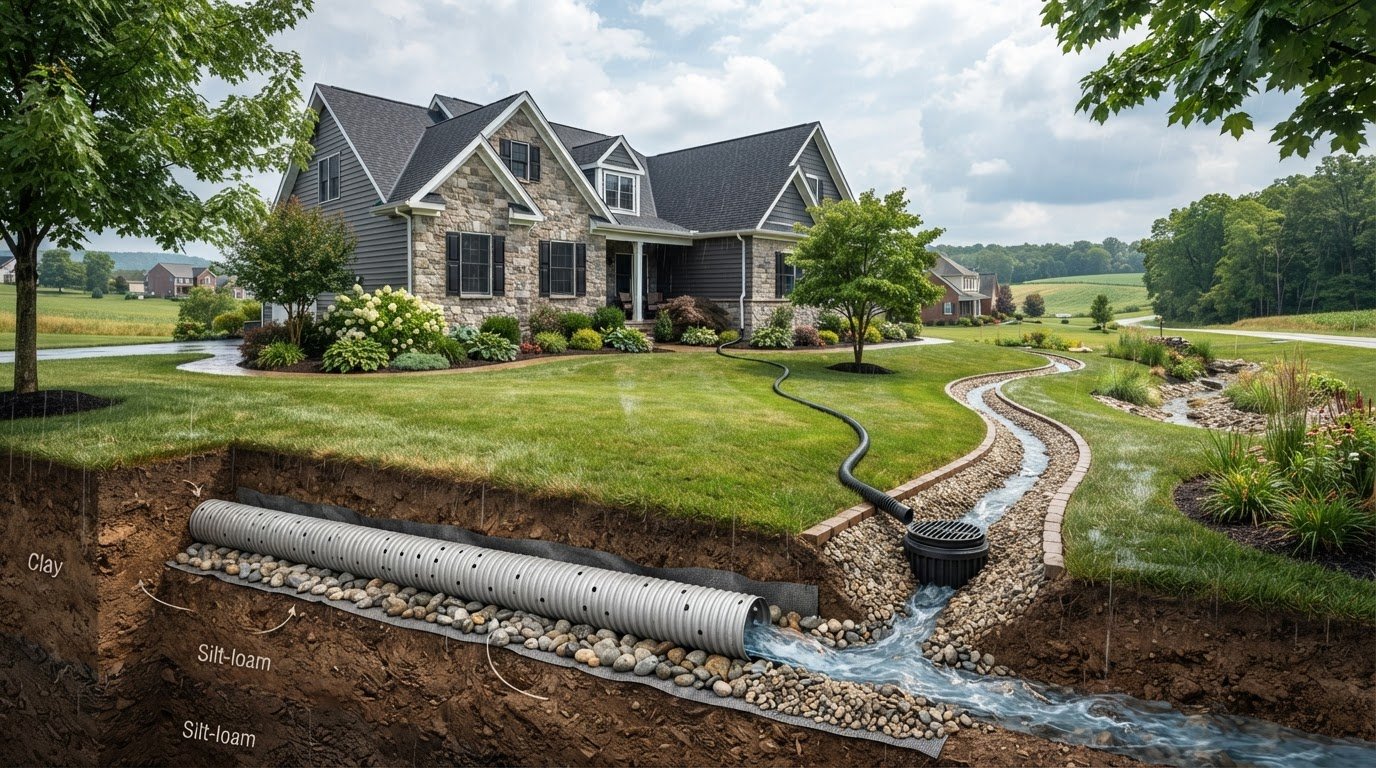
A typical flexible-paver assembly has several layers: the installer excavates, prepares the subgrade, places and compacts a base, adds a bedding layer, sets the units, then fills the joints with suitable material. Each layer has a job. The subgrade provides the foundation, the compacted base supports loads, and the bedding layer helps establish an even surface for the bricks or pavers.
There’s no single depth or material specification for every project. Soil, intended foot traffic, selected product requirements, and site conditions can change the design. Ask the installer to describe each layer and explain how the assembly matches the specified clay brick or concrete paver. Also ask how compaction and edge restraint will be handled, since a strong surface depends on more than the visible units.
How grading and runoff affect Lancaster-area walkways
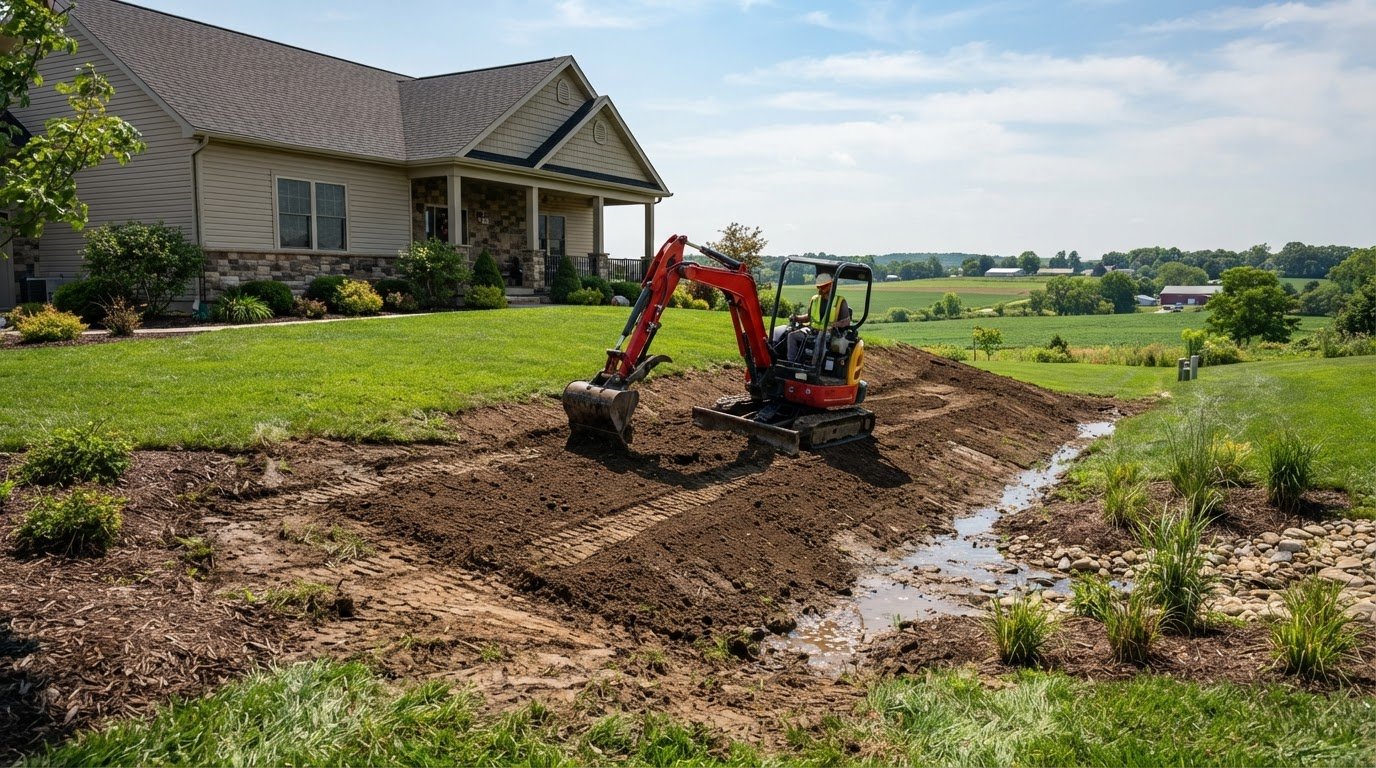
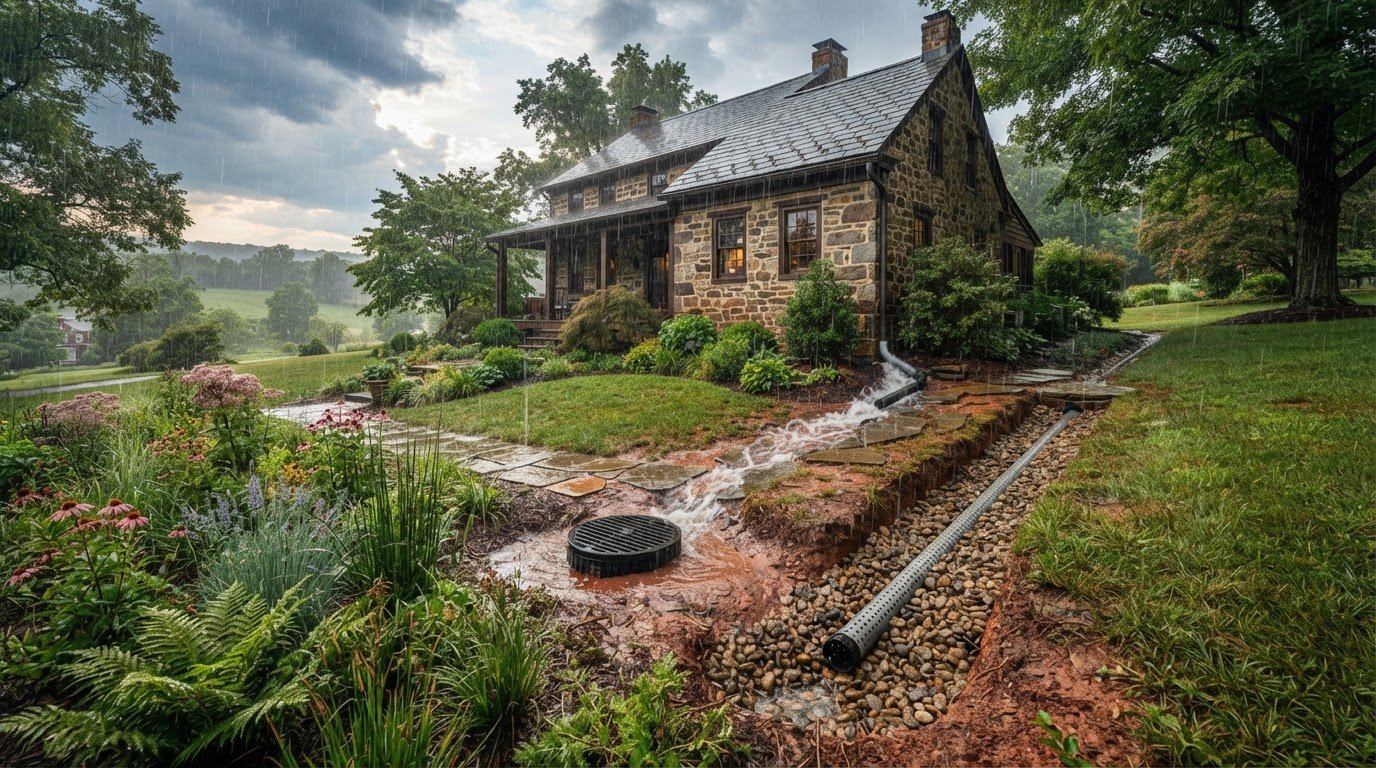
Grading should guide water away from the home without pushing runoff toward neighboring properties or creating a new low spot. During the site review, point out downspouts, areas that stay saturated, slopes, and places where water already pools. A path crossing a slope may need a different drainage approach than a short, level route beside a patio.
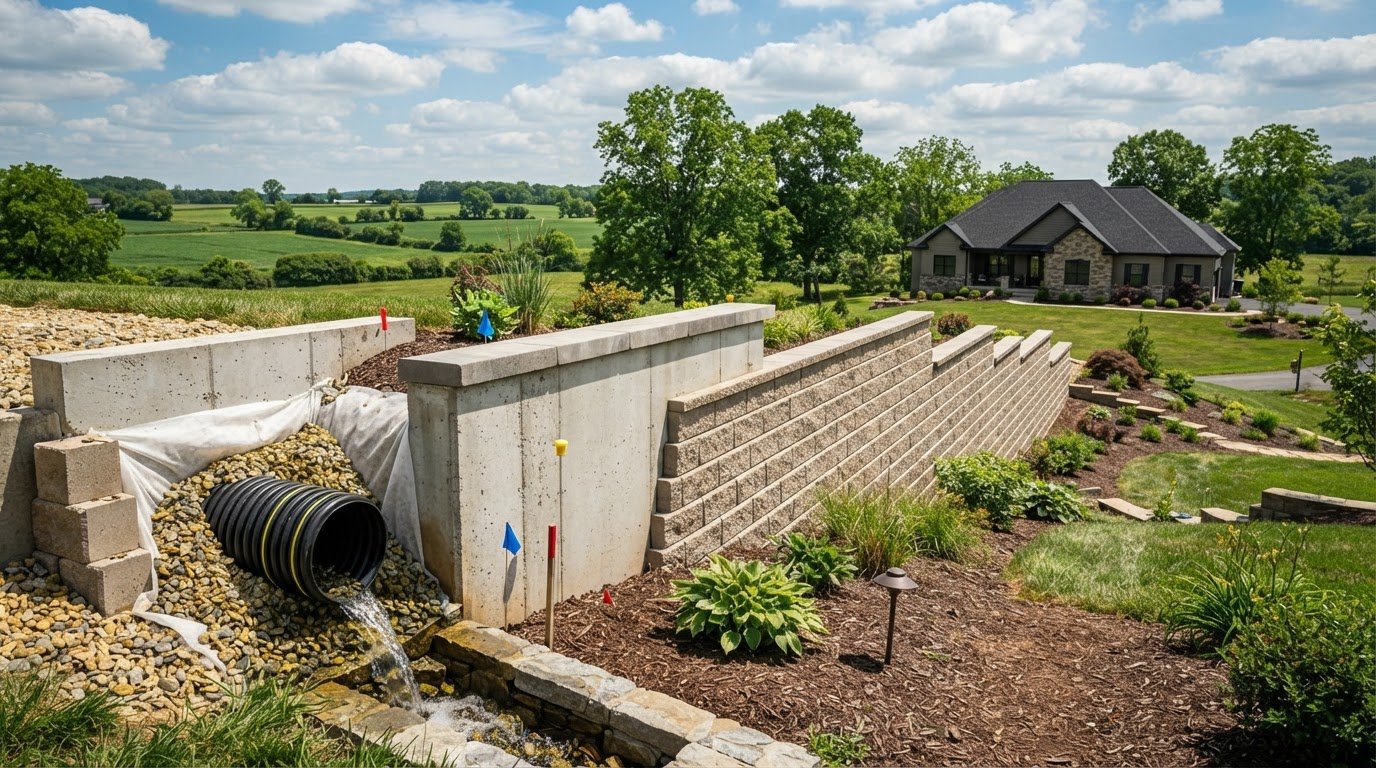
Water trapped beneath or beside a walkway can soften supporting soil. When temperatures fluctuate, freezing and thawing can add stress to wet ground and contribute to movement. These risks make site-specific evaluation important; they don’t mean every Lancaster property needs the same solution. Snappy Landscaping’s confirmed services include grading and drainage solutions, but its current brick installation capabilities and methods should be confirmed before discussing a brick project.
For additional context on material performance, This Old House explains how brick pavers age more gracefully in comparison with some alternatives, while product choice and installation still matter. If your site has persistent runoff or uneven ground, ask a qualified local hardscaping provider to assess those conditions and explain the proposed approach before work begins.
Brick Walkway Materials Compared: Clay Brick, Concrete Pavers, and Concrete
The material you choose affects the walkway’s appearance, joints, routine care, and repair options. For brick walkway installation Lancaster PA homeowners should ask for the exact product specification: “brick” may mean fired clay units or concrete pavers shaped or colored to resemble brick. These materials aren’t interchangeable, and neither is the same as a poured concrete path.
| Material | Appearance and joints | Maintenance and repairs | Questions about site suitability |
|---|---|---|---|
| Clay brick | Made from fired clay; color and dimensions can vary by product. Individual units create a visible joint pattern. | Ask what joint upkeep is expected and how a damaged or uneven unit could be replaced. | Is this product intended for outdoor paving and the walkway’s expected foot traffic? |
| Concrete pavers | Made from concrete and available in brick-like shapes and colors. Units and joints create a modular pattern. | Discuss joint maintenance and whether individual pavers can be lifted and reset or replaced. | Do the product’s specifications fit the site and the planned installation method? |
| Poured concrete | Creates a mostly continuous surface, with joints or control cuts rather than a pattern of individual units. | Ask how cracks or localized damage would be addressed; repairs may be less localized than replacing one paver. | Does a continuous surface suit the route, transitions, and desired appearance? |
Clay brick or concrete pavers: which fits the project?
Compare samples at the property, where light and nearby materials affect how color reads. Check dimensions and manufacturer guidance, too. Differences in unit size can influence the pattern, cuts, and fit at edges or curves. Ask the installer to identify the product in the proposal and explain its outdoor-use suitability, expected upkeep, and how a damaged unit could be matched or replaced. Avoid relying on broad claims about performance; product specifications and site conditions matter.
When a concrete walkway may be the simpler fit
A poured concrete walkway offers a different look from individually laid units and has fewer joints across the surface. Brick and concrete pavers create a segmented pattern, which may allow work on a specific unit if a repair is needed. The right choice depends on the property, design preferences, and repair considerations, not a universal ranking. Snappy Landscaping confirms concrete pads and walkways among its services. Review its walkway installation information, and confirm material availability directly if you’re considering clay brick or concrete pavers.
What to Expect During Brick Walkway Installation in Lancaster County
A clear process helps you spot unanswered questions before work starts. For brick walkway installation Lancaster PA homeowners should expect a site review, a written scope, careful preparation, installation, and a final walkthrough. Access, existing landscaping, underground utilities, grading, and removal of old materials can all affect the plan.
What happens during a site assessment?
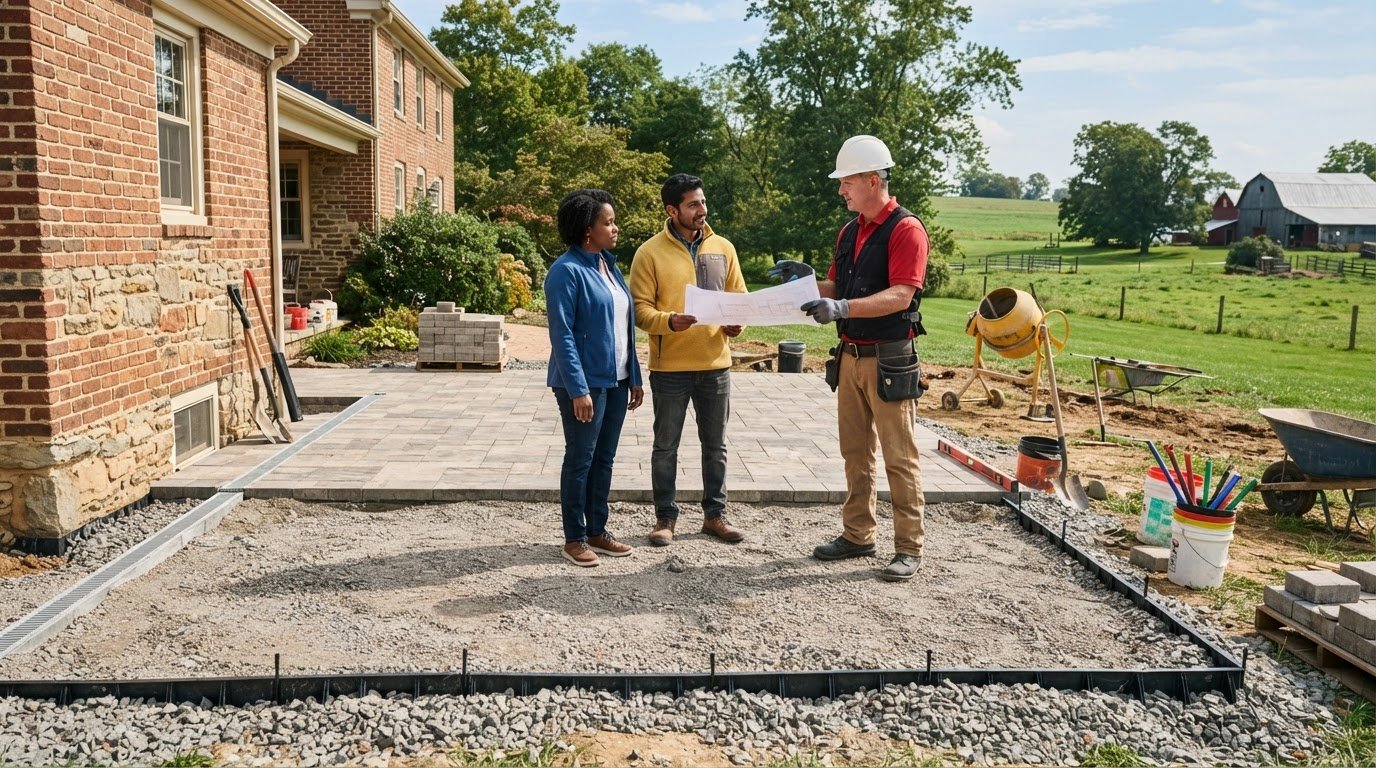
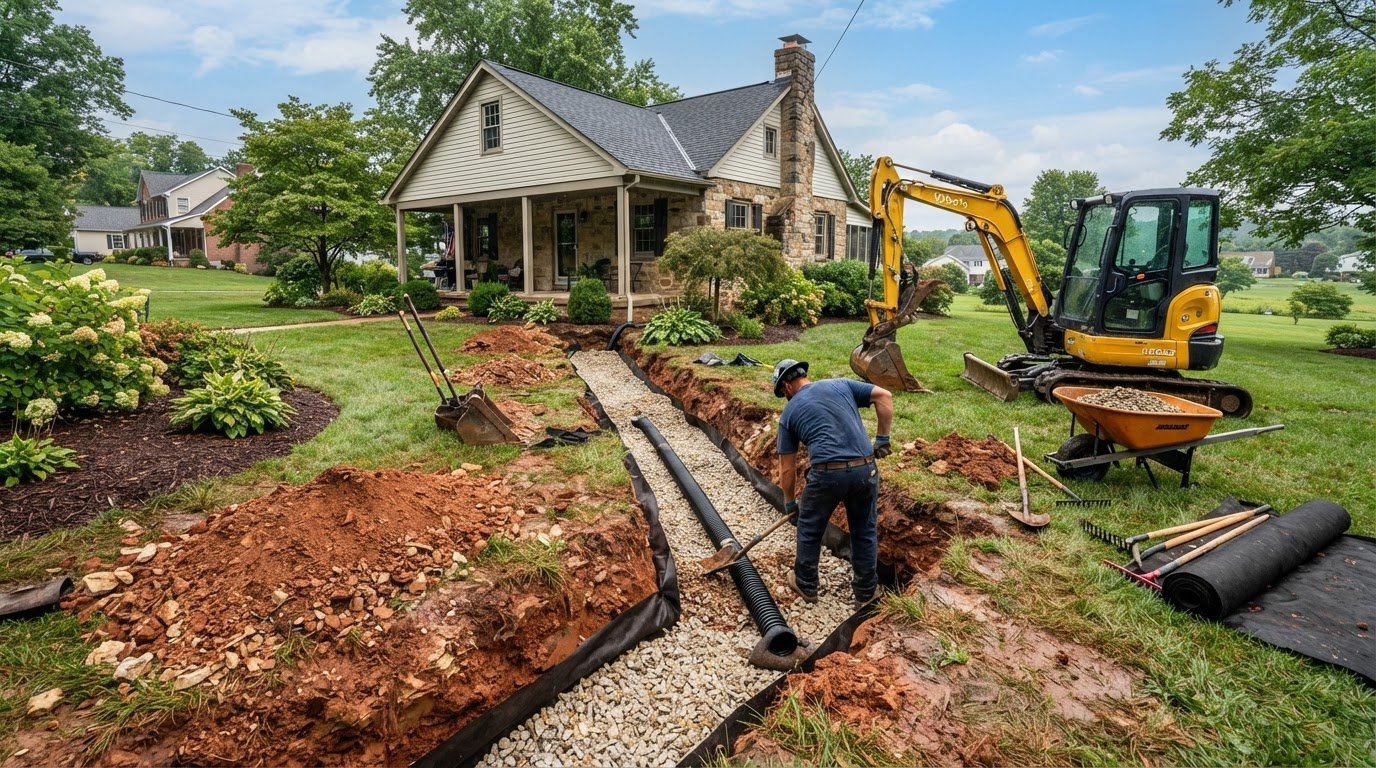
The contractor should measure the route, review slopes and water flow, and check how the proposed path will meet steps, driveways, or patios. Ask them to identify equipment access, obstructions, and possible effects on planting beds, lawn, or nearby hardscaping. If the walkway will connect to an outdoor living area, Snappy Landscaping’s patio installation overview provides context for planning the connection between surfaces.
Before approving work, get the proposed material and layout in writing, along with the preparation included and any exclusions. Confirm whether the scope covers removing an existing path, hauling debris, protecting adjacent landscaping, and addressing grading or drainage concerns.
What should homeowners ask before work begins?
Ask who is responsible for utility marking, disposal, and checking whether permits or property-association approvals apply. Verify responsibilities with the appropriate utility-marking service, local authority, and association, then get the agreed tasks documented. Requirements can depend on the property and project location, so don’t assume the contractor or homeowner automatically handles each item.
Discuss the proposed base and edge-restraint methods, and ask how runoff will be managed without directing water toward the house or neighboring property. Confirm the specified brick or paver product and installation approach. Snappy Landscaping offers concrete walkways, grading, and drainage solutions, but its current brick installation capabilities should be confirmed before including brick work in a project scope.
Pre-project checklist
- Route: Mark the start, end, and connections to entrances, gardens, or patios.
- Dimensions: Agree on the path width, turning areas, and transitions.
- Material: Identify clay brick or concrete pavers, including the proposed product.
- Drainage: Point out low spots, downspouts, slopes, and saturated areas.
- Access: Discuss equipment routes, gates, landscaping to protect, and debris removal.
Ready to discuss a walkway, grading, or drainage concern? Contact Snappy Landscaping to discuss your project, and confirm material availability if you’re considering brick.
Choose a Lancaster Brick Walkway Contractor and Plan Your Next Step
A good proposal makes the work understandable before it begins. For brick walkway installation Lancaster PA homeowners should look for relevant project experience, clear material details, a site-specific drainage plan, and a written scope. Compare proposals by what they include, especially excavation and base preparation, rather than choosing by headline price alone. A lower initial figure may leave important preparation or cleanup out of scope.
Questions that reveal whether a proposal is complete
Ask each contractor to identify the exact clay brick or concrete paver included and clarify who supplies it. Then review how the proposal addresses the full job, from removing existing materials to leaving the site tidy. A detailed scope helps you compare like with like and identify responsibilities that might otherwise be unclear.
- Material: What exact brick or paver product is included, and who orders and supplies it?
- Preparation: What excavation, subgrade work, and base preparation are included?
- Installation details: What bedding, joint material, and edge-restraint approach is proposed?
- Drainage: How will the plan account for the property’s slope and existing water flow?
- Scope: Are removal, disposal, cleanup, and protection of nearby landscaping included? What is excluded?
Ask the contractor to explain how the proposed layout and preparation respond to the conditions at your property. If a detail is unclear, request a written explanation before approving the scope.
Request a local walkway project assessment
Snappy Landscaping’s confirmed hardscaping services include concrete walkways, grading, and drainage solutions. Its current ability to install clay-brick or concrete-paver walkways isn’t confirmed, so ask about material availability before treating the company as a fit for a brick project. You can review its walkway installation information for details on its confirmed walkway service.
To make an initial project discussion more useful, share your Lancaster County location, the approximate route and dimensions, your preferred material, and any known drainage or access concerns. Note where the path should begin and end, and whether it connects to an entrance, garden, or patio. Clear details help establish what needs to be assessed and which material options may be relevant.
Contact Snappy Landscaping to discuss your walkway project, including whether your preferred brick material is within its current installation scope.
Plan a Walkway That Works for Your Property
A successful walkway starts with more than a material choice. Match the route and surface to your household’s needs, make sure the proposed base and drainage plan suit the site, and compare contractor proposals by the preparation and work they include. For brick walkway installation Lancaster PA , confirm the exact product and whether the contractor currently installs it before approving a scope.
Snappy Landscaping is locally owned and operated in Lancaster County. Its confirmed hardscaping services include concrete walkways, grading, and drainage solutions; brick-paver installation capability should be verified directly. Share your intended route, preferred material, and any drainage concerns to discuss what may fit your project.
Contact Snappy Landscaping to discuss your walkway project. With clear questions and a site-specific plan, you can take the next step toward a more practical, well-defined path.
Frequently Asked Questions
How much does brick walkway installation cost in Lancaster, PA?
The cost depends on the walkway’s size, selected material, site access, and preparation required. A straightforward route may involve different work than a sloped path that needs old materials removed or drainage issues addressed. Ask contractors for written proposals that identify the exact brick or paver, excavation and base preparation, disposal, and other included work. Compare those details rather than relying on a headline figure. Snappy Landscaping’s pricing for brick work isn’t confirmed.
How long does it take to install a brick walkway?
Installation time depends on the path’s dimensions, access, site preparation, material, and ground conditions. Removing an existing walkway, working around established landscaping, or addressing grading and drainage can add steps. Ask the contractor for a project-specific schedule and clarify what could affect it, including site conditions or weather. Snappy Landscaping’s timeline for brick walkway projects isn’t confirmed, so request timing directly before planning around the work.
Is a brick walkway suitable for Pennsylvania winters?
A brick walkway can suit a Pennsylvania property when the selected product and installation plan account for local conditions. Freeze-thaw exposure makes water management, grading, and a properly prepared base important considerations. Ask the contractor how the proposed materials are intended for outdoor pedestrian use and how the site’s soil and runoff affect the installation approach. No material or installation method can guarantee that a walkway will never move.
What is the difference between brick and concrete pavers?
Clay brick is made from fired clay, while concrete pavers are made from concrete and may be shaped or colored to resemble brick. Both are laid as individual units, but product dimensions, color variation, manufacturer guidance, and joint details can differ. Ask which material and exact product a proposal includes. A poured concrete walkway is different: it forms a mostly continuous surface rather than a pattern of separate units.
Do I need a permit to install a walkway in Lancaster County?
Permit requirements depend on the municipality and the project location, so check with the local authority before work begins. In the City of Lancaster, curb or sidewalk work requires a permit; that does not mean every private walkway project across Lancaster County has the same requirement. If the work affects a public sidewalk, curb, or state street, ask which approvals apply and who is responsible for confirming them.
Can a brick walkway be installed on a sloped yard?
Yes, a brick walkway may be possible on a sloped yard, but the layout, grading, and water flow need careful site assessment. The contractor should review the slope, transitions, and where runoff will go, then explain how the proposed design suits those conditions. Ask whether the route can provide comfortable access and connect safely with existing steps or hardscaping. The right approach depends on the specific property.
How do I keep a brick walkway from shifting or holding water?
Start with site-specific preparation, including a suitable subgrade and compacted base, appropriate edge restraint, and grading that directs water away from the house without sending it onto neighboring property. Ask the installer to describe each layer and how the plan addresses low spots, downspouts, and saturated ground. These measures can reduce common movement and drainage problems, but they can’t guarantee that a walkway will never shift.