
What if the stone wall you choose looks right but does little to manage your property’s slope or water? Successful stone wall construction Lancaster County homeowners can rely on starts with more than appearance. The wall needs to suit the site, support the grade where needed, and fit the way you use the space.
It’s natural to focus on the stone and finished look. But the wall’s purpose, site preparation, grading, and drainage all affect how well the project works. Overlook those details, and the wall may create new property headaches instead of solving existing ones.
This guide covers the decisions that shape a functional stone wall, from choosing an approach for your site to understanding what can affect project scope. You’ll also find practical details to gather before discussing your project, including your goals, the slope, and any water concerns. Snappy Landscaping provides retaining wall construction, grading, and drainage solutions to help coordinate the work when the site calls for it. Here’s what to consider before your project begins.
When Does Stone Wall Construction Make Sense for a Lancaster County Property?
A stone wall should solve a specific site problem. It can hold back soil, create a level area on a slope, define a garden edge, or frame an outdoor layout. Before choosing a stone or finish, identify what the wall needs to do. Its purpose will guide its placement, construction, and relationship to grading and drainage.
A decorative boundary wall and a retaining wall aren’t interchangeable. A low divider may mark a planting bed without supporting a significant change in grade. A retaining wall must resist pressure from the soil behind it, so its base, structure, and water management need to suit the wall and site. Dry-stacked walls use stones fitted without mortar; this overview of dry stone wall construction principles explains the general method. Choose an approach based on the wall’s job, not just its appearance.
How do you know whether a wall needs to retain soil?
Look at the ground on both sides. If one side is higher and the wall will hold that soil in place, it’s functioning as a retaining wall, even if it also serves as a garden border. Retained soil and water can place added pressure on the structure, making support and drainage important design considerations. Note nearby paths, buildings, driveways, and property boundaries. These features help define where the wall can go and how it needs to fit the space.
What should a Lancaster County wall accomplish?
Start with the problem, not the stone. Do you want to manage a slope, make part of the yard more usable, define a landscape edge, or connect a patio to the surrounding grade? Note where people walk and where water moves during rain. Conditions vary between properties in Lancaster County, so the wall’s position and construction should respond to the actual grade, intended use, and drainage patterns.
For a project that retains soil, account for the slope and how water will move around or behind the wall. For a decorative boundary, the priority may be a clear edge that suits the landscape without supporting higher ground. Snappy Landscaping provides retaining wall construction, grading, and drainage solutions for projects that need a coordinated plan. Explore our retaining wall construction service to see how wall work can fit into a practical site plan.
How Stone Wall Construction Works: Base, Structure, and Drainage
A durable wall is built in stages, with each decision tied to the site and the wall’s purpose. Stone wall construction Lancaster County properties need should account for grade, intended use, access, and water movement rather than follow a one-size-fits-all layout.
A typical project moves through a clear sequence:
- Assess the site: Review the slope, nearby features, access for equipment and materials, and where surface water travels.
- Plan the wall: Set its location and layout based on the grade and the job it needs to perform.
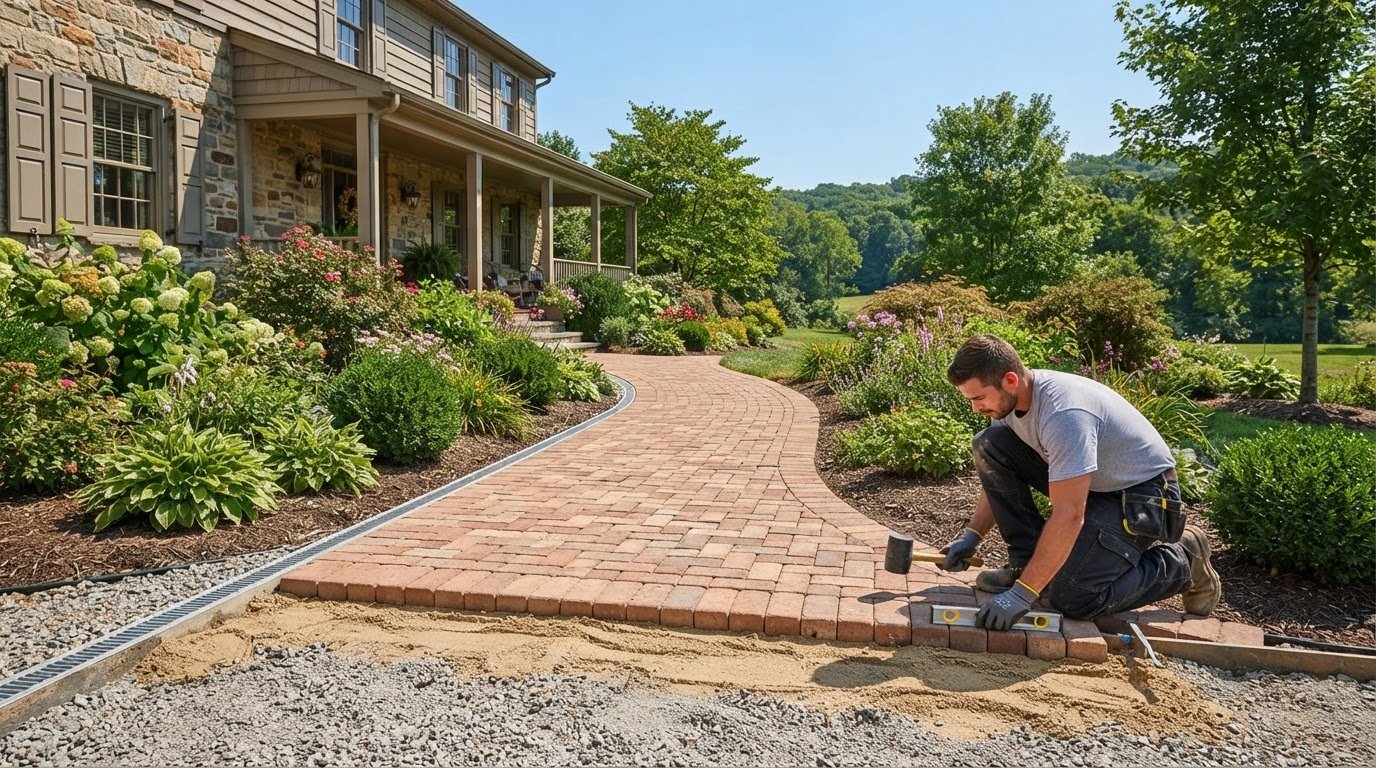
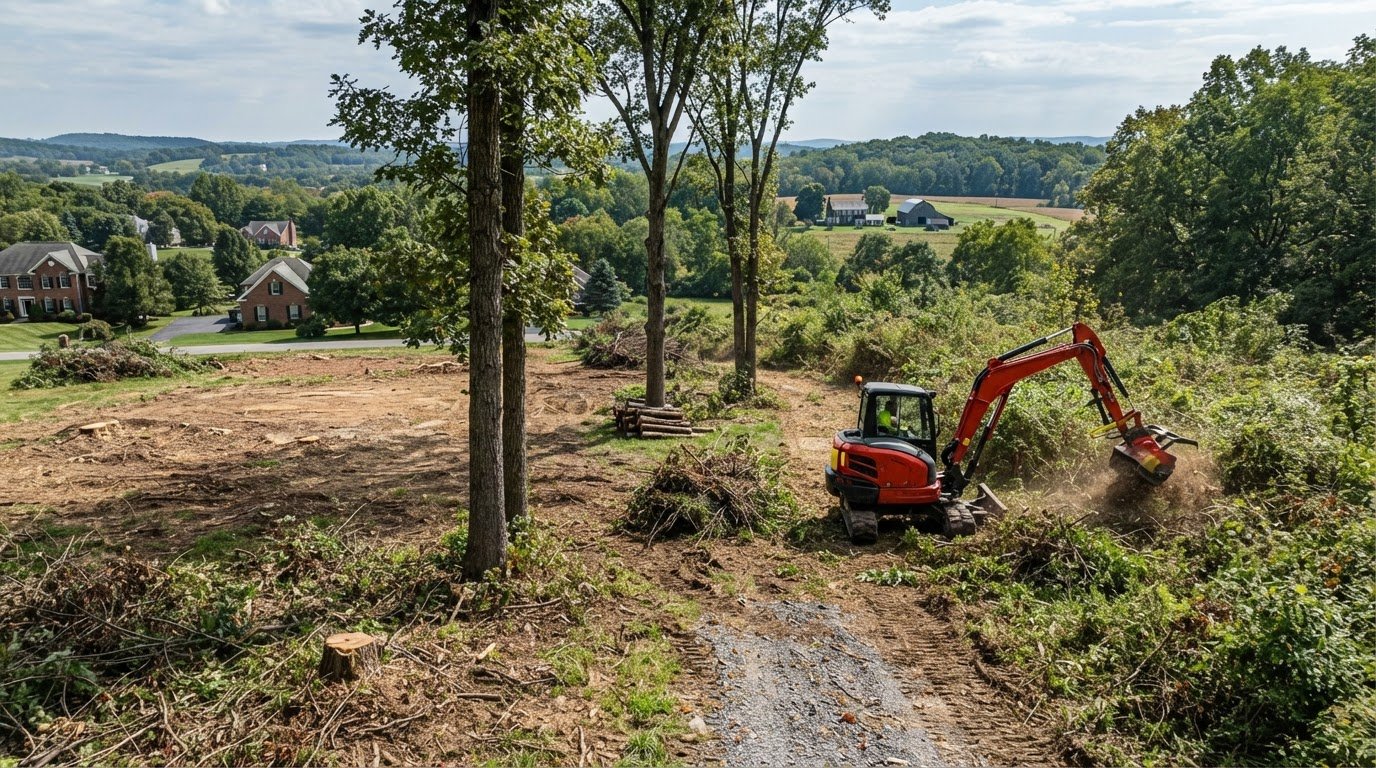
- Prepare the area: Clear and excavate as needed, then prepare a stable base suited to the design.
- Build and backfill: Construct the wall and add appropriate backfill as the work progresses.
- Finish the grade: Shape the surrounding ground so surface water moves as planned.
Construction details depend on the site and whether the wall retains soil, defines a boundary, or serves another purpose. A stable base supports the structure, while suitable backfill helps provide consistent support behind it. These are essential parts of the build, not details to leave until the visible stonework is underway.
What happens during stone wall site preparation?
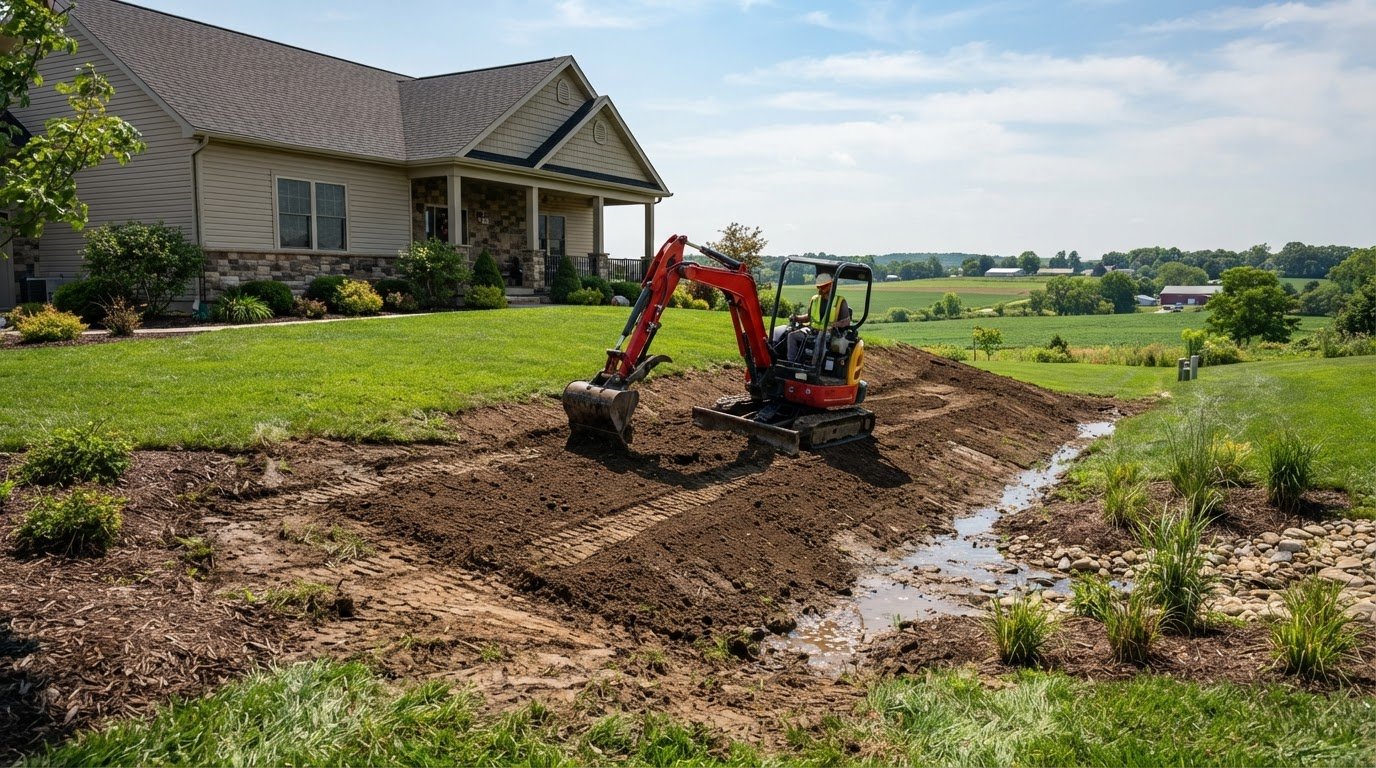
Preparation starts with the work area. The wall’s grade, equipment access, and nearby paths, patios, buildings, or planting areas all affect how the site is organized. Excavation creates space for the planned base and wall, while base preparation establishes a stable starting point. Grading also needs to suit the layout, directing surface water appropriately rather than toward the wall or adjoining features.
Why do drainage and backfill matter behind a wall?
Water that collects behind a retaining wall can add pressure to the soil it holds. That’s why drainage needs to be considered from the start, alongside backfill and grading. The right approach depends on how the site sheds water and how the wall functions. For a closer look at this part of planning, read Retaining Wall Drainage in Lancaster County: The Key to Structural Longevity.
Snappy Landscaping provides retaining wall construction alongside grading and drainage solutions for projects that need coordinated site work. Explore our retaining wall construction services to see how these elements can work together.
Stone Wall Options Compared: Structure, Appearance, and Site Fit
Wall approaches differ in what supports the load, how they shape the landscape, and what the site requires. Use the comparison below to separate structural needs from appearance before settling on a design.
| Approach | Function | Site fit | Appearance and construction considerations |
|---|---|---|---|
| Structural stone wall | Supports soil or defines space through the wall’s own construction. | May suit a grade change or landscape edge where the wall itself must provide support. | Shows the wall material as the finished surface. Base preparation, wall layout, and water management need to match its role and site conditions. |
| Segmental retaining system | Retains soil using interlocking wall units assembled as a system. | Can suit a planned wall that needs to manage a slope or create usable space. | Creates a consistent, organized appearance. Layout, support, and drainage requirements depend on the project design. |
| Stone veneer | Provides a stone-facing appearance over a separate supporting surface. | Fits a decorative application where the facing does not need to hold back soil. | Adds visible stone character, but the structure behind it performs the supporting work. Veneer alone is not a soil-retaining wall. |
How does a structural stone wall differ from stone veneer?
Think of a cross-section from the higher ground toward the open side. A retaining wall has soil behind it and a structural wall between that soil and the exposed face. With veneer, the layers are soil, a separate supporting structure, then a decorative stone facing. The facing changes the appearance, not the structure’s purpose. Choose the construction approach based on what the wall must support.
Retaining wall: Higher ground and soil → structural wall → exposed face
Veneer: Higher ground and soil → supporting structure → stone facing
Which wall approach fits the property’s layout?
Match the approach to the slope, intended use, access, and surrounding landscape. A wall beside a patio may need to align with its edges and a walkway; a garden boundary may have a different role and layout. Stone wall construction Lancaster County homeowners plan should account for these relationships as well as grading and drainage. Snappy Landscaping provides retaining wall construction and patio and walkway installation, allowing connected features to be considered together. See our professional retaining wall installation page for more about the service.
Planning Stone Wall Construction in Lancaster County: A Practical Checklist
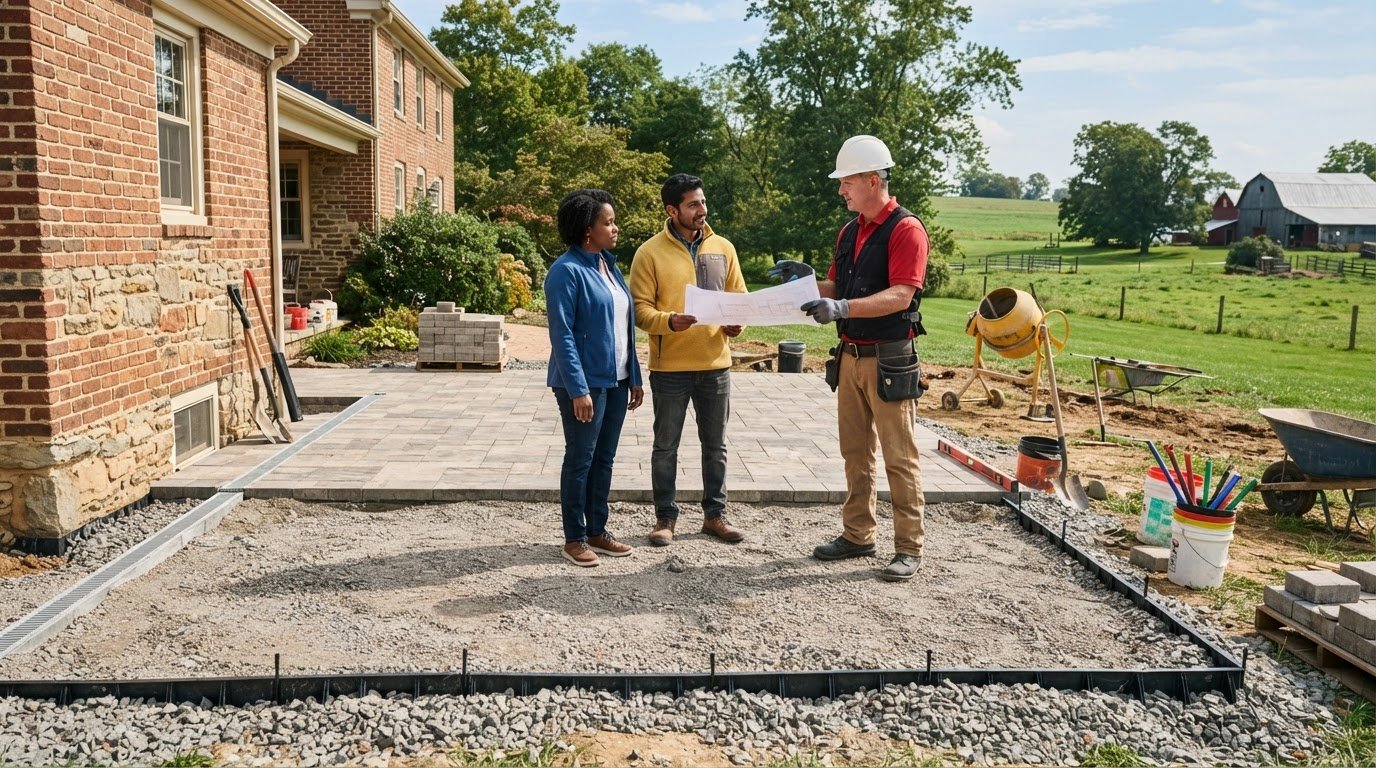
A focused project plan makes it easier to explain what you need and identify details that may affect the work. Before discussing stone wall construction in Lancaster County, write down the wall’s purpose, approximate location, and relationship to nearby features. Is it meant to hold back soil, define a landscape edge, or help create a more usable area?
What information helps define a wall project?
Gather a few practical details before discussing the project. They’ll help connect your goal with the conditions on your property.
- Describe the problem: Note the slope, boundary, or layout issue you want the wall to address.
- Mark the intended placement: Identify the approximate wall line and whether it will retain soil or serve another function.
- Photograph the area: Capture the proposed wall location, surrounding grade, access routes, and nearby property edges.
- Include adjoining features: Show patios, paths, buildings, and other elements that may affect the overall layout.
Take photos from more than one angle. A view across the slope shows how the grade changes, while a wider image can show how the wall relates to the rest of the yard.
How should drainage and adjacent features factor into planning?
Look for places where water collects or flows near the proposed wall. Photograph visible pooling after rain if possible, and note where runoff appears to travel. These observations help show how grading, drainage, and retaining wall work may fit together. Snappy Landscaping provides these services and can coordinate them as part of the site plan. Learn more about our retaining wall construction.
Project scope and investment depend on the site, design, access, and drainage needs. A wall beside a patio may involve different layout considerations from one along an open slope. Note the features you want to preserve or connect, too. That context helps shape a plan around how you use the space, not just where the wall can fit.
Permit requirements can vary by municipality and property conditions. Verify the applicable rules for your specific location before work begins, especially if the wall retains soil or sits near other features.
Bring your notes and photos to the project conversation. Discuss your stone wall project with Snappy Landscaping.
Get a Stone Wall Project Moving with Snappy Landscaping
A well-planned wall starts with a clear goal. Snappy Landscaping provides retaining wall construction, grading, and drainage solutions to bring related site work together when needed. This approach connects the wall’s purpose with the property’s layout and water movement instead of treating each part as a separate task.
What to expect when discussing a stone wall project
Explain what the wall needs to accomplish. It might retain soil, shape a usable area, or define a landscape edge. Share the approximate location, any concerns about the current grade, and nearby patios, walkways, or other property features. Photos of the wall area and surrounding landscape provide helpful context. The project plan is tailored to the property rather than based on a one-size-fits-all design.
How can a wall fit into a broader outdoor project?
A retaining wall may need to work alongside grading or drainage changes, particularly when the layout affects how water moves through the area. If a patio or walkway connects to the wall, planning those features together can create a more cohesive outdoor layout. Explore this custom hardscaping guide for Lancaster County for more perspective on planning outdoor improvements.
For stone wall construction Lancaster County property owners can plan around real site conditions, start with the problem you want to solve and the details that explain it. Snappy Landscaping provides retaining wall construction and related grading and drainage solutions for these projects.
Discuss your stone wall project with Snappy Landscaping.
Plan a Wall That Works for Your Property
A well-planned wall starts with its purpose. Decide whether it needs to retain soil, define an edge, or shape usable space. Then consider how the site’s grade, drainage, and nearby features affect the design. These details guide stone wall construction Lancaster County homeowners can plan around their property’s needs.
Snappy Landscaping provides retaining wall construction for clients in Lancaster, Columbia, and Mountville. Its hardscaping services also include grading and drainage solutions, so related site needs can be part of the project plan. Share the problem you want to solve, the wall’s approximate location, and photos of the surrounding area to clarify your goals.
Discuss your stone wall project with Snappy Landscaping. A clear plan that accounts for the site can help you move toward a wall that supports your landscape and everyday use.
Frequently Asked Questions
How much does stone wall construction cost in Lancaster County?
The investment depends on the wall’s purpose, dimensions, site access, grade, construction approach, and drainage needs. A retaining wall may require different preparation from a decorative boundary wall, so a generic range may not reflect your project. Describe the property and your goals to discuss the scope in context. When reviewing estimates, compare the work included, such as preparation, grading, and drainage, not just the finished wall.
Do stone retaining walls need drainage?
Drainage planning is important for many retaining walls because water can collect behind the structure and add pressure. The right approach depends on the wall design, site conditions, and how water moves across your property. Plan drainage alongside grading and construction, rather than treating it as a finishing detail. Coordinating these elements helps address the wall and surrounding landscape as parts of the same site.
How long does it take to build a stone wall?
Project duration varies with the wall’s size and design, site access, preparation needs, and any grading or drainage work. Weather and other property conditions can also affect the work sequence. A small landscape feature and a substantial retaining wall involve different scopes, so a universal timeline would be misleading. Share the intended location and project details to discuss a process suited to your property.
What is the difference between a stone wall and stone veneer?
A structural stone wall is built to perform the wall’s intended function, which may include retaining soil. Stone veneer is a decorative facing applied to a separate supporting surface. Veneer provides the appearance of stone, but it doesn’t by itself retain soil. The wall’s job determines the construction approach, so choose based on function and site conditions, not appearance alone.
Can a stone wall help with a sloped yard?
A properly planned retaining wall can help manage a grade change and create more defined usable areas. Its suitability depends on the slope, intended use, water movement, and nearby features. The plan should consider grading and drainage as well as appearance. A site-specific plan helps determine whether a wall fits the property’s needs. Snappy Landscaping provides retaining wall construction and related grading and drainage solutions in Lancaster County.
Do I need a permit to build a stone wall in Lancaster County?
Permit requirements depend on the municipality, property, and project details, so don’t assume one rule applies throughout Lancaster County. Check the applicable requirements for your specific property before construction. The wall’s location, function, and relationship to boundaries or other site features may be relevant to your planning. Local rules can differ in Lancaster, Columbia, and Mountville, so verify requirements with the municipality where the project is located.
How do I prepare for a stone wall project?
Start by identifying what the wall should accomplish and where you think it belongs. Take photos showing the proposed area, nearby slopes, paths, structures, property edges, and places where water collects. Note access limitations and any patio or walkway plans that may affect the layout. These details help frame the project conversation and connect the wall’s purpose with grading, drainage, and the wider landscape.