
What if the right mowing plan depends less on the calendar and more on how quickly your lawn grows? Uneven growth between cuts can make a property harder to manage, especially when recurring service is difficult to arrange. A weekly lawn cutting service Columbia property owners can rely on starts with a plan suited to the grounds and the growing season.
A regular schedule can make lawn care easier to manage, but what does routine mowing cover, and when does a lawn need attention beyond cutting? This guide explains how weekly service works, when it may suit a Columbia property, and which details help shape a practical maintenance plan.
It also clarifies how mowing differs from seasonal cleanup, mulch installation, and other landscape work. Snappy Landscaping provides lawn mowing and maintenance for residential and commercial properties, as well as HOA lawn maintenance programs in the Lancaster County area, including Columbia, Lancaster, and Mountville.
When a Weekly Lawn Cutting Service Makes Sense in Columbia, PA
For homeowners, business owners, and property managers in Columbia, Pennsylvania, lawn upkeep can become harder to manage when grass grows unevenly between visits. A planned routine helps make mowing one less task to fit around work, property responsibilities, and the rest of the growing season. The right frequency depends on the grounds, how quickly the grass grows, and how the property is used.
Recurring lawn cutting means arranging mowing at regular intervals to keep upkeep on a predictable schedule, rather than requesting a one-time visit only when the grass needs attention.
A weekly lawn cutting service Columbia property owners consider should be based on the actual property, not treated as a universal requirement. Snappy Landscaping provides routine lawn mowing and maintenance in Columbia and elsewhere in Lancaster County. A recurring plan helps owners organize upkeep, with the interval adjusted to suit growth and site conditions.
Which properties can benefit from recurring lawn cutting?
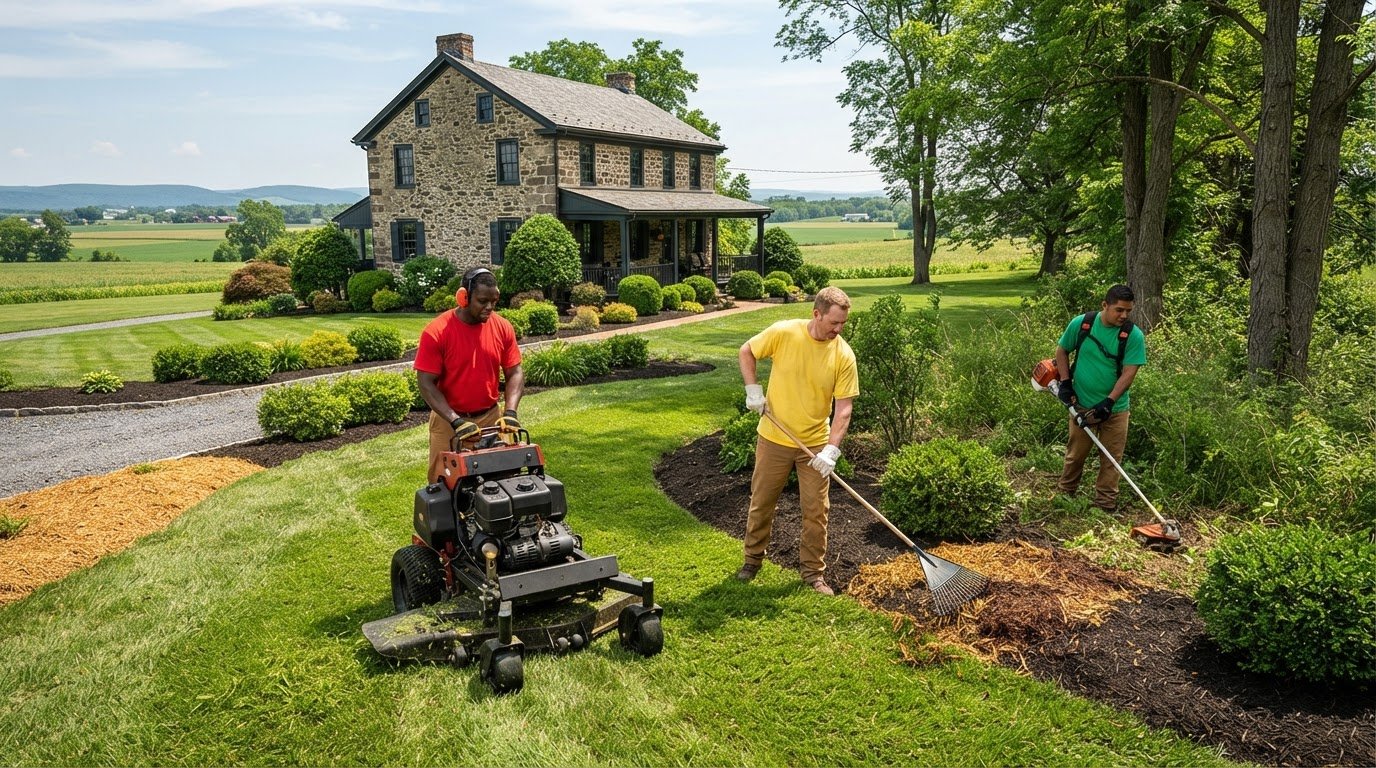
Recurring mowing can suit homeowners who want routine upkeep handled instead of finding time to cut the grass themselves. It can also help commercial properties maintain orderly grounds around buildings and shared-use areas. For HOAs, coordinated lawn maintenance supports consistent care across common spaces such as shared lawns and entrances. Snappy Landscaping’s lawn mowing services include routine cutting and maintenance for residential and commercial properties.
Before planning service, consider the lawn area, obstacles, access, and how the grounds are used. A compact residential lawn has different maintenance demands from broad commercial grounds or an HOA’s shared spaces. Share details such as lawn boundaries, gates, and areas with limited access to help shape a practical routine. Mowing is distinct from seasonal cleanup, mulch installation, and other landscape work, which address different needs.
Weekly mowing versus occasional one-time cutting
Planned repeat visits create a maintenance rhythm. Instead of waiting until grass feels difficult to manage, you can account for mowing as part of regular property care. Occasional one-time cutting may suit a temporary need or a property with limited growth, but the owner remains responsible for monitoring the lawn and arranging each visit. Neither approach suits every yard; growth and site conditions should guide the interval.
Consider what changes through the season. A lawn that grows quickly or sees frequent use may need closer attention than a shaded or less-used area. Weather, access, and the layout of the grounds also affect when mowing is practical. Mowers cut grass mechanically, with different types suited to different uses. The general Lawn mower overview explains the equipment’s basic purpose and history.
- Choose a recurring routine if you want mowing planned as ongoing maintenance.
- Consider occasional cutting if the need is temporary or growth is limited.
- Reassess the interval as the lawn’s growth and property use change.
The goal is a manageable plan, not mowing every property on the same timetable. For Columbia homeowners, commercial sites, and HOA spaces, matching the cutting routine to real conditions helps keep maintenance organized through the growing season. The same principle applies to properties in Lancaster and Mountville.
What a Weekly Lawn Cutting Visit Can and Cannot Cover
Weekly cutting is a focused, repeatable maintenance task: the grass is mowed on a recurring schedule suited to the property. It helps organize routine upkeep, but it is not an all-purpose landscape service. Before service begins, define the scope so you know which areas are included and which needs call for separate work.
Lawn cutting covers recurring mowing; additional landscape work addresses needs beyond cutting the grass. That distinction matters for homeowners, commercial properties, and HOA grounds alike. A weekly lawn cutting service Columbia property owners plan should clearly identify the mowing area and requested work, rather than rely on assumptions about everything that might happen during a visit.
Mowing tasks and property details to discuss
Start by identifying the lawn areas to be cut and how the crew can reach them. Point out gates, narrow access routes, slopes, trees, garden beds, outdoor furniture, and other obstacles that may affect movement around the property. On commercial or HOA grounds, clarify which shared areas are part of the mowing plan and where lawn boundaries meet planting beds, walkways, or neighboring spaces.
These details help establish a practical service plan and reduce confusion about the work. They also give the mowing team a clearer picture of the property’s layout before recurring visits begin. Don’t assume edging, trimming, clipping removal, or other specific tasks are automatically included. State the agreed mowing scope clearly.
When a lawn needs more than regular cutting
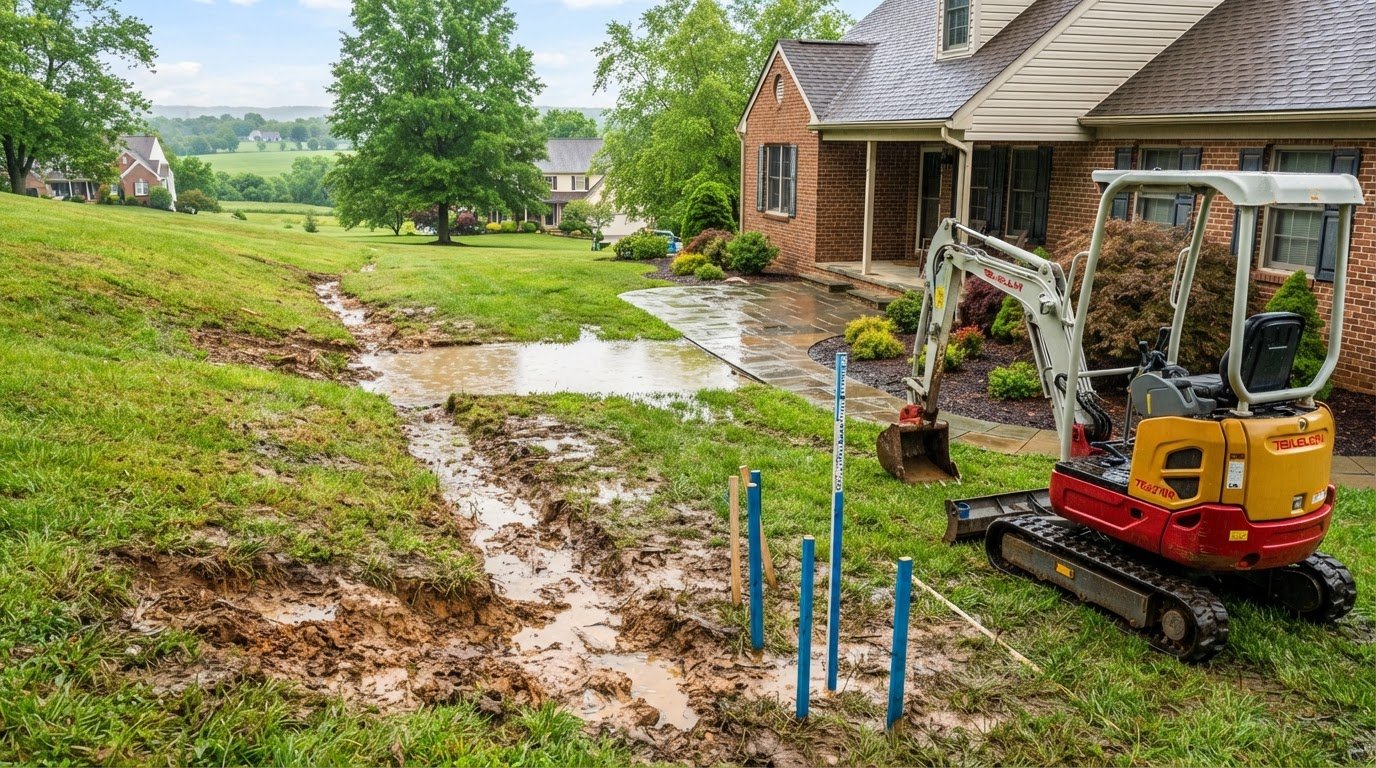
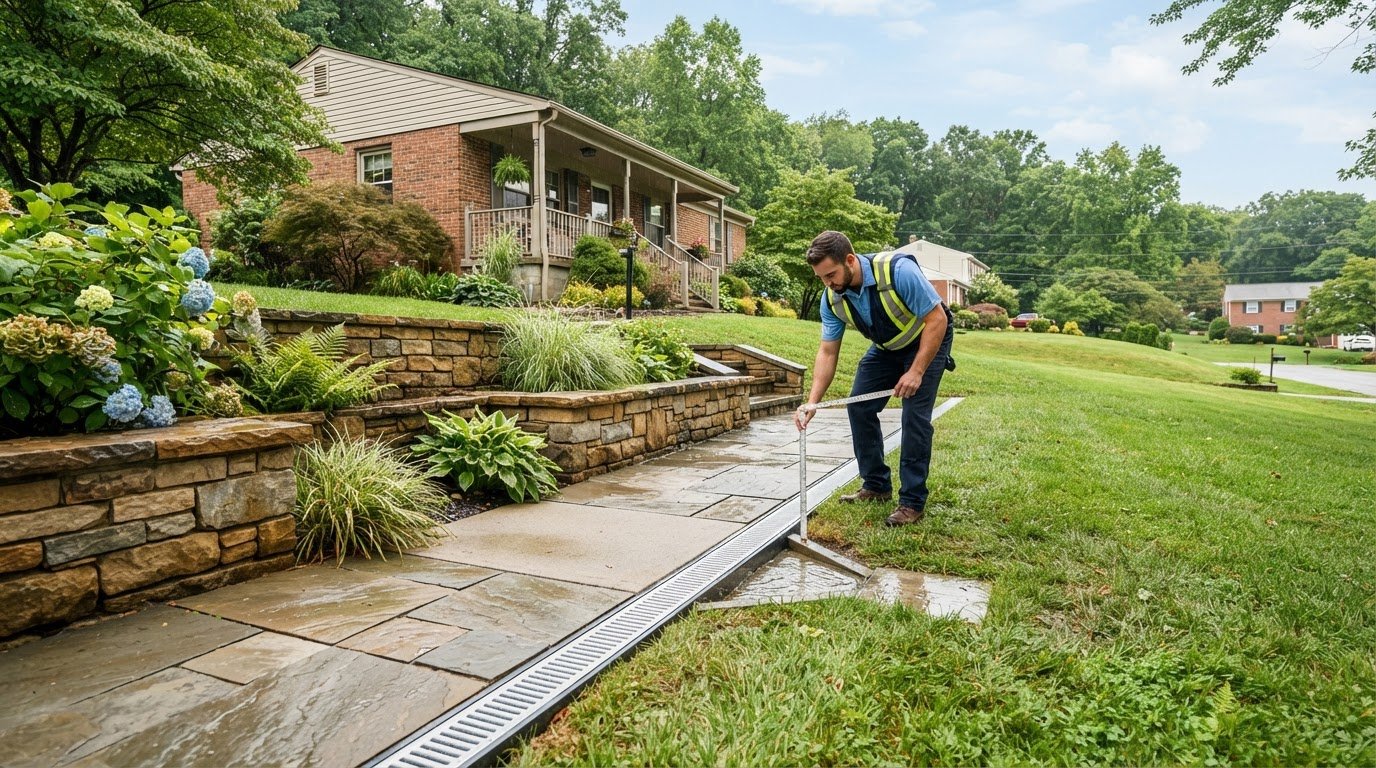
Mowing maintains grass height, but it doesn’t resolve every lawn concern. Bare patches may need attention beyond cutting. Standing water or persistently wet ground may point to a drainage concern, while brush or heavily overgrown areas can call for separate work before routine mowing makes sense. Treat these as distinct needs, not automatic parts of a recurring cutting visit.
Broader lawn care and maintenance can involve needs beyond mowing. Mulch installation and seasonal cleanup are separate landscape tasks, each with its own purpose and scope. Penn State Extension’s Lawn Management through the Seasons offers seasonal guidance on lawn practices and helps distinguish routine mowing from other care considerations.
Before setting up recurring service, make a short property brief. Note the areas to mow, access instructions, visible obstacles, and concerns that may need separate attention. For example, a homeowner might identify a fenced backyard and a bare area near a downspout; an HOA manager might map shared lawns and note a wet spot beside a walkway. Clear details make it easier to define the mowing scope and avoid mistaking additional work for a standard cutting visit.
Weekly, Less Frequent, or As Needed: Choosing a Mowing Rhythm
There’s no single mowing interval that fits every Columbia lawn. Choose a rhythm by considering how quickly the grass is growing, how the property is used, and how much scheduling you want to manage. A weekly lawn cutting service Columbia residents consider should fit those conditions, rather than follow a fixed rule regardless of what’s happening on the ground.
| Mowing rhythm | Consistency | Customer involvement | May suit |
|---|---|---|---|
| Weekly | Regular planned visits | Less need to decide each time grass needs attention | Properties where owners value routine upkeep or growth is active |
| Less frequent | Visits are spaced farther apart | Requires attention to growth between visits | Lawns growing more slowly or properties with lighter use |
| As needed | No recurring interval | Owner monitors conditions and arranges each cut | Temporary needs or properties where mowing is occasional |
When weekly cutting may fit a property
Weekly service can work well if you value regular upkeep and want fewer decisions about when to arrange the next cut. It may also be worth considering during periods of faster growth, when longer gaps can make mowing harder to keep on top of. Growth changes with conditions, and access, layout, and property use still matter. A recurring plan should account for the site rather than assume a fixed local calendar.
For example, a commercial property with grounds that visitors see regularly may prioritize a steady maintenance routine. A homeowner may prefer planned visits over monitoring the lawn and booking each cut separately. In either case, the schedule is a planning choice, not a guarantee of a particular lawn appearance.
When a different schedule may be more practical
If grass grows slowly, the area sees limited use, or the property has changing maintenance needs, less frequent or as-needed cutting may be more practical. Weather can affect how quickly the lawn is ready for mowing, so a useful plan needs room to respond to actual conditions. Weekly cutting isn’t necessary for every yard; review the interval as growth and use change.
Keep the decision grounded in observation. Notice whether the lawn is growing quickly between cuts, whether longer gaps create extra work, and whether the grounds need a consistent appearance for residents, tenants, or customers. These details help distinguish a useful weekly routine from a schedule that doesn’t match the property.
Mowing frequency is one part of lawn care, not a complete maintenance strategy. The EPA’s yard-care guidance also discusses practices such as responsible fertilizer use and watering. Consider those separate needs when planning overall upkeep, and let the mowing rhythm respond to growth, weather, and how the property is used.
How to Prepare for Weekly Lawn Cutting in Columbia
A little preparation makes recurring mowing easier to plan. Before arranging a weekly lawn cutting service, use this checklist to explain the property, clarify priorities, and flag conditions that may affect access or timing. It applies to Columbia homeowners and property managers, as well as sites in Lancaster and Mountville.
Information that helps plan a recurring service
Gather essential property details before discussing a schedule. Clear notes help define which areas need mowing and what matters most, whether you manage a home, commercial grounds, or a shared HOA property. For shared sites, designate one person to coordinate instructions so service details don’t get lost across multiple contacts.
- Identify the property location. Provide the address and indicate whether the grounds include multiple sections or entrances.
- Map the lawn areas. Note which front, side, back, or shared spaces need cutting, and identify areas that should be excluded.
- Describe access. Share gate locations, entry instructions, narrow routes, or other site details that may affect access to the lawn.
- Flag obstacles and conditions. Mention trees, garden beds, slopes, outdoor items, bare patches, wet areas, or sections that are currently overgrown.
- Set maintenance priorities. Explain what you want the routine to address and identify separate needs, such as seasonal cleanup or mulch installation, rather than assuming they’re part of mowing.
- Choose a site contact. For an HOA or commercial property, decide who will share instructions and communicate changes to access or priorities.
Weather, growth, and property access
Rain and changing growth can affect when mowing is practical. Wet ground may make access difficult, while faster growth can change how soon a lawn needs attention. Conditions vary, so avoid expecting an exact visit time or assuming weather will never affect the plan. Share relevant site instructions and keep access points clear so the property is easier to reach.
Before a visit, move portable items from the lawn and communicate any changes to gates or access. If a section has become especially wet, newly obstructed, or more overgrown than usual, flag it as a site condition. Clear information helps the service plan account for what’s happening on the ground without assuming every change is part of routine mowing.
Use your checklist to distinguish recurring cutting from other property work. Seasonal cleanup, mulch installation, and broader landscaping address needs beyond mowing and should be identified separately. This makes priorities easier to communicate and keeps the mowing scope clear as the property’s needs change through the season.
For recurring lawn mowing in Columbia, share your property details with Snappy Landscaping to help shape a practical plan.
Arrange Weekly Lawn Cutting with Snappy Landscaping in Columbia
Build a mowing plan around the property, the areas that need attention, and the maintenance rhythm you prefer. Snappy Landscaping provides routine lawn mowing and maintenance for residential and commercial properties in Columbia and elsewhere in Lancaster County, Pennsylvania. Whether you manage a home, commercial grounds, or shared HOA spaces, clear property details help define the work around your site.
A local service for homes, businesses, and shared grounds
For homeowners, recurring cutting can make outdoor upkeep easier to plan around work and household responsibilities. Commercial properties may need regular attention to grounds used by customers, tenants, or staff. HOA properties bring shared lawns and common areas into the maintenance plan, often with a designated person coordinating site details. Snappy Landscaping serves residential and commercial clients and provides HOA lawn maintenance programs in the Lancaster County region, including Columbia, Lancaster, and Mountville.
Weekly mowing is a schedule to discuss, not a promise that every lawn needs the same interval. Growth, weather, property use, and site access can all inform a practical routine. Describe what needs cutting and how you want maintenance handled, then shape the service around those conditions. For a broader look at evaluating a local mowing option, see the Lancaster lawn mowing service guide.
What to include when you get in touch
Share the property location and the specific lawn sections you want maintained. Include access instructions, gates, other site considerations, and your preferred mowing rhythm. If the grounds are shared, identify the person coordinating service details. Also mention separate concerns, such as seasonal cleanup, drainage, or an overgrown area, so they aren’t confused with routine cutting.
A useful description can be simple: “This Columbia property has front and back lawn areas, access through a side gate, and a preference for regular weekly cutting during active growth.” Add details that affect the grounds, such as shared spaces at an HOA or multiple lawn areas at a commercial site. This gives the conversation a clear starting point without assuming a fixed visit time or a particular service scope.
Snappy Landscaping’s weekly lawn cutting service Columbia customers are considering can be planned around the property’s needs and preferred maintenance rhythm. Bring the location, lawn areas, access notes, and priorities together before reaching out. Contact Snappy Landscaping to discuss weekly lawn cutting for your Columbia property.
Set a Lawn Maintenance Plan in Motion
Turn your property’s needs into a clear mowing plan. Decide which lawn areas need regular attention, what maintenance rhythm fits your priorities, and which concerns belong to separate landscape work. With those details ready, it’s easier to plan a weekly lawn cutting service Columbia property owners can build into their routine.
Snappy Landscaping provides routine mowing and maintenance for residential and commercial properties, along with HOA maintenance programs. A clear scope makes upkeep easier to plan and keeps the work aligned with the grounds, rather than relying on last-minute decisions as grass grows.
Before you get in touch, note the property location, areas to mow, access details, and preferred maintenance rhythm. Discuss weekly lawn cutting with Snappy Landscaping to start planning a routine for your property in Columbia, Lancaster, or Mountville.
Frequently Asked Questions
Is weekly lawn mowing necessary in Columbia, PA?
No. Weekly mowing isn’t automatically necessary for every lawn in Columbia, PA. Growth rate, recent weather, grass condition, and property use all influence timing. A weekly lawn cutting service Columbia property owners choose can be a practical option for regular upkeep, especially when they’d rather plan maintenance in advance. Consider the lawn’s conditions and priorities when choosing a recurring rhythm, rather than assuming one schedule suits every property.
Can lawn mowing be done when the grass is wet?
Mowing very wet grass is often less practical because blades may not cut cleanly and equipment traffic can press into soft ground. The effect depends on how saturated the lawn is, its soil, and site conditions, so there isn’t one rule for every property. These conditions should be considered alongside the forecast. If parts of your lawn stay wet after rain, mention them when planning recurring service.
Should I mow my lawn shorter before going on vacation?
Usually, no. An unusually short cut before a trip isn’t a dependable substitute for planned maintenance and can place extra stress on turf. The appropriate cut depends on grass type and current condition, so avoid removing more than the lawn can reasonably tolerate just to delay the next visit. If you’ll be away during active growth, arrange suitable maintenance around your travel dates instead of relying on a drastic cut.
Do I need to be home during a weekly lawn mowing visit?
Not always. Whether you need to be present depends on how the crew can access the lawn and what arrangements have been made for the property. Explain gate or lock instructions, identify any areas that should remain closed, and share relevant site information. For a rental or managed home, coordinate with whoever controls access so the mowing plan doesn’t depend on assumptions about entry.
What happens to grass clippings after lawn mowing?
Clipping handling depends on the agreed service scope and the lawn’s condition, so don’t assume clippings will always be bagged, hauled away, or left in place. A lawn that has grown substantially may create a different cleanup need than a routine cut. State your preference when discussing service details, and distinguish broader debris removal or seasonal cleanup from the mowing request.
Can a lawn mowing service maintain commercial or HOA grounds?
Yes. Snappy Landscaping provides lawn maintenance for residential and commercial clients and offers HOA maintenance programs in Columbia, Lancaster, and Mountville. Shared grounds may include several lawn sections, entrances, or common areas, so identify which spaces need attention and who will coordinate access and instructions. Describe the site’s priorities to frame a practical maintenance plan without assuming a particular schedule or included task.
Does weekly lawn cutting include trimming, mulch, or seasonal cleanup?
Not automatically. A mowing visit focuses on cutting the lawn, while trimming, mulch installation, and seasonal cleanup are separate scope questions. The agreed service plan determines which tasks are included, so outline each need rather than assuming it comes with recurring cutting. If beds need fresh mulch or leaves need clearing, mention that separately when describing the property’s maintenance priorities.