
A garden bed should suit the property, not fight it. Garden bed design in Lancaster, PA, might use perennial borders for recurring color, pollinator plantings to attract beneficial insects, or terraced beds with retaining walls to make a slope more usable. The right layout depends on the site’s grade, drainage, sunlight, and how you want to use the space.
It’s easy to focus on flowers and overlook the practical details that make a garden bed work. This guide covers layout examples, plant choices, and placement, then explains how design and installation come together. You’ll also find ideas for sloped yards, drainage concerns, privacy, and outdoor living areas, with local context for Lancaster, Columbia, and Mountville. Use these examples to plan a bed that adds order and interest while fitting your property’s conditions.
Landscape design and installation process
Start with the site, then shape the garden around its grade, drainage, sunlight, and purpose. A custom landscape plan can connect planting beds with patios, walkways, and outdoor gathering areas. In a Lancaster backyard, the homeowners wanted a cigar patio, dining patio, entertainment area, and fire-pit zone. Each needed a clear role and a practical relationship to the others.
What is the average cost to install a garden bed in Lancaster, PA? Pricing varies based on the property, project scope, materials, and maintenance requirements. Snappy Landscaping provides a free estimate for every project, with pricing based on the work involved.
For small yards, popular raised-bed layouts include a single rectangular bed along a fence, parallel beds with a narrow path, or an L-shaped bed in a corner. Choose the arrangement that preserves circulation and leaves room for the intended plants. For example, raised beds can hold vegetables, herbs, and flowers, as at Lancaster’s Art Garden in a 2022 community gardening effort.
- Assess the property. Note slopes, wet areas, existing structures, and views from the house. Lancaster’s historic estate had a backyard that rose about two feet above the rest of the property.
- Set priorities. Decide whether the bed should screen a view, define a patio, manage a slope, or add seasonal color.
- Plan the installation. Coordinate grading, retaining features, paths, and planting locations before placing soil and plants.
Sloped Lancaster backyard
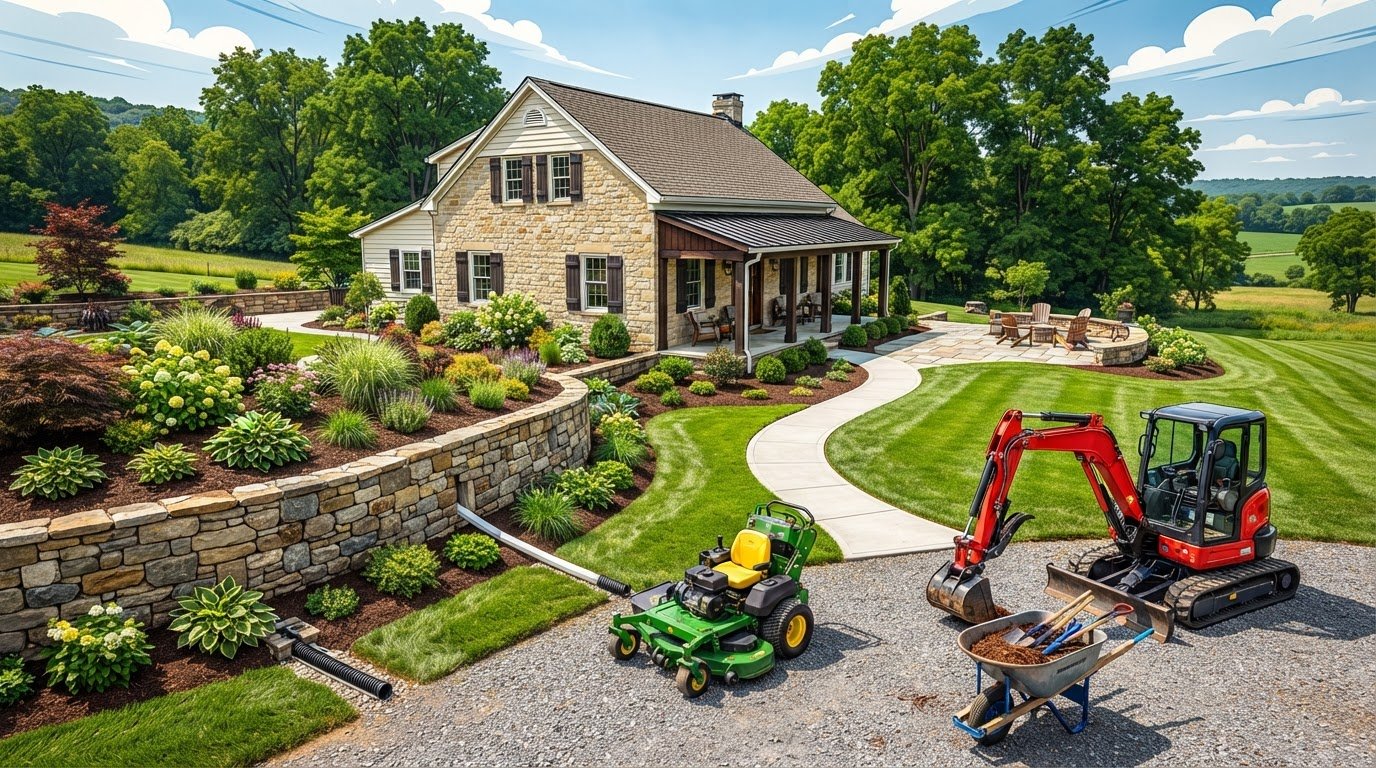
Situation: The homeowners wanted distinct outdoor areas and privacy while seated near the fire pit. The rising backyard and driveway shaped the design challenge. Action: The project reshaped the driveway, then installed trees and raised beds to screen the fire-pit area. A retaining wall created usable space beside the historic carriage house, while flagstone and pea gravel complemented the home’s stone. Perennials softened the hardscape. Result: The yard gained defined gathering areas, more usable space, and a visual screen around the fire-pit zone.
Planning for a senior living campus
Senior living campus landscape design starts with the way residents use shared outdoor spaces. Garden Spot Village in Earl Township is a 220-acre continuing care community. Its common green in Sycamore Springs serves as a neighborhood hub for events and social activities. That example points to a practical planning step: place planting beds where they support gathering areas without obstructing routes or activity. Meadow View, a 40-bed memory care community on approximately 8 acres, offers another distinct campus context. A custom plan should match each space’s function, surrounding buildings, and circulation needs.
Keep the sequence clear: assess, plan, prepare, then install. For a patio or walkway beside garden beds, coordinate the hardscape with the planting layout. This prevents paths from cutting through planting zones and helps the finished landscape function as one connected outdoor space.
Rock gardens can combine arranged rocks with drought-resistant plants to create a low-maintenance landscape. In 2014, a permanent art installation at the Art Garden in Lancaster, Pennsylvania, took the form of a 60-foot sculpture called Create/Influence. Garden Spot Village has 315 independent living homes in Earl Township, Lancaster County, Pennsylvania.
Plant selection and placement
Choose plants to match each bed’s sunlight, moisture, soil, and purpose. A native planting garden uses species native to the area, supporting the local ecosystem while fitting local growing conditions. Group plants with similar needs, and place taller varieties where they won’t shade shorter ones. Plan for mature width, not just the space each plant occupies when installed.
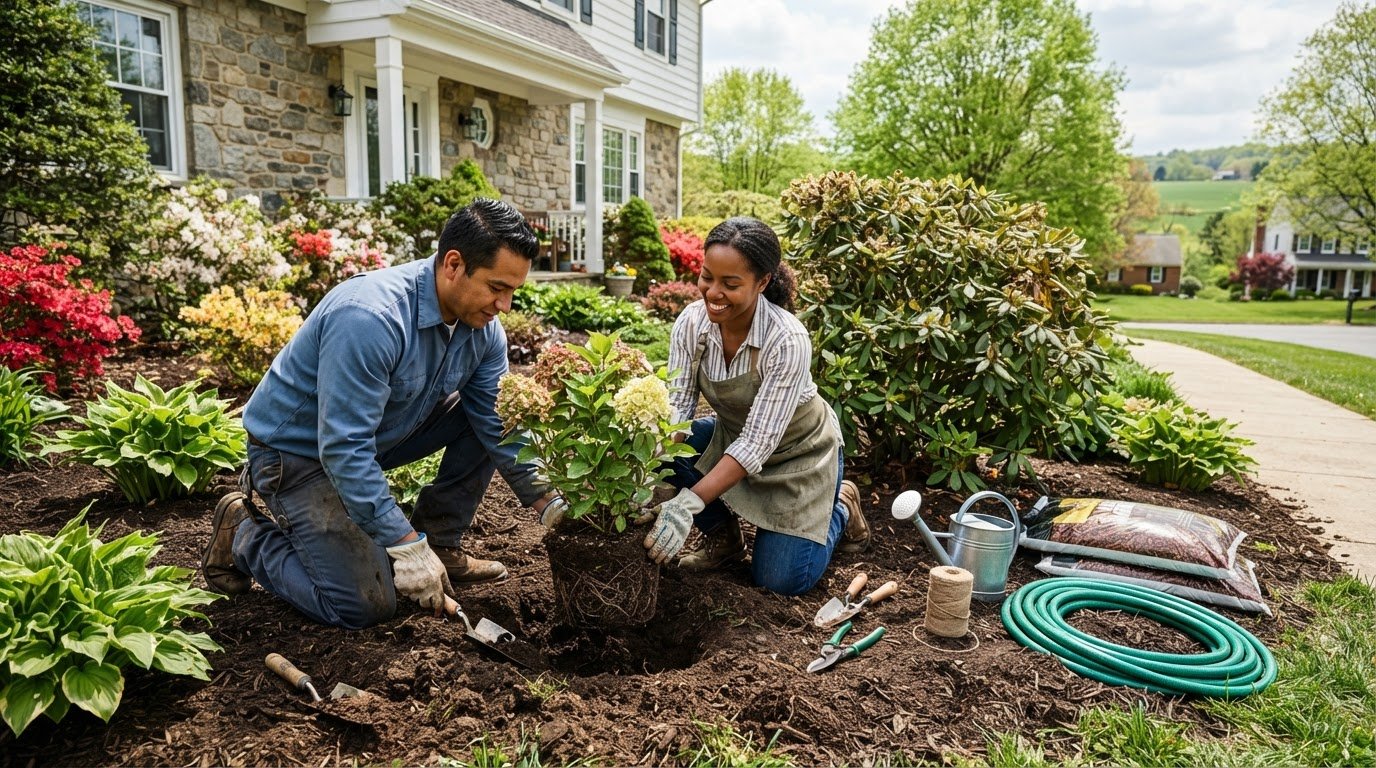
Perennials return each year, so they can anchor a bed and reduce spring replanting. Use them for structure, then add annual flowers or vegetables where seasonal changes suit your plan. Lancaster backyard designs have used perennials to add color and soften stone. For a similar effect, place flowering plants beside hardscape edges, keeping paths clear and allowing room for growth.
Example: A sunny, square bed near a patio needs color without blocking the view. Layer low-growing plants at the front and taller ones behind. Group plants by light and water needs, and leave room to reach them for maintenance. The result is an attractive, easy-to-read arrangement that preserves the patio’s sightline.
Are permits or HOA approvals required for garden beds in Lancaster County? Requirements depend on the municipality, property conditions, and association rules. Before building, review local requirements and HOA covenants, especially if the bed changes grading, drainage, or shared-property areas.
What materials are best for raised garden beds, and how much do they cost in Lancaster, PA? Untreated, durable lumber and stone are common choices; select materials based on longevity, appearance, and intended use. Material cost depends on the bed’s dimensions, material choice, soil volume, and hardware.
When should you plant vegetables and flowers in Lancaster County, Pennsylvania? Time planting according to each plant’s cold tolerance and the season listed on its seed packet or plant label. Sow cool-season vegetables earlier than heat-loving crops, and wait until frost risk has passed for tender flowers and vegetables.
What soil mix and amendments work best for Lancaster County garden beds? Use well-draining soil with enough organic matter to support roots, then tailor amendments to the existing soil and intended plants. A vegetable bed and a dry rock garden have different moisture needs, so don’t use one mix for every planting area.
How can you protect garden beds in Lancaster, PA, from deer, rabbits, weeds, and heavy rain? Use fencing or mesh to deter browsing, remove weeds before they seed, and direct runoff away from planted areas. For heavy rain, keep soil covered with mulch and avoid placing beds where water naturally collects.
Finish by checking plant spacing against mature size and access needs. Keep a clear route between beds, patios, and walkways; a concrete walkway can provide firm access without cutting through planting areas. Review the layout from the house and outdoor seating before planting, then adjust placements that block views or interrupt movement.
Garden design service area
Lancaster County properties need plans shaped around each site, not a standard bed template. A compact Lancaster City yard may need narrow beds that preserve walking space. A larger property can accommodate wider borders, screening plants, or several planting zones. Grade, drainage, access, and intended use determine what fits. Map those conditions before choosing materials or setting bed edges.
Where can you buy garden bed soil, lumber, plants, or installation services near Lancaster, PA? Local garden centers and nurseries sell plants and soil, while building-material suppliers carry lumber and related materials. For installation, Snappy Landscaping provides landscaping services for properties in Lancaster, Columbia, Mountville, and communities across Lancaster County.
Make a simple location-based plan before choosing a bed layout. Mark the property boundary, entry points, existing paths, and areas that collect runoff. Note where equipment and materials can reach the work area, too. A narrow side yard, for example, may need hand-carried materials and a compact layout. A more open site can accommodate wider beds beside an outdoor gathering area.
- Urban lots: Keep beds close to walls or fences without blocking doors, paths, or access to utilities.
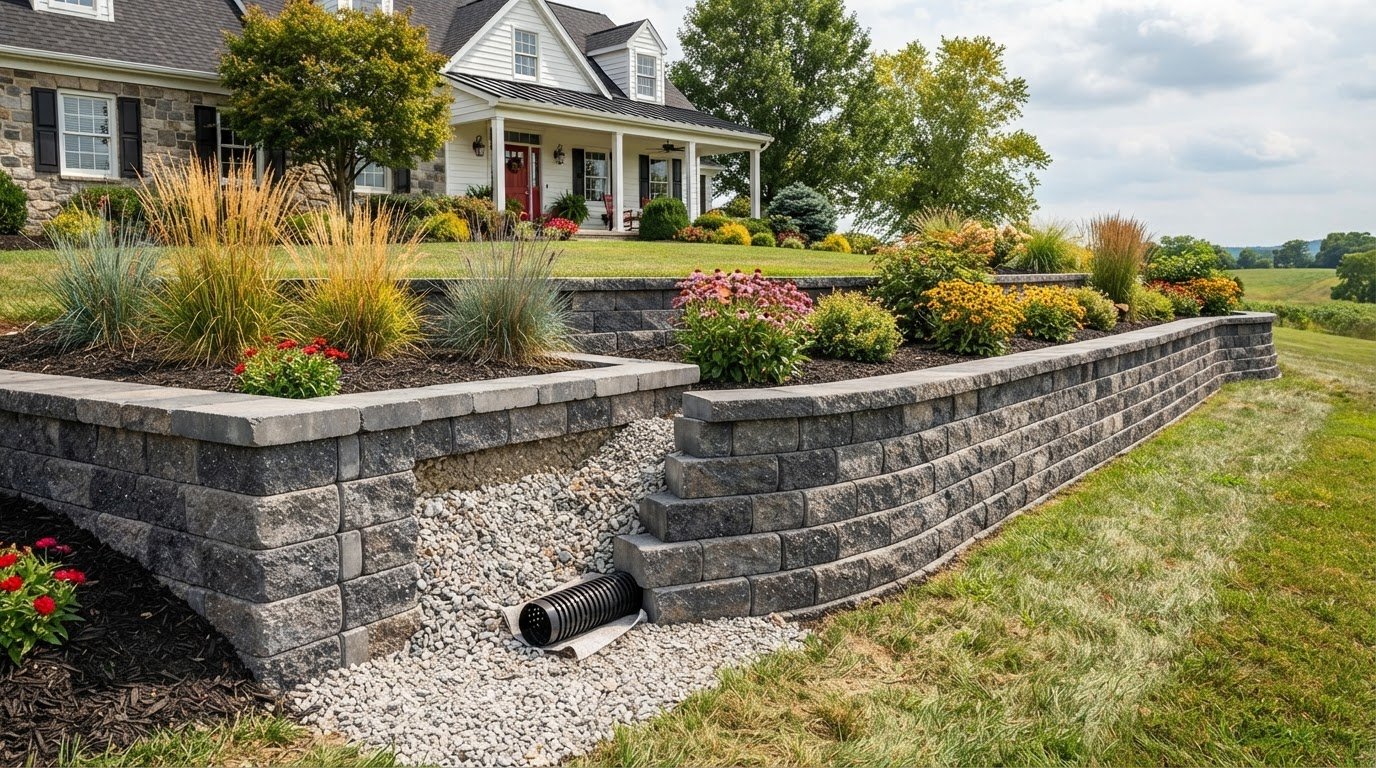
- Sloped yards: Match bed placement to the grade; terraced sections can use retaining walls and suitable planting.
- Open properties: Use beds to define transitions between lawn, gathering areas, and other landscape features.
Drainage should guide garden bed placement across Lancaster County. Rain gardens are designed to capture and repurpose rainwater, so they suit a plan that accounts for runoff. Avoid placing a new bed where water already pools unless the design addresses that flow. Identify the direction water travels, then position planting areas and paths to work with the site rather than interrupting drainage.
Compare garden bed projects by the work involved, not just by location. The scope may include layout, soil preparation, edging, planting, and cleanup. Snappy Landscaping provides a clear estimate for the planned work, giving you a practical way to understand the scope, whether you need a small planting bed or a broader landscape refresh.
For example, a Lancaster County home with a sloped side yard may need a different plan from a level city lot. The challenge is a narrow planting zone with runoff crossing its lower edge. Map the grade, preserve a clear route, and position beds where water can be managed. This results in a layout suited to the property’s access and drainage conditions.
Before work begins, confirm the bed boundaries, intended plants, material staging area, and access route. These details help organize a project, whether the site is a Lancaster City yard or a larger county property. A clear site plan also connects garden beds with nearby paths and outdoor spaces without crowding either.
The result is a layout that reflects intended use as well as site conditions. In one project, the homeowners wanted a pergola over the dining area created beside the carriage house. The Art Garden in Lancaster City was proposed as a greenspace for a 12,000-square-foot area, showing how planning can also address shared green space.
Benefits of professional garden design
Professional garden bed design in Lancaster, PA, starts with the property’s layout and intended use. A plan connects planting areas with paths, patios, drainage routes, and existing structures. That coordination helps prevent a new bed from narrowing a walkway or directing runoff toward a patio. It also gives each outdoor space a clear purpose before installation begins.
Planning brings the work sequence into focus. The design can identify bed edges, access routes, soil preparation, and construction needs. If a walkway crosses a proposed planting area, for example, adjust the bed or route before materials arrive. Concrete pads and walkways can also be coordinated with planting zones to provide practical, defined access.
- Clear priorities: Define whether a bed should frame an entry, screen a view, or shape a seating area.
- Site fit: Place planting according to grade, drainage, sunlight, and access conditions.
- Work sequence: Coordinate grading, hardscape, soil preparation, and planting in a sensible order.
Consider a Lancaster property where runoff crosses a planned bed before reaching a patio. The challenge is water movement, not just plant choice. Map the flow and position the bed without blocking drainage. The result is a layout that considers planting and patio use together. Lancaster patio projects have involved grading and drainage concerns, so these details are useful to address during design.
Professional planning can connect separate outdoor spaces. A planting bed can define the boundary between lawn and seating, soften a hardscape edge, or guide movement toward an entry. In a compact yard, the plan can preserve a walking route while making the planting area feel intentional. On a larger property, it can organize separate zones without isolating them.
Include maintenance access in the design. Place beds where you can reach them for pruning, weeding, and mulch application. Keep growth clear of paths and doors, and leave workable access to the back of each border. These choices make routine care easier as plants mature. For garden bed design in Lancaster, PA, planning for mature plant size and access helps prevent crowded edges and obstructed routes.
Before installation, review the layout from the house, the main walking route, and nearby seating. Check that bed edges, access, and drainage support the same purpose. This final review connects your vision to a usable landscape. A professional plan can align those decisions before work transforms the property.
What garden bed designs work best in Lancaster, PA's climate and USDA hardiness zone?
Choose a garden bed for plant hardiness, sunlight, and soil moisture, not appearance alone. Use the USDA hardiness-zone information on plant labels to screen choices for winter suitability. Then compare the bed’s actual conditions: a sunny wall, an open lawn, and a shaded foundation can support different plants on the same property. Lancaster’s local climate is only part of the decision. Exposure and drainage also shape what thrives in each bed.
Match the design to the site. A dry, sunny slope can suit a rock garden with drought-resistant plants, while a low area may call for a rain garden designed to capture and repurpose runoff. These layouts are not interchangeable: a rock garden suits low-water planting, while a rain garden is planned around water movement. Let the bed’s purpose guide plant selection and placement.
- Exposed, sunny sites: Consider drought-resistant plants and a rock-based layout where soil drains readily.
- Areas receiving runoff: Plan a rain garden to collect water rather than sending it across paths or patios.
- Mixed light: Separate plants by sun exposure instead of filling the entire bed with one choice.
Seasonal structure matters, too. A perennial border can provide recurring color, while pollinator plantings add flowers selected to attract bees, butterflies, and other beneficial pollinators. For a long-running display, arrange plants by mature height and bloom period. Place taller varieties behind shorter ones, and keep paths clear for maintenance. This keeps the bed legible as plants grow instead of crowding the front.
Consider a sunny Lancaster yard where the homeowner wants color without frequent watering. The site is an exposed bed with dry soil and a clear view from the patio. Group drought-resistant plants with similar needs and use rock as part of the layout. The result is a low-water garden suited to the site, rather than a thirsty planting scheme in a dry location.
Before planting, inspect the bed after rain and during a sunny part of the day. Note where water stands, where it drains, and which areas receive direct light. Compare those observations with each plant’s label. A shaded corner, for example, should not be planned like the open edge of a lawn. Adjusting planting zones within one bed makes the layout more responsive to actual site conditions.
For a climate-aware design, identify site conditions, select plants suited to them, and arrange the plants for access and mature growth. This connects USDA hardiness-zone guidance with what the property actually offers. Bring a site sketch and your planting priorities to the design conversation to shape a garden bed around Lancaster’s conditions.
Snappy Landscaping: Lawn Mowing & Maintenance
Snappy Landscaping helps property owners in Lancaster, Columbia, and Mountville turn garden plans into organized, usable outdoor spaces. Its landscaping services can support the overall property layout. For beds beside slopes or wet areas, retaining wall construction and drainage solutions address those site conditions as part of the plan.
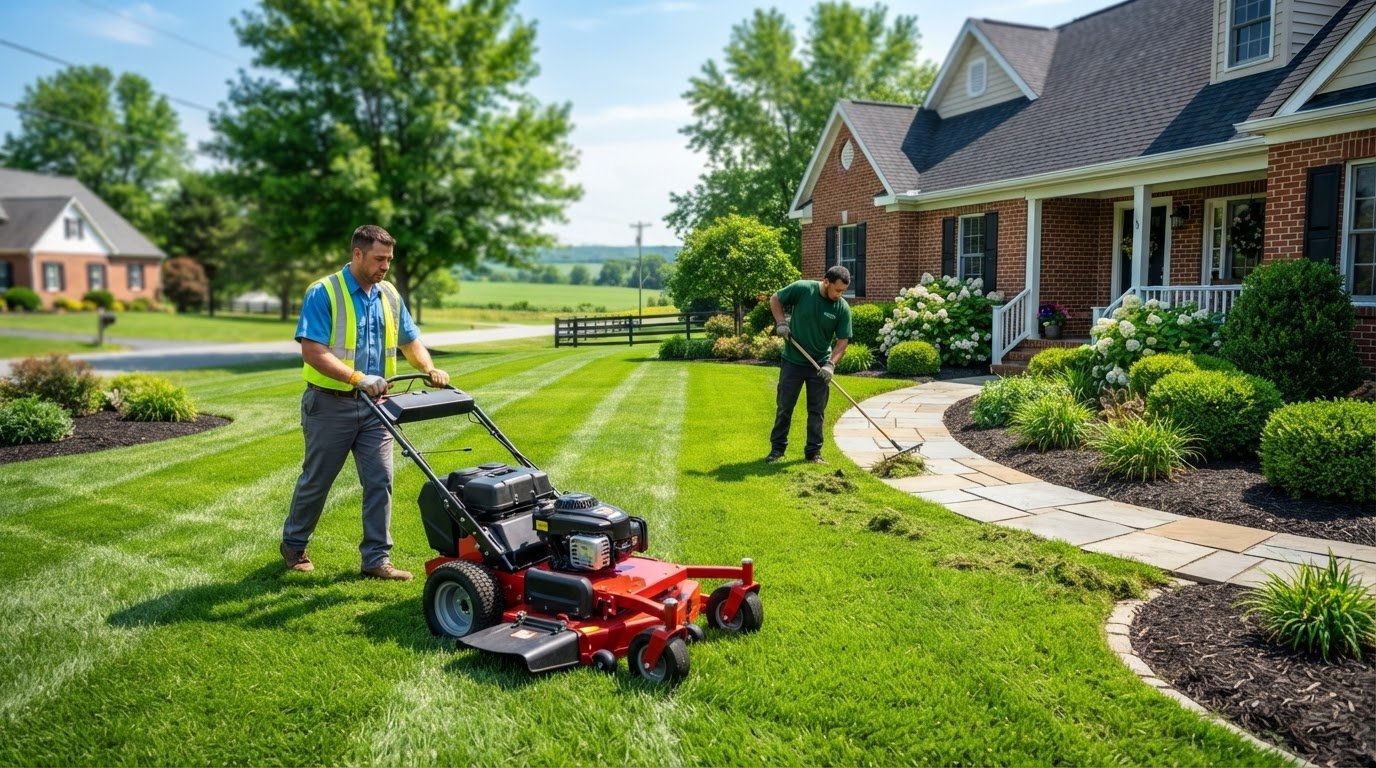
Routine lawn mowing and maintenance keep surrounding turf neat, while mulch installation creates a clean finish around established beds. If your garden design includes a gathering space, custom patio installation can connect planting areas with outdoor living. Choose the work that suits your property, whether you’re planning a new layout or improving existing spaces.
Contact Snappy Landscaping to discuss your garden and landscape project.
Turn your garden plan into a practical next step
Before changing your yard, decide what you want the space to do differently. You might want an easier route to the patio, a clearer boundary between lawn and planting, or a more usable spot on a slope. Write down the change that matters most, then consider how the garden should work alongside your home and outdoor routines.
For garden bed design in Lancaster, PA, Snappy Landscaping can connect planting areas with broader property improvements. Services include Lawn Mowing & Maintenance, Custom Patio Installation, and Retaining Wall Construction. These options can support a landscape plan when lawn upkeep, an outdoor gathering area, or a sloped site is part of the project.
Start with your priorities and the parts of the property that need attention. Contact Snappy Landscaping to discuss your landscape project and take the next step toward a garden that fits your property.