
Is that damaged tree a clear removal case, or could careful trimming address the concern? Tree removal Lancaster County property owners consider should start with the tree’s condition, its proximity to people and structures, and the site itself. A leaning trunk or falling limbs can be worrying, but removal isn’t always the only option.
A safe, responsible plan also accounts for local requirements. Rules vary by municipality in Lancaster County, so check the requirements for your property’s location, especially if the tree is near a street or public right-of-way.
This guide covers signs that may warrant removal, when trimming could be considered, and what to expect from a site assessment and removal process. You’ll also learn how to prepare for access, protect the surrounding area, and check local requirements. Snappy Landscaping provides residential and commercial tree trimming and removal in Lancaster County, including Lancaster, Columbia, and Mountville. A clear scope and practical preparation help you make an informed decision for your property.
Tree Removal in Lancaster County: Signs It May Be Time to Act
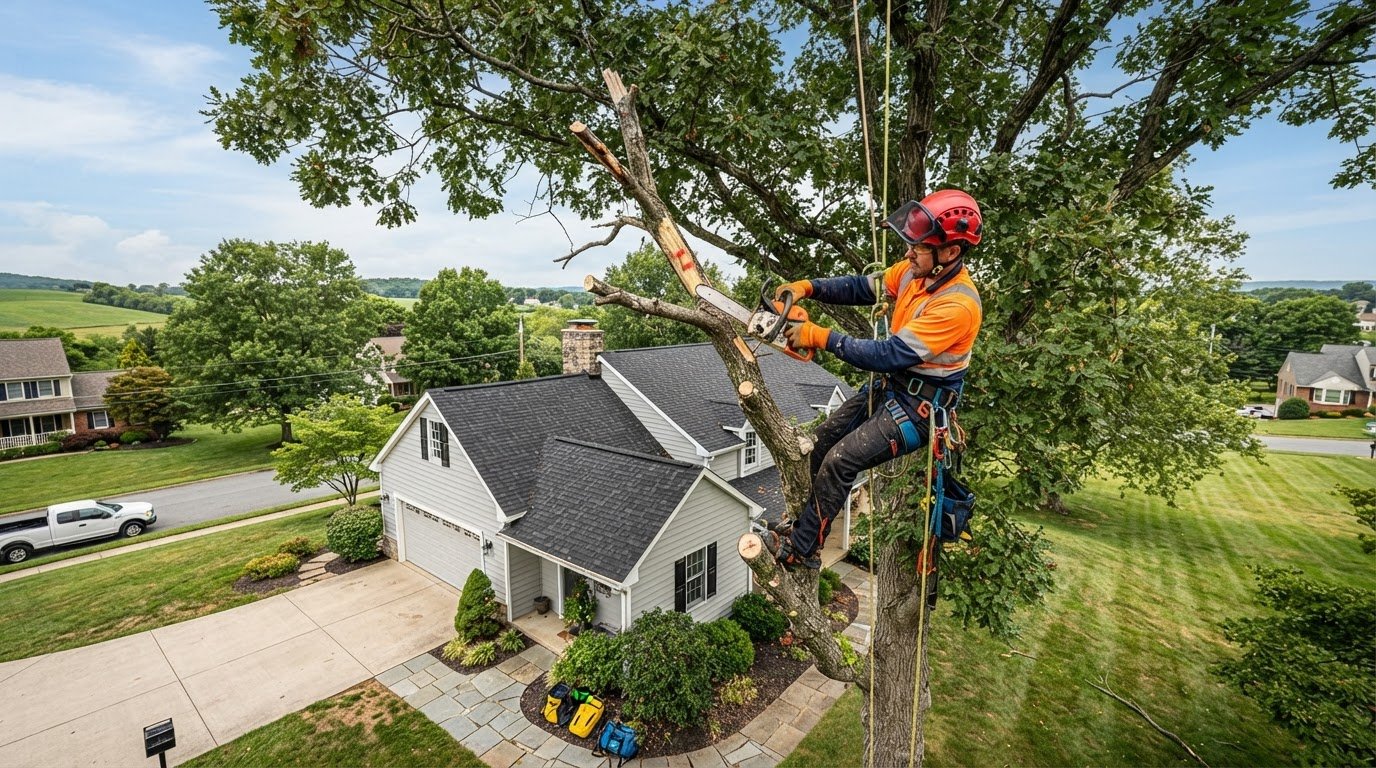
A damaged, declining, or poorly positioned tree can make routine property care more complicated. You might notice dead limbs overhead, a change in the trunk’s lean, or a tree close to your home. These signs are reasons to take a closer look, not proof that removal is necessary. A tree removal Lancaster County assessment should consider the tree’s condition, its surroundings, and how you use the property.
Observe the tree from a safe location. Note visible changes and where they occur, but don’t climb the tree, cut limbs, or base a decision on one symptom alone. A general Tree Removal Overview describes common reasons for removal and related safety considerations, but it can’t determine the right approach for a specific tree on your property.
Which tree conditions deserve a closer assessment?
Look for major visible damage, dead limbs, a noticeable lean, or signs of decline. A broken limb over a walkway or a lean that appears to have changed is useful information to share. One sign alone doesn’t establish the tree’s overall condition or show whether trimming could address the concern. If the area appears immediately hazardous, keep people away and don’t approach the tree.
- Major damage: Note broken sections or visible damage to the trunk.
- Dead limbs: Record where they hang, especially above areas people use.
- Leaning or decline: Describe what you’ve observed and whether it seems to have changed.
When can a tree affect buildings, access, or daily use?
Location affects how tree work is assessed and planned. A tree beside a home, driveway, walkway, or frequently used outdoor area may affect access and the steps needed to protect the surrounding space during work. Proximity alone doesn’t mean removal is required. Consider the tree’s condition, nearby structures, available access, and how the property is used before deciding whether trimming or removal is the practical option.
For example, a limb over a walkway may call for an assessment of that branch and the rest of the tree. A declining tree beside a driveway also raises questions about access and how work could be carried out. Describe the concern, point out nearby structures and frequently used areas, and have the site assessed before settling on a scope.
In short: Major damage, dead limbs, significant leaning, or visible decline warrant a closer assessment, especially when people or property could be affected. Keep clear of an immediate hazard, note what you can observe safely, and arrange a professional review to understand whether trimming or removal makes sense. Snappy Landscaping provides residential and commercial tree removal in Lancaster County, including tree removal services in Lancaster County.
How Professional Tree Removal Works on a Lancaster County Property
Tree removal is a planned property project, not simply cutting down a tree. The tree’s condition matters, as do nearby buildings, access routes, utility lines, and the surrounding landscape. A clear process helps you understand what will happen on site and what the finished scope includes.
For tree removal Lancaster County homeowners can expect the work to move through these stages:
- Assess the site. Review the tree’s condition and its surroundings.
- Define the scope. Specify what will be removed and how branches, trunk sections, and debris will be handled.
- Plan the work. Account for access, nearby features, utility-line concerns, and applicable local procedures.
- Carry out removal. Complete the agreed work with attention to the site and people nearby.
- Review cleanup. Confirm which cleanup tasks are included and what falls outside the agreed scope.
What happens during a site assessment?
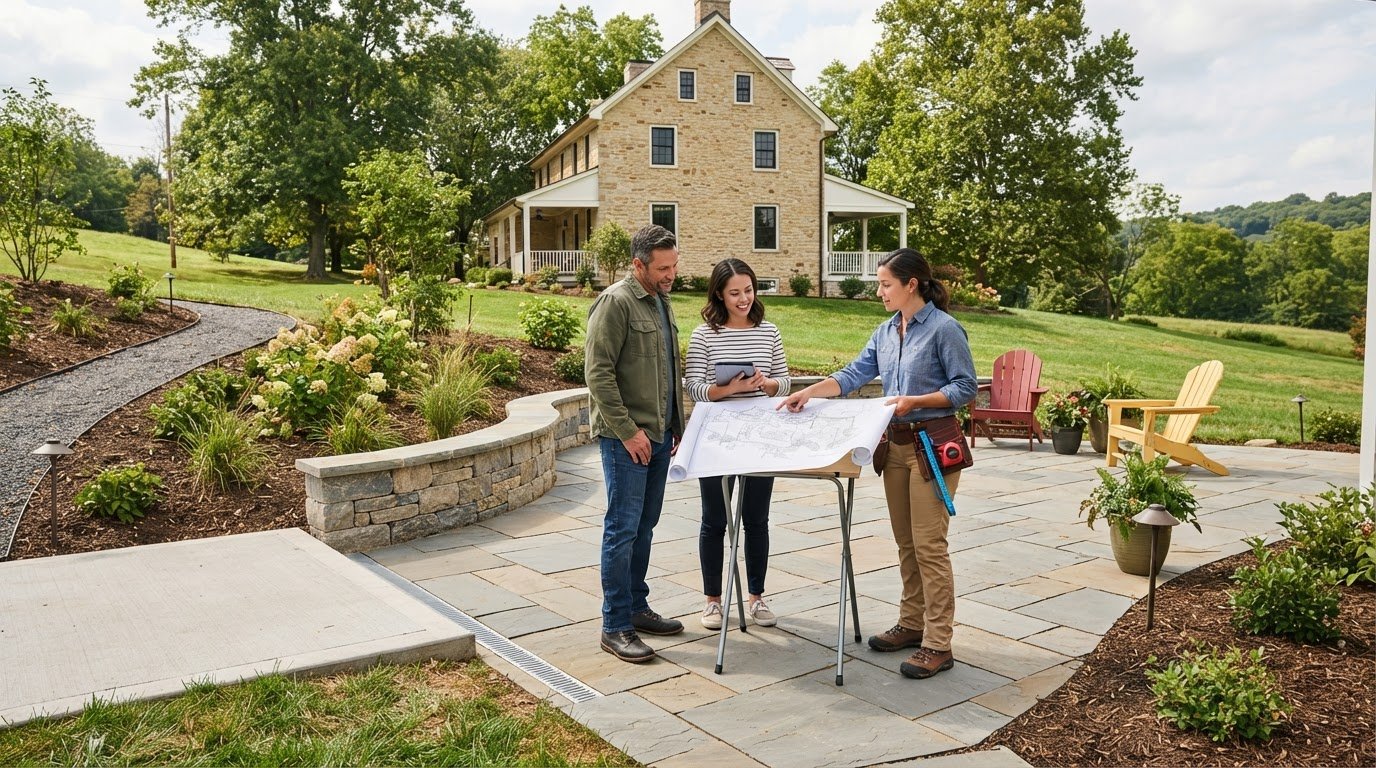
An assessment considers the tree’s condition and location alongside the property around it. A tree near a home, fence, driveway, or garden presents different access and protection needs from one in an open area. The plan should reflect those conditions rather than rely on a one-size-fits-all description. If utility lines are nearby, the work plan should address appropriate coordination and applicable procedures before work proceeds.
A site-specific plan also clarifies what needs protection and where access is needed. The Tree Care Industry Association’s resources provide broader information about tree-care safety and professional practice, but the work plan still needs to match the property.
How should the removal and cleanup scope be understood?
Tree removal and cleanup are related, but they aren’t the same thing. The scope should state what happens to branches and trunk sections, whether debris is hauled away or left in an agreed location, and which cleanup tasks are included. Stump work is a separate scope decision. Don’t assume grinding or stump removal is part of the project unless it’s specified.
Before work begins, review the details and raise practical concerns, such as keeping a driveway or walkway usable where possible. A clear scope gives you a shared reference for the work and cleanup. Snappy Landscaping provides residential and commercial tree removal in Lancaster County, planned around the property and its needs.
In brief: A professional removal project assesses the site, defines what will be removed, plans for access and nearby features, carries out the agreed work, and reviews cleanup. To discuss a tree on your property, share your project details with Snappy Landscaping.
Tree Removal or Trimming? Compare the Right Option for Your Property
A concern about a tree doesn’t always mean the whole tree needs to come down. Trimming addresses selected branches, while removal takes down the tree. The right scope depends on the tree’s condition, its location, and what’s happening around it. Use this comparison to frame the decision, not to diagnose a tree from a distance.
| Option | Purpose | Typical decision context | What to clarify |
|---|---|---|---|
| Trimming | Address selected branches or support routine tree maintenance. | The concern appears limited to particular limbs, or the tree needs maintenance. | Which branches are included, and what concern is the work intended to address? |
| Removal | Take down the tree. | The tree’s condition or position prompts consideration of removing it entirely. | What happens to branches, trunk sections, debris, and the stump? |
When might trimming address the concern?
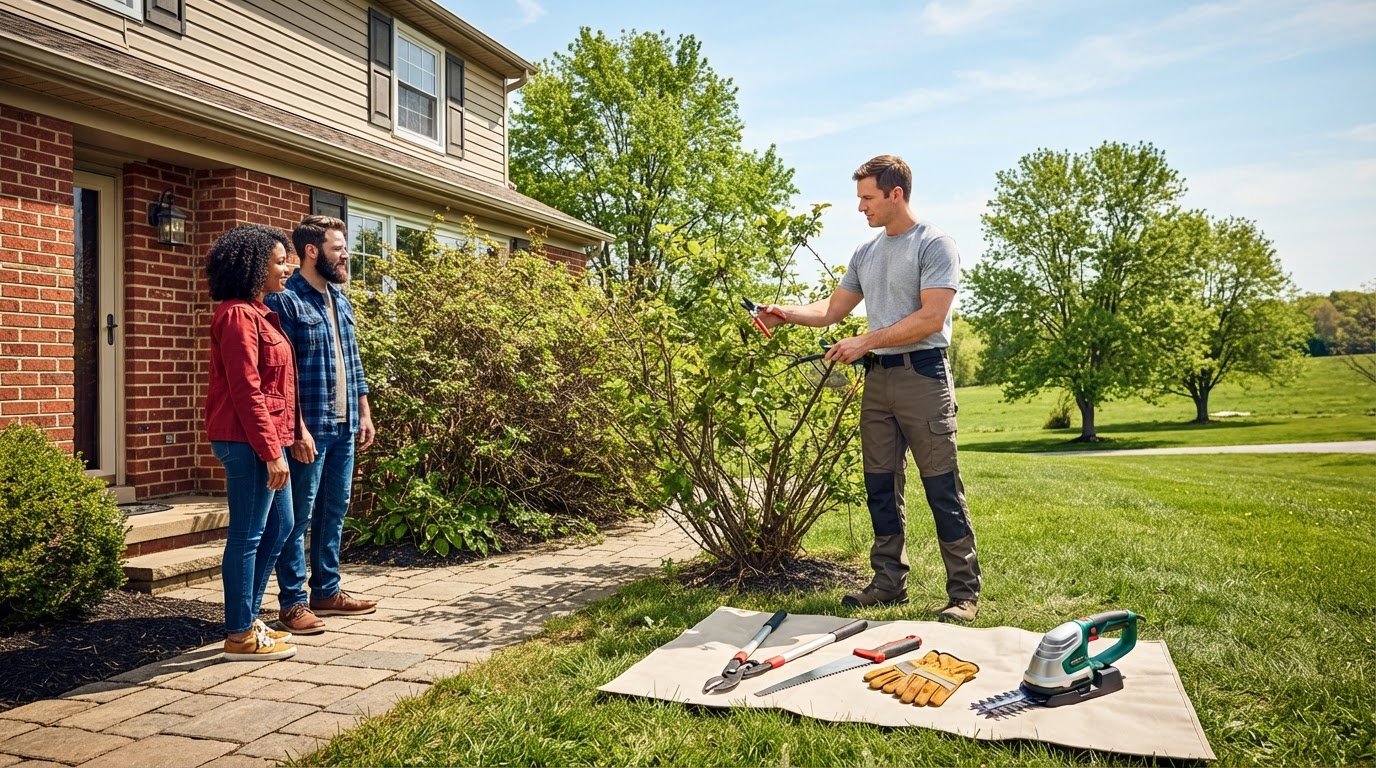
Trimming may be appropriate when the concern involves selected branches or planned tree maintenance. For example, if a limb hangs over a frequently used area, a site assessment can help determine whether branch work belongs in the scope. Trimming won’t necessarily resolve every concern about a tree’s health, structure, or safety. Snappy Landscaping provides professional tree trimming as part of its tree services.
When might removal be the more suitable scope?
Removal may be worth assessing if concerns about the tree’s overall condition or position go beyond selected branches. A tree close to a building or access route, for instance, needs to be considered in relation to both its condition and the surrounding property. Neither proximity nor one visible symptom proves that removal is necessary. An on-site assessment helps determine whether trimming or taking down the tree better fits the situation.
Consider the practical details too: which nearby features need protection, how the work may affect access, and how branches and trunk sections will be handled. Clarify what cleanup is included. Stump grinding or removal is a separate scope question, so don’t assume it’s part of tree removal unless it’s specified.
A useful decision starts with the concern you can observe, then considers the whole tree and its setting. For tree removal Lancaster County property owners should weigh the site, the intended work, and the cleanup scope together. A checklist can help you describe the issue, but it can’t replace a site-specific assessment.
Bottom line: Trimming focuses on selected branches; removal takes down the tree. Describe what you’ve noticed and how the tree affects the property, then use an on-site assessment to clarify the appropriate work and its scope.
Prepare for Tree Removal in Lancaster County: Site, Access, and Local Rules
Preparation can make tree work easier to coordinate and help keep people and belongings clear of the work area. Before work begins, walk the site and note the tree’s surroundings, likely access route, and activities that may need to pause. Share access constraints and other practical concerns with Snappy Landscaping so they can be considered in planning.
What should homeowners prepare before work begins?
Focus on the work area and the route to it. Move vehicles and outdoor belongings away where practical, and plan how household members, pets, and visitors will stay clear during active work. If a driveway, walkway, or frequently used outdoor space is nearby, consider how people can avoid entering the work zone. Follow the agreed access arrangements and keep the route open where possible.
- Access: Clear the agreed route to the work area of movable obstacles.
- Vehicles: Park away from the work area when possible.
- Outdoor belongings: Move furniture, toys, and other items out of the planned work area.
- People and pets: Plan to keep household members, visitors, and animals clear during active work.
- Nearby activity: Consider how normal use of the driveway, walkway, or yard may need to change during the project.
These steps don’t replace the work plan. They help you prepare the property and flag practical issues before work begins.
Which local requirements should Lancaster County residents check?
Don’t assume one rule applies throughout Lancaster County. Tree-work requirements are handled at the municipal level, so check with the city, township, or borough where the property is located. Ask whether the planned work needs approval and whether requirements apply because of the tree’s location or status.
For example, the City of Lancaster requires a permit for work on trees in the public right-of-way, including some trees on private property that extend into or over that right-of-way. The city also has permit requirements for certain protected trees on private property. Whether a rule applies depends on the specific tree and its location, so verify current requirements with the relevant municipal office before work starts.
If the property is in the City of Lancaster, review whether the city’s tree-work requirements or approved-contractor information apply to your project and are current. City rules and listings don’t necessarily apply to properties in other municipalities. Confirm the requirements for your address and planned scope.
For tree removal Lancaster County property owners should prepare both the site and the paperwork: clear access, plan for people and pets, and verify municipal requirements. Once you’ve gathered those details, discuss your Lancaster County tree removal project with Snappy Landscaping.
Tree Removal in Lancaster County with Snappy Landscaping: Plan Your Next Step
A clear next step starts with the property, not an assumption about what the tree needs. Describe what you’ve observed, consider whether the concern involves selected branches or the whole tree, and clarify what work and cleanup you want included. A site-specific review helps shape a practical scope around the tree and its surroundings.
Snappy Landscaping provides residential and commercial tree removal in Lancaster County, including Lancaster, Columbia, and Mountville. Its tree removal services are part of practical property care, with attention to the site and the owner’s needs.
What information helps start a tree removal conversation?
Share enough detail to explain the concern. You don’t need to diagnose the tree. Describe what you’ve noticed and what you’d like addressed, whether you’re considering removal or want to discuss work on a specific tree.
- Property location: Identify the town or municipality and the property address or general location.
- Tree position: Describe where the tree sits, such as near a building, driveway, walkway, or regularly used area.
- Reason for the request: Note visible damage, decline, leaning, dead limbs, or another concern.
- Site considerations: Mention access limitations, nearby structures, and spaces that need to remain usable.
- Desired scope: Say whether you’re considering removal, trimming, or an assessment to help determine the appropriate work.
These details give the conversation a useful starting point. If you can see the tree safely, a photo may help show its position and the surrounding area. Don’t approach a tree or enter an area that appears hazardous to take one.
How does tree removal fit into broader property care?
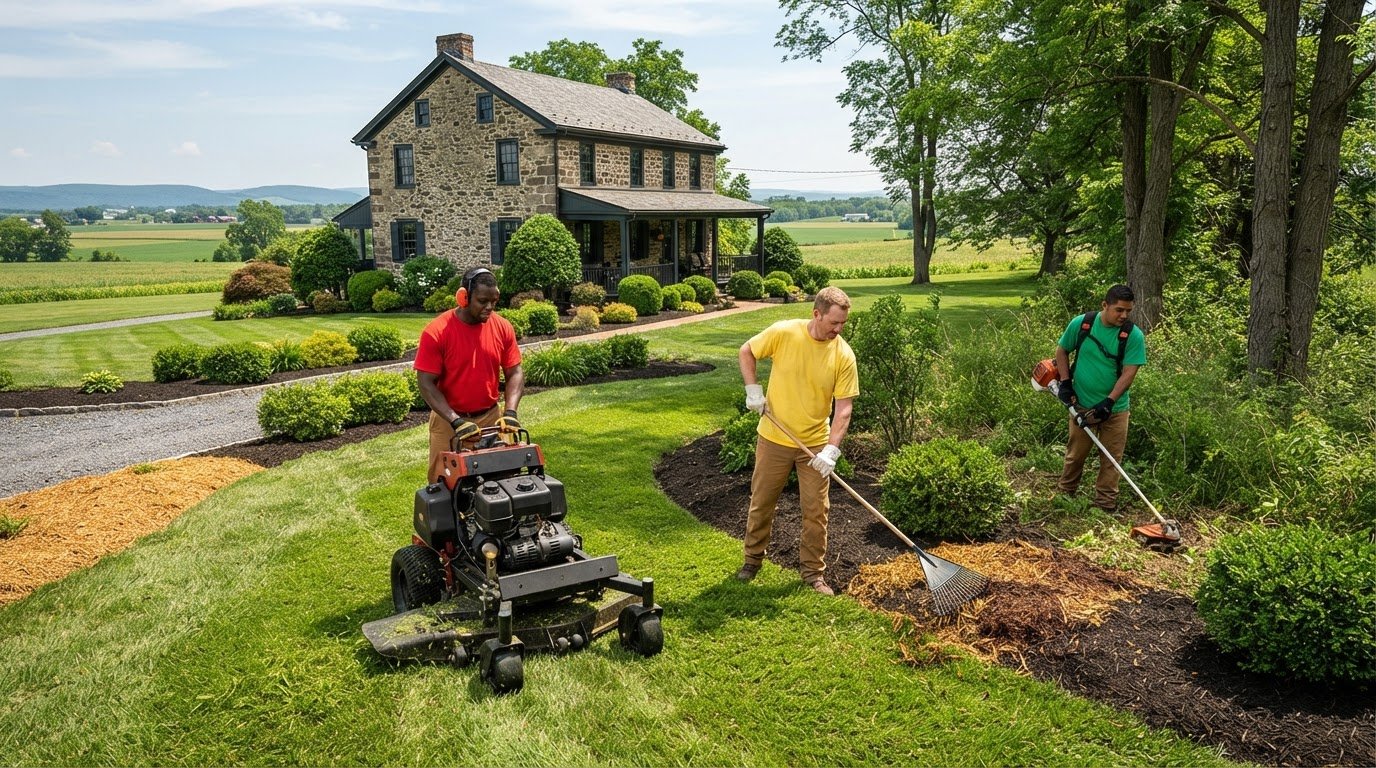
Removing a tree can affect how you use and maintain the surrounding space. Consider the project alongside the property’s landscaping needs, including nearby plantings, access routes, and plans for the area afterward. Tree removal doesn’t automatically include stump grinding, stump removal, or follow-up landscaping, so clarify those needs and the agreed work scope.
Snappy Landscaping serves residential and commercial properties in Lancaster County, including Lancaster, Columbia, and Mountville. Whether the tree is part of a home landscape or a commercial site, consider how the work may affect access and the use of outdoor areas. The aim is to understand the concern, assess the site, and define the requested work without assuming one plan fits every property.
Use the framework from this guide: assess the tree and its surroundings, compare removal with trimming, and clarify what happens to branches, trunk sections, debris, and the stump. Then share your location, concern, and access details to start a focused conversation. Contact Snappy Landscaping about tree removal.
Take the Next Step Toward a Clear Tree Plan
A tree concern doesn’t have to remain an open question. Use what you’ve observed to start a focused conversation about the property and the work you’re considering. You don’t need to settle every detail in advance. A clear description of the issue and your priorities helps move the decision forward.
Snappy Landscaping provides tree removal for residential and commercial properties in Lancaster County, including Lancaster, Columbia, and Mountville. Whether you’re responsible for a home landscape or a commercial site, explain what’s prompting the request, where the tree is, and what you need the work to address.
Thoughtful planning can turn uncertainty into a manageable property decision. If you’re ready to discuss your situation, share your tree removal project details with Snappy Landscaping and take a practical step toward a clear plan.
Frequently Asked Questions
How much does tree removal cost in Lancaster County?
The cost depends on the tree, its location, access, nearby structures, and the agreed scope. A single generic figure won’t account for differences such as removing one tree versus several, or whether branches and trunk sections will be hauled away. Cleanup and stump work may also be separate scope items. Describe the tree and site conditions to discuss the project clearly.
Do I need a permit to remove a tree in Lancaster County, PA?
Permit requirements depend on the property’s municipality and the details of the work. Identify whether the property is in a city, township, or borough, then check with that municipality before work begins. If the property is in the City of Lancaster, review the city’s current tree-work rules and contractor information, and confirm whether they apply to your tree and project.
Can a tree be trimmed instead of removed?
Sometimes. If the concern is limited to a particular branch, trimming may be an option; if it involves the whole tree, removal may also need assessment. A branch extending over a walkway raises a different question from concerns about the overall tree, but neither example determines the right work on its own. Have the tree and its setting assessed before choosing a scope.
What happens if a tree is close to a house or utility lines?
Nearby structures, access, and utility lines can affect how tree work is planned. Keep people away from any area that appears immediately unsafe, and don’t try to cut or move the tree yourself. Utility-line concerns need appropriate coordination under applicable procedures. Point out the lines, buildings, and access limitations during the site review so they can be considered before the work scope is set.
When is the best time of year to remove a tree in Pennsylvania?
There isn’t one best season for every tree or property. Timing can depend on the reason for removal, the tree’s condition, access, weather, and local requirements. Don’t dismiss a safety concern because it arises outside a preferred work season. For planned work, consider how timing may affect property use and check municipal requirements before setting a schedule.
Does tree removal include stump removal and cleanup?
Not automatically. Tree removal, handling branches and trunk sections, site cleanup, and stump grinding or removal can be separate parts of a project scope. If you plan to replant, seed the area, or use the space for another purpose, clarify what will remain after the work. Snappy Landscaping provides tree trimming and removal; stump work should be included in the agreed scope if it’s part of the project.