
For shrub planting and care in Mountville, PA, use local frost dates as a guide, not a fixed schedule. The average last spring frost is May 5, and the average first fall frost is October 5. Plant when the soil and weather suit the shrub, and choose the timing around its needs and the conditions at your site.
It’s easy to focus on the calendar, but soil temperature, drainage, sunlight, and planting location all affect how well a shrub establishes. Hillsides, valleys, and sheltered spots can also create different growing conditions.
Learn how to choose a planting window, prepare the site, and care for shrubs after planting. This guide also covers pruning and practical ways to manage summer drought stress, so you can make informed decisions and keep your landscape in good order.
Maintaining existing trees and shrubs
Keep established trees and shrubs on a seasonal care plan instead of addressing each problem in isolation. In Mountville, match pruning, soil care, and pest monitoring to the plant’s condition and seasonal growth.
Ongoing Maintenance Recommendations
Inspect each tree and shrub for damaged branches, thinning growth, pest activity, and dry soil. Record changes by plant and location, then plan pruning or other care around what you find. A seasonal tree-care program adjusts as plants move through dormancy and active growth. The right step depends on the plant’s condition, the season, and the site.
For example, one program recommends dormant root feeding in fall or early winter, applied by soil injection at 2-3 ounces of fish hydrolysate per gallon of mix. Its spring stress-reducer application uses 1-2 ounces per gallon. These are program rates, not a universal recipe; match any treatment to the product label and the specific plant.
Plant Size and Maintenance Needs
A plant’s mature size determines how much room its branches need, how easily you can reach it for pruning, and how much debris it may produce. Compare a shrub’s mature spread with nearby walkways, building edges, and trees before choosing how to manage it. A crowded planting may need selective pruning, while a shrub that repeatedly outgrows its space may need a different long-term plan.
Maintenance also depends on growth habit and site. Dense shrubs may need more interior thinning than naturally open forms, while trees with low or crossing branches may benefit from targeted structural pruning. Consider the time each plant will take to maintain, not just its current size. This helps keep a Lancaster County landscape orderly without repeated hard cuts.
Prune with a clear purpose. Remove dead, damaged, or crossing growth, and don’t cut simply to force a tree or shrub into an unsuitable shape. Before making larger cuts, identify the branch structure and the plant’s natural form. For example, cutting back every branch of a mature shrub can spoil its outline and create more corrective work later.
Monitor soil moisture during summer droughts. Check the root area, not just the surface, and water slowly when the soil is dry. Newly planted or shallow-rooted shrubs may show stress through wilting or leaf scorch; established trees may develop thinning or early leaf drop. Adjust care to the plant and soil instead of applying the same routine across the landscape.
Seasonal pest care depends on timing. A tree-care program may use horticultural oils at higher rates during winter and early spring dormancy, then lower rates in late spring and early summer to target pests while reducing phytotoxicity risk. Follow the product label and account for plant condition and application timing. Combine monitoring with pruning and moisture checks for a practical tree and shrub care routine.
Summer drought-stress management
During a dry Lancaster County summer, check soil moisture before changing your watering routine. Dry surface soil doesn’t always mean the root zone needs water, so inspect beneath the mulch near the plant. Look for wilting, curled leaves, scorch along leaf edges, or early leaf drop. These symptoms can indicate drought stress, but pests, disease, and root problems can cause similar changes.
Water slowly at the root zone so moisture reaches the soil around the roots instead of running across the surface. Direct a hose or irrigation line toward the soil, not the foliage. Recheck the root area after watering and adjust for soil texture, slope, and exposure. A sunny garden or a bed beside a warm wall may dry faster than a shaded, sheltered spot.
Mulching helps limit moisture loss and reduces competition from weeds. Keep mulch spread over the root area, but leave space around trunks and shrub stems. A thick mound against bark can trap moisture where it shouldn’t collect. For beds that need a refresh, professional mulch installation can help create a more consistent ground cover around trees and shrubs.
Inspect leaves and stems as you water. Note where damage appears, whether it spreads, and whether you see insects, sticky residue, webbing, or unusual spots. For example, leaf spots across several plants may point to a shared moisture or airflow issue, while insects clustered on fresh growth suggest a localized pest problem. Remove fallen diseased leaves and avoid wetting foliage late in the day. These steps help limit conditions that can favor some plant diseases.
Don’t treat every yellow or damaged leaf with fertilizer. First check soil moisture, drainage, and the pattern of affected growth. Nutrient problems and drought stress can look alike, but adding nutrients won’t correct dry roots or compacted soil. A tree-care program recommends 2 ounces of liquid humic acid concentrate with micronutrients per gallon of mix in summer. Treat that as a program rate, not a universal dose; product labels and plant needs guide application.
In southeastern Pennsylvania, seasonal stress-reducer applications typically begin in late April and May. During summer, keep monitoring the root zone and plant condition, especially during extended dry weather. In Lancaster, trees near paved areas may face reflected heat as well as dry soil. Adjust irrigation to the site, and avoid frequent, shallow watering that wets only the surface. Regular checks can help you distinguish water stress from insect or disease damage before choosing a response.
Tree and shrub care in Mountville
Plan care around each plant’s condition, site, and seasonal growth. In Pennsylvania, suitable plant choices and timely maintenance help keep a landscape functional as trees and shrubs mature.
Before digging to plant shrubs in Mountville, locate underground utilities and get the property owner’s consent if you’re planting on land you don’t own. Permit requirements can depend on the planting location and whether the work affects public land or other site features.
Native shrubs suited to Mountville include spicebush, Virginia sweetspire, and serviceberry. Match each choice to available light, soil drainage, mature size, and its intended function, such as screening or seasonal interest.
Seasonal Tree and Shrub Care
Use seasonal inspections to spot dead branches, stressed foliage, pest activity, and changes in soil conditions. A southeastern Pennsylvania care program follows the phenological year, beginning around March and ending around February. It schedules an average of three seasonal high-volume liquid applications per year, in spring, summer, and fall. Plant growth stage and observed condition guide the timing.
Tree and Shrub Planting Services
Start a planting plan with the site, not just the plant’s appearance. Evaluate slope, soil type, hardiness zone, exposure, light, compaction, drainage, available space, and nutrient availability. Consider how the mature plant will fit alongside walkways, buildings, lawn-care routes, and neighboring trees. This preparation helps prevent crowding and makes pruning and maintenance more accessible.
Native Shrub Selection
Choose native shrubs by matching their growing preferences to the specific bed. Spicebush suits a shaded location, while serviceberry may work where a taller shrub fits the available space. Virginia sweetspire is another option. Check mature spread and soil moisture needs before deciding; native status alone doesn’t make a shrub suitable for every Mountville garden.
Prune trees and shrubs to address dead, damaged, or crossing branches while preserving each plant’s natural form. If a tree’s condition or size creates an ongoing problem, assess whether selective pruning can resolve it or removal is more appropriate. Consider nearby structures, access, and the plant’s role in the landscape before deciding. If removing a plant, plan how to use the cleared space and whether replacement planting suits the site.
Coordinate lawn and tree care. Mowing too close to trunks can damage bark, and equipment can compact soil near roots. Maintain a clear buffer around each plant and include routine inspections in your seasonal plan. A record of pruning, visible symptoms, and site changes can help identify patterns and guide the next step.
Tree and shrub planting and pruning
In Pennsylvania, spread mulch over the root zone while keeping it clear of stems, and base fertilizer use on soil and plant needs. Prune with a specific goal, such as removing damaged or crossing branches, while preserving the plant’s natural form.
Before planting outdoors, assess the site and match the plant to its conditions. Soil temperature in your garden is one useful indicator of whether planting conditions are suitable.
Tree and Shrub Planting
Start by evaluating slope, soil type, hardiness zone, exposure, light, compaction, drainage, space, and nutrient availability. Each factor affects whether a tree or shrub can establish and fit the landscape as it matures. Compare the plant’s growth habit and mature size with nearby structures and walkways. Don’t choose by appearance alone; even a beautiful specimen needs a suitable site.
Once you’ve chosen the location, prepare the soil and handle the root ball carefully. Set the plant upright, backfill around the roots, and water the planting area to settle soil into gaps. Keep the trunk flare visible, not buried. Check the plant’s position before finishing, because correcting a tilted shrub is harder after the soil firms.
Ornamental Shrub Pruning
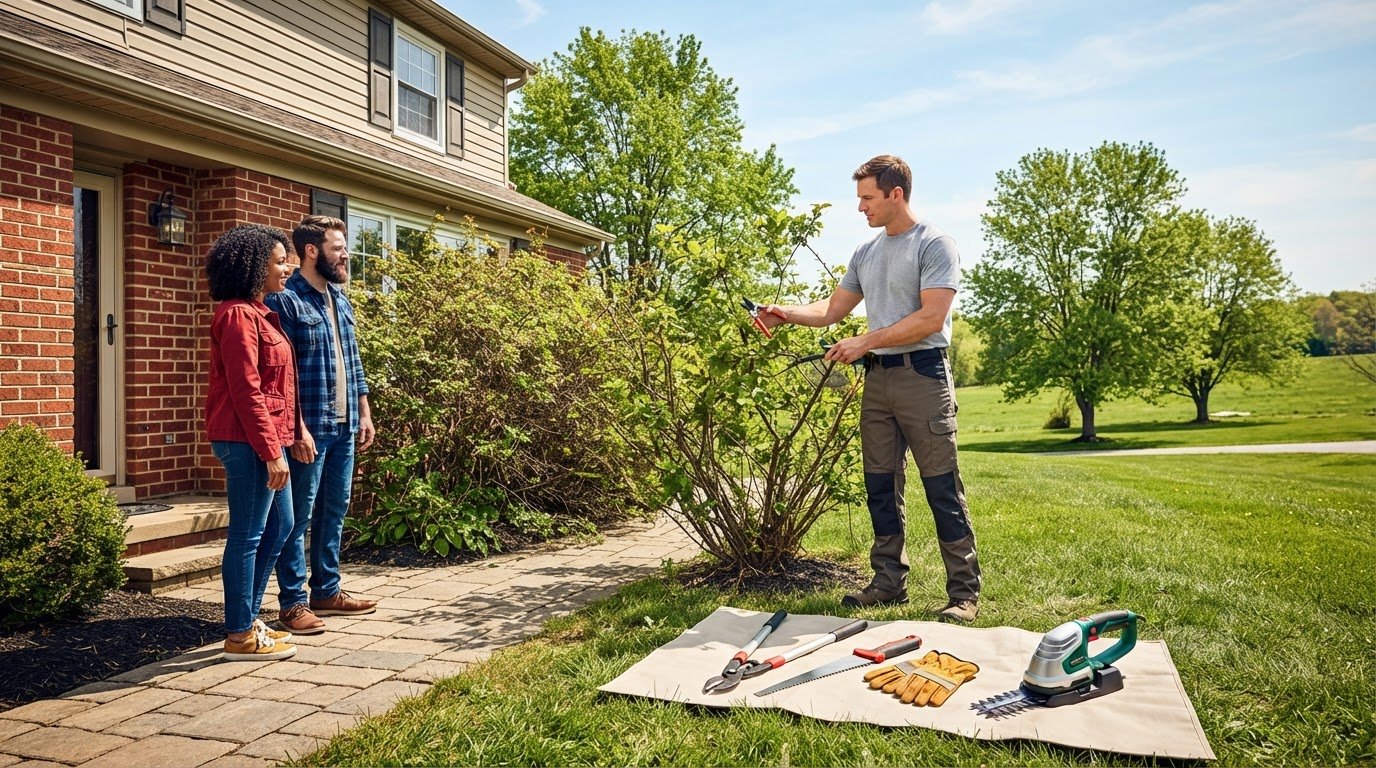
Prune ornamental shrubs to remove dead, damaged, or crossing branches and preserve a healthy, natural outline. First identify the shrub’s branching pattern, then make selective cuts rather than shearing the whole plant into a uniform block. For example, thin crowded interior growth where branches rub. Avoid removing healthy growth without a clear purpose, since repeated hard cuts can leave a shrub misshapen.
Pruning time depends on where a shrub forms flowers and new growth. Observe its flowering cycle before pruning, and avoid cutting off developing buds at the wrong time. Use clean, sharp tools for controlled cuts, and step back between cuts to assess the shape. This measured approach is more reliable than trimming by eye alone.
Mulching and Fertilizing Shrubs
Spread mulch across the root area to moderate soil conditions and reduce weed competition. Keep it away from stems and trunks, where trapped moisture can cause problems. Refresh thin or displaced areas without piling new material over old mulch. A level, open planting bed also makes it easier to inspect the root zone and spot weeds.
Before applying fertilizer, consider soil condition, plant growth, and nutrient availability. More fertilizer won’t correct poor drainage, compacted soil, or drought stress. Follow the product label and apply only when the plant’s needs support it. Pair soil care with selective pruning, then monitor new growth for changes in vigor, leaf color, or branch development.
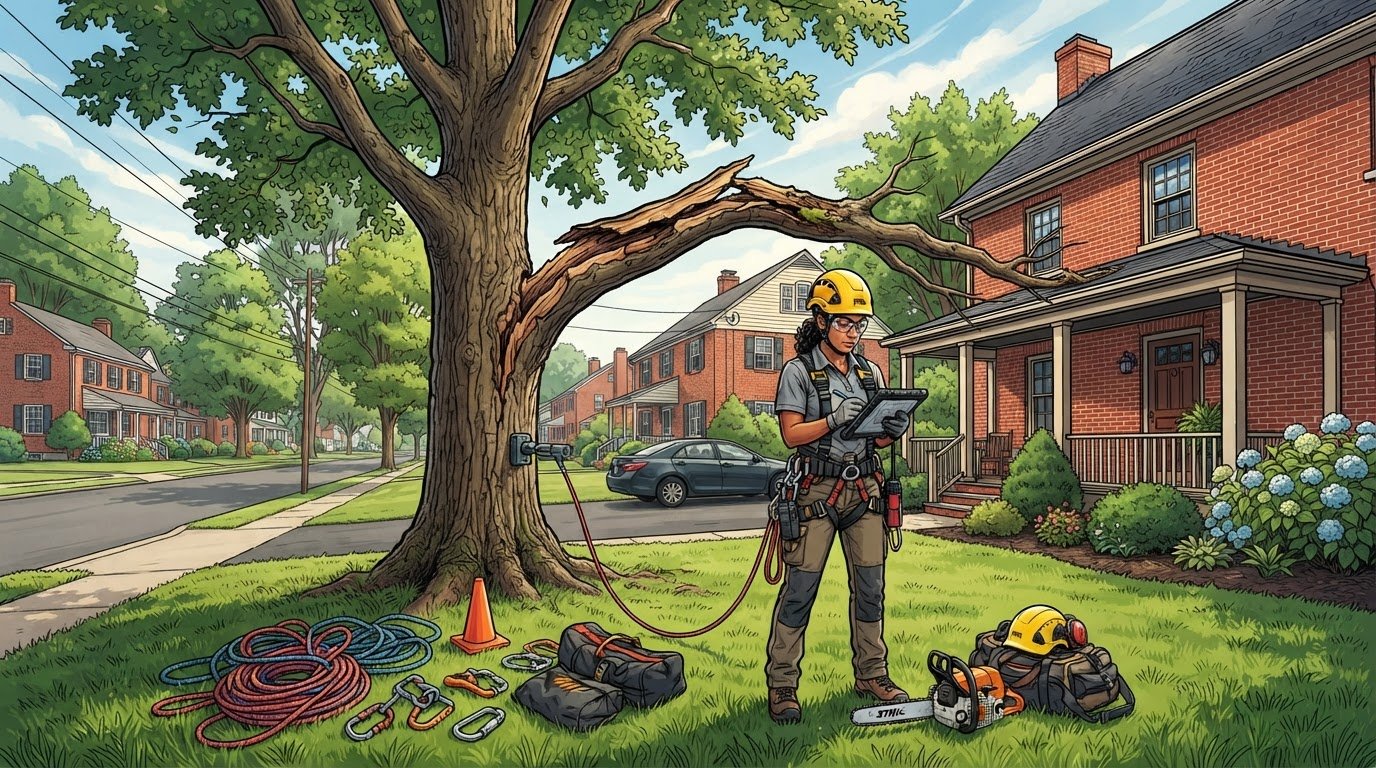
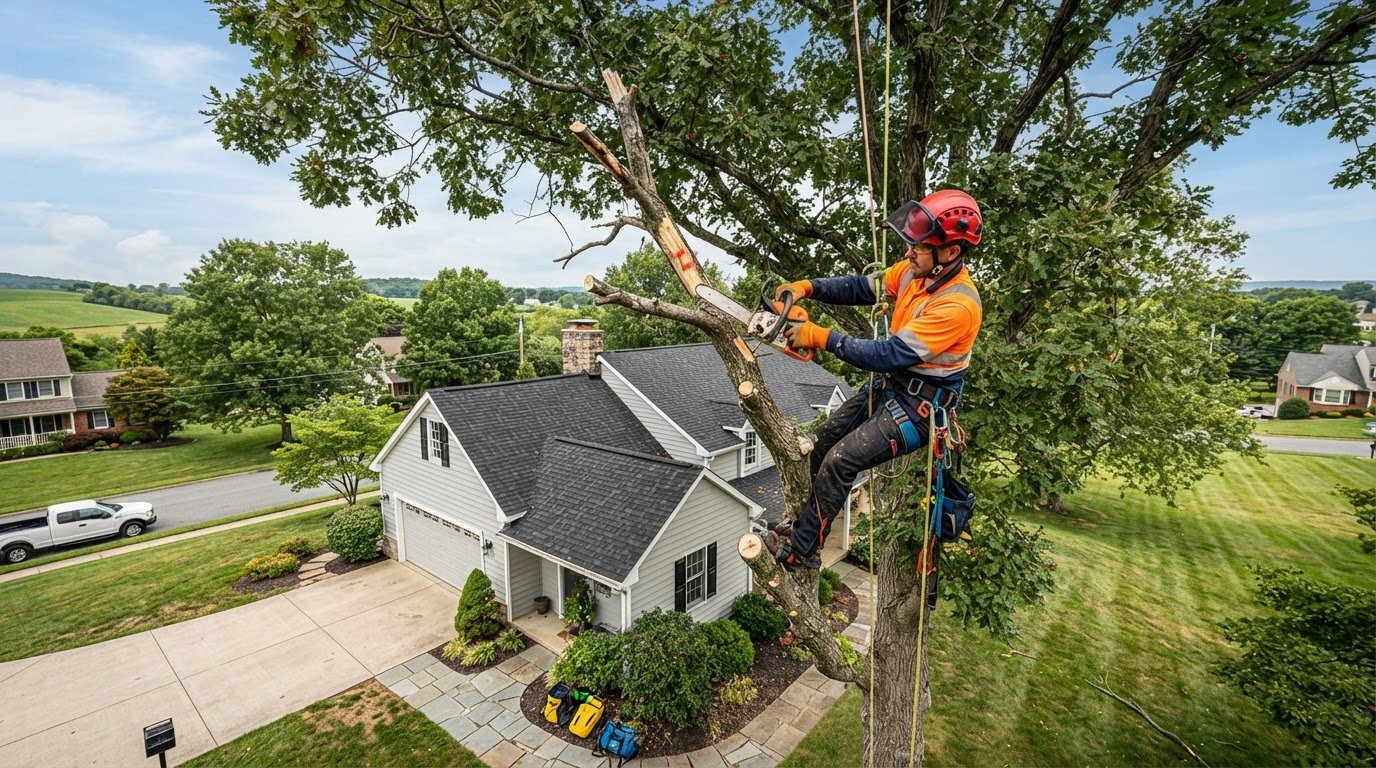
Tree pruning follows the same principle of purpose-driven cuts. Remove damaged limbs and branches that interfere with healthy growth, while keeping the tree’s structure in view. For large or difficult-to-reach limbs, professional tree trimming can address access and cut placement as part of a planned landscape-care approach.
Planting dates versus USDA hardiness zones
Use frost dates to plan timing and hardiness zones to compare winter cold tolerance. For shrub planting and care in Mountville, PA, neither replaces checking local soil and site conditions.
The average last spring frost near Mountville is May 5, and the average first fall frost is October 5. These dates come from 30-year historical frost-pattern data, so use them as planning guides rather than planting appointments. Actual weather varies between years, and a sheltered yard may warm sooner than an exposed site. A planting window that works in one part of Mountville may not suit a hillside or low-lying yard.
A USDA hardiness zone describes a plant’s ability to withstand typical winter lows. It doesn’t tell you whether today’s soil is workable or whether a newly planted shrub has enough time to establish. Pennsylvania includes three plant hardiness zones: Zone 5 in northern and mountainous areas, Zone 6 at lower elevations, and Zone 7 in the southeastern corner. Use the zone shown for your specific address, then compare it with the shrub’s listed hardiness range.
For spring planting, check soil temperature and moisture before digging. Soil temperature in your garden is one of the most reliable indicators of planting conditions. If the ground is waterlogged, compacted, or too cold for the chosen shrub, address those conditions first. A calendar date alone can’t fix poor drainage or an unsuitable planting site. This practical check makes seasonal planning more useful than relying on a frost date alone.
Fall can also suit planting, but timing should leave the shrub opportunity to establish before winter. Use the October 5 average first frost as a local reference, not a deadline. Consider the plant’s growth habit, mature size, and cultural requirements alongside the forecast and soil condition. A shrub that needs well-drained soil won’t benefit from planting into saturated ground simply because the date seems suitable.
Microclimates can shift the schedule. A Mountville hillside, valley, or sheltered spot may have different temperatures and frost exposure from a nearby open yard. Observe where frost lingers, where spring soil dries first, and how much sun reaches the planting bed. These details help refine general calendar guidance for shrub planting and care in Mountville, PA.
- Check the zone: Match the shrub’s winter hardiness range to your planting location.
- Check the soil: Assess temperature, moisture, compaction, and drainage before digging.
- Check the site: Account for exposure, slope, light, and nearby structures.
- Check the season: Use local frost averages as guides, then consider current conditions.
Planning a planting bed beside a walkway? Account for the shrub’s mature spread so branches don’t crowd the route. Discuss your planting and site-planning needs as you prepare the outdoor project.
Snappy Landscaping: Lawn Mowing & Maintenance
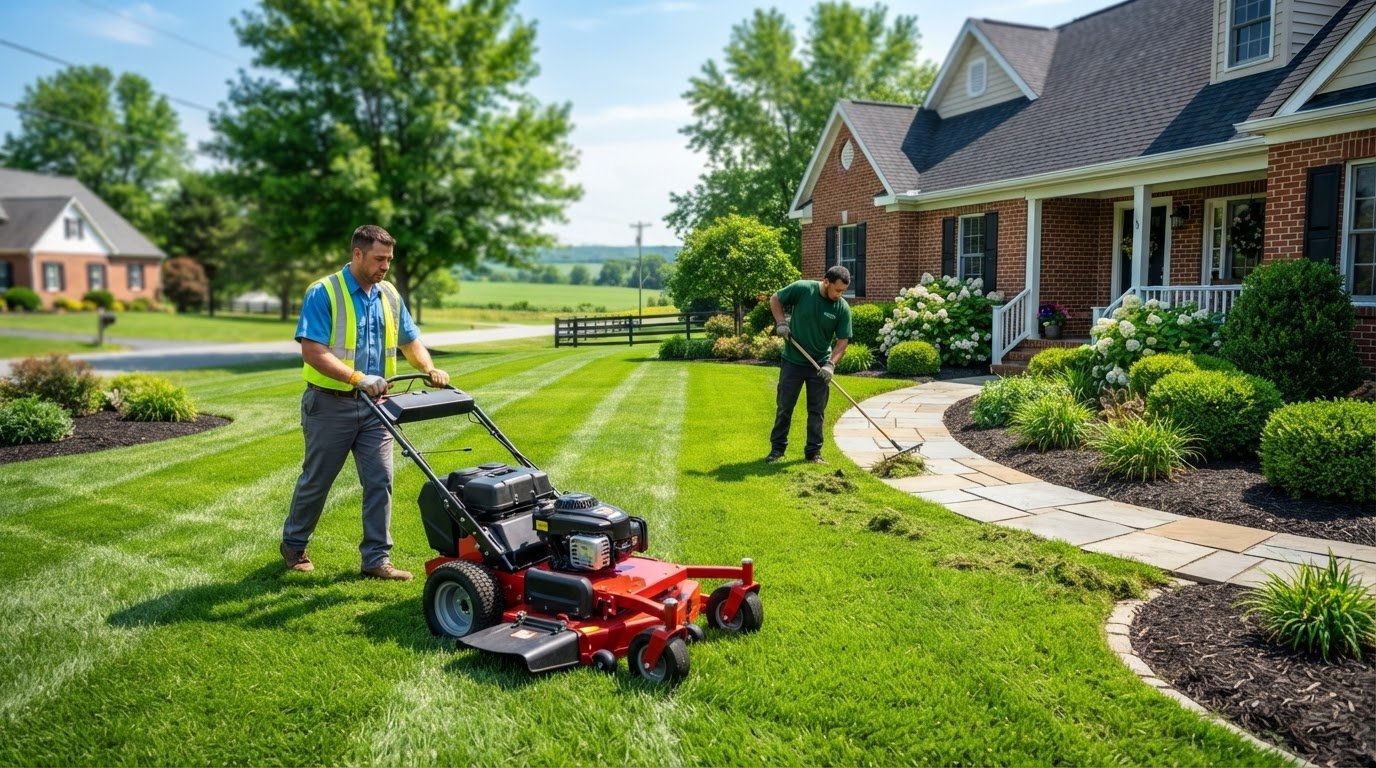
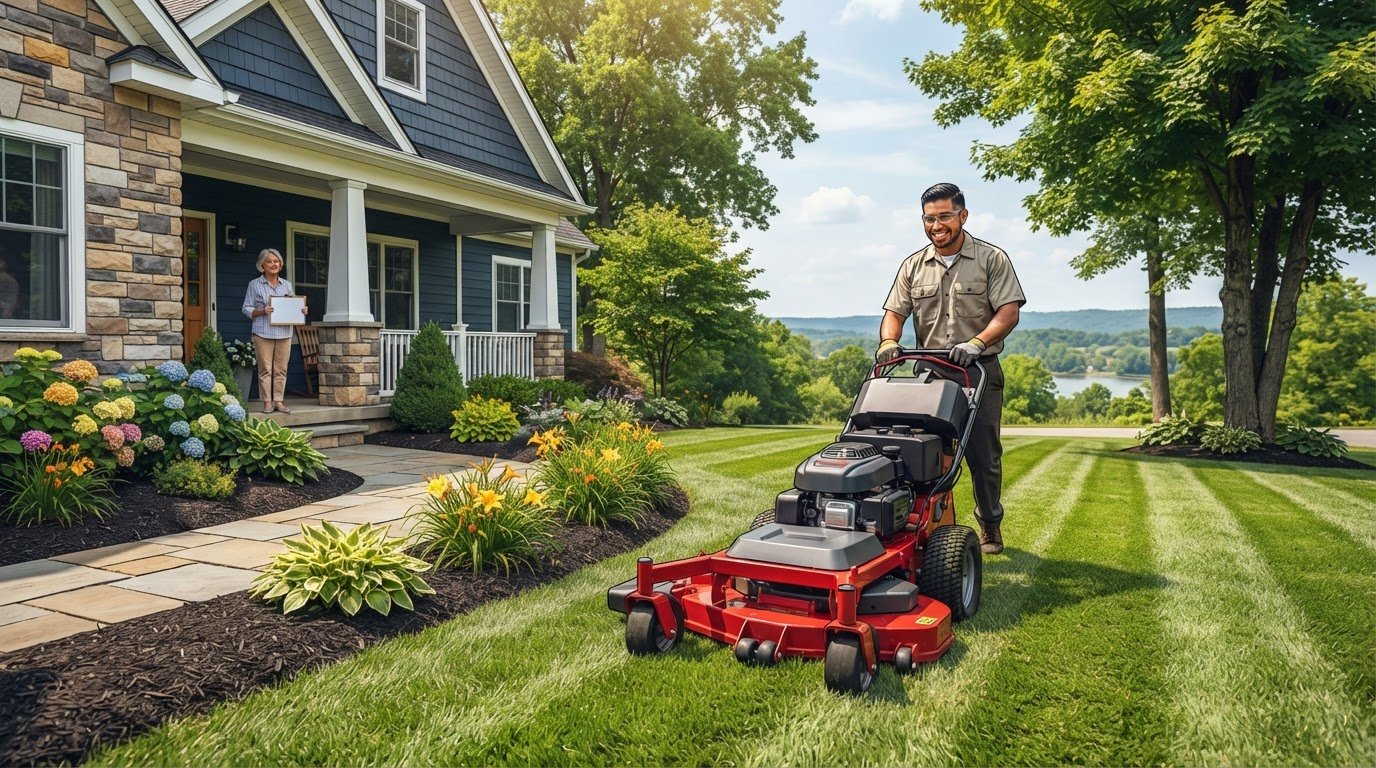
Snappy Landscaping helps Mountville property owners maintain an orderly landscape with Lawn Mowing & Maintenance and related landscaping services. Mowing doesn’t replace shrub pruning or drought care, but consistent lawn maintenance can keep grass and planted areas clearly defined. Mulch Installation can also create a neat, manageable bed around shrubs.
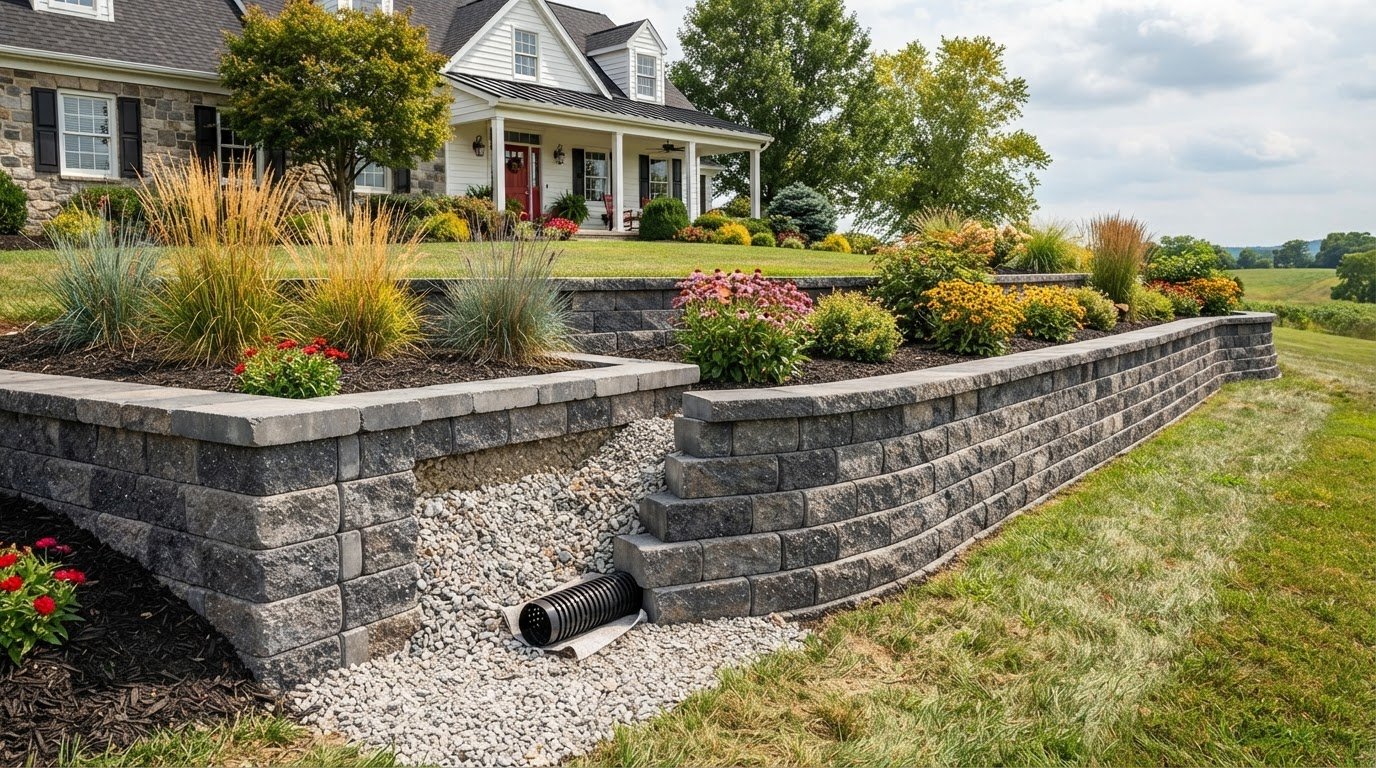
For broader property needs, Snappy Landscaping also provides drainage solutions, retaining wall construction, and custom patio installation. These services can address site conditions or hardscape features that affect how you use your landscape. Choose the service that matches your property’s needs rather than treating lawn care as a substitute for specialized plant care.
Contact Snappy Landscaping to discuss your landscaping needs.
Plan Your Next Landscape Step
Base your next decision on what the property needs most. A clear planting and maintenance plan helps you prioritize improvements without treating every outdoor concern as the same project. For shrub planting and care in Mountville, PA, consider how planting beds fit alongside the lawn, paths, and gathering areas you use every day.
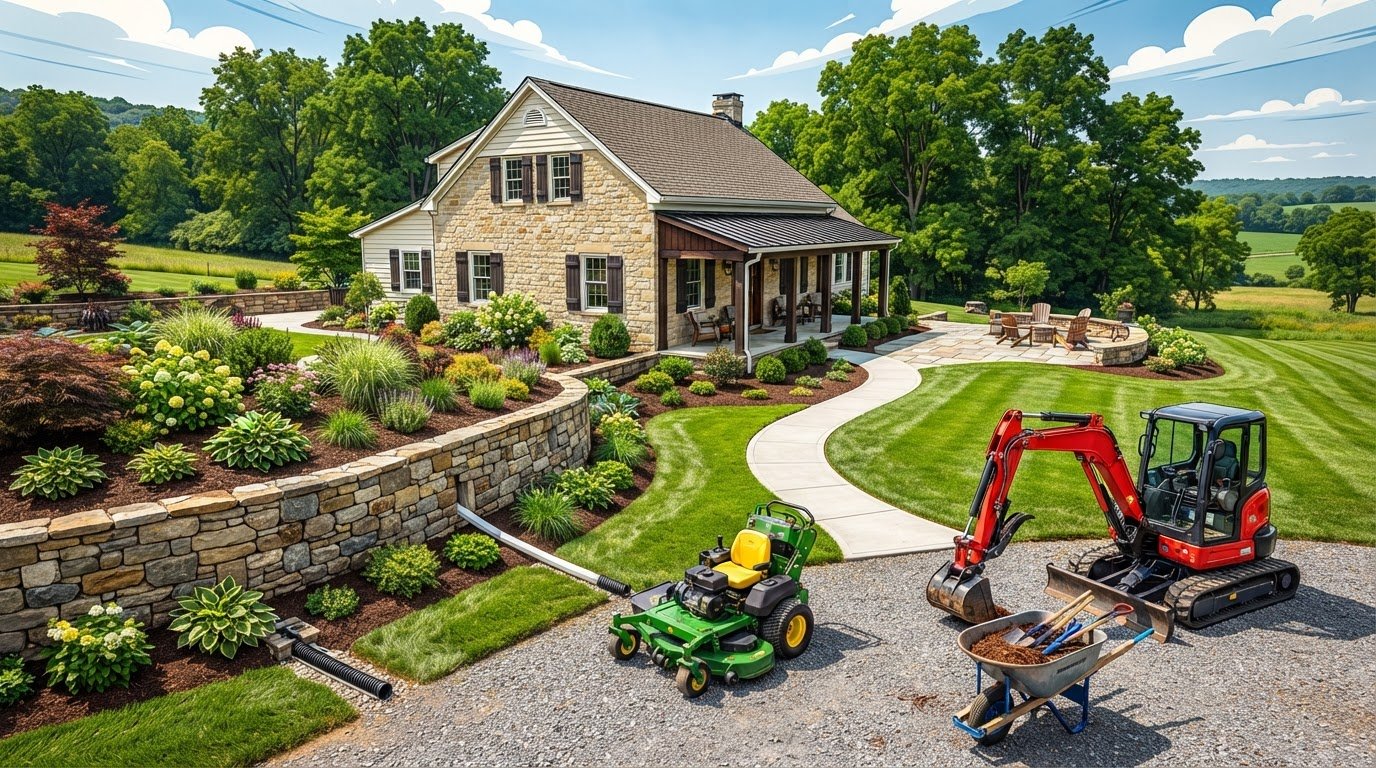
Snappy Landscaping can help keep the broader landscape organized with Lawn Mowing & Maintenance, Custom Patio Installation, and Retaining Wall Construction. These services address different property needs, from routine lawn upkeep to defined outdoor living areas and grade changes. Choose the work that supports how you want to use your space, then build from there.
Ready to discuss a practical next step for your property? Contact Snappy Landscaping today and move your landscape plans forward with confidence.
Frequently Asked Questions
What’s the best way to know when to plant?
Use soil condition and the local frost outlook together instead of relying on a calendar alone. In Mountville, average spring and fall frost dates offer a seasonal reference, while soil temperature helps show whether conditions suit the shrub. Check the planting bed after rain, too. Soil that is saturated or difficult to work may need more time before digging and planting.
What shrubs grow best in Mountville, PA and USDA hardiness zone?
The best shrub is one suited to your property’s winter conditions, sunlight, drainage, and available space. Pennsylvania spans Zones 5, 6, and 7, so use the USDA hardiness zone for your specific location to assess winter tolerance. Then compare the shrub’s mature size and growing preferences with your site. A zone match helps narrow choices, but it doesn’t replace checking soil and exposure.
When is the best time to plant shrubs in Mountville, PA?
Spring and fall are useful planting seasons, with the local frost pattern helping guide timing. Mountville’s average last spring frost is May 5; its average first fall frost is October 5. Plan around those averages and the actual conditions in your yard. For example, avoid planting into waterlogged soil, and allow fall-planted shrubs time to settle before colder weather.
How to prepare soil and plant shrubs in Lancaster County, PA?
Start by clearing weeds and checking how well water drains through the planting area. Loosen compacted soil without working it while wet, then dig a hole wide enough for the root ball. Set the shrub upright, keep its root flare visible, and backfill with the excavated soil. Water the root area after planting, then check that the shrub remains upright as the soil settles.
How often should newly planted shrubs be watered in Mountville, PA?
Water when the soil around the root ball begins to dry, rather than following a fixed calendar. Check moisture below the surface near the roots, since the top layer can dry before deeper soil. Apply water slowly to reach the root area. Rainfall, soil texture, sun exposure, and wind affect how quickly the bed dries, so inspect more often during hot, dry weather.
What are common shrub pests and diseases in Lancaster County, PA?
Check shrubs for aphids, scale insects, powdery mildew, and leaf spots. Look beneath leaves and along stems for insects, residue, webbing, or unusual discoloration. Note whether symptoms appear on one branch or across several plants; the pattern can help distinguish a localized pest issue from a broader site problem. Remove affected fallen leaves and avoid wetting foliage when watering.
How far apart and from buildings should shrubs be planted?
Plan spacing around each shrub’s mature width, not the size of the plant at purchase. Leave room for branches to grow without covering windows, narrowing paths, or pressing against siding. For a row, compare neighboring shrubs’ mature spreads and allow enough space for airflow and access. Check the site from the planting bed and nearby walkways before positioning the plants.