
For turf management services in Lancaster, the right plan depends on lawn size, soil condition, and the work the turf needs. September and October are ideal months for lawn aeration and seeding in Lancaster, Pennsylvania, when compacted soil or thin growth calls for attention.
A struggling lawn can be frustrating, especially when the cause isn’t obvious. Learn how aeration, fertilization, soil amendments, and thatch reduction address different turf needs, and how lawn size and condition shape the work involved.
Lawn pricing varies based on property size, service frequency, and maintenance requirements. Snappy Landscaping provides a free estimate for each property. The sections ahead explain what treatments do, when they can help, and what to consider when planning turf management services in Lancaster.
Core aeration and soil compaction relief
Compacted soil restricts the pathways turf needs for air, water, and root growth. Foot traffic, mowing equipment, and construction activity can press soil particles together. A worn strip beside a walkway, for example, may stay thin while nearby grass grows normally. Core aeration addresses compaction by removing small plugs of soil. The openings help water reach the root zone and loosen dense ground. Aeration doesn’t replace sound watering or mowing practices, but it can create better conditions for routine care to support healthy turf.
Look for practical signs before scheduling work. Water that runs across the surface instead of soaking in can signal compaction. Grass may also grow sparsely in busy areas, even when the rest of the lawn looks stronger. Use a screwdriver or similar probe to compare soil resistance in a worn area and healthier turf. If it enters one area easily but meets firm resistance elsewhere, compaction may vary across the lawn. Check several spots, including paths, entrances, and places where equipment turns.
In Lancaster, Pennsylvania, September and October are ideal months for lawn aeration and seeding. This window can help address compacted ground and establish grass seed at the same time. Timing still depends on lawn condition and the work planned. Aeration is most useful when soil is moist enough for equipment to remove clean plugs. Extremely dry or saturated soil can make the process less effective. Assess the ground first, then coordinate aeration with seeding where thin turf needs repair.
Core aeration follows a clear sequence. First, identify compacted zones and mark underground irrigation heads or other obstacles. Clear loose branches, toys, and debris from the lawn. Then use an aerator to remove soil cores across the affected turf. Overlapping passes can help cover heavily compacted sections, while healthy areas may need less attention. Leave the plugs on the surface to break down naturally. Seed thin patches if needed, then follow a consistent watering routine.
- High-traffic routes: Check gates, play areas, and paths between doors.
- Equipment tracks: Inspect repeated mower turns and service access routes.
- Hardscape edges: Examine turf beside concrete pads and walkways.
- Drainage patterns: Note where water pools or flows over compacted soil.
For shared properties, commercial and HOA maintenance can help coordinate routine grounds care around common areas. Aeration is not the right first step for every bare patch. Shade, poor drainage, pests, and unsuitable grass can create similar symptoms. Compare affected areas, observe water movement, and identify traffic patterns before selecting treatment. That assessment helps direct effort toward the cause rather than treating every thin spot the same way.
Lawn care plans and pricing by lawn size
Lawn area determines how much ground a program must cover, but it isn’t the only factor. Compare the measured turf area, its condition, and the treatments included when reviewing a plan.
Plan Options Across Lawn Sizes
A small, open lawn may need less material and labor than a large property with separate turf zones. Measure grass areas rather than the full lot, excluding patios, walkways, planting beds, and other non-turf surfaces. A narrow side yard can still affect the plan if access is difficult or lawn conditions differ. Request an estimate based on the actual area and work required.
Pricing varies based on property size, service frequency, and maintenance requirements. Snappy Landscaping provides a free estimate for each property. Compare plans by scope, not just by total. One proposal, for example, may cover routine mowing, while another includes different maintenance tasks. Confirm which areas and services each plan covers, and whether seasonal visits are part of the proposed scope.
Typical Program Inclusions
A turf management or lawn care program may combine mowing, fertilization, weed control, aeration, seeding, and monitoring for pests or disease. The right mix depends on the lawn’s needs. Compacted soil may call for aeration, while thin areas may benefit from seeding. Review each service separately so routine maintenance isn’t confused with corrective work.
In Pennsylvania, credential requirements for pesticide application depend on the setting and pesticide use. Match the work to the applicable state applicator credential and follow the product label’s directions.
Lancaster County lawns can face weeds such as crabgrass and dandelion, pests such as white grubs, and diseases such as brown patch. Symptoms matter: thinning grass can have several causes, so identify the affected area and pattern before choosing a treatment. Scattered damage, a distinct strip beside a walkway, and a uniformly discolored patch can point to different issues. A sound program addresses the cause, not just the symptom.
- Area: Separate turf from beds, paths, and patios before estimating coverage.
- Condition: Record thin growth, weeds, drainage issues, and traffic wear.
- Scope: Compare mowing, nutrient treatments, weed control, and repair work.
- Access: Note gates, slopes, and separate lawn sections that affect service.
Before requesting an estimate, sketch the lawn zones and list the services you want included. Note practical details such as a narrow access gate or a paved area dividing the grass. This gives the estimate a clearer basis and helps distinguish recurring care from one-time improvements. A useful plan connects each task to a specific lawn condition and clearly identifies the areas covered.
Nutrient management and turf fertilization
In Lancaster, nutrient treatments work best as part of a plan based on turf condition. Fertilization, weed control, and aeration address different needs, so match each treatment to the visible problem.
Fertilization and Weed Control
Common turf treatments include fertilizer applications, targeted weed control, and aeration. Fertilizer supplies nutrients that support grass growth, while weed control targets unwanted plants competing for space. Aeration addresses compacted soil, not nutrient shortages. Before choosing treatments, note whether the lawn has pale growth, broadleaf weeds, or dense, firm ground. These symptoms call for different responses.
A lawn with dandelions, for example, needs a weed-control approach, while sparse growth may call for checking nutrients, soil, or mowing practices. A program may combine treatments, but each should address an identified need. Don’t assume every symptom is a fertilizer problem.
Treatment Timing for Lancaster Conditions
Timing depends on the treatment and the lawn’s growth cycle. September and October are ideal months for lawn aeration and seeding in Lancaster, Pennsylvania. This seasonal window can pair soil preparation with seed establishment where thin turf needs repair. Fertilizer timing should also reflect grass condition and product directions, rather than a fixed calendar date alone.
After an application, follow the product directions for access and care. Renew Turf Science says treated lawns are typically ready to walk on about one hour after the application has dried. The lawn must be dry, so don’t treat this as one hour after spraying.
Organic or reduced-input approaches can be considered for Lancaster lawns, including cultural practices that support turf without relying only on chemical treatments. Planning with pets and children in mind means following the specific product label and application directions. “Natural” alone doesn’t establish that a treatment is appropriate for every household.
Base nutrient decisions on the lawn’s condition, not a blanket schedule. A soil test can help identify nutrient needs before selecting fertilizer. Then consider grass type, current growth, soil texture, drainage, and past applications. Repeated fertilizer use, for example, may leave the underlying problem untouched if poor drainage isn’t addressed. Track the treated area and application date to avoid overlapping work.
- Thin turf: Compare nutrient needs with shade, traffic, and soil conditions.
- Visible weeds: Identify the weed before selecting a control method.
- Compaction: Consider aeration where soil restricts water movement.
- Household priorities: Review product directions when children or pets use the lawn.
Keep the plan practical: identify the symptom, choose a treatment that addresses its cause, and follow its directions. A lawn with weeds and compacted soil may need separate interventions. Fertilizer alone won’t resolve either issue if it doesn’t match the condition.
Verticutting and thatch reduction
Thatch is a layer of stems, roots, and crowns between the green blades and soil. A thin layer can protect turf, but excess thatch can obstruct water and nutrients. Inspect the lawn surface before choosing a treatment. If grass feels spongy underfoot or water struggles to reach the soil, check the organic layer. Don’t confuse thatch with compacted soil: compaction occurs below the surface, while thatch accumulates above it.
Verticutting uses vertical blades to cut through thatch and lift built-up material. The blades create narrow grooves, opening space for air, water, and seed to reach the soil surface. Dense, matted growth may benefit from this process. A thin lawn with hard, compacted ground may need a different approach. Identify the layer causing the problem before choosing equipment.
Inspect several parts of the lawn, including sunny areas, shaded edges, and routes with repeated foot traffic. Compare the grass surface with exposed soil near a bed or walkway. If the thatch layer is dense, verticutting can remove some material and prepare turf for overseeding. If grass is already weak, aggressive cutting may add stress. Match the machine setting and work intensity to the lawn’s condition.
Plan the work in sequence. First, mow so the blades can reach the thatch layer. Mark sprinkler heads, shallow lines, and other obstacles. Make a test pass in a small area, then check how much material the machine lifts. Adjust the depth before continuing. Rake away loosened debris so it doesn’t cover healthy grass or newly exposed soil.
- Spongy surface: Inspect the thatch layer rather than assuming soil compaction.
- Thin turf: Consider whether seed can reach exposed soil after treatment.
- Uneven growth: Compare shaded sections with open, frequently used areas.
- Excess debris: Remove lifted stems and leaves after the machine pass.
After verticutting, match follow-up care to the lawn’s needs. Overseeding can fill open spots when suitable seed contacts soil. Water gently to keep the seedbed moist without washing seed into low areas. Avoid heavy foot traffic on freshly treated ground. For example, redirect a regular path around the work zone until seedlings establish. Rake away remaining clumps, but take care not to remove healthy grass with the debris.
Verticutting isn’t a substitute for every turf treatment. Core aeration targets compacted soil, while verticutting cuts through surface thatch. A lawn can have either issue or both, so examine the grass and soil separately. Note affected sections and visible symptoms before scheduling work. This assessment helps match the treatment to the problem and avoid unnecessary disruption to healthy turf.
Turf Management Services says liquid brine reduces chloride usage and waste. That statement concerns chloride use and waste, not thatch. Keep the purpose of each maintenance choice clear: inspect turf condition first, and use verticutting for surface thatch rather than treating liquid brine as a thatch treatment. No thatch-related effect is claimed for liquid brine.
Which Lancaster turf management companies serve residential and commercial properties?
Residential and commercial grounds need different maintenance plans. A homeowner may focus on one lawn, while a property manager coordinates shared turf, entrances, and common areas. In Lancaster County, start by identifying the property type and requested work. Some properties need regular mowing; others need coordinated care across multiple lawn sections. The scope matters more than the company label.
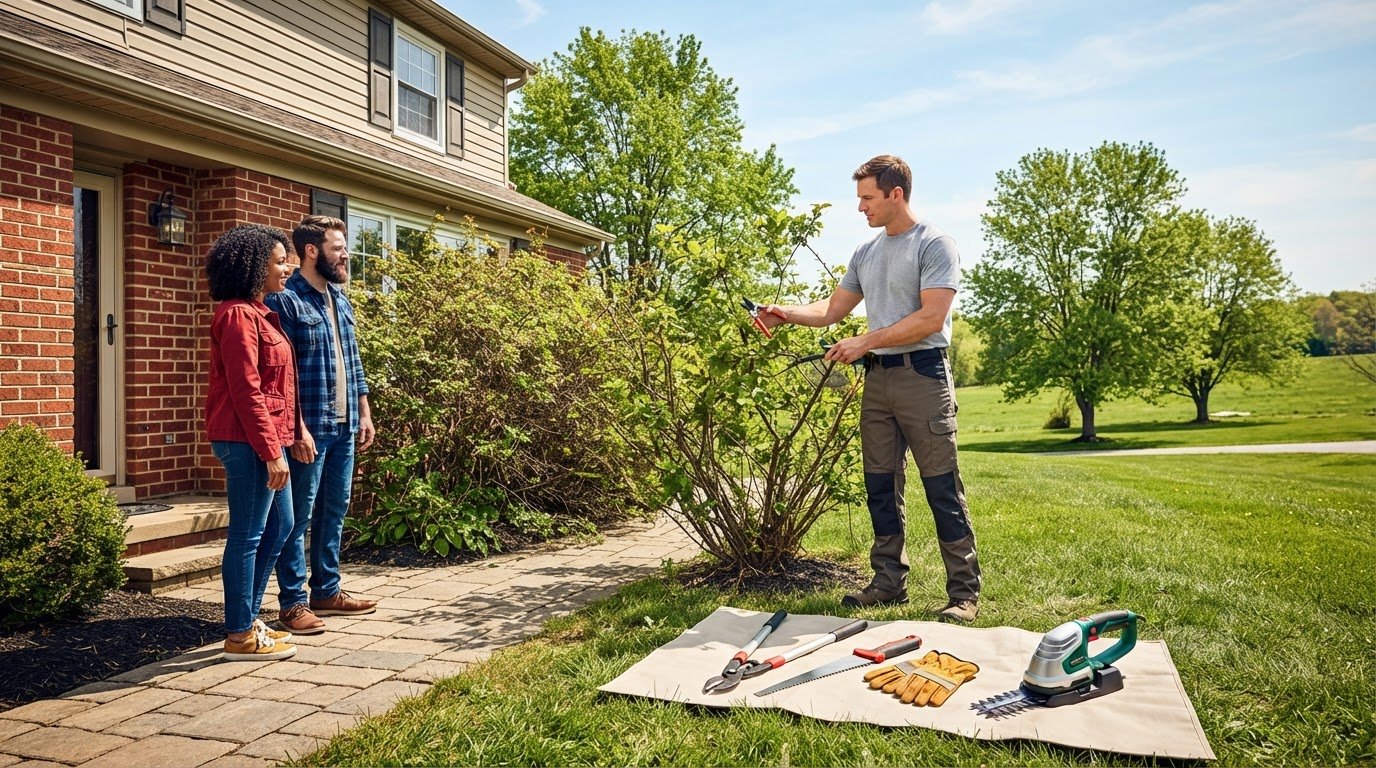
For a residence, describe the lawn’s layout and main concerns. A narrow side yard, sloped front lawn, and backyard play area each create different access and maintenance needs. Note obstacles such as trees, planting beds, and paved paths. A concrete walkway, for example, separates turf into distinct areas and affects equipment access. Clear site details help define the work.
Commercial properties require attention to shared use and consistent presentation. An office campus may include entrance lawns, walkways, landscaped edges, and turf around parking areas. A homeowners association may need coordinated upkeep across shared spaces and separate buildings. Glowacki Management Company acted as owner in fact for 1.5 million square feet of commercial space, illustrating the scale some property management responsibilities can involve.
Before setting a maintenance scope, divide the property into practical zones. Identify lawn areas, high-traffic routes, entrances, and places where water collects. List recurring tasks separately from seasonal or corrective work. Mowing may be routine, for example, while repairing a worn patch or improving drainage addresses a specific condition. This breakdown helps clarify expectations between property managers and service crews.
- Residential sites: Note lawn boundaries, access, slopes, and household use.
- Commercial sites: Mark entrances, shared lawns, walkways, and parking edges.
- HOA properties: Separate common areas from individual yards and buildings.
- Mixed-use grounds: Record the different needs of each property zone.
For a multi-building site, label each turf area clearly. A simple site plan can distinguish the main entrance from rear lawns and shared paths. Include known drainage problems or areas affected by repeated foot traffic. For a single home, a marked photograph can show the same details. These examples make the requested scope easier to discuss.
Choose a service scope that fits the site, not just its address. A residence may need consistent lawn upkeep, while a commercial property may need grounds maintenance coordinated around public access. Define the areas, tasks, and expected frequency, then review the plan against the property map. This makes residential and commercial needs easier to compare without treating every lawn alike.
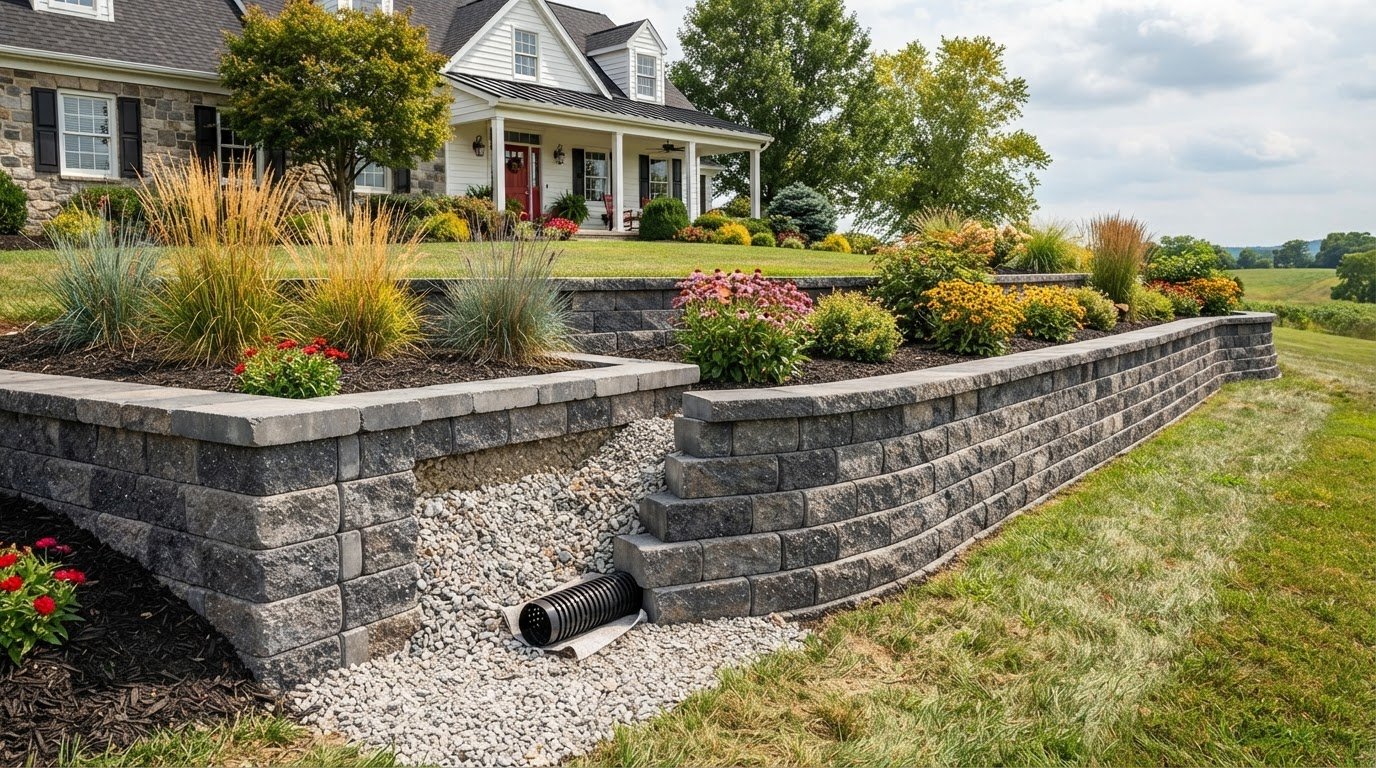
A broader maintenance schedule may suit one property, while a drainage concern calls for a clearly defined assessment. The Lancaster Mennonite project includes examining the drainage stone base and determining whether additional material is needed for proper drainage. When discussing similar work, identify the affected lawn zone and describe where water collects or turf repeatedly wears down. Keep this assessment separate from routine mowing and recurring tasks, so the property owner and service crew can agree on the scope. A precise plan helps residential and commercial clients compare proposals based on their grounds’ conditions and needs.
Snappy Landscaping: Lawn Mowing & Maintenance
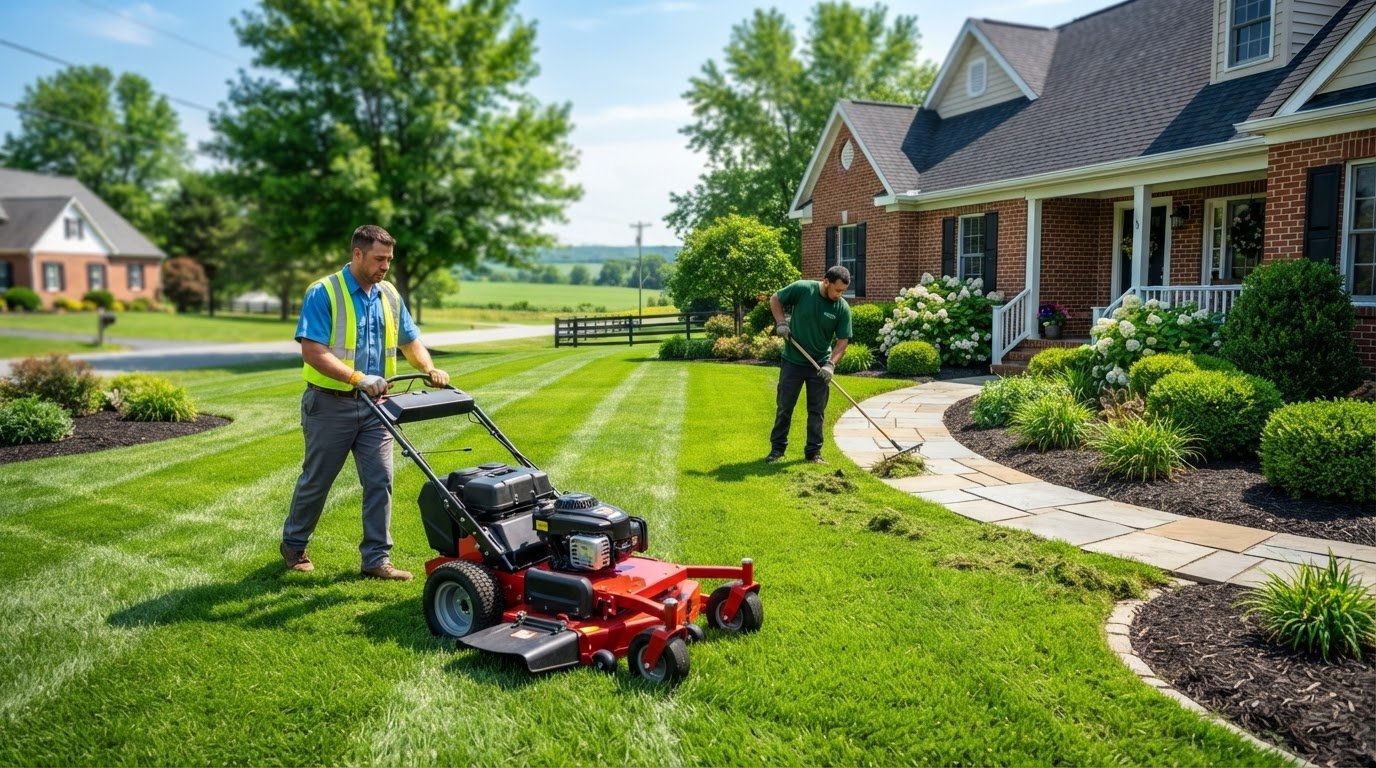
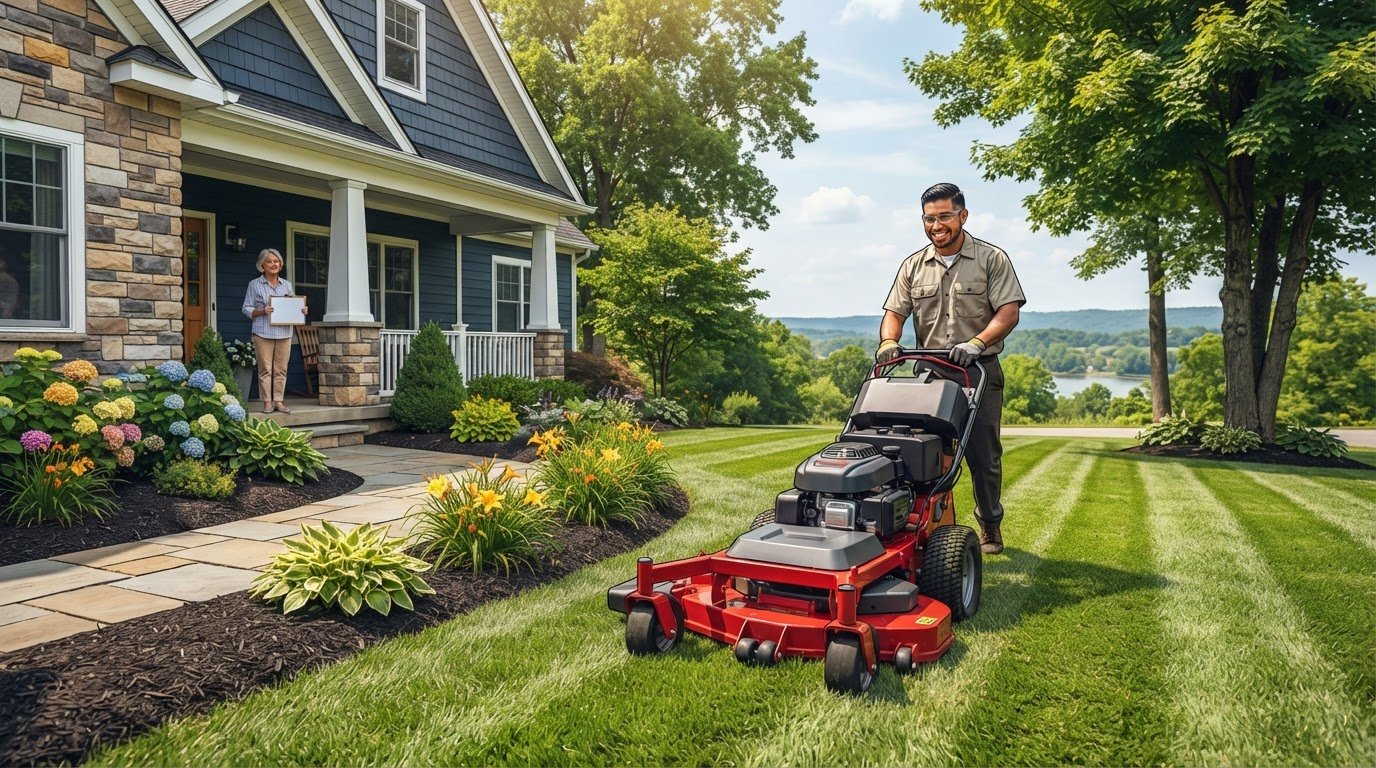
Snappy Landscaping helps Lancaster County property owners keep lawns orderly with lawn mowing and maintenance. Turn to the team for routine upkeep when grass growth, edging, and general lawn care are becoming difficult to manage consistently. For commercial grounds or shared community spaces, coordinated landscaping and HOA maintenance can support a more organized property.
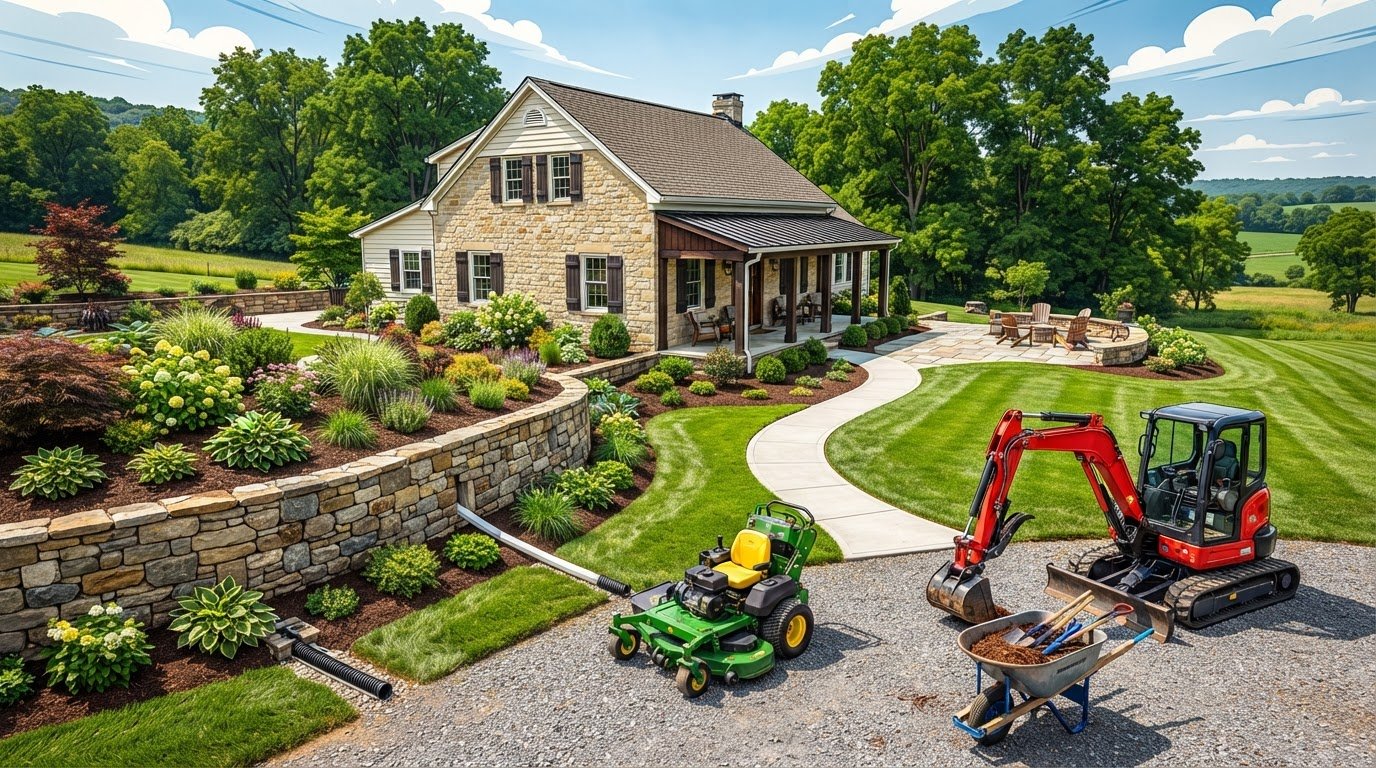
Start by identifying the areas that need ongoing care and noting any access or layout concerns. A lawn divided by planting beds or walkways may need a different approach from an open grass area. For larger property improvements, Snappy Landscaping also provides drainage solutions, retaining wall construction, and custom patio installation.
Contact Snappy Landscaping to discuss your lawn and property maintenance needs.
Set a Clear Next Step for Your Lawn
Choose one practical priority for your property before planning further work. You might want consistent lawn upkeep, a more usable outdoor area, or support for a sloped landscape. Naming that priority helps turn broad goals into a clear scope. For homeowners and property managers comparing turf management services in Lancaster, a focused plan makes it easier to discuss the work that matters now.
Snappy Landscaping provides Lawn Mowing & Maintenance for ongoing lawn care, along with Custom Patio Installation and Retaining Wall Construction for outdoor improvements. These services address different property needs, so start with the task that best fits your space. A clear description of the lawn or project gives the conversation a useful starting point and helps define the scope.
Contact Snappy Landscaping today to discuss your property’s next step. A well-defined plan can make outdoor maintenance feel more manageable.
Frequently Asked Questions
What turf management services are available in Lancaster, Pennsylvania?
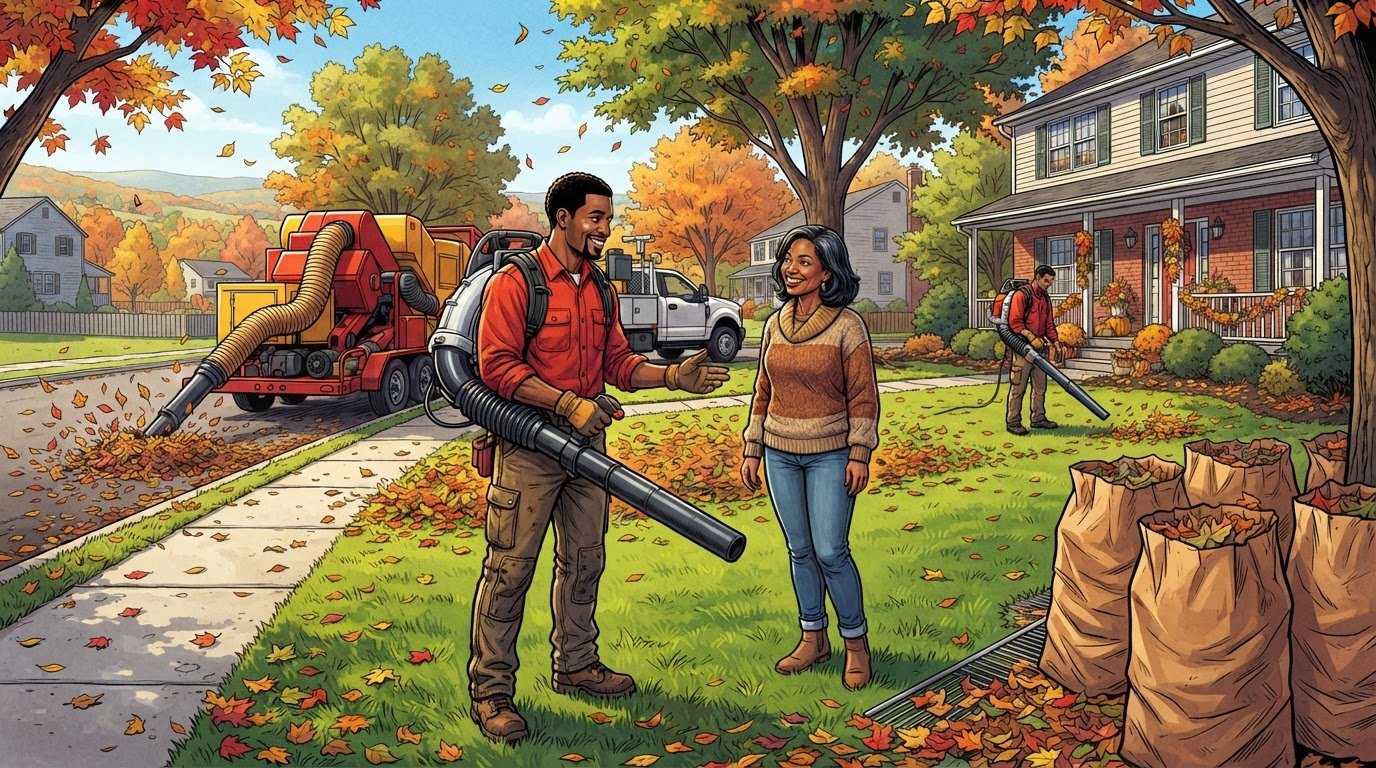
For turf management services in Lancaster, Snappy Landscaping provides routine mowing, seeding, topsoil, seasonal maintenance, mulch installation, and seasonal cleanups. Its service areas are: Lancaster, PA; Mountville, PA; Columbia, PA; Landisville, PA; Manheim, PA; Mount Joy, PA; Lititz, PA; Ephrata, PA; East Petersburg, PA; Millersrow, PA; Elizabethtown, PA; Leola, PA; New Holland, PA; Willow Street, PA; Strasburg, PA; Quarryville, PA; Denver, PA; Hempfield, PA; East Hempfield, PA; West Hempfield, PA. The company is licensed & insured, and its team is background-checked.
How much does lawn and turf management cost in Lancaster, PA?
Lawn and turf maintenance pricing varies based on property size, service frequency, and maintenance requirements. Snappy Landscaping provides a free estimate for each property rather than publishing a fixed service price. To make the estimate useful, describe the lawn’s boundaries, recurring tasks, and specific maintenance needs. The process starts with your request, followed by team contact and a clear estimate with a recommended solution tailored to the property.
What should homeowners ask before hiring a turf management service in Lancaster?
Start by defining the lawn areas, desired tasks, and whether you need recurring residential, commercial, or HOA maintenance. Note conditions such as narrow access, separate turf zones, or drainage concerns. Snappy Landscaping is licensed & insured, and its team is background-checked. The process begins with your request, followed by team contact and a clear estimate with a recommended solution. These details give the work a practical starting scope.