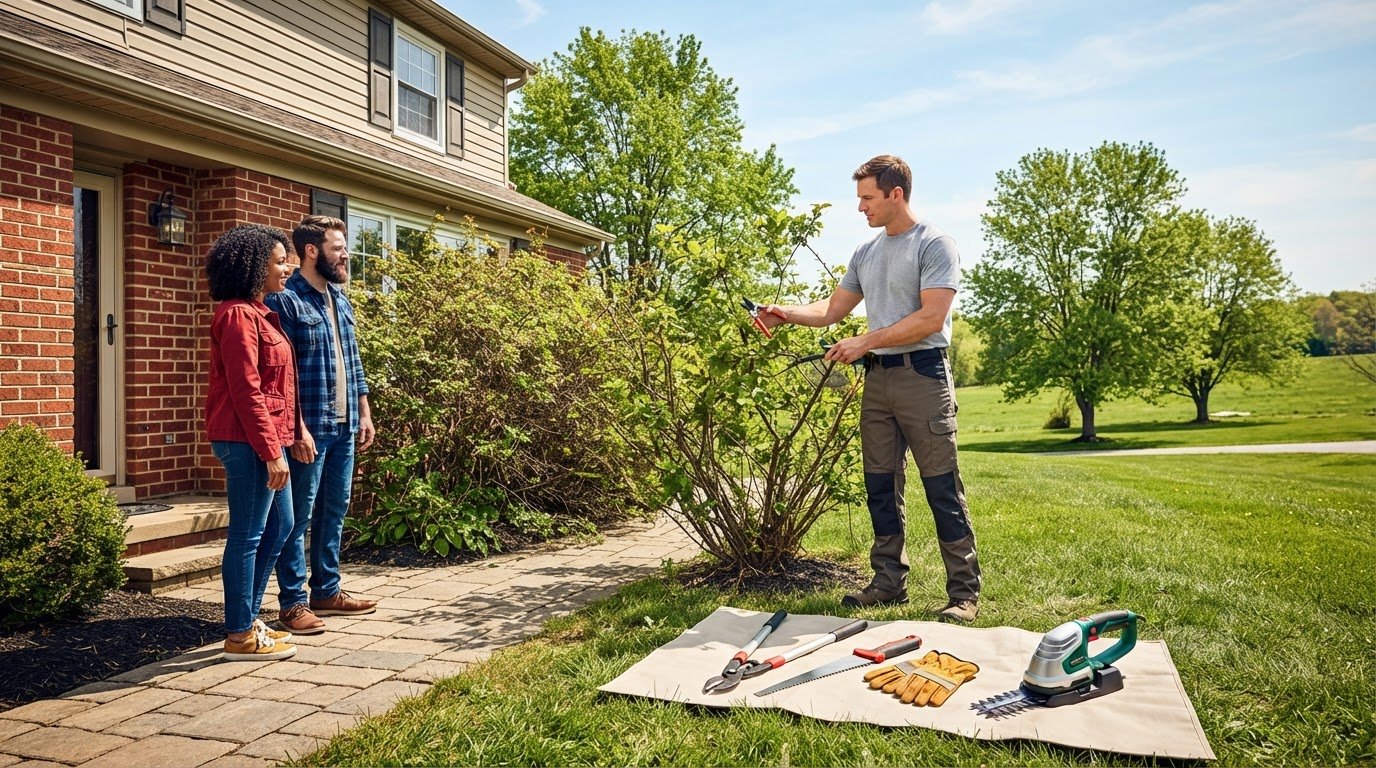

The best way to choose a landscaper for low maintenance landscaping in Lancaster, PA, is to compare at least three estimates and look closely at what each includes. Match the proposed work to your priorities, from mulch installation and trimming to edging and seasonal cleanup. A clear scope makes it easier to compare services and choose a practical maintenance plan.
Keeping a yard orderly shouldn’t mean juggling separate tasks or guessing what a service visit covers. If you’re looking for low maintenance landscaping in Lancaster PA, it’s reasonable to want dependable work that fits your property and cuts down on routine upkeep.
This guide explains how to assess local landscapers and compare service scopes across Lancaster County. You’ll learn what to look for in estimates, how mulching, trimming, edging, and cleanup support a lower-maintenance yard, and which property details can shape the right approach. Use those points to narrow your options and make a more confident hiring decision.
How do I find the best local landscaper to hire?
Start by matching the work to your property, then compare written estimates with the same task list. A clear scope makes lawn care, mowing, planting beds, walkways, and cleanup easier to evaluate.
Local Provider Options
Lancaster County landscaping services may focus on routine mowing, seasonal cleanup, mulch installation, planting, or hardscaping. Review each estimate for specific tasks, visit frequency, debris handling, and included areas. A residential yard with narrow beds needs a different plan from a commercial property with long walkways and shared entrances. Compare the proposed work, not just the service label.
Ask for a written scope that separates recurring lawn care from one-time improvements. For example, mowing and bed upkeep can be listed apart from new planting or walkway work. A useful lawn care and maintenance overview can help you identify routine tasks before comparing estimates.
What lawn alternatives need little mowing in Pennsylvania? Consider low-growing groundcovers, clover, or native meadow plantings in suitable areas. Mulched beds and hardscaping can also replace sections of turf and reduce mowing.
Are there local rules or HOA restrictions for landscaping in Lancaster PA? HOA covenants and municipal property-maintenance codes may set limits on landscaping. Review the standards that apply to your community and municipality before changing plantings, lawn height, or hardscaping.
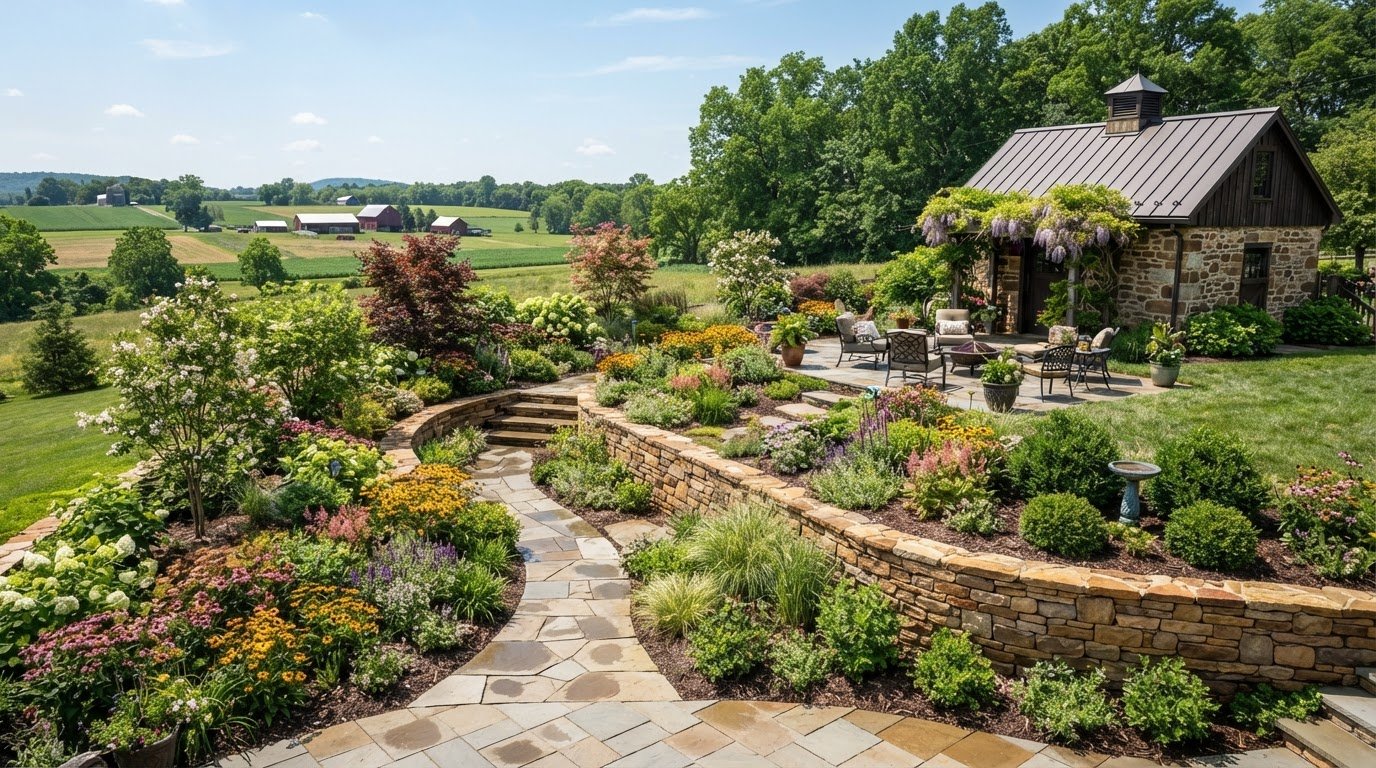
For a small Lancaster yard, reduce difficult-to-mow corners with compact planting beds, groundcover, or a defined walkway. Group plants by maintenance needs and use mulch to simplify bed care. A straightforward layout can create clear, usable zones without adding unnecessary lawn edges.
Service Types and Prices
Residential and commercial estimates reflect different site demands. A home estimate may account for lawn area, slopes, obstacles, bed edges, and service frequency. Commercial work may involve multiple entrances, shared walkways, and consistent care across managed grounds. Ask for landscaping, lawn care, and mowing to be listed as separate tasks when their scopes differ.
Pricing varies based on property size, service frequency, and maintenance requirements. Terrain, access, and the amount of trimming or cleanup can also shape the scope. Compare estimates against the same task list, then note what each includes. This helps show whether a proposal covers your priorities, such as edging, seasonal cleanup, or routine lawn maintenance.
Use a consistent comparison process: list the work, identify your property’s trouble spots, and evaluate each estimate against that scope. The right fit covers the tasks you need without adding work that does not serve your goals.
Mulching, bush trimming, and yard cleanups
Plan outdoor maintenance around what your yard collects and grows. In Lancaster, seasonal cleanup figures include 16.0% of lawn-care activity, making leaves and plant debris useful items to include in a maintenance plan. Separate recurring work, such as bed care, from spring and fall cleanup tasks. That distinction helps clarify what each visit should accomplish.
Mulch suppresses weeds and gives planting beds a defined edge, but beds still need occasional weeding and fresh material. Use it in planting areas where you want a softer, finished look. Gravel can reduce plant growth in selected spaces, though leaves and debris still collect between stones. Artificial turf avoids mowing but still needs surface cleanup. Native plants can suit local conditions, but establishment and seasonal care still require planning.
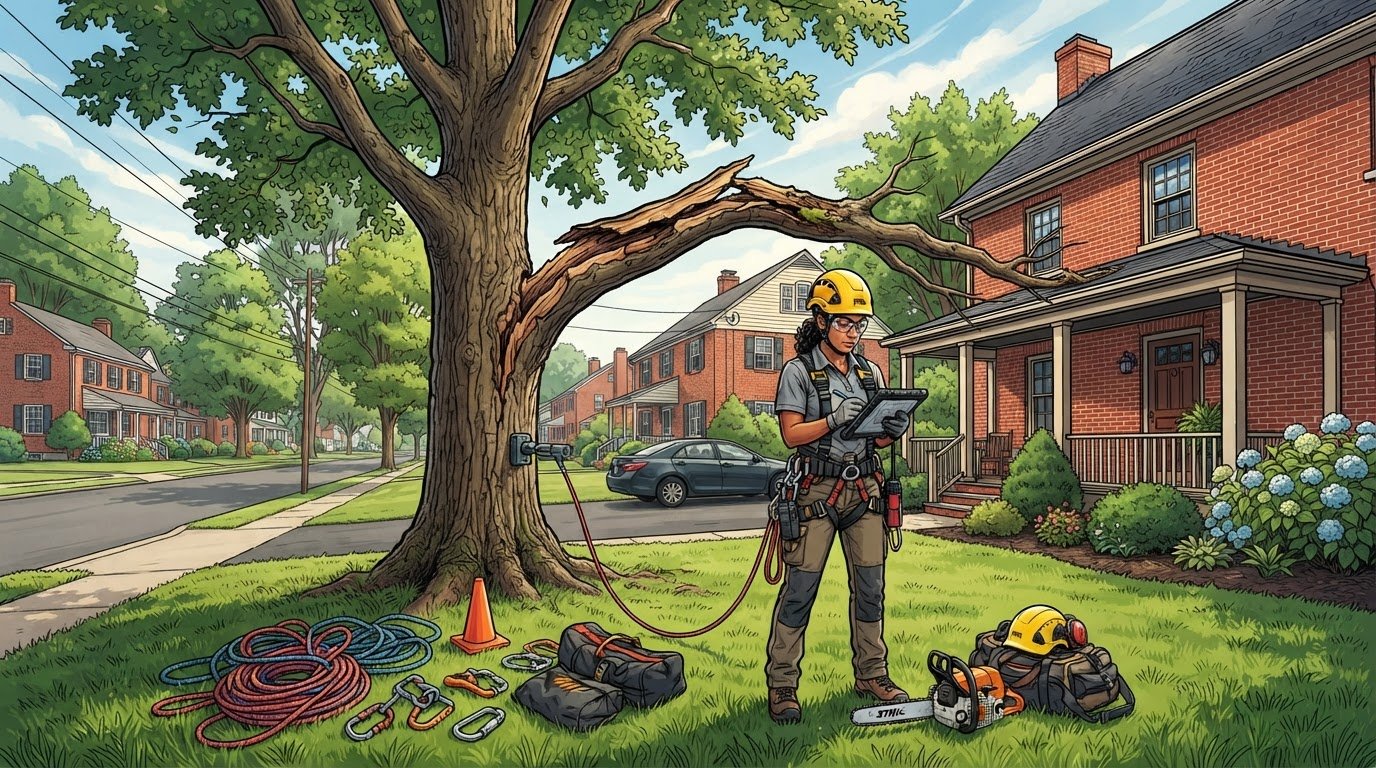
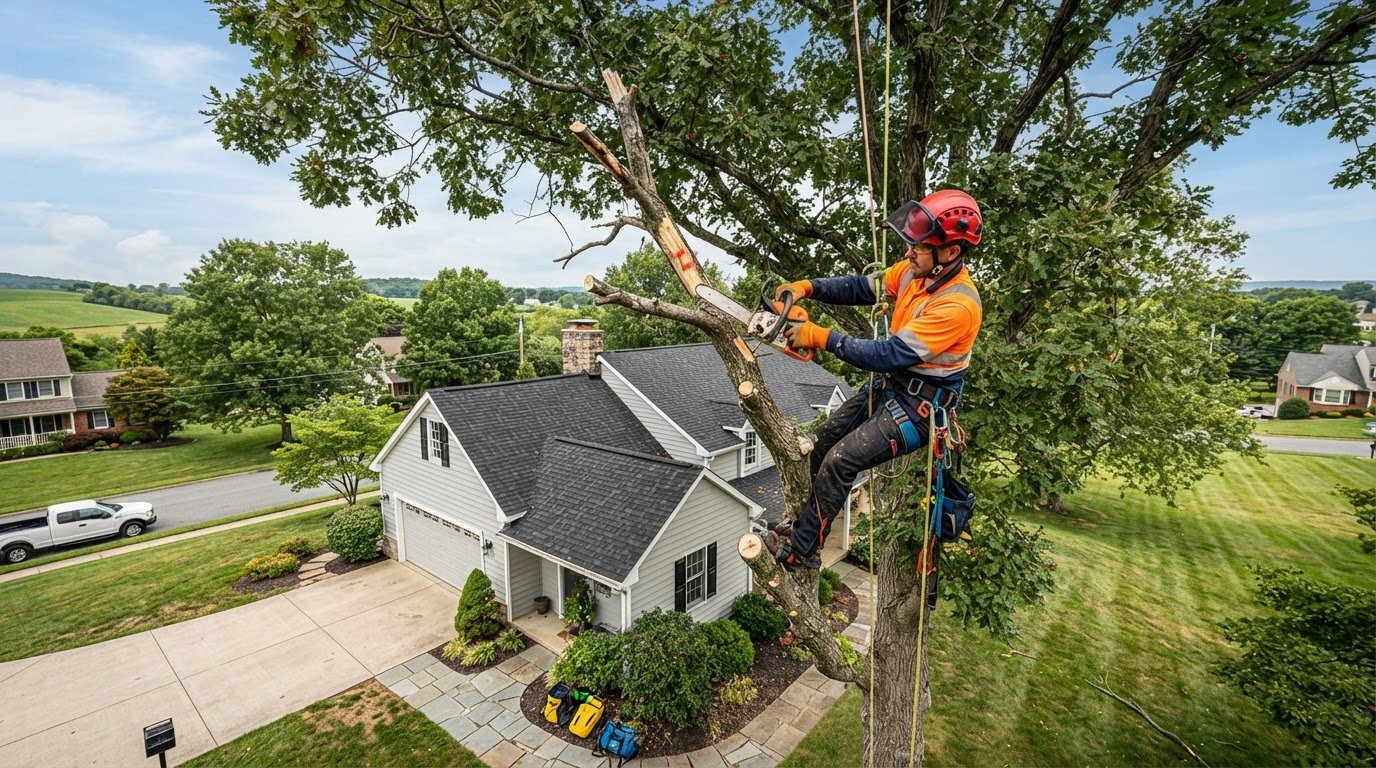
Trimming keeps shrubs within their intended footprint and prevents branches from obstructing paths or windows. Identify overgrown plants, dead limbs, and areas blocking access, then specify which shrubs need shaping and which should remain natural. The right approach depends on each plant’s growth habit, location, and desired form. Avoid treating every shrub as a uniform hedge.
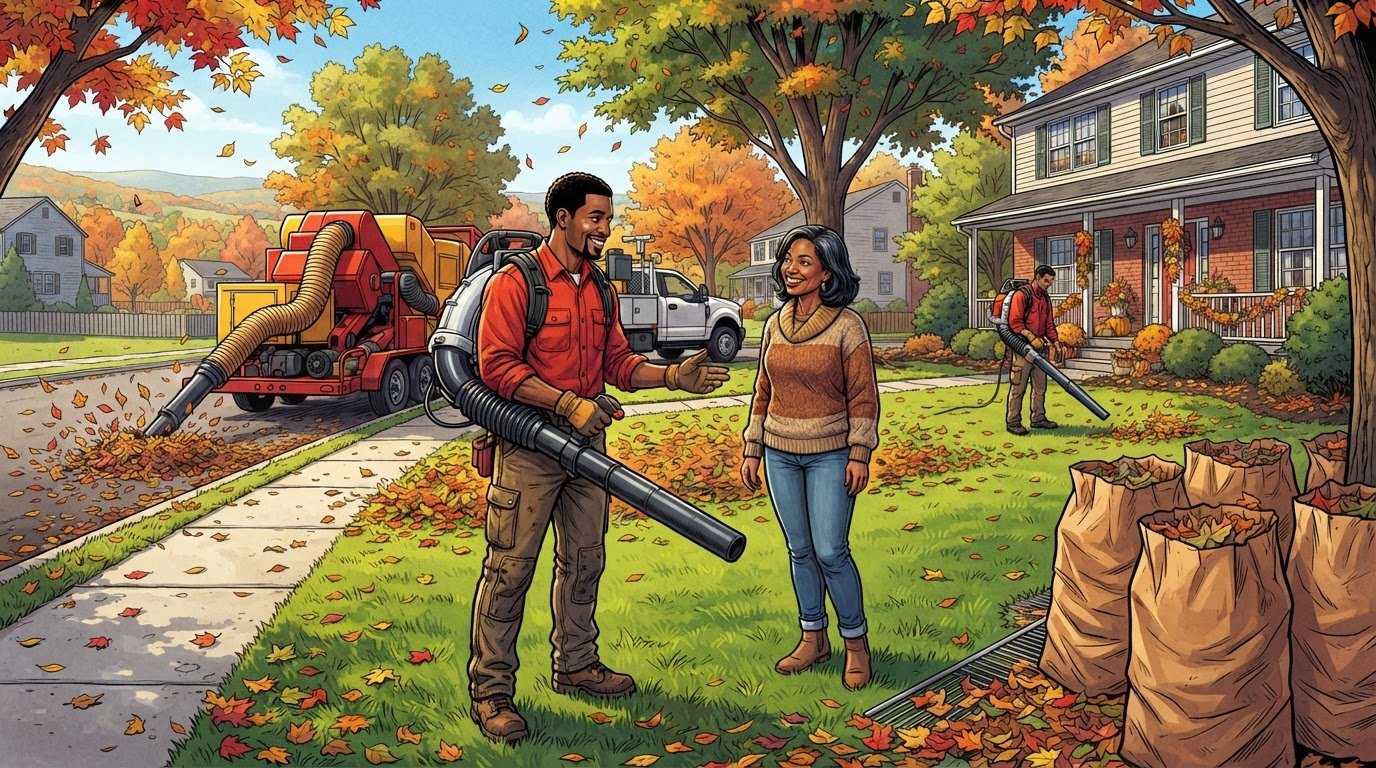
Spring cleanup can clear winter debris, fallen branches, and damaged plant material before active growth. Fall cleanup focuses on leaves, spent annuals, and beds that need attention before winter. Make each visit specific: identify the areas, name the debris to remove, and note whether beds need mulch or shrubs need trimming. Include clear walkways in both seasonal reviews.
Pricing varies based on property size, service frequency, and maintenance requirements. Access, debris volume, shrub density, and requested cleanup tasks also shape the scope. For a useful estimate, describe whether you need a one-time outdoor reset or recurring seasonal visits. Ask for itemized work so leaf removal, bed cleanup, mulch installation, and shrub trimming are easy to compare.
Use this sequence to organize seasonal yard cleanups:
- Walk the property and mark beds, shrubs, walkways, and debris areas.
- Separate spring tasks from fall tasks, including leaf removal and pruning.
- Decide which beds need fresh mulch and which need only clearing.
- Record what should remain, such as seed heads or established groundcover.
For consistent results, keep the same task list each season and note changes. A newly planted bed, for example, may need different attention than a mature shrub border. If seasonal debris or overgrowth is taking over your outdoor space, landscaping and cleanup services can help restore order. You can also discuss your cleanup needs and the work you want prioritized.
Edging and mulching
A clean edge separates lawn from planting beds, walkways, and borders. This boundary makes mowing easier and helps keep mulch in place. Choose a route that follows the yard’s natural shape, then keep it consistent around beds and trees. Curved lines can soften a formal layout, while straight edges suit simple geometric beds.
Edging materials include metal, stone, plastic, and cut trenches, each with different appearance and maintenance needs. Stone creates a durable visual border, while flexible edging follows curves more easily. A trenched edge adds no material but needs periodic recutting as grass spreads. Match the edge to the mower’s route and the amount of trimming you want.
Mulch covers bare soil, reduces weed growth, and retains moisture around plants. Keep it within beds, away from plant stems and tree trunks. Before adding fresh material, remove weeds and loosen compacted debris. Spread the mulch evenly and maintain clean edges. The right material depends on the plants and the look you want for the bed.
How can Lancaster homeowners reduce landscape watering and weeding? Group plants with similar water needs and use mulch to cover exposed soil. Choose plants suited to the site and reduce unnecessary turf to limit routine watering, mowing, and weed-prone edges.
Plan the work in this order:
- Mark bed boundaries and identify places where grass keeps spreading.
- Remove weeds and debris before adding mulch.
- Install edging along the chosen line, keeping mower access practical.
- Spread mulch inside beds, leaving plant stems and trunks uncovered.
- Review the edge after mowing and touch up places where grass crosses.
For example, a narrow bed beside a walkway benefits from a clear border. It keeps mulch off the walking surface and gives trimming a defined stopping point. In a larger bed, multiple curves can create extra corners where weeds collect. Simpler lines often mean fewer places to maintain.
Let the property’s use guide the design. A front lawn that needs regular mowing may benefit from compact beds and easy-to-follow borders. A shaded corner can become a mulched planting area instead of a difficult patch of turf. Good landscaping matches materials and layout to the site, without adding details that conflict with your maintenance goals or plans for the yard.
Keep the finished plan practical. Check that edging does not obstruct walkways, mulch stays inside planting beds, and lawn equipment can follow the intended route. These details connect the design to everyday upkeep and make maintenance tasks easier.
Landscape contractors and designers
Choose a plan that connects design choices with the maintenance they require. A useful proposal explains how installation, plant selection, and ongoing care fit your property.
Design and Installation
Landscape design and installation can include planting beds, shrubs, perennials, and hardscape features. Review the proposed layout alongside how you use the yard, including outdoor living areas, entrances, and walkways. Ask for a clear sequence covering site preparation, plant placement, and installation. Include removal of unwanted growth or existing materials in the project scope.
Design and Maintenance
A landscape plan should account for the work needed after installation. Dense shrub borders may need periodic shaping, while a simple perennial bed still needs seasonal attention. Compare the design’s upkeep requirements with the time you can spend on it. A written maintenance scope should define included tasks; clear descriptions matter more than a guarantee.
Low-Maintenance Garden Design
Which Lancaster PA landscapers specialize in low-maintenance garden design? Look for local landscaping companies that plan plant groupings, bed edges, and lawn areas around practical upkeep. Compare designs by the maintenance they require, not appearance alone. A compact perennial bed with accessible edges, for example, may be easier to maintain than many small, scattered beds.
Planning for Local Conditions
How do you plan a low-maintenance landscape for Lancaster PA’s climate and soil? Map sun, shade, drainage, slopes, and areas that stay wet before choosing plants or materials. Match plant needs to each location and consider how seasonal changes affect maintenance. A site-specific plan is more useful than repeating the same plant list across every yard.
Before approving a design, walk the property with the plan in hand. Mark where water collects, where mowing is difficult, and which shrubs obstruct access. These observations can guide practical choices, such as replacing hard-to-reach turf with a defined bed or improving access around an outdoor seating area.
Keep the final scope specific. List what installation includes, what existing material needs removal, and which maintenance tasks follow. If the design adds walkways or other hardscaping, confirm how those features connect to planting beds and routine access. A clear plan makes decisions easier to evaluate and keeps the finished landscape aligned with how you use the space.
Treat that range as a prompt to request an itemized proposal, not as a substitute for confirming what the work includes. Ask whether site preparation, removal, planting, hardscaping, and follow-up care are covered, and have exclusions stated clearly. Compare proposals with the same scope in mind so differences reflect the planned work rather than missing details.
Before agreeing, check how the design supports daily use and future maintenance. Confirm who will protect existing features, handle changes discovered during installation, and explain care for new plantings. Keep the approved plan and scope together, and record revisions before work proceeds. This connects the finished landscape to the maintenance expectations discussed at the outset.
What low-maintenance landscaping plants thrive in Lancaster, Pennsylvania?
Choose plants for the conditions in each part of your yard. Lancaster landscapes can include sunny slopes, shaded corners, compacted ground, and damp areas. Purple coneflower, black-eyed Susan, and little bluestem suit sunny planting areas. Pennsylvania sedge can work in some shaded spaces. Match each plant to its site instead of using one mix everywhere.
For lawn areas, grass choice affects mowing and seasonal upkeep. Kentucky bluegrass accounts for 12% of grass types listed for Lancaster, while tall fescue accounts for 11%. Weekly cuts represent 70.0% of reported mowing schedules. If reducing mowing is a priority, replace selected turf areas with planting beds or groundcover suited to the location.
Build planting groups around sunlight and drainage. Put sun-loving perennials such as coneflower and black-eyed Susan in bright beds. Use shade-tolerant groundcovers, such as Pennsylvania sedge, beneath trees where grass struggles. In a wet area, observe where water remains after rain before choosing plants. Let site conditions guide the selection.
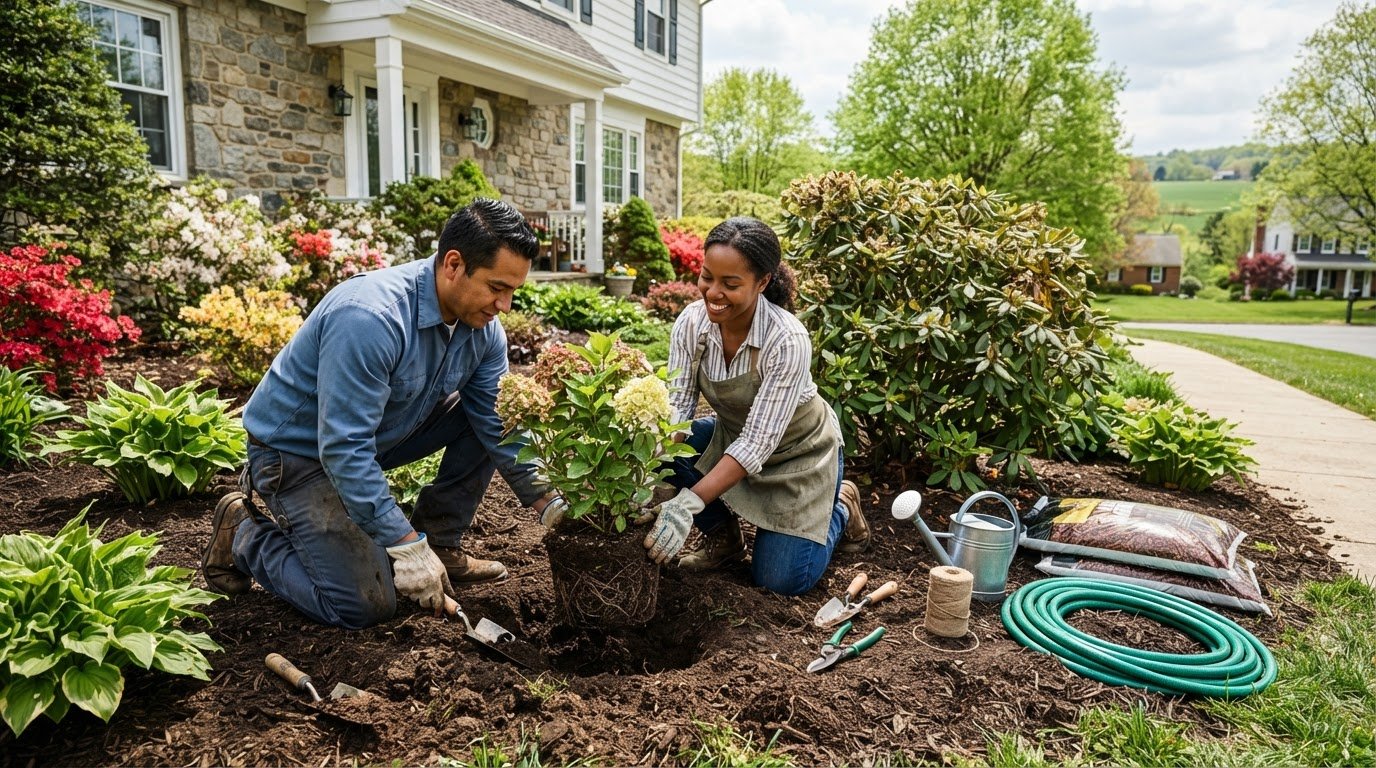
Native plants can support a lower-input design when their growing needs match the yard. Perennials return seasonally, but still need establishment, occasional weeding, and periodic cleanup. Ornamental grasses such as little bluestem add structure, while shrubs can define borders. Keep plant groups large and easy to reach rather than scattering single specimens across the lawn.
Reduce maintenance by planning for mature plant size. Leave room between shrubs and paths, and avoid placing fast-growing plants where they will block access. Use mulch around new plantings to cover exposed soil, keeping it away from stems and trunks. A defined bed also gives mowing a clear boundary and limits awkward trimming.
- Sunny, dry areas: Consider little bluestem and sun-loving perennial flowers.
- Sunny beds: Group purple coneflower and black-eyed Susan for a unified planting.
- Shaded areas: Consider Pennsylvania sedge where the site suits its growing needs.
- Bed borders: Use shrubs with enough room for mature growth and access.
Before planting, note each area’s sun exposure, drainage, and existing turf condition. Then choose plants with similar needs for each bed. That approach simplifies routine care and avoids forcing a plant into the wrong setting. For help planning landscape improvements around your property, discuss your landscaping project.
In Lancaster, Pennsylvania, biweekly lawn cuts account for 23.0% of reported mowing schedules, while monthly lawn cuts account for 7.0%. These figures offer a point of comparison when deciding whether a lawn fits your preferred routine; they do not mean every yard needs the same schedule. If less frequent mowing is a goal, reducing the amount of turf and keeping remaining grass areas easy to access may make upkeep simpler.
Lawns fertilized account for 17.0% of the lawn-care figures reported for Lancaster, Pennsylvania; aerated lawns account for 8.0%, and lawns with leaf removal account for 10.0%. Yard sizes vary, so use your available space to prioritize plantings that can replace difficult-to-mow turf. Use the available space to prioritize plantings where they can replace difficult-to-mow turf, and keep the remaining lawn simple in shape. Choose plants suited to their conditions and leave practical access for seasonal care, rather than adding features that create more routine work.
Snappy Landscaping: Lawn Mowing & Maintenance
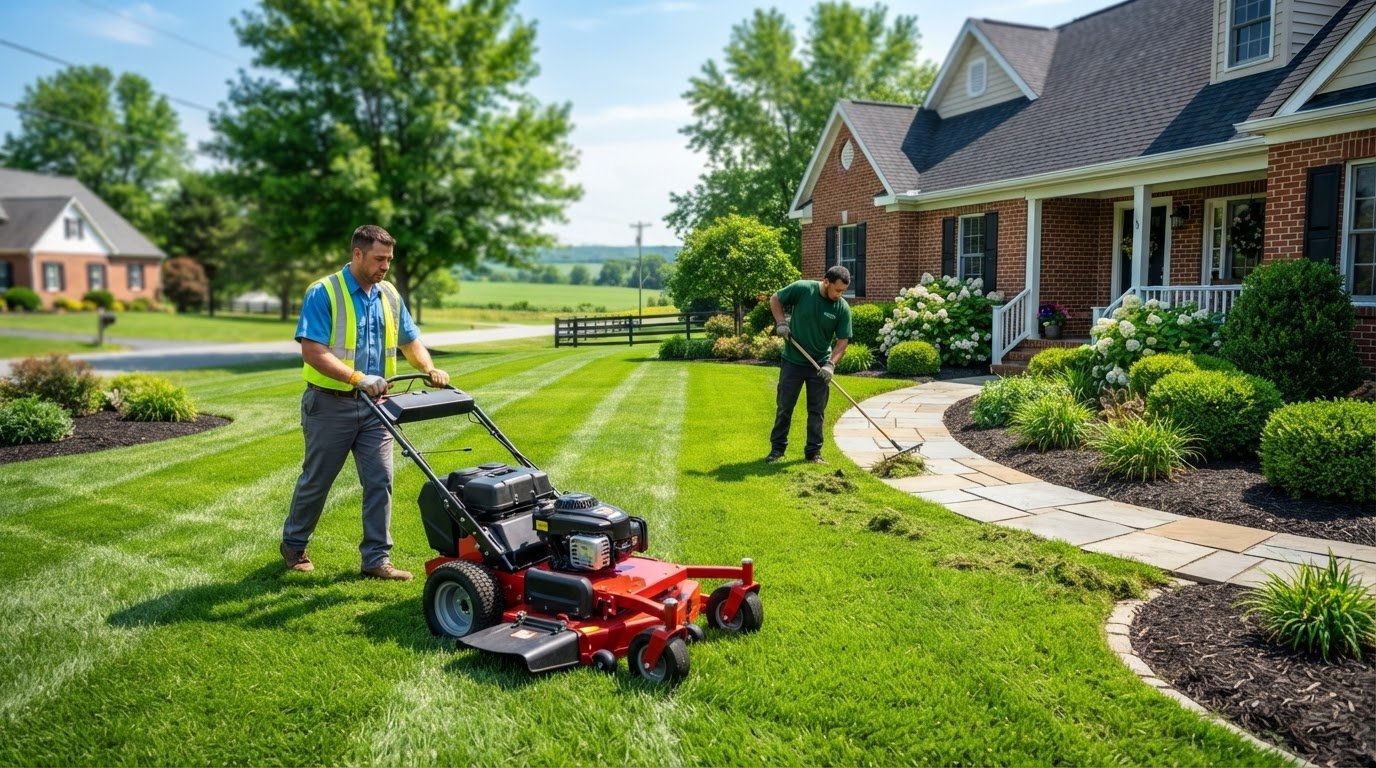
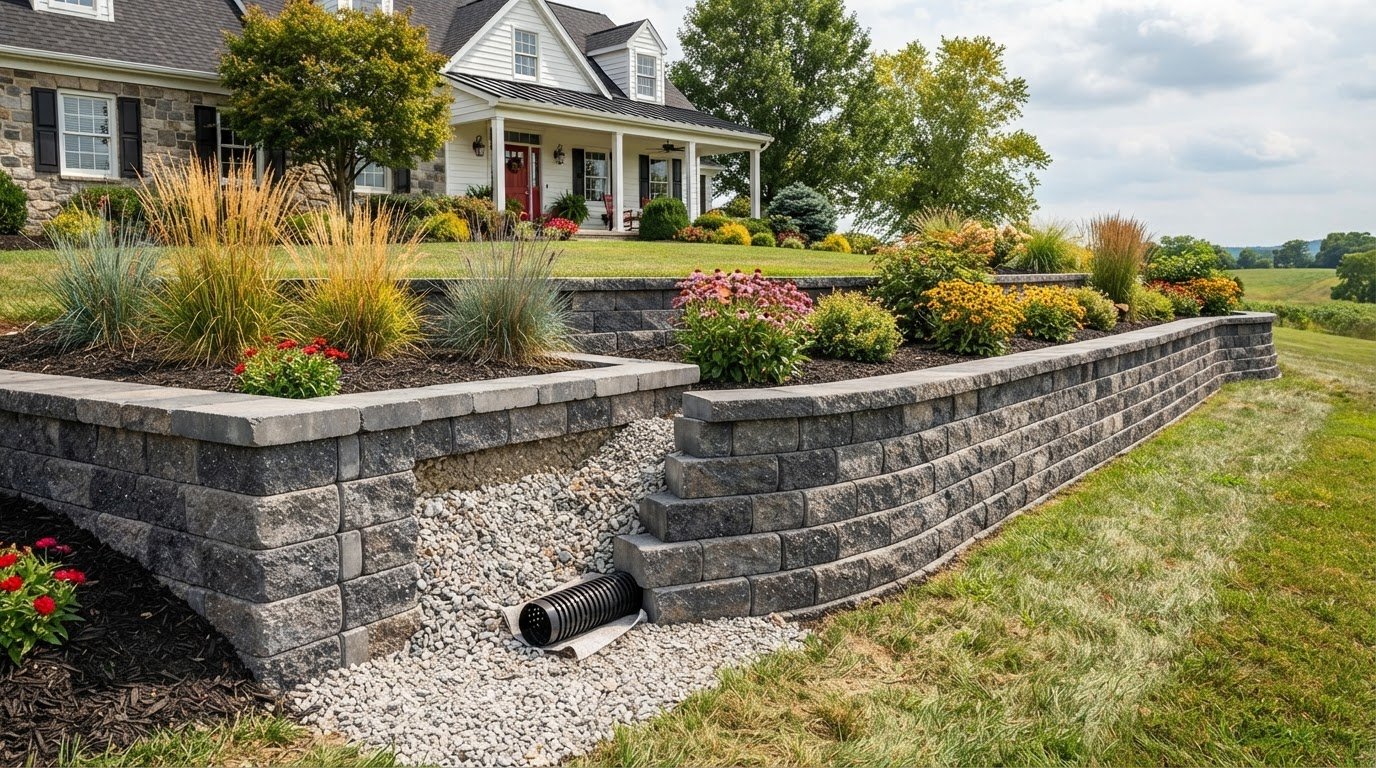
Snappy Landscaping helps property owners in Lancaster, Columbia, and Mountville manage routine lawn care and larger outdoor projects. Choose its Lawn Mowing & Maintenance service when regular mowing and upkeep take time away from other priorities. For a broader property plan, Custom Patio Installation, Retaining Wall Construction, and Drainage Solutions can address outdoor-use or water-management needs.
Start with the task that causes the most upkeep. A consistent mowing plan keeps lawn areas orderly, while drainage work can address recurring water concerns. Patio and retaining wall projects serve different goals, so choose work that fits your property and intended use.
Contact Snappy Landscaping to discuss your lawn maintenance or landscaping needs.
Make your next landscape decision count
A manageable yard starts with choices that suit how you use your property. Decide which outdoor tasks you want to simplify, then shape your plan around those priorities. With low maintenance landscaping in Lancaster PA, steady upkeep and practical improvements can make your space easier to manage.
Snappy Landscaping offers Lawn Mowing & Maintenance for routine lawn care, along with Custom Patio Installation and Retaining Wall Construction for larger property projects. Choose the work that addresses your current need, whether that means keeping the lawn orderly or improving how you use an outdoor area.
Share your goals and the areas that need attention. Contact Snappy Landscaping today to discuss a practical next step for your property. A clear plan can help you move forward with confidence and create an outdoor space that works better for you.
Frequently Asked Questions
How much do landscaping services cost near me?
Landscaping pricing varies based on property size, service frequency, and maintenance requirements. Snappy Landscaping provides free estimates for properties in Lancaster, PA; Mountville, PA; Columbia, PA; Landisville, PA; Manheim, PA; Mount Joy, PA; Lititz, PA; Ephrata, PA; East Petersburg, PA; Millersrow, PA; Elizabethtown, PA; Leola, PA; New Holland, PA; Willow Street, PA; Strasburg, PA; Quarryville, PA; Denver, PA; Hempfield, PA; East Hempfield, PA; West Hempfield, PA. Request an estimate based on your property’s needs.
What questions should I ask nearby landscapers before hiring?
Ask what tasks the estimate covers, how often work is scheduled, and how changes to the scope are handled. For example, clarify whether a lawn maintenance plan includes mowing, seeding, or seasonal maintenance. Also ask how recommendations and estimates are communicated. Snappy Landscaping is licensed and insured, and its team is background-checked. These details help you understand the service and who will work on your property.
How much does low-maintenance landscaping cost in Lancaster PA?
There’s no single cost for low maintenance landscaping in Lancaster PA. Pricing varies based on property size, service frequency, and maintenance requirements. Routine mowing differs from a project involving a patio, retaining wall, or drainage solution. Snappy Landscaping provides a free estimate for each property. Describe the areas you want to simplify and the work you’re considering so the estimate reflects your needs.