
What if the standing water in your backyard is actually a warning sign that your home's foundation is under attack? You've likely spent hours wondering how to fix yard drainage problems while watching your prize landscaping turn into a muddy marsh. It's incredibly frustrating to see pets track filth across your clean floors or to feel a surge of anxiety every time the forecast calls for heavy rain. You don't just want a temporary patch. You need a functional, long-term strategy to reclaim your property and restore order to your outdoor space.
We agree that a saturated lawn is more than an eyesore; it's a liability that devalues your home and threatens its structural integrity. This guide helps you identify the root causes of poor water flow and provides the exact steps to implement permanent solutions. We'll examine the critical role of professional grading, the mechanics of subsurface systems, and the latest 2026 regulations regarding stormwater runoff. You'll gain a clear roadmap to a dry, usable backyard and the confidence to choose the right protection for your home's foundation.
Identifying the Root Cause of Your Yard Drainage Issues
Before you can determine how to fix yard drainage problems, you must understand where the water originates. Surface water runoff is usually the result of intense storms where the volume of rain exceeds the soil's absorption capacity. In contrast, high groundwater tables involve water rising from beneath the surface. This often leads to persistent soggy patches even days after the rain stops. Identifying which type of water issue you face is the first step toward a dry property.
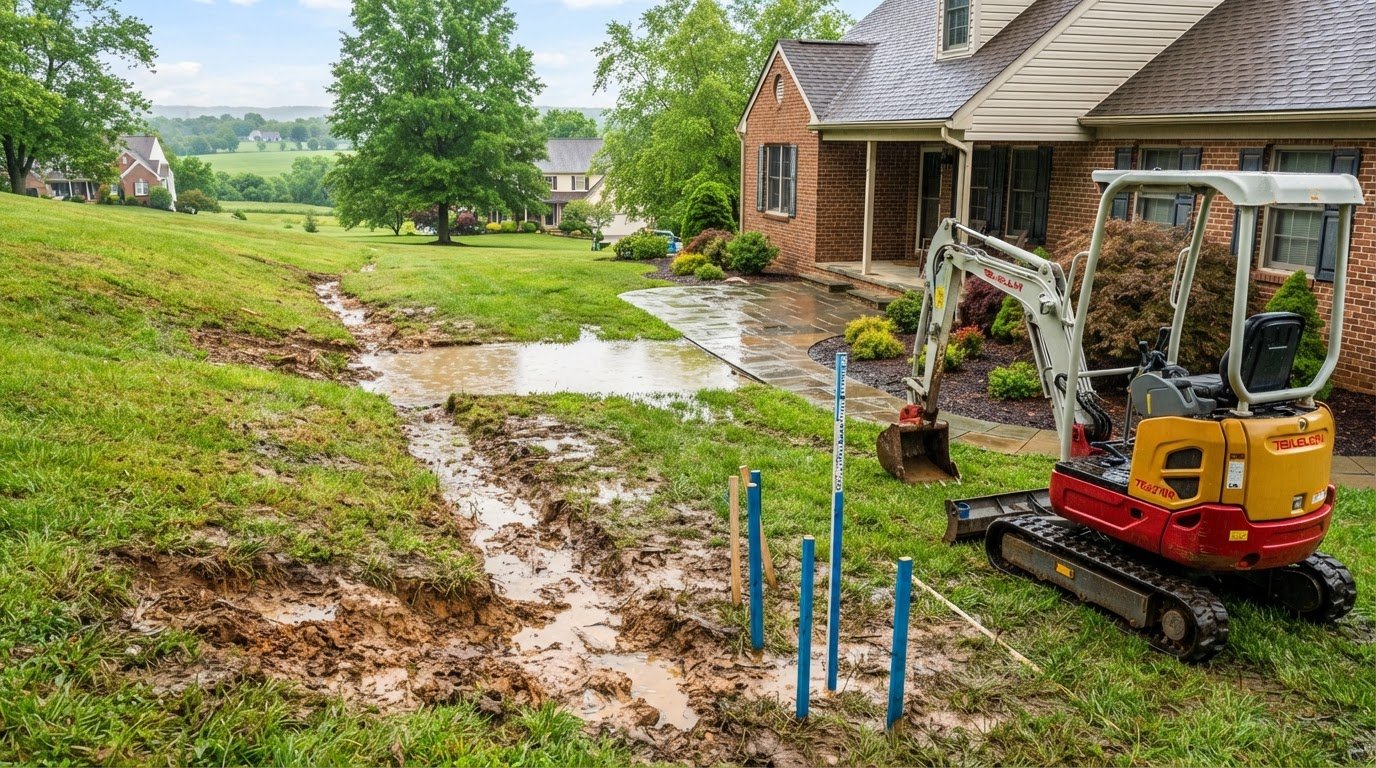
Inspect your lawn for biological clues. Moss thrives in constantly damp, shaded areas, while yellowing grass often signals that roots are drowning in anaerobic soil. During a heavy Lancaster rainstorm, put on your boots and walk the property to observe flow patterns. Does water sheet toward your home or pool in specific depressions? Check your foundation for hairline cracks or white, powdery efflorescence on basement walls. These are clear signals that hydrostatic pressure is building against your home's structure and requires immediate attention.
Common Culprits: From Clogged Gutters to Poor Grading
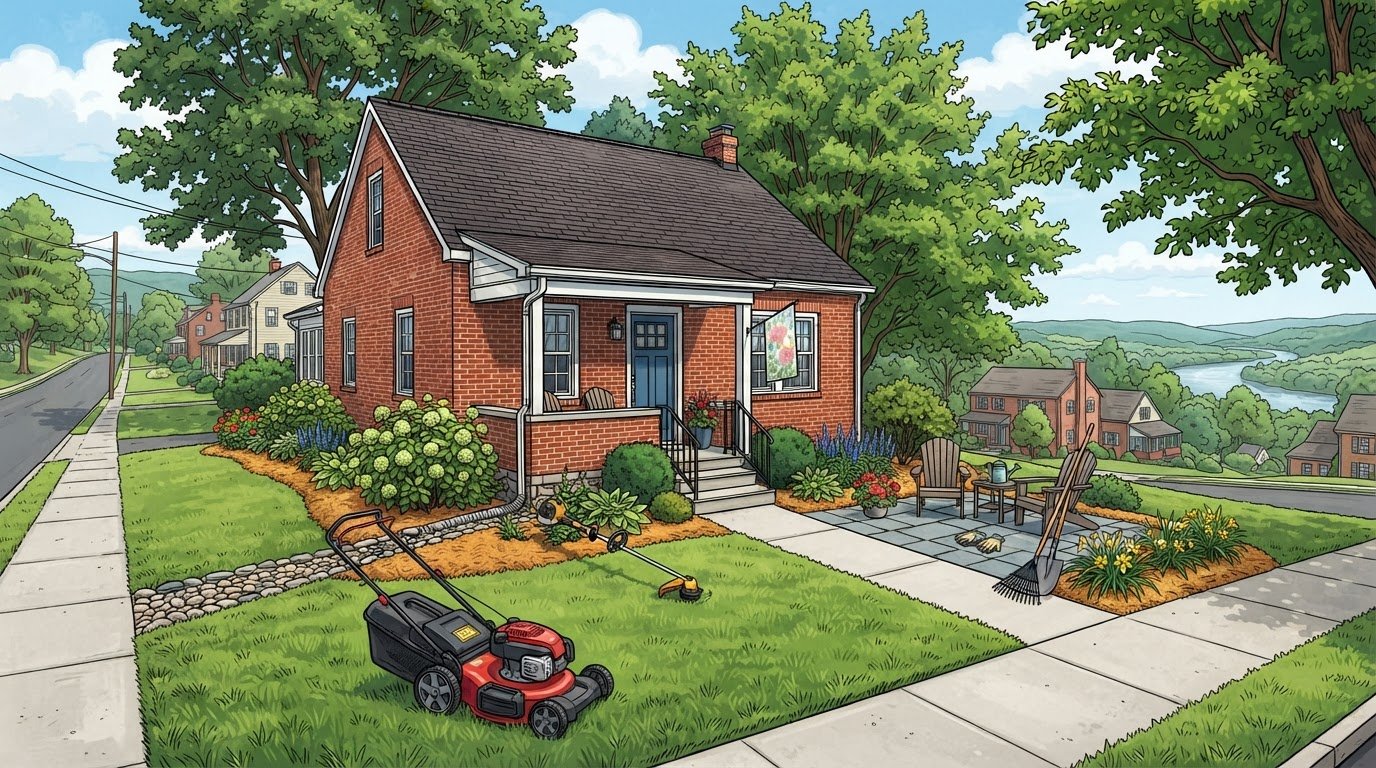
Start with the basics. Misdirected or clogged downspouts dump hundreds of gallons of water directly at your foundation line, causing localized flooding. Many homeowners also struggle with low spots created by natural soil settling or improper initial grading. Don't overlook your neighbors. If their property sits higher than yours, their runoff becomes your problem. Effective lawn maintenance starts with ensuring these external factors aren't sabotaging your yard. Identifying these culprits helps you decide if you need simple maintenance or a more robust drainage system.
Testing Your Soil's Percolation Rate
Lancaster County is known for its heavy clay soil. This material acts like a sponge that refuses to wring itself out, making it difficult to manage water naturally. To see how your soil stacks up, perform a simple DIY perc test. Dig a hole 12 inches deep and 12 inches wide. Fill it with water and let it drain completely to saturate the area. Fill it again and measure how much the water level drops every hour.
If the water drains less than one inch per hour, your soil has poor percolation. In these cases, simple core aeration won't solve the issue. You likely need professional drainage strategies that bypass the clay layer entirely. Understanding this rate is essential when learning how to fix yard drainage problems because it dictates whether you need surface solutions or deep-soil intervention. Proper testing prevents you from wasting money on solutions that your soil simply cannot support.
Essential Drainage Solutions: French Drains, Catch Basins, and Swales
Once you've identified the source of your water issues, you need the right hardware to move it. Knowing how to fix yard drainage problems requires matching the solution to the specific behavior of the water on your lot. Some homeowners deal with surface ponds; others struggle with a lawn that feels like a sponge for weeks. A professional approach often integrates multiple components to create a reliable, long-term system that protects your investment.
What is a French Drain and How Does it Work?
A French drain is a gravel-filled trench with a perforated pipe that redirects groundwater away from your home's foundation. Unlike surface drains, this system relies on the physics of rising groundwater. As the water table climbs, it enters the pipe from the bottom; the pipe then carries it away before it can saturate your topsoil. Every reliable installation requires high-quality filter fabric to prevent silt from clogging the system, clean aggregate to facilitate flow, and a minimum slope of one percent to ensure gravity does the work.
While French drains handle what you can't see, catch basins manage what you can. These basins are heavy-duty boxes with a grate on top. They capture large volumes of surface water from low spots or custom patio installations. For a more natural look, dry creeks and swales use shallow, rock-lined channels to guide heavy runoff across the property without the need for extensive underground piping. To finish the system, install pop-up emitters at the discharge point. These devices stay flush with the ground until water pressure lifts the lid, allowing for safe distribution without leaving an open pipe for rodents to enter.
Catch Basins vs. French Drains: Choosing the Right Tool
Choose catch basins for visible pooling on hard surfaces or in deep yard depressions. They work fast and are easy to clear of leaves and yard waste. French drains are the superior choice for high water tables and general lawn sogginess that persists long after the rain stops. In many Lancaster properties, we combine both systems to provide comprehensive protection. This ensures your foundation stays dry while your lawn remains usable throughout the year.
All systems require periodic maintenance to remain effective. You should clear debris from basin grates every season and check that your discharge pipes remain free of obstructions. If you are unsure which system fits your specific slope, it's best to consult with a drainage specialist to avoid costly errors. Proper integration of these tools is the only way to ensure a permanently dry backyard.
DIY Fixes vs. Professional Grading and Drainage Services
Deciding how to fix yard drainage problems often starts with a choice between a weekend project and professional intervention. Some issues are manageable with basic tools and a bit of effort. Extending your downspouts at least six to ten feet away from the foundation is a simple win that prevents immediate basement seepage. Regularly cleaning debris from existing grates and gutters ensures your current systems function at peak capacity. These tasks are essential maintenance, but they rarely solve systemic issues caused by the land's natural shape.
Precision is the primary barrier for most DIY attempts. Success depends entirely on the "1% Slope Rule," which dictates that for every 100 feet of pipe or trench, the elevation must drop at least one foot. Without this exact measurement, water will stagnate in your pipes, leading to clogs and foul odors. Professional teams use specialized transit levels to ensure this pitch remains consistent across the entire run. If your project requires moving more than 50 cubic yards of earth or managing complex elevations, the physical labor and technical requirements usually exceed what a shovel can provide.
When a Shovel Isn't Enough: The Role of Yard Grading
Yard grading is the strategic reshaping of your property's surface to control the path of water. While a French drain manages water beneath the surface, professional yard grading services create a permanent "positive pitch" that sheds water away from your home's perimeter. Many Lancaster lots appear flat to the naked eye, but they often contain subtle high points that trap water against the house. We utilize laser-level technology to achieve sub-inch accuracy, ensuring that every square foot of your lawn contributes to a dry foundation. This proactive approach prevents structural failures before they begin.
Legal and Environmental Considerations
Water management is not just a personal matter; it is a legal one. You cannot legally redirect your property's runoff so that it "dumps" onto a neighbor's land or creates a hazard on public roads. In areas like Lancaster and Columbia, local regulations and 2026 stormwater mandates require specific permits for significant landscape alterations. These rules ensure that your drainage solution doesn't negatively impact the local watershed or cause erosion downstream. Securing the proper permits and following municipal codes protects you from future litigation and ensures your drainage system is a permanent, compliant asset to your property.
Step-by-Step Guide: How to Install a French Drain
Installing a French drain is the most effective way to manage subsurface water saturation. When you are researching how to fix yard drainage problems permanently, this system is the gold standard. Start by marking a path that ensures a minimum drop of one inch for every eight feet of run. This slope is non-negotiable. Without a consistent downhill pitch, water will simply sit in your pipe and stagnate, eventually leading to system failure.
Next, excavate a trench approximately 12 inches wide and 18 to 24 inches deep. This provides enough room for a four-inch perforated pipe and the necessary aggregate. Line the entire trench with non-woven geotextile fabric. This specific material allows water to pass through while blocking the silt and fine clay particles that would otherwise clog your system within a few seasons. Use round river stone for your aggregate rather than crushed limestone. Round stones create larger void spaces, which allows water to move much faster through the gravel bed toward the pipe.
Install your pipe with the perforations facing down. This might seem counterintuitive, but it allows water to enter the pipe as the water table rises from below. Once the pipe is set, fill the trench with more stone and wrap the excess fabric over the top. This "burrito" wrap protects the system for its 30 to 40-year life expectancy. Backfill with a thin layer of sand or topsoil to finish the surface and restore your lawn.
Calculating Slope and Exit Points
Accuracy is vital for a functional drain. Use a laser transit or a string level to verify your downhill flow before you lay a single foot of pipe. Your discharge area must be capable of handling the expected water volume without creating a new problem elsewhere. A dry well or a bubbler in a lower section of the yard are common choices for safe discharge. Ensure the exit point is located far from large tree roots, as they will aggressively seek out the moisture inside your perforated pipes and cause blockages.
Common Installation Mistakes to Avoid
Avoid using solid pipe for the collection portion of your system; it cannot pick up groundwater. Skipping the filter fabric is another critical error that leads to a "silted up" system that fails in less than two years. Finally, avoid digging a shallow trench. If the pipe sits too close to the surface, heavy lawn mowers or foot traffic can crush the PVC or corrugated material over time. Taking the time to dig deeper ensures the long-term stability of your landscaping and foundation.
If you need professional assistance with your installation or want to ensure your property is graded correctly, contact our drainage experts for a reliable solution.
Integrating Drainage with Your Hardscape and Landscape Design
Effective property management requires a holistic approach. You cannot separate the beauty of your lawn from the mechanics of its water flow. When you plan a major renovation, use the opportunity to address underlying issues. Understanding how to fix yard drainage problems is the first step toward a landscape that lasts for decades. If you ignore the water budget of your property, even the most expensive upgrades will eventually fail.
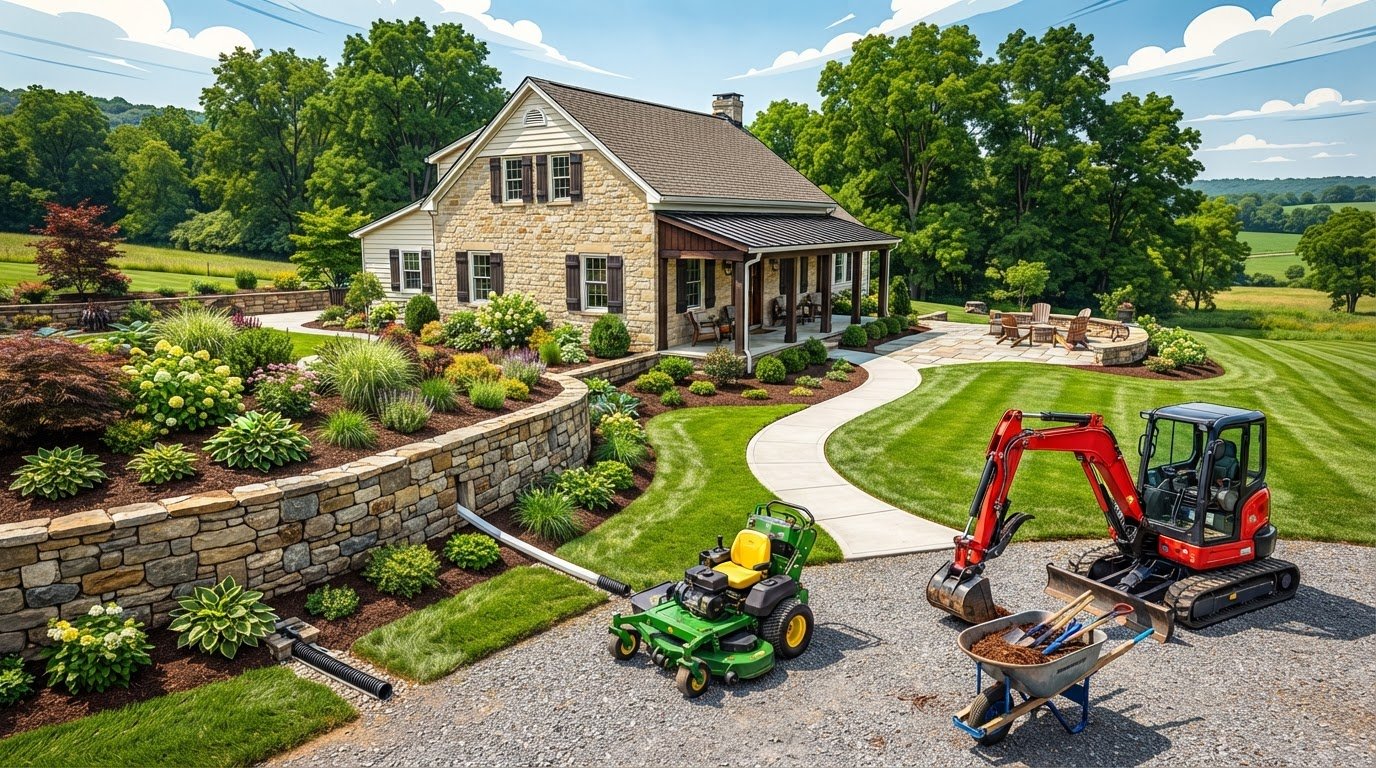
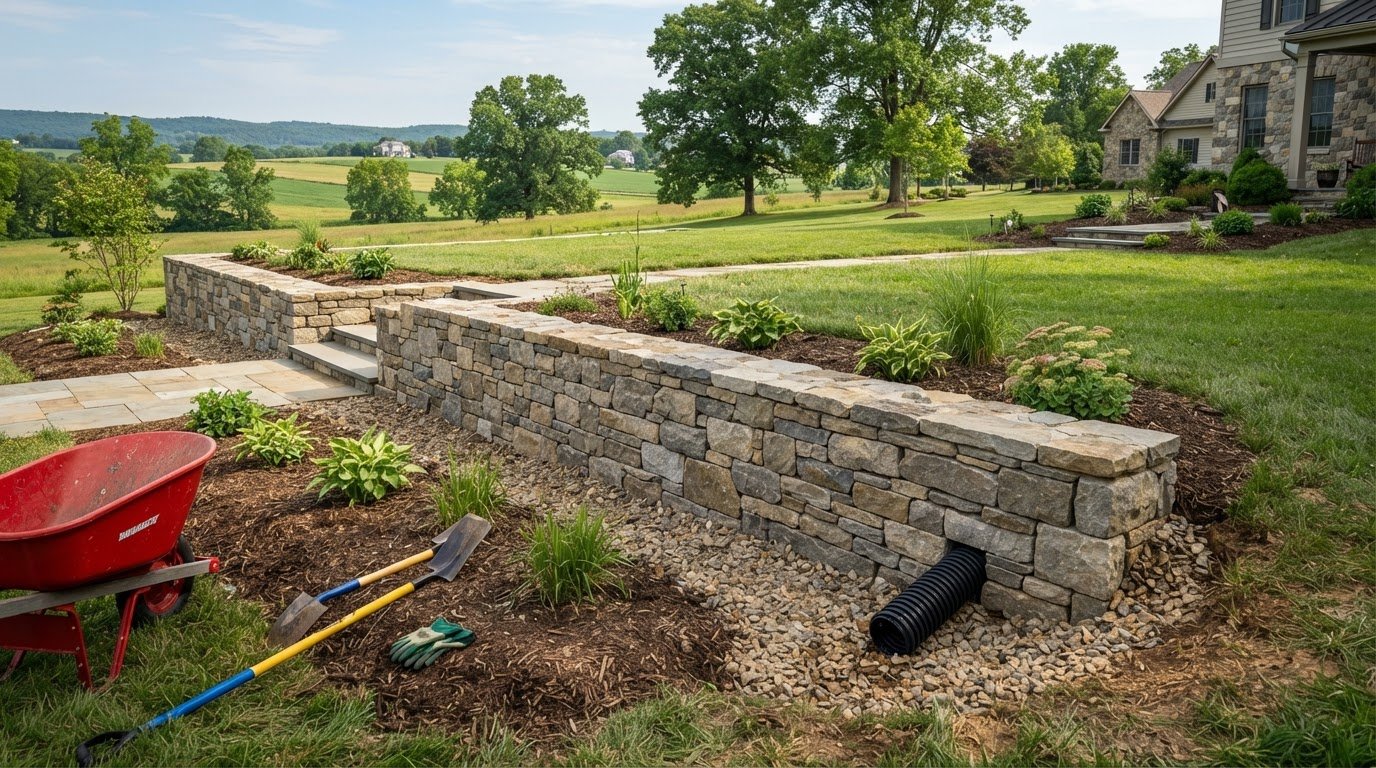
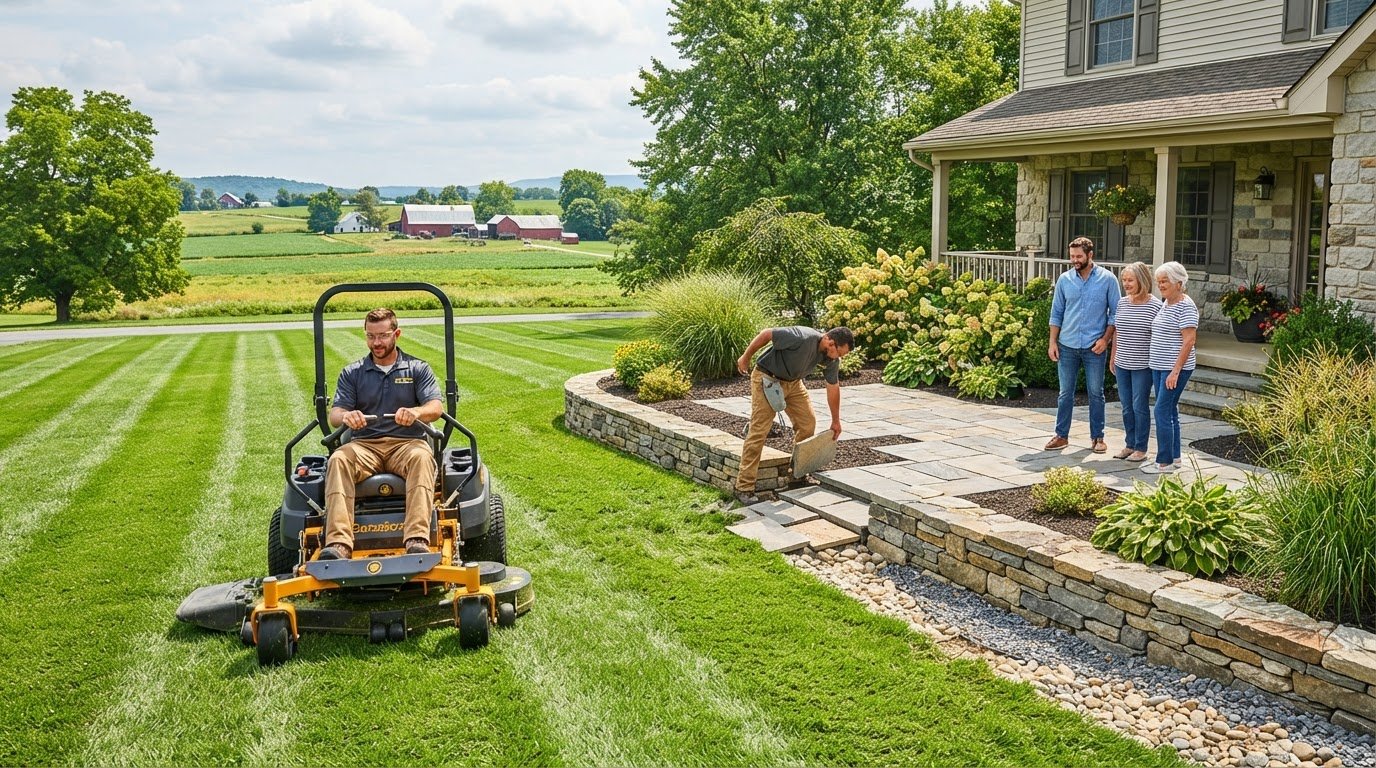
Structural integrity depends on proper water management. For example, retaining wall drainage is absolutely non-negotiable. Without a way for water to escape from behind the wall, the weight of saturated soil will eventually cause the stones to bulge or collapse. Similarly, a custom patio installation provides the perfect moment to regrade your yard. We can reshape the levels of your property during the excavation phase. This ensures that water flows away from your new outdoor living space rather than pooling beneath the pavers.
Natural elements also play a vital role in a dry backyard. High-quality mulch helps retain essential moisture for plants while preventing soil erosion during heavy downpours. You can also design 'Rain Gardens' in naturally low areas of your lot. These specialized garden beds use deep-rooted native plants to absorb and filter runoff before it enters the local water system. This eco-friendly strategy turns a drainage problem into a functional landscape feature.
Protecting Your Hardscape Investment
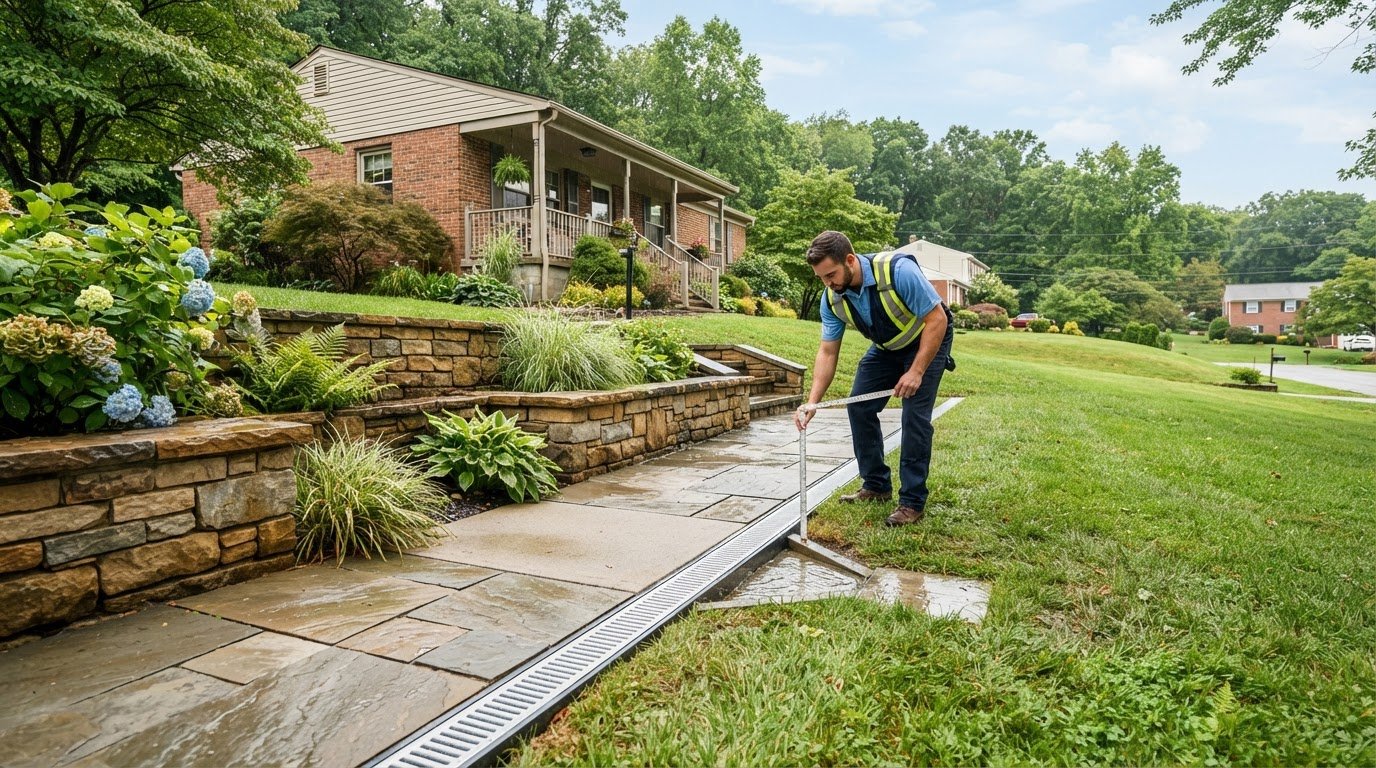
Water is the primary enemy of stone and concrete. Hydrostatic pressure occurs when water builds up behind a structure, exerting thousands of pounds of force. To prevent this, we often integrate trench drains into new walkway installations. These narrow, grated channels capture surface water before it can seep into the base material. We also recommend a thorough property clean-up before starting any major drainage work. Removing old debris and overgrown brush allows for a clear view of the land's natural contours. This ensures our grading is perfectly accurate from the start.
Long-Term Maintenance of Your Drainage System
Your drainage system is a mechanical asset that requires regular attention. Conduct annual inspections at all discharge points to ensure they are free of leaves, silt, or rodent nests. If you notice slow drainage, flush the lines with a high-pressure garden hose to clear out sediment before it hardens into a permanent clog. Consistent care prevents minor issues from becoming expensive structural repairs. Ready for a dry yard? Contact Snappy Landscaping for a professional evaluation to secure your home's future and restore order to your property.
Take Control of Your Property's Future
Solving your water issues requires more than a weekend of digging; it demands a strategic understanding of your land's specific water budget. By identifying whether you face surface runoff or rising groundwater, you can select the precise combination of French drains, catch basins, and professional grading. Remember that managing water is the essential foundation for any successful hardscape or landscape project. Neglecting these systems puts your home's structure and your outdoor investment at significant risk.
You don't have to tackle the complexities of Lancaster County's clay soil alone. We provide an integrated approach that combines expert water management with high-end hardscaping to ensure your property stays dry and functional. As a fully licensed and insured local specialist, we have the expertise to navigate terrain challenges and 2026 local regulations. If you're ready to stop the mud and start enjoying a dry, usable backyard, it's time to learn how to fix yard drainage problems with a permanent, professional solution.
Schedule a Professional Drainage Consultation with Snappy Landscaping today and protect your home for decades to come. You deserve the peace of mind that comes with a stable foundation and a beautiful, dry lawn.
Frequently Asked Questions
How much slope is needed for a yard to drain properly?
A minimum slope of one to two percent is required for effective surface drainage. This means the land should drop at least one foot for every 50 to 100 feet of distance away from your home. In flatter areas of Lancaster, achieving this precise pitch is critical to prevent water from stagnating. We use laser levels to ensure this slope remains consistent across the entire property, directing runoff safely toward a designated discharge point.
Will a French drain get clogged over time?
Yes, a French drain can clog if it's not installed with a high-quality non-woven geotextile fabric. This fabric acts as a filter to keep fine silt and clay out of the pipe. Without it, sediment will eventually fill the gravel voids and the pipe itself, rendering the system useless. When installed correctly with proper filtration and clean aggregate, a professional drainage system can remain functional for 30 to 40 years.
Can I fix yard drainage without digging?
You can improve minor surface issues without major excavation by extending downspouts or using specific landscaping techniques. Adding core aeration or top-dressing your lawn with sand can help with very slight dampness in Lancaster's clay soil. However, these aren't permanent solutions for significant pooling. Most homeowners looking for how to fix yard drainage problems for the long term will eventually require professional grading or subsurface pipe installation to see real results.
What is the cheapest way to fix yard drainage problems?
The most cost-effective solution is usually extending your downspouts and ensuring your gutters are clear. Directing water six to ten feet away from your foundation prevents many common basement issues for a very low cost. Cleaning out existing swales or removing debris from natural drainage paths also costs nothing but time. While these steps are affordable, they only work if the primary issue is localized runoff rather than a high water table.
Does homeowners insurance cover yard drainage issues?
Standard homeowners insurance policies typically don't cover yard drainage issues or damage caused by surface water flooding. Coverage is usually limited to sudden and accidental pipe bursts inside the home. If a lack of proper grading leads to foundation damage or a wet basement over time, the cost of repairs generally falls on the homeowner. It's much more affordable to invest in professional drainage solutions now than to pay for structural foundation repairs later.
Can I pipe my yard drainage into the street or storm sewer?
In many parts of Lancaster County, it's illegal to pipe private drainage directly into the municipal storm sewer without a specific Right-of-Way permit. You also can't simply dump water onto a public street where it might create ice hazards in the winter. Most local regulations require you to manage stormwater on your own property using dry wells, rain gardens, or bubblers. Always check with your local municipality before connecting any pipes to public infrastructure.
How do I know if I need a French drain or a catch basin?
You need a catch basin if you see water pooling in a specific low spot or on a hard surface like a driveway. These basins capture surface water quickly through a top grate. A French drain is the better choice if your entire lawn feels like a wet sponge or if you have a high water table. Many properties in Columbia and Mountville require a combination of both to manage both surface runoff and subsurface saturation effectively.
Will planting more trees help with my soggy yard?
Planting trees can assist with water absorption, but it's rarely a complete solution for a major drainage problem. A mature tree can drink significant amounts of water; however, it can't fix a low spot where water naturally collects due to poor grading. Tree roots can also eventually grow into and clog perforated drainage pipes. Use plants as a supplementary tool in a rain garden rather than a replacement for a mechanical drainage system.