
Most homeowners treat mulch as a simple cosmetic cover-up. In Lancaster County, it's actually a precision-engineered tool for soil survival. If you want the professional mulch installation Lancaster PA results that last, you need more than a rake and a spare afternoon. It's a strategic layer of protection that balances moisture, suppresses pests, and regulates soil temperature for your perennials.
We know the frustration of watching your investment wash away after a spring storm or seeing weeds invade your beds within weeks. You want a clean, weed-free garden that boosts your curb appeal without the constant maintenance headache. This guide reveals the professional secrets to selecting materials, calculating exact volumes, and installing mulch with precision. We'll walk through the specific steps to safeguard your Pennsylvania property and ensure your landscape looks sharp through 2026.
Beyond Aesthetics: Why Mulch is Vital for Lancaster County Soil
Professional mulch installation Lancaster PA is a functional necessity, not just a visual upgrade. It acts as a resilient barrier between your delicate plant roots and the harsh elements. When homeowners ask What is Mulch? they often focus on the color. In reality, it's a protective layer of material applied to the soil surface to fundamentally improve the growing environment. It stabilizes the ground and provides a consistent habitat for the beneficial organisms that keep your garden beds alive.
Pennsylvania springs are notoriously unpredictable. We often see 70-degree afternoons followed by overnight frosts. This volatility wreaks havoc on unmulched soil, causing rapid freeze-thaw cycles that can heave perennials right out of the earth. Mulch insulates the ground, keeping temperatures steady and preventing root shock. During our humid Lancaster summers, this same layer locks in moisture. It prevents the sun from baking the earth, ensuring your plants don't wilt during a July dry spell.
Lancaster is famous for its heavy clay soil. While nutrient-rich, this clay compacts easily, which chokes out oxygen and prevents water from reaching roots. Organic mulch solves this over time. As it breaks down, it introduces vital organic matter into the substrate. This process slowly loosens the clay, improving drainage and creating a crumbly, healthy soil structure that supports long-term plant growth. It's a slow-motion soil restoration project that happens right under your feet.
The Science of Soil Protection
Heavy rains can quickly wash away exposed topsoil on sloped Lancaster properties. Mulch breaks the impact of raindrops, preventing erosion and keeping your garden beds intact. It also acts as a natural barrier against invasive species. By blocking sunlight, it starves weed seeds of the energy they need to germinate and take over your landscape. Mulch serves as a biological blanket for your landscape. It keeps the good things in and the bad things out.
Boosting Curb Appeal in Lancaster
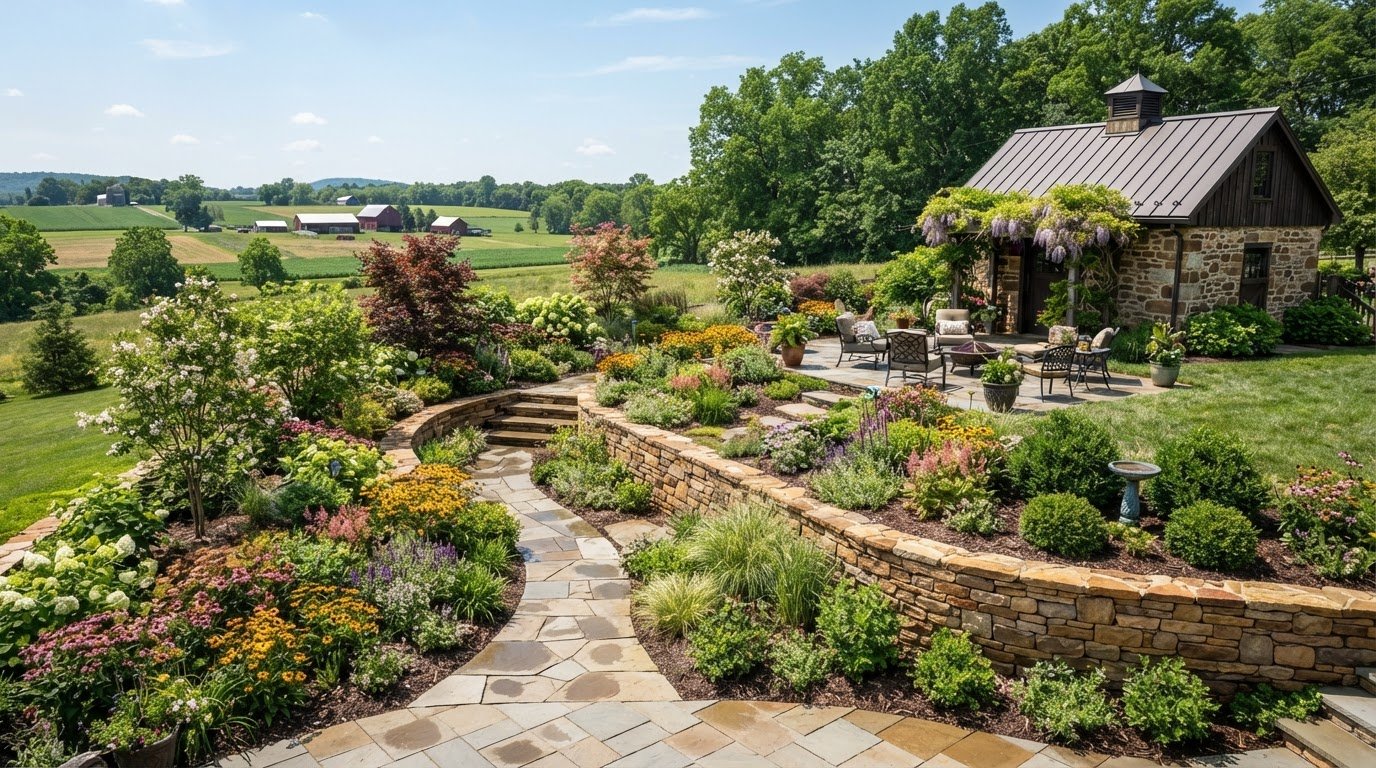
A clean, freshly mulched bed provides immediate visual order. It creates a sharp, professional contrast that signals to neighbors and potential buyers that the property is meticulously managed. When we integrate this with our lawn maintenance services, the result is a high-end look that stands out in any neighborhood. Professional edging defines the transition between turf and garden, creating a crisp line that elevates the entire property's value. It's the fastest way to restore order to a chaotic yard.
Selecting the Best Mulch for Pennsylvania Landscapes
Selecting the right material is the first step in a successful mulch installation Lancaster PA project. Central Pennsylvania offers a variety of textures and colors, but your choice should depend on your specific landscape goals. Organic mulches are the heavy lifters for soil health. They decompose and feed the earth, which is vital for the clay-heavy beds we discussed earlier. Inorganic options like stone offer longevity but won't help your plants grow. Your decision dictates how much time you'll spend weeding and watering in the coming months.
Reviewing a survey of available mulch options helps you understand the trade-offs between cost and function. Dyed mulches are popular for their consistent color. Black and brown dyes provide a high-contrast, high-end look that lasts longer than natural hardwood. Be aware that black mulch absorbs more heat. This can be beneficial in early spring but may stress shallow-rooted plants during a Lancaster heatwave. Choose a color that complements your home's siding to maximize curb appeal.
Many homeowners worry about wood mulch attracting termites near their homes. This is largely a myth. Termites don't feed on the mulch itself; they're drawn to the moisture it holds. We recommend keeping mulch about six inches away from your foundation to prevent any issues. This simple step protects your home while still providing the benefits your garden needs. It's about managing moisture levels and maintaining a clear boundary between your landscape and your structure.
Organic Mulch Options
Hardwood mulch is the workhorse of Lancaster County. It's affordable, durable, and stays in place well on slopes. Cedar mulch is a premium alternative. It resists decay and naturally repels certain insects. If you have acid-loving plants like azaleas or rhododendrons, pine bark nuggets are the superior choice. They maintain a lower pH level that these specific varieties crave for optimal health.
Inorganic and Specialty Mulches
Stone and river rock are excellent for high-traffic areas or spots with poor drainage. They don't need annual replacement, which reduces long-term labor. For vegetable gardens or new lawn seeding, straw is the practical choice. It's lightweight and easy to remove or till under once it has served its purpose. Choosing the right material from the start prevents future maintenance headaches and ensures your property looks sharp all year. If you're unsure which material fits your specific beds, reach out to our team for a professional assessment.
Step-by-Step: How to Install Mulch for Professional Results
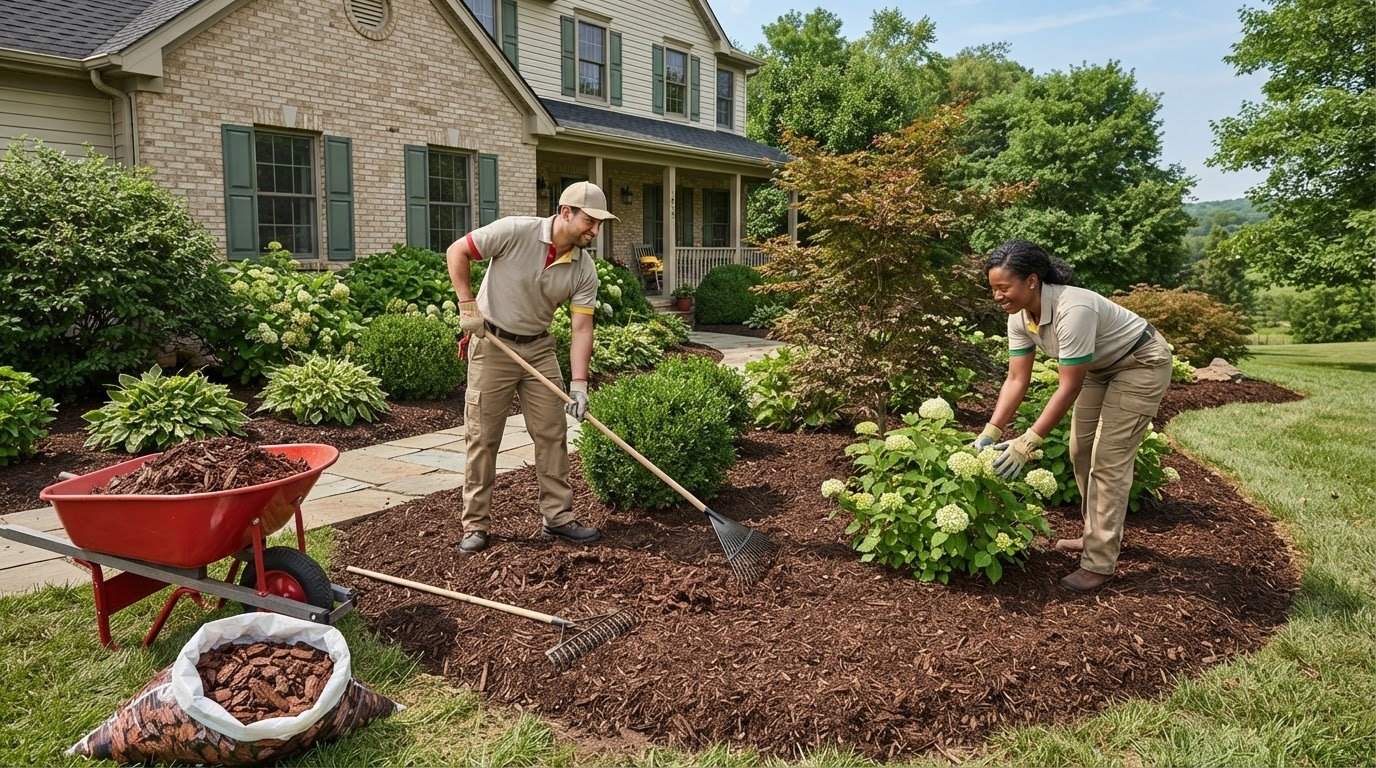
Professional mulch installation Lancaster PA isn't just about dumping material; it's about a systematic execution. You need the right tools to do the job efficiently. Gather a sturdy pitchfork for moving bulk material, a high-capacity wheelbarrow for transport, and a sharp edging spade for definition. Success begins with the "Clean Start" method. This means your garden beds must be completely clear of debris, dead leaves, and invasive growth before the first scoop of mulch hits the ground. Skipping this prep work is the fastest way to guarantee a weed-filled landscape by mid-summer.
Phase 1: Preparation and Edging
Pulling weeds is the most tedious part of the process, but it's non-negotiable. You must remove the root system entirely. If you simply cover weeds with mulch, they'll use the newly retained moisture to punch through the surface within days. Once the soil is clear, use your spade to cut a "deep V" edge along the entire perimeter of the bed. This three-inch deep trench is the secret to that crisp, high-end look. It creates a physical barrier that keeps mulch from washing onto your lawn and stops grass roots from invading your garden. If your beds are currently overwhelmed with winter debris or overgrown brush, our property clean-up services provide the professional reset your landscape needs before mulching begins.
Phase 2: Spreading and Leveling
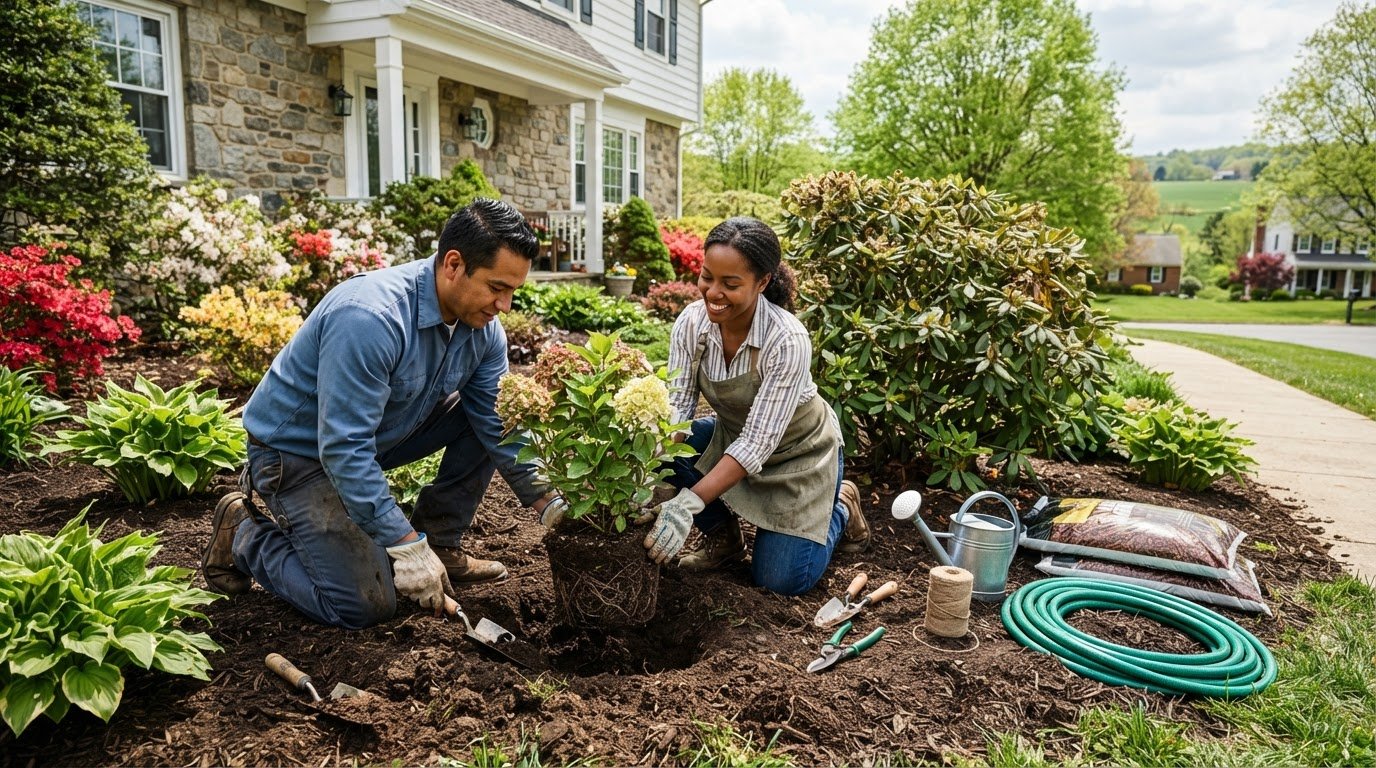
When you start spreading, dump small piles of mulch throughout the bed rather than one large mound. This makes leveling much easier and prevents back strain. Use a hard rake to distribute the material evenly across the open spaces, then switch to your hands to tuck mulch around the base of your plants. Always keep mulch about two inches away from the stems of your flowers and shrubs. Three inches is the "Goldilocks zone" for mulch depth in Lancaster gardens. Any thinner and weeds will find the sunlight; any thicker and you risk preventing oxygen from reaching the soil and suffocating your plants.
When working around trees, follow proper mulching techniques to avoid the common "volcano mulching" mistake. This happens when mulch is piled high against the trunk, resembling a mountain. This practice is a slow death sentence for trees. It traps moisture against the bark, which leads to rot, fungal disease, and insect infestation. Instead, keep the mulch a few inches away from the trunk flare where the tree meets the ground. Your mulch should look like a flat donut, not a volcano. This allows the root flare to breathe while still providing the moisture retention and temperature regulation the tree needs to thrive.
Timing and Estimating: When and How Much to Mulch
Timing determines the success of your mulch installation Lancaster PA. If you apply it too early, you might trap cold moisture against the soil and delay plant growth. Apply it too late, and you've already lost the battle against aggressive spring weeds. For most Lancaster homeowners, the peak window opens in late March and runs through May. This timing ensures your garden beds look their best just as the growing season hits its stride and provides the maximum benefit for moisture retention during the coming summer heat.
Do you need to mulch every year? Most organic mulches like hardwood or bark decompose within 12 months. If you want to maintain soil health and a crisp aesthetic, annual application is the standard. However, if your existing layer is still two inches thick and the color hasn't faded, a light "top-dressing" might be all you need. Consistency is the key to preventing the soil erosion and compaction issues we discussed in earlier sections.
The Lancaster Mulching Calendar
Early spring is the traditional choice for a reason. It provides immediate weed suppression and sets a clean stage for your perennials. However, don't overlook the benefits of a fall application. Applying a fresh layer in late October or November insulates root systems against the deep freezes common in Central Pennsylvania. This extra protection can be the difference between a thriving shrub and one that suffers from winter dieback. For more advice on preparing your property for the changing seasons, check out our seasonal lawn cleanup tips.
Calculating Your Mulch Needs
Precision prevents waste and saves money. To calculate your volume, multiply the length of your bed by the width, then multiply that by your desired depth in feet. For a standard three-inch layer, use 0.25 feet. Divide the total by 27 to find the number of cubic yards required. For example, a 100-square-foot bed at three inches deep requires approximately one cubic yard of mulch.
- Bags: Best for small, isolated beds or minor touch-ups. Most bags contain 2 cubic feet, meaning you need about 14 bags to equal one cubic yard.
- Bulk Delivery: Essential for large properties or HOAs. It is significantly more cost-effective than bagged options when ordering more than two cubic yards.
- Irregular Beds: Break the area into smaller squares or circles to estimate the total square footage more accurately. Always round up slightly to ensure full coverage.
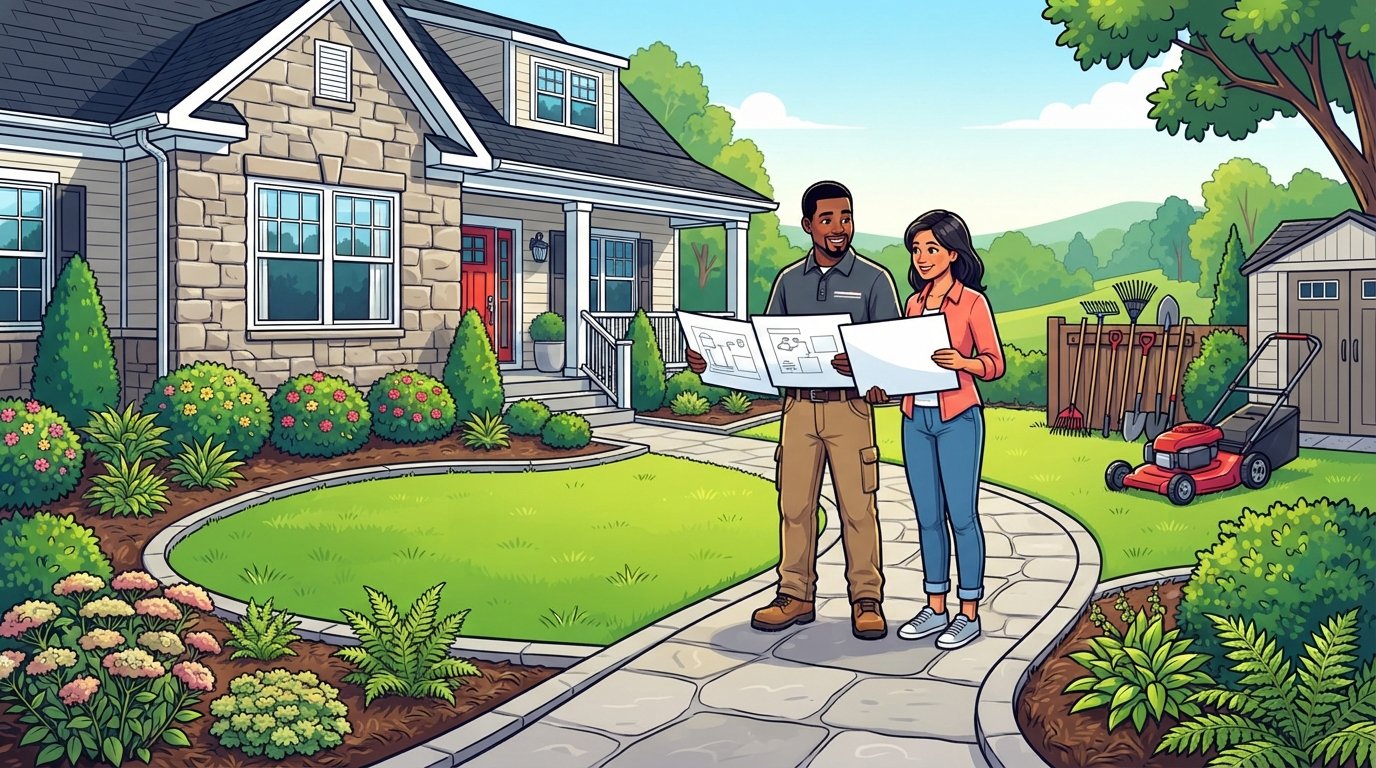
Estimating for large or complex landscapes can be tricky. If you want an exact quote and professional execution for your property, contact our team today to schedule your installation.
Professional Mulch Installation: The Snappy Landscaping Advantage
DIY projects often start with good intentions but end in exhaustion. Moving cubic yards of heavy material is back-breaking work that consumes your entire weekend. When you choose Snappy Landscaping for your mulch installation Lancaster PA, you reclaim your time and protect your health. We don't just toss mulch over existing problems. Our full-service approach includes detailed weeding, professional deep-V edging, and complete debris removal. This preparation ensures your new mulch layer actually functions as a protective barrier rather than a temporary cosmetic fix.
The material we provide is superior to standard retail options. Big-box store bags often contain inconsistent fillers that fade or wash away after the first storm. We utilize premium, commercial-grade mulch that is specifically selected for its durability and color retention. This material is triple-ground to create a dense, interlocking mat that suppresses weeds more effectively. It provides the clean, uniform look that high-end Lancaster properties demand.
Why Hire a Local Expert?
We have deep knowledge of Lancaster County soil and plant life. Our team knows how to adjust application techniques for different slopes and plant varieties. We bring specialized equipment that allows us to work faster and cleaner than a homeowner with a rake and a wheelbarrow. This efficiency is especially vital for large residential estates and HOA property managers who need consistent results across multiple acres. You get the peace of mind that comes from a professional-grade finish without the physical toll.
Integrated Property Maintenance
Successful landscaping requires a holistic view of your yard. Mulching is a critical component of our broader lawn care and maintenance programs. We often recommend tree trimming as a precursor to bed work. Removing dead branches first prevents debris from ruining your fresh mulch layer. This methodical workflow is what sets us apart as a dependable partner for your property's long-term health. Ready to transform your garden beds? Schedule your mulch installation with Snappy Landscaping today!
Secure Your Property's Health for the 2026 Season
Mastering mulch installation Lancaster PA is a strategic investment in your soil's long-term health and your home's immediate curb appeal. By choosing the right organic materials and following a strict preparation process, you effectively prevent weed invasion and protect delicate root systems from Pennsylvania's volatile weather. Remember that a "Clean Start" approach, featuring deep-V edging and thorough weeding, is what separates a professional finish from a temporary cosmetic fix.
Snappy Landscaping provides pragmatic solutions for both residential and commercial properties throughout Lancaster County. As a locally owned and operated business, we understand the specific requirements of our regional clay soil and native plant species. We include professional-grade edging with every install to ensure your beds maintain their sharp, high-end look all year long. Don't let your garden beds become a maintenance burden this season. Get a Free Mulch Installation Quote today and restore order to your landscape with the help of local experts. We look forward to helping you build a healthier, more resilient outdoor space.
Frequently Asked Questions
When is the best time for mulch installation in Lancaster, PA?
Mid-to-late spring is the primary window for mulch installation Lancaster PA. Applying material between late March and May allows the soil to warm up while suppressing the first major wave of spring weeds. A secondary window exists in late fall to insulate perennials against harsh Pennsylvania winters. Timing your application correctly ensures maximum moisture retention before the humid July heat arrives and stresses your plant root systems.
How much mulch do I actually need for my garden beds?
Use the standard volume formula: (Square Footage x Desired Depth in feet) / 27. For a three-inch layer, multiply your total square footage by 0.25 and then divide by 27 to find the required cubic yards. For irregular garden beds, break the area into smaller geometric shapes like squares or circles to get a more accurate estimate. Always round up slightly to ensure full coverage and account for natural settling.
Can mulch attract termites to my Pennsylvania home?
Mulch does not attract termites as a food source, but it can provide the moisture and cover they need to thrive. Keep wood-based mulches at least six inches away from your home's foundation or siding. This gap allows the soil near the structure to dry out and prevents a direct, protected pathway for pests. Maintaining this clear boundary is a pragmatic way to protect your home while still benefiting your landscape.
Should I remove old mulch before adding a new layer?
You don't need to remove old mulch unless the total accumulation exceeds four inches. If the previous layer is still relatively fresh, simply rake it to break up any crust and add a thin top-dressing for color. However, if the old material is matted, rotting, or showing signs of fungal growth like artillery fungus, remove it entirely. This ensures the new layer can breathe and allows nutrients to reach the soil.
What is the best type of mulch for weed control?
Triple-ground hardwood mulch is the most effective choice for weed suppression in Lancaster County. Its fine texture creates a dense mat that blocks sunlight from reaching weed seeds in the soil. For the best results with your mulch installation Lancaster PA, ensure you pull all existing weeds by the root before spreading the material. This "Clean Start" method prevents established weeds from pushing through the new layer within weeks.
How deep should mulch be applied for the best results?
Apply mulch to a consistent depth of three inches for optimal results in most garden beds. This depth is sufficient to suppress weeds and retain moisture without suffocating plant roots. For established trees, a two-inch layer is often enough. Avoid the "volcano" method of piling mulch against trunks, as this traps moisture against the bark and leads to rot. Keep the material flat and spread it out toward the drip line.
Does dyed mulch harm my plants or the local soil?
Modern dyed mulches use vegetable-based or carbon-based dyes that are safe for your plants and the local Lancaster soil. They offer superior color longevity compared to natural hardwood, making them a popular choice for enhancing curb appeal. While they don't harm the earth, black dyed mulch can absorb more heat. Be mindful of this when mulching around shallow-rooted plants that are sensitive to high soil temperatures during the summer.
Is it better to buy mulch in bags or in bulk?
Bulk delivery is the most cost-effective option for any project requiring more than two cubic yards of material. It significantly reduces the per-yard price and eliminates the plastic waste associated with bagged products. Bags are only practical for small touch-ups or isolated containers. For larger residential properties or HOA maintenance, professional bulk installation saves hours of back-breaking labor and ensures a more consistent, high-quality finish across your entire property.