
Overgrown acreage can be cleared without tackling every patch by hand. Brush clearing services in Lancaster, PA can use bush hogging or field cutting to cut back dense grass, weeds, and brush. Small residential land-clearing projects may take one or two days, while larger commercial or agricultural projects may take a week or more.
When vegetation spreads across a field or an unused part of your property, getting it under control can feel like a major job. The right approach depends on the growth and the land you need cleared. This article explains how bush hogging and field cutting work, what affects the scope of a clearing project, and how to request a free estimate for brush clearing services in Lancaster, PA. You’ll also learn which details help define the work, so you can turn an overgrown area into a clear, practical plan.
Bush hogging and field cutting
Bush hogging uses heavy rotary equipment to cut dense grass, weeds, and woody growth across open ground. Field cutting also reduces tall vegetation, especially where a finish-mower result isn’t necessary. For example, a neglected field may need a rough cut before it becomes usable again. The right method depends on the vegetation, terrain, and result you want.
Small residential land-clearing projects may take one or two days. Larger commercial or agricultural projects may take a week or more. Acreage alone doesn’t determine the work: steep slopes, uneven ground, thick brush, and access limitations can all affect the process. A clearly marked project boundary helps define which vegetation gets cut and which areas stay untouched.
Are permits required for brush clearing in Lancaster County or nearby municipalities? Requirements vary by location and project type. Permits may be required for tree clearing, soil disturbance, or vegetation removal, especially for large-scale construction projects.
Are there local rules for clearing brush near wetlands, streams, or protected trees in Lancaster, PA? Requirements can depend on the location and scope of the work. Mark stream edges, wet areas, and trees you want to preserve before planning the cut, and identify applicable requirements before disturbing those areas.
How do I prepare my property for a brush clearing service? Mark the clearing boundary, identify trees and landscape features to keep, and clear the access route. Point out fences, drainage features, and hidden obstacles, such as old posts, that tall growth may conceal.
What safety and environmental risks come with brush clearing? Hidden wire, rocks, uneven ground, and flying debris can create hazards during cutting. Disturbing wet ground can also affect soil and nearby water. Keep equipment within the agreed work area and flag sensitive spots beforehand.
How soon can brush clearing companies in Lancaster, PA schedule a job? Scheduling depends on the project’s scope, access conditions, and equipment needs. A defined work area and clear notes about dense growth or obstacles help establish the job requirements.
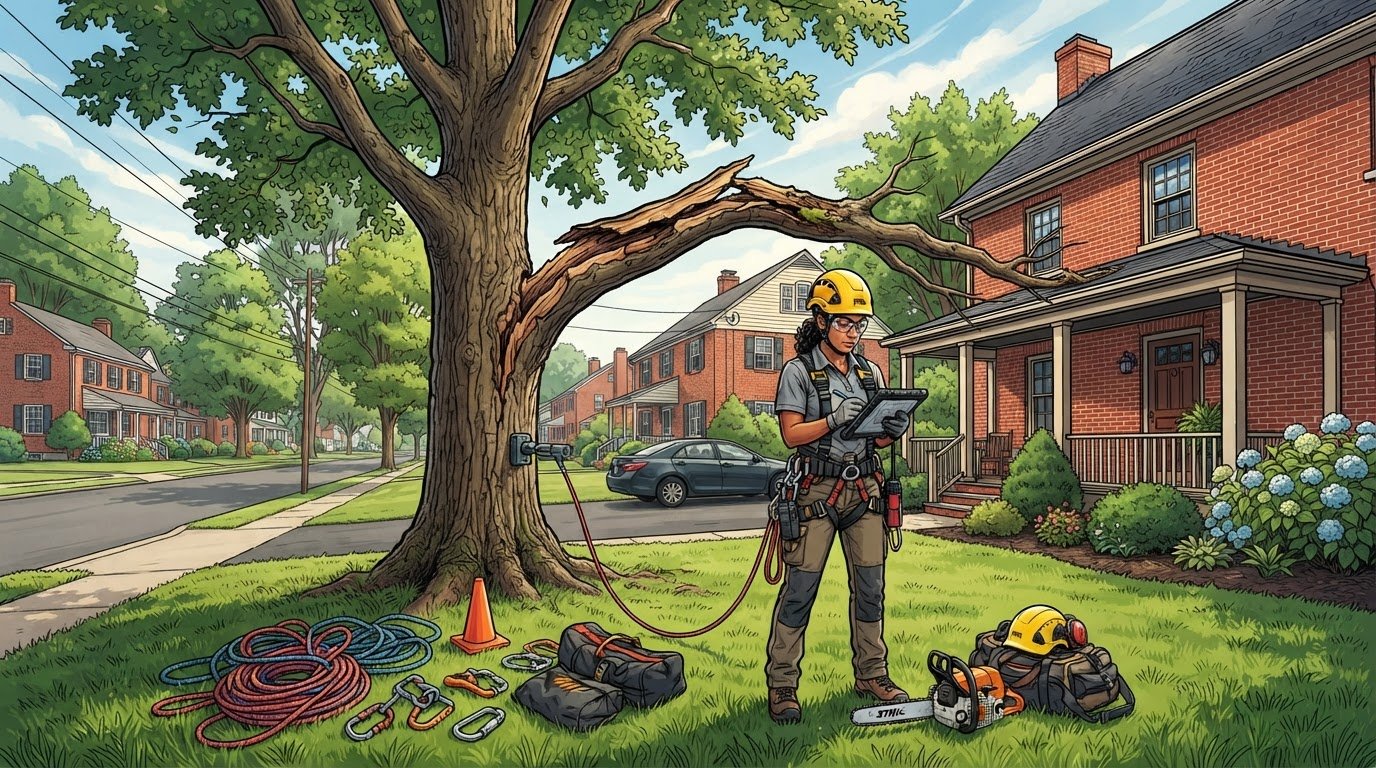
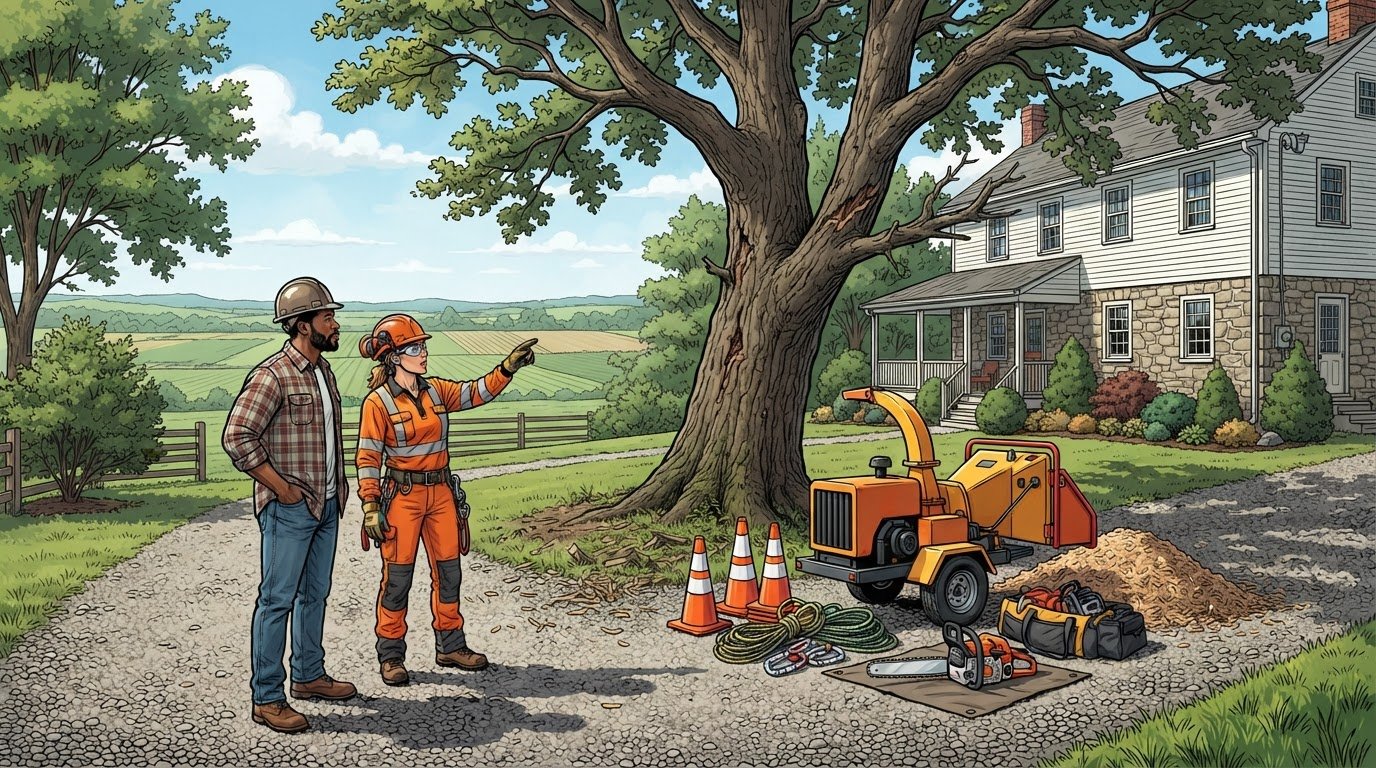
Prepare a practical site plan before work begins. Show the property entrance, cutting limits, sensitive areas, and any sections that need a different approach. If the project also involves trees, Lancaster property owners can review tree services information to distinguish tree work from field cutting. A precise boundary makes the intended result easier to communicate and keeps the clearing focused on the land you want reclaimed.
Free estimates
A free estimate helps define the work before a brush-clearing project begins. For a useful review, describe the area, vegetation, and result you want. Clearing a field for easier access, for example, differs from cutting back brush along a property edge. A specific goal gives the estimate a clear starting point.
Project pricing varies based on property size, service frequency, and maintenance requirements. For brush clearing, acreage, terrain, and vegetation also shape the work involved. A broad, level field with light growth presents different conditions from uneven ground with dense woody brush. Share what you know about each factor. If you’re unsure of the acreage, identify the boundaries and describe the area rather than guessing.
Prepare these details before requesting an estimate:
- Location and access: Give the property address in Lancaster County and explain how equipment can reach the work area.
- Work boundaries: Mark the sections to clear and identify any patches that should remain untouched.
- Vegetation: Describe whether the site has tall grass, weeds, saplings, or dense brush.
- Terrain: Note slopes, wet ground, uneven sections, and obstacles such as fences or old posts.
- Desired result: Explain whether you need a rough cut, a cleared access route, or a defined open area.
Photos can help explain details that are difficult to describe. Take a wide view of the property, then closer views of thick growth, obstacles, and access points. Label each image by location, such as “north field edge” or “behind the shed.” These views help connect the estimate to visible site conditions.
Review the written scope for the exact area included, the vegetation targeted, and any work boundaries. Clarify how the estimate addresses obstacles, sensitive areas, and debris handling. If you want to preserve a tree line or leave a strip near a ditch, show that limit before approving the scope. Clear instructions reduce misunderstandings about what the finished area should include.
The price depends on the project and is provided after a quote request; acreage, terrain, and vegetation type shape the estimate. A defined work area and useful site details make the request easier to assess. If clearing connects with a separate improvement, such as a walkway across the property, describe that goal too, so the proposed scope reflects how you plan to use the land.
Ready to outline the project? Use the contact page to request a free estimate, and include the property location, clearing limits, and desired result. Those details give the estimate a practical basis for planning the work.
Which brush clearing companies serve Lancaster County, PA?
Lancaster County property owners can look for local landscaping and land-clearing businesses that handle overgrown fields, brushy edges, and unused sections of land. The right service category depends on the work. Cutting back dense field growth differs from removing individual trees or reshaping a landscaped area. Describe the site and desired result first, so the request matches the job.
Brush clearing can involve open acreage, property boundaries, drainage edges, or access routes. For example, a landowner may want a clear path to a rear field while leaving the surrounding vegetation intact. A commercial property may need an overgrown perimeter opened for maintenance access. These projects need defined work limits, not simply a general request to clear everything.
Choose a company whose work fits the ground and vegetation involved. Bush hogging and field cutting suit broad areas with tall grass, weeds, and brush. A site with scattered mature trees or established planting beds may need a different scope. Distinguishing those conditions helps avoid confusing field cutting with tree removal or detailed landscape work.
Before making an inquiry, prepare a concise project description:
- Property setting: Note whether the site is residential, agricultural, or commercial.
- Work area: Identify the field, edge, access route, or other specific section.
- Vegetation: Describe whether growth consists mainly of grass, weeds, saplings, or woody brush.
- Site conditions: Mention slopes, wet ground, fences, and other visible obstacles.
- Desired outcome: Explain whether you need access, a rough cut, or an open area.
Those details help establish whether the requested work is field cutting, broader land clearing, or a combination. They also clarify equipment access and work boundaries. A photograph of the full area, paired with close views of thick growth or obstacles, can make the description more precise.
Keep the scope focused. If only one section needs cutting, mark its boundary and identify trees or vegetation to preserve. If the property has a separate tree concern, describe it separately rather than treating every growth issue as the same task. Clear distinctions help organize the work and set expectations for the finished site.
For a Lancaster County project, start with the location, access route, vegetation, and intended result. Then request a free estimate based on those details. A defined request makes it easier to discuss the actual work, whether the site is a backyard edge, an unused field, or an overgrown commercial boundary.
What factors affect the cost of brush clearing?
The scope of brush clearing depends on the amount and condition of the land. Acreage, terrain, and vegetation type are core factors. A level, open field with light growth presents different work from a sloped parcel covered in thick woody brush. Each affects how much ground the crew must cover and how the work can be carried out.
Acreage: The size of the clearing area affects the scope of work. A narrow strip along a fence differs from a broad field, even when both have similar vegetation. Clear boundaries distinguish the area to be cut from land that should remain untouched. If only part of a parcel needs attention, define that portion rather than describing the whole property.
Terrain: Ground conditions influence equipment access and movement. A flat, open section is easier to reach than uneven ground with steep slopes or tight turns. Wet or rough areas can also affect where equipment can travel. Identify these spots during the estimate process, especially if they fall inside the planned clearing boundary.
Vegetation: Grass, weeds, saplings, and dense woody growth require different levels of cutting. A field dominated by tall grass isn’t the same task as an area with thick brush and young trees. Describe the dominant growth and point out sections where vegetation changes. Those distinctions define the work more accurately than calling everything “overgrown.”
- Access: A clear entrance and route to the site help explain equipment access.
- Obstacles: Fences, rocks, posts, and other features can affect movement through the work area.
- Boundaries: Marking the cut line helps keep the scope focused on the intended area.
- Outcome: State whether you want a rough cut, an open field, or a cleared route.
For example, a small, flat patch with grass has a different scope from a larger parcel with uneven ground and mixed brush. A boundary that follows a fence may also require more precise work than an open field. These details explain why acreage alone doesn’t describe the full project.
The price depends on the project and is provided after a quote request; acreage, terrain, and vegetation type shape the estimate. To make the request useful, share the property location, identify the exact work area, and describe the ground and growth. Photos showing the overall site and any difficult sections can help communicate those conditions clearly.
How do brush clearing services compare with DIY clearing or renting equipment?
For a small patch of light weeds, hand tools may be enough. A broad field, dense woody growth, or uneven ground can require larger equipment and more planning. Compare the area, vegetation, and access before choosing a method. The best fit depends on the size and difficulty of the task, not simply on whether equipment is available.
DIY clearing: Hand-cutting gives you direct control over a garden edge or a few isolated weeds. You can work around individual plants and stop whenever needed. But cutting dense brush by hand takes sustained effort, and concealed rocks, wire, or uneven ground can complicate the work. Keep the area small, define a stopping point, and avoid tackling vegetation beyond your tools or experience.
Renting equipment: A rented brush cutter or similar machine can cover more ground than hand tools. You’ll also need to arrange transport, understand the controls, and plan how to work around fences or trees. A machine may not suit steep, wet, or obstructed areas. Before choosing this route, consider whether you can access the site safely and operate the equipment for the full task.
Hiring a clearing service: A professional crew can assess the site and match the approach to its terrain and vegetation. This can be useful for a large field, thick brush, or an area where access and boundaries need careful planning. A clearly defined scope also separates the requested clearing from trees, planting beds, or sections you want left intact.
Use this quick comparison to frame your decision:
- Small, accessible patch: Hand tools may suit light growth and a limited boundary.
- Open area with manageable growth: Renting equipment may fit when you can transport and operate it appropriately.
- Large or difficult area: A professional assessment can account for dense vegetation, uneven ground, and access limits.
- Mixed property features: Professional clearing can help define work limits around fences, trees, and landscape areas.
For example, trimming weeds beside a shed differs from opening a brush-covered field behind it. The first may be manageable with hand tools. The second may require equipment access, a planned boundary, and a clear description of the result you want.
Choose the method that fits the actual site, rather than the equipment alone. If the area is extensive or its terrain makes a DIY approach impractical, request a brush-clearing estimate and describe the growth, access, and outcome you need.
Snappy Landscaping: Lawn Mowing & Maintenance
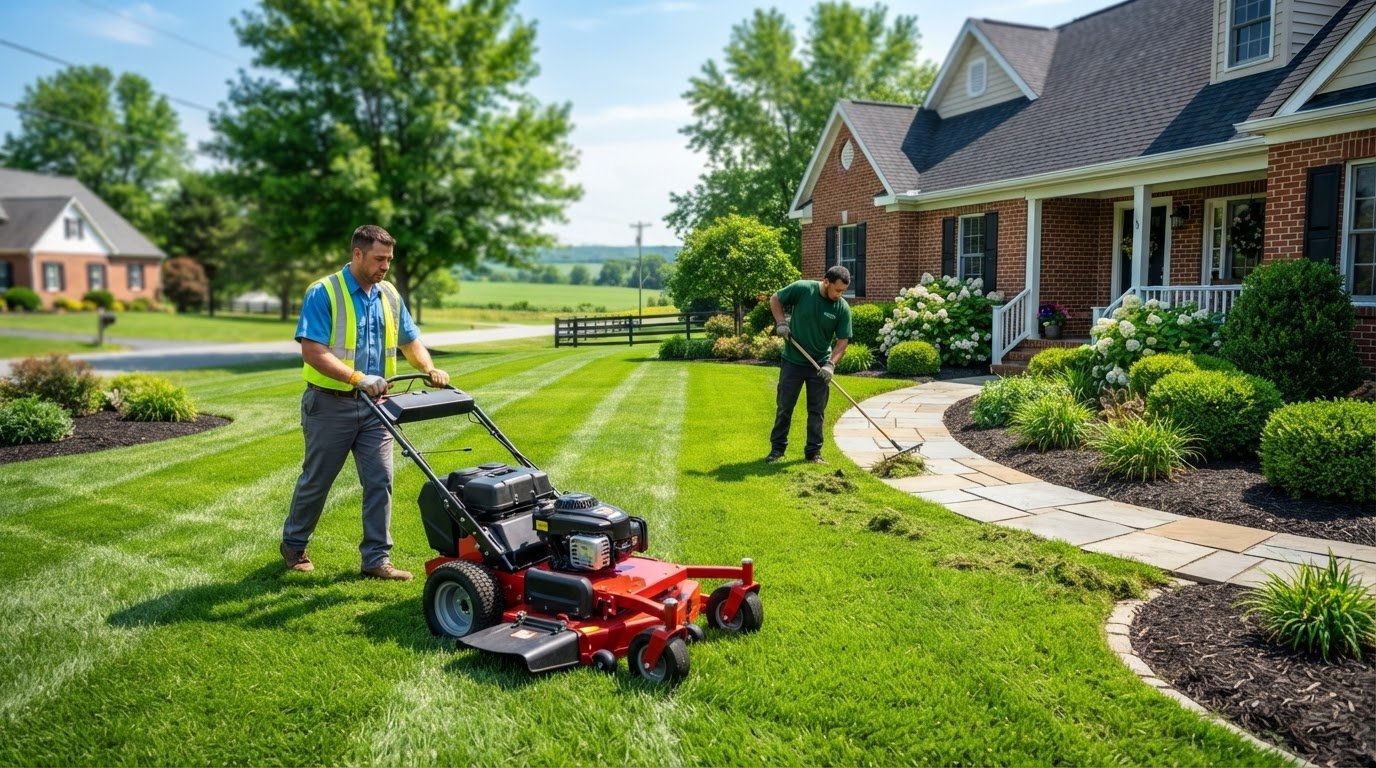
Snappy Landscaping helps Lancaster County property owners maintain orderly outdoor spaces with lawn mowing and maintenance. After overgrown areas are cut back, routine care can keep accessible lawn areas manageable and support a cleaner overall property.
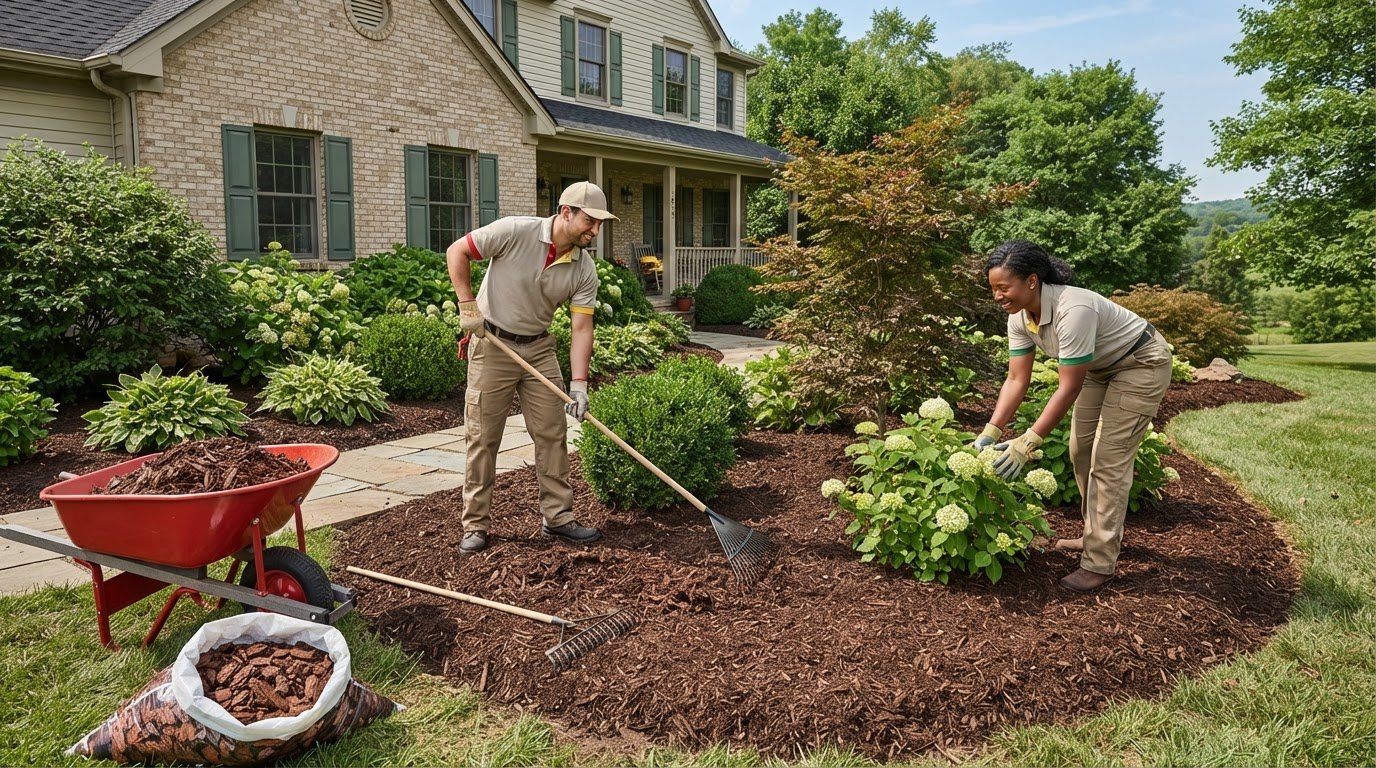
For broader outdoor plans, Snappy Landscaping also provides landscaping services, mulch installation, and HOA lawn maintenance. These services can address ongoing grounds care or help bring surrounding areas into a more consistent condition. The right next step depends on how you plan to use the cleared space and maintain it over time.
Contact Snappy Landscaping to discuss your property’s landscaping or lawn maintenance needs.
Plan what comes after the clearing
Clearing an overgrown area can create room for a more useful outdoor plan. Before work begins, consider how you want to use the space. A maintained lawn, a gathering area, or improved access may shape what comes next. Choosing brush clearing services in Lancaster, PA can be the first step toward a property that better fits your plans.
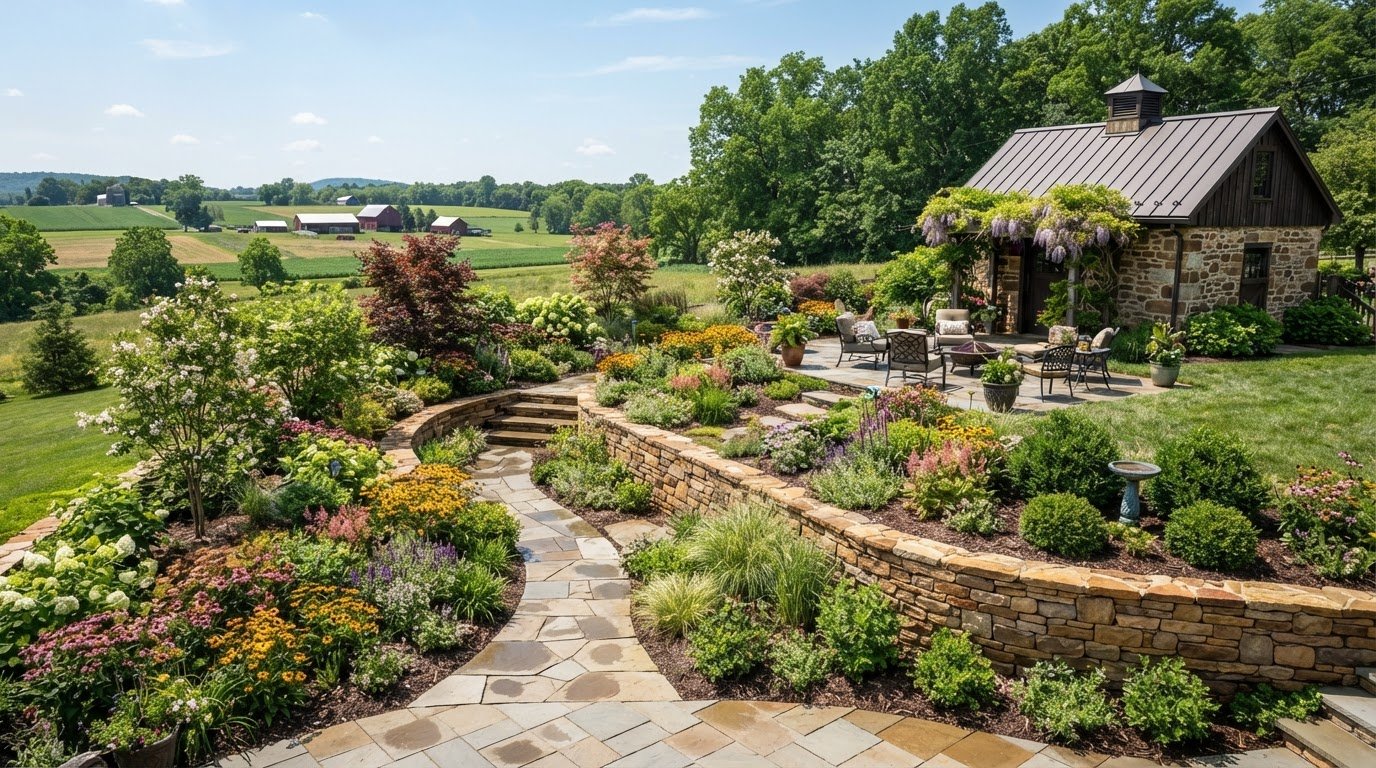
Snappy Landscaping also offers Lawn Mowing & Maintenance, Custom Patio Installation, and Retaining Wall Construction. These services can support different goals, from maintaining lawn areas to defining an outdoor living space or managing a sloped section of the property. A clear vision helps connect clearing work to a practical next phase.
Share your property goals with Snappy Landscaping and discuss an estimate for the work. Contact Snappy Landscaping to discuss your project, and take the next step toward making better use of your outdoor space.
Frequently Asked Questions
What brush clearing services are available in Lancaster, PA?
In Lancaster, PA, brush clearing can include clearing overgrown areas and removing unwanted shrubs. Snappy Landscaping also provides tree trimming and removal, landscaping, and mulch installation. For example, clearing brush around a property edge may improve the area’s appearance and usability. Describe the type of growth and the space involved to identify the relevant work. For ongoing care after clearing, lawn mowing and maintenance can help keep maintained areas orderly.
What should I check when hiring a brush clearing contractor in Lancaster, PA?
Snappy Landscaping is licensed and insured, and its team is background-checked. Its service areas are Lancaster, PA; Mountville, PA; Columbia, PA; Landisville, PA; Manheim, PA; Mount Joy, PA; Lititz, PA; Ephrata, PA; East Petersburg, PA; Elizabethtown, PA; Leola, PA; New Holland, PA; Willow Street, PA; Strasburg, PA; Quarryville, PA; Denver, PA; Hempfield, PA; East Hempfield, PA; West Hempfield, PA. Share your clearing goals and property details to request a free estimate.