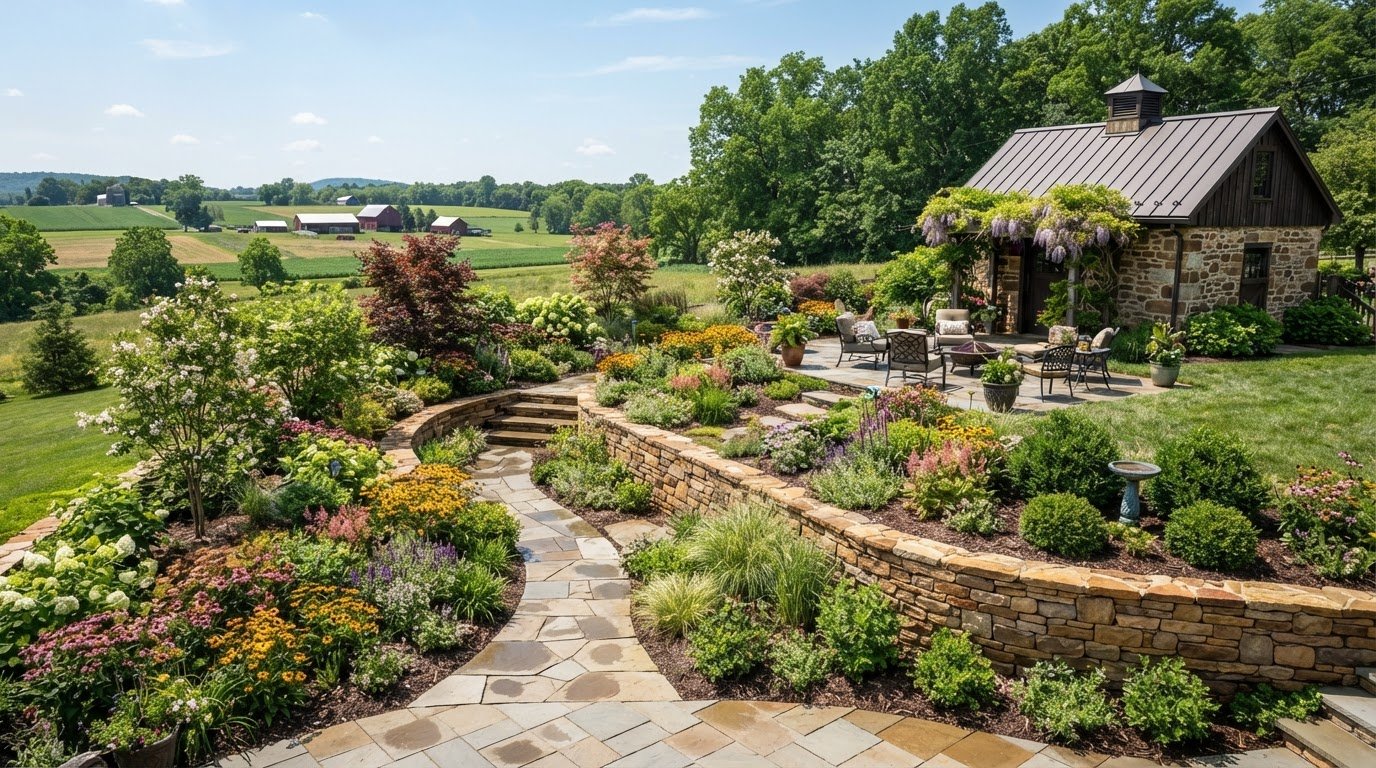

Drought-tolerant landscaping in Lancaster, PA, can reduce routine watering and create habitat for local wildlife, but it is not a standalone solution to climate change. Its practical value is a garden designed to handle dry conditions with less frequent watering.
A low-water yard still needs a plan. Plant choices, sun exposure, soil, drainage, and materials between planting beds all affect how well the landscape performs. A thoughtful design works with your property instead of relying on frequent watering to keep it healthy.
Learn how a local landscaping plan can account for site conditions, plant choices, and hardscape materials. You’ll also see what to expect as plants establish, how mulch and efficient irrigation support the design, and why xeriscaping can be a practical choice for a Lancaster County property.
1. How do Drought Tolerant Landscaping Companies address common challenges during the process?
Begin with a site analysis, not a plant list. Map sunny and shaded areas, observe where water collects, and check the soil before planning installation. These steps help match plants to Lancaster conditions and identify where paving or drainage work could change water movement. A steep, sunny bed needs different choices from a shaded area that stays damp.
Choose plants for their growing conditions and mature size. Pennsylvania gardens can include coneflowers, sedge, and fountain grass in suitable locations. Purple coneflowers grow in full sun or partial shade and bloom from mid-summer to early fall. Foxglove beardtongue grows in full sun to partial shade and blooms in early to mid-summer. Native plants suited to the site can support local wildlife while reducing reliance on frequent watering. Check each plant’s light, soil, and spread requirements before placing it.
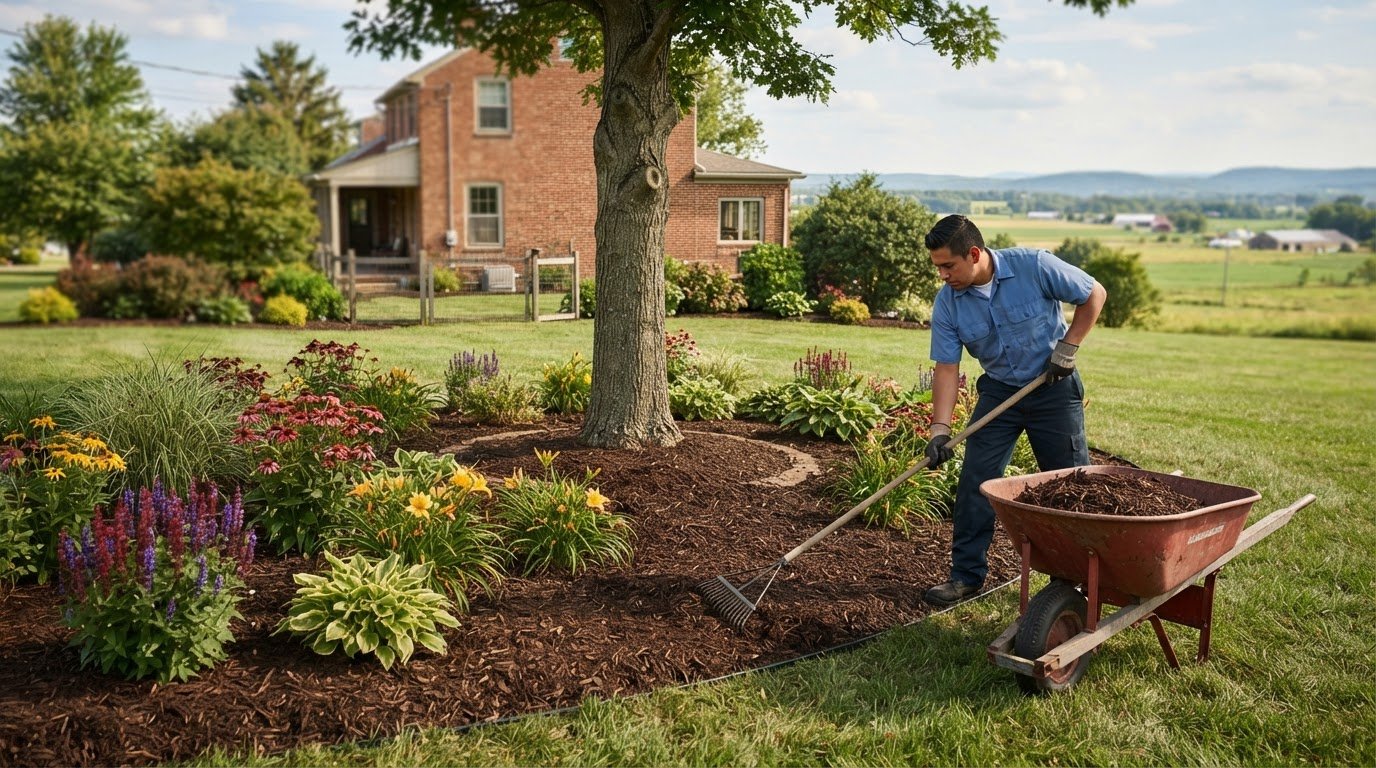
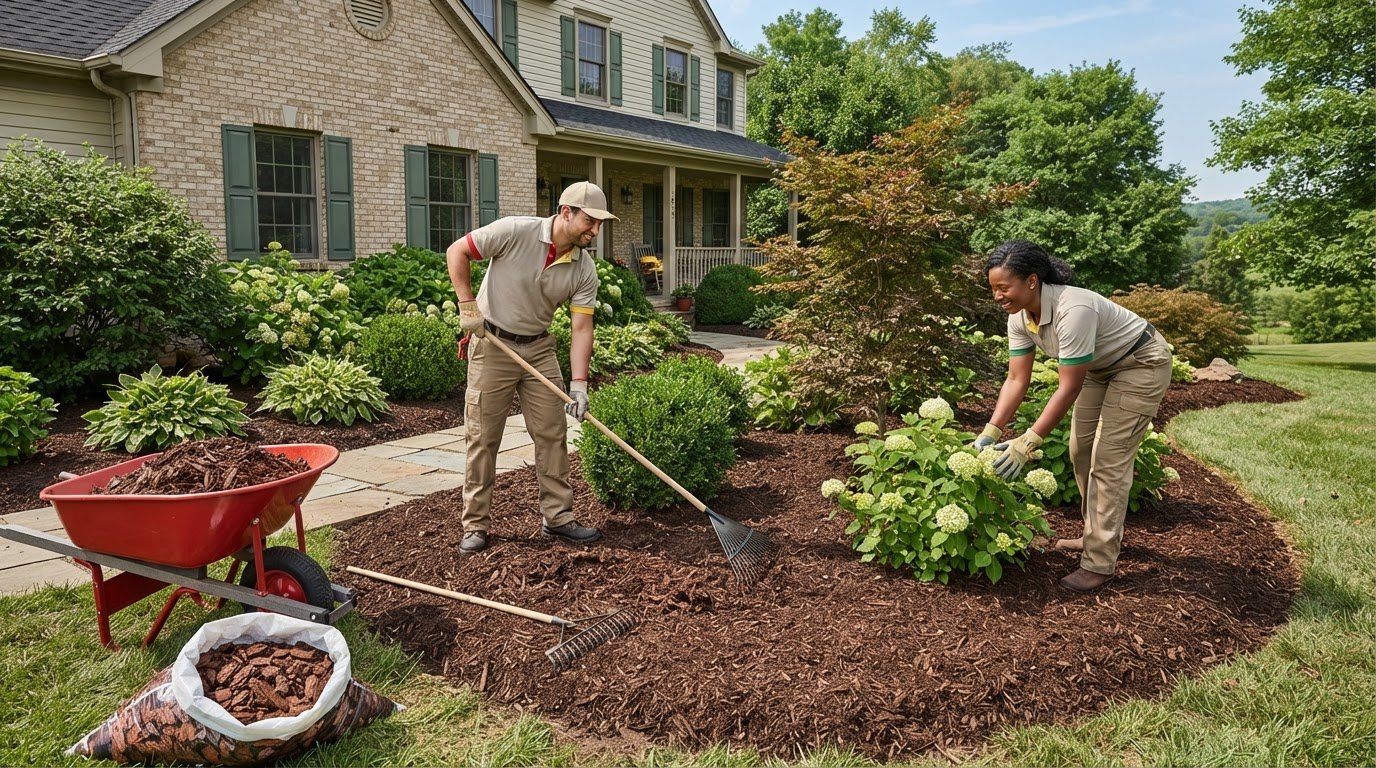
Plan groundcover, mulch, paving, and irrigation together. Mulch helps conserve soil moisture and reduce watering frequency. A bed edge or barrier can keep mulch near plants instead of letting it scatter onto paths. Permeable paving lets water pass through rather than directing all runoff across a hard surface. Efficient drip irrigation can deliver water to planting areas, while rain gardens capture and repurpose rainwater. Each choice should suit the site’s drainage and intended use.
New drought-tolerant plants need careful establishment. In Pennsylvania, roots may take 1-2 years to become established, and plants generally need deep watering during their first year. Once established, they can usually be watered once or twice a month, depending on rainfall. Container plants need care every week because their soil dries faster than in-ground beds. Adjust watering to the plant’s location and watch for yellow or drooping leaves and mushy brown stems, which can signal overwatering.
How much does drought-tolerant landscaping cost in Lancaster PA? The price depends on the case and is provided after a quote request. Design scope, plant quantities, soil preparation, paving, drainage, and irrigation all affect the project estimate.
Are there Lancaster County rebates or incentives for rain gardens and water-efficient landscaping? Rebates are program-specific, not a universal county discount. Features such as rainwater capture and efficient irrigation can help determine whether a proposed design fits a program’s criteria.
What are the risks of invasive or unsuitable drought-tolerant plants in Pennsylvania? Invasive plants can spread beyond the intended bed and crowd other vegetation. Plants mismatched to a site’s light, soil, or moisture may struggle, need extra care, or spread where they aren’t wanted. Review their growing needs before planting.
2. Material Selection and Trends in Drought Landscaping
After plants establish, focus maintenance on specific needs rather than frequent watering. Seasonal pruning, occasional weeding, and irrigation-efficiency checks help preserve the design without treating every bed alike. For example, clear weeds around young plantings before they compete for moisture. Check drip lines for leaks or blocked emitters, then adjust water delivery to the planting area. These small steps help protect the landscape and direct water where roots can use it.
Plant spacing affects both appearance and upkeep. Ice plants spread quickly, so leave at least a foot between them. Threadleaf coreopsis needs one or two feet of space, while May Night sage should be spaced 15 inches apart. Follow those distances at planting instead of crowding young specimens for an instantly full look. Proper spacing gives mature plants room and makes it easier to access beds for weeding or pruning.
Choose materials based on how each part of the yard functions. Mulch suits planting beds, while permeable paving can provide a firm walking surface that lets water pass through. A walkway through an existing garden can separate foot traffic from plants and reduce soil compaction in beds. Select a surface suited to the route and its use, then keep edges clear so mulch and soil stay in place.
Time shrub care to the plant’s growth rather than following an automatic calendar. Most shrubs need trimming three to four times yearly, but the right timing depends on their shape and growth. Avoid cutting every shrub into the same form. For a low-maintenance landscape, choose plants with compatible light and space needs, then group them by care requirements. This creates an orderly garden without adding unnecessary trimming tasks.
Perennials also need occasional renewal. Divide purple coneflowers every 3-4 years to prevent overcrowding. Use that maintenance window to remove weak growth and restore space between clumps. If leaves turn yellow or stems become mushy and brown, review irrigation before adding more water. Those signs may point to overwatering, so check soil moisture and system performance first.
Plan planting and hardscape installation as one layout. Place paths where people already walk, and keep plant beds accessible for seasonal care. Sedge or fountain grass can add texture, while grouped shrubs give the yard structure. Match each choice to its mature size and maintenance needs. A practical material palette keeps the existing landscape usable and makes low-water planting easier to manage.
3. Low-water gardens designed for drought resistance
A drought-resistant garden manages water from the moment rain reaches the property. Direct runoff toward planted areas where soil can absorb it, rather than letting it rush across compacted ground. Rain gardens capture and repurpose rainwater, turning a drainage concern into a deliberate landscape feature. Position one where runoff naturally gathers, with plants suited to the site’s soil and sunlight.
Choose plants that serve more than one purpose. Butterfly weed is a native perennial that hosts monarch butterfly caterpillars. It grows in full sun and blooms from mid-summer to early fall, adding seasonal color while supporting wildlife. Purple coneflowers grow in full sun or partial shade and bloom over the same season. Combining plants with different bloom periods and forms can create a useful, visually varied garden.
Build water management into the layout. Group plants with similar moisture needs so irrigation isn’t applied equally across dry and wetter zones. Drip irrigation can direct water to planting areas, while mulch helps slow moisture loss from soil. A rain garden and efficient irrigation can work together: one captures rainwater, and the other supplies targeted watering when needed. Position paths and hard surfaces to guide runoff without flooding planting beds.
Choose plants carefully to avoid trading water savings for other problems. Select species suited to the location’s light, soil, and available space, and avoid plants that spread aggressively. Check growth habits before adding a flower or groundcover. Butterfly weed foliage and flowers are toxic if ingested in large quantities, so consider placement where children or pets may encounter the plants.
Think about outdoor living as part of the design, not an afterthought. A permeable path can connect a seating area with the garden while allowing water to pass through. Place seating where it won’t block runoff or compact the soil around plant roots. This balance keeps the space practical for people while giving plants the conditions they need.
What local rules or permits apply to landscaping, rain gardens, or stormwater management in Lancaster, PA? Requirements depend on the municipality and the work involved. Before changing grading, drainage, or stormwater flow, identify the local requirements that apply to the property and project scope.
For a durable low-water landscape, connect plant choices, water movement, and outdoor use in one plan. A rain garden, native flowering plants, targeted irrigation, and permeable paths each play a distinct role. Together, they can reduce reliance on routine watering while creating habitat and a more functional garden.
4. Design factors including dimensions, light, and soil type
Start with the property’s actual dimensions. Measure bed edges, walkways, slopes, and areas used for outdoor activities before selecting plants. Mark utilities, downspouts, and existing hardscape on a simple site sketch. That plan helps prevent oversized shrubs from blocking paths or crowding windows. It also shows where a custom patio or walkway could fit without taking space from planting beds.
Check sunlight at different points in the yard. A sunny front bed and a shaded side yard create different growing conditions, even on the same property. Purple coneflowers grow in full sun or partial shade, while blanket flowers grow in full sun. Foxglove beardtongue grows in full sun to partial shade. Match each plant’s light needs to its location instead of expecting one species to thrive everywhere.
Use mature height and spread to build a clear planting profile. May Night sage can grow up to 24 inches tall, while threadleaf coreopsis can reach three feet. Place shorter plants where they won’t disappear behind taller growth. Keep taller selections from blocking windows, walkways, or views. A simple sketch showing each plant’s mature dimensions can protect the design vision and reduce later pruning or relocation.
Soil conditions shape water movement and plant performance. Inspect the planned bed after rain: note where water drains quickly, where it pools, and where the ground stays damp. Check soil texture by hand and look for compacted areas before planting. These observations help determine where soil preparation, drainage adjustments, or a rain garden may fit. A low-water plan still needs suitable drainage because drought-tolerant plants aren’t suited to every wet or poorly drained spot.
Connect plant beds with the property’s daily use. A concrete walkway can define a route through the yard, while a patio can create an outdoor gathering area. Keep paths wide enough for their intended use and position planting so mature growth won’t spill across them. Place beds where they receive suitable light, remain accessible for care, and don’t interfere with drainage. These decisions make the installation functional as well as attractive.
Review the whole layout before planting. Confirm bed dimensions, sun exposure, soil behavior, mature plant size, and access from each outdoor area. Then adjust the plan to the local climate and the property’s existing features. A sunny slope with fast-draining soil, for example, calls for a different arrangement than a shaded, low-lying bed. Matching each area to its conditions makes the design more reliable and maintenance more practical.
5. Xeriscaping benefits
Xeriscaping can lower a garden’s reliance on frequent watering by matching plants to site conditions. In a Lancaster County backyard, that means planning around sun, soil, drainage, and how people use the outdoor space. Replace thirsty planting areas with drought-tolerant choices, then group plants by their needs. This makes watering more targeted instead of treating every part of the yard alike.
Water conservation comes from several design choices working together. Mulch slows moisture loss from planting beds, while efficient drip irrigation directs water toward roots. Permeable paving lets water pass through a hard surface instead of sending all rainfall across it. These features help manage water on the property and support a landscape designed for dry periods.
Wildlife habitat can be part of the same plan. Native plants provide food and shelter for local wildlife, while flowering perennials add seasonal color. Butterfly weed, for example, supports monarch butterfly caterpillars. Combine habitat planting with practical access so paths remain clear and people can reach seating or garden areas without walking through beds.
A well-planned xeriscape can make outdoor space easier to manage. Fewer high-water planting areas mean less dependence on frequent irrigation, while grouped plants make it easier to assess bed conditions. Keep the layout clear: use paths to define movement, plant groupings to shape the garden, and edges to contain mulch. These choices create structure without requiring every area to be planted or watered alike.
Healthy plants still depend on suitable placement. Select species for their light and soil needs, and avoid crowding them against walkways or structures. A plant that fits the available space can grow without constant cutting back. Check for invasive growth before introducing new species, and keep plants with different moisture requirements in separate zones. This careful approach protects the intended design and nearby plantings.
Xeriscaping also gives homeowners a way to plan outdoor improvements in stages. Start with the area that causes the most watering or drainage concerns, then connect later improvements to the same layout. A permeable walkway can define access through a planting area, while a seating zone can preserve useful backyard space. Staging the work helps keep each addition aligned with the overall plan.
For a Lancaster property, the strongest benefits come from a design that balances water use, habitat, and daily function. Consider where rain flows, where people walk, and which areas need the most attention. Then set priorities for planting, paving, and irrigation before work begins. Discuss your xeriscaping project to plan outdoor improvements around your property’s needs.
Snappy Landscaping: Lawn Mowing & Maintenance
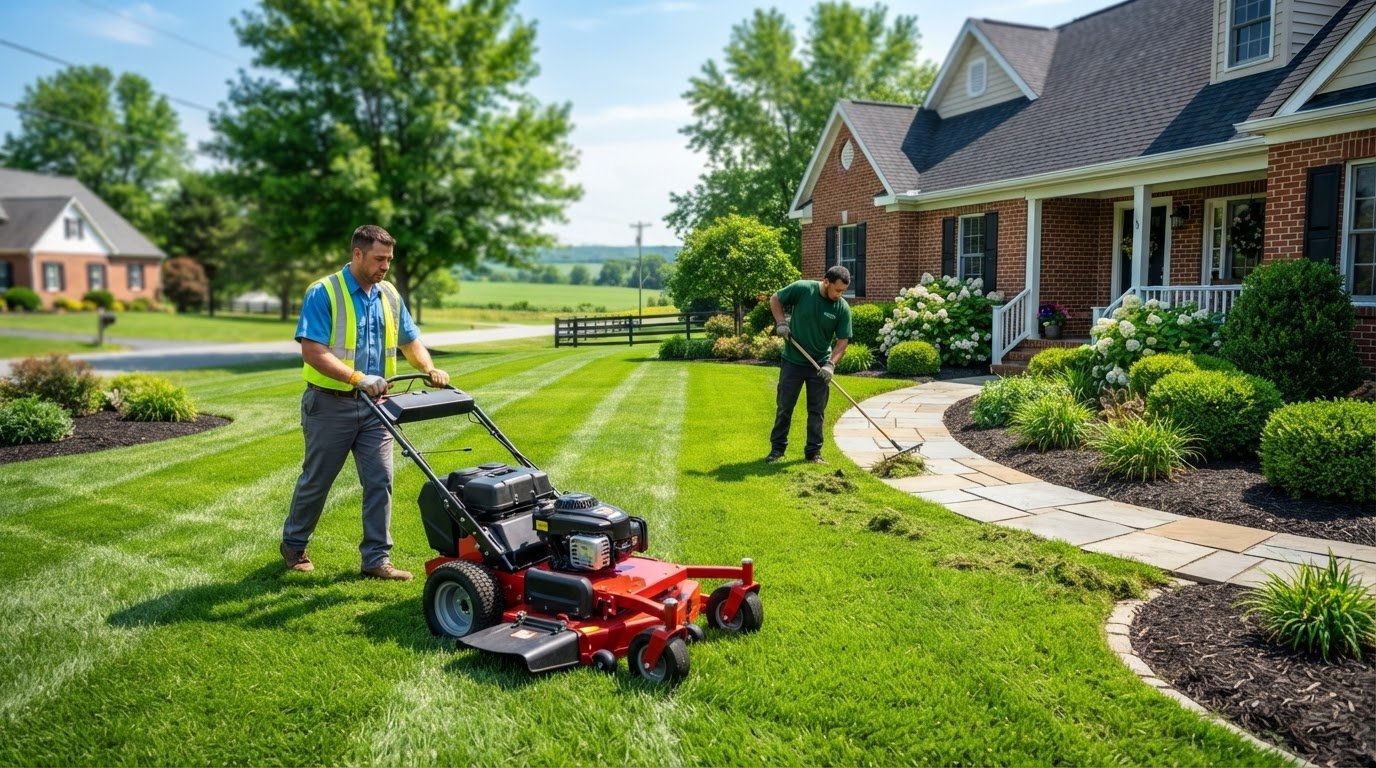
Snappy Landscaping helps homeowners turn landscape plans into practical outdoor improvements. For a low-water design that needs complementary work, its landscaping services can support the property’s layout, drainage solutions can address water movement, and retaining wall construction can define sloped areas. Lawn mowing and maintenance can keep surrounding turf orderly alongside new planting beds.
Consider these services when planning a broader property update, addressing drainage concerns, or maintaining the lawn around a drought-tolerant garden. A clear project scope helps connect the planting plan with hardscape work and ongoing property care.
Contact Snappy Landscaping to discuss your landscaping project.
Put Your Landscape Plan Into Motion
Make your next step a clear project brief. Note which areas need less routine watering, how you use the yard, and which improvements matter most. That gives your landscape plan a practical starting point and helps align planting with the rest of your property.
Drought-tolerant landscaping in Lancaster, PA, can also complement broader outdoor work. Snappy Landscaping offers Lawn Mowing & Maintenance, Custom Patio Installation, and Retaining Wall Construction. These services can support a coordinated plan for lawn care, usable gathering space, and changes to sloped areas.
Start with the part of the property that needs attention first, then shape future improvements around that decision. A well-defined scope makes it easier to connect landscape goals with everyday use. Contact Snappy Landscaping to discuss your project, and take the next step toward a more functional outdoor space.
Frequently Asked Questions
Can drought-tolerant landscaping help in fighting climate change?
Drought-tolerant landscaping can help a property use less water, but it isn’t a stand-alone climate-change solution. Its clearest local value is helping gardens cope with dry conditions while supporting wildlife habitat. For a Lancaster yard, choose plants suited to the site and use water thoughtfully. The impact comes from practical choices at the property level, not from treating one garden as a substitute for broader climate action.
How do drought-tolerant landscaping companies address common challenges during the process?
Start by identifying what could undermine the planting plan, such as unsuitable light, compacted soil, poor drainage, or foot traffic through beds. A low spot that stays wet, for example, may need a different approach from an exposed, fast-drying slope. Then coordinate planting locations with paths and other site uses. This step-by-step assessment helps prevent mismatched plants and avoidable changes after installation.
How do companies select materials and keep up with design trends in drought-tolerant landscaping?
Select materials based on site function and maintenance needs, not appearance alone. A path used for regular access needs a stable surface, while planting beds benefit from materials that help keep soil covered. Design choices can include naturalistic groupings, useful outdoor routes, and water-conscious planting. The best fit depends on how the property is used and how materials work together, not on following a trend without considering upkeep.
How often do you have to water drought-tolerant plants?
New drought-tolerant plants in Pennsylvania generally need deep watering during their first year. Roots may take 1-2 years to establish; after establishment, plants can usually be watered once or twice a month, depending on rainfall. Container plants need care every week because they dry out faster than in-ground plantings. Check soil and plant condition before watering, since yellow leaves or mushy brown stems may signal overwatering.
What are the benefits of xeriscaping?
Xeriscaping can reduce reliance on frequent watering and create a landscape suited to local conditions. Plant groupings can make care more organized, while native flowering plants can provide habitat for wildlife. The design can also reserve space for paths, seating, or other backyard uses. Benefits depend on the choices working together: plant suitability, water management, and how people move through and use the property.
What is the expected duration of a typical drought-tolerant landscaping project?
A complete drought-tolerant yard transformation may take several weeks to a few months. The schedule depends on the project’s scope, including design, hardscaping, and planting. A planting-focused update involves different work stages from a plan that also changes paths or other built features. Weather and site preparation can also affect the sequence. Plants continue establishing after installation, so project completion and plant maturity happen on different timelines.
What preparation steps should homeowners take before hiring a drought-tolerant landscaping company?
Start by listing the problems you want solved, such as frequent watering, runoff, or an awkward path through the yard. Separate essential needs from optional improvements, then set a working budget. Sketch the areas you want changed and note existing features to keep. Photos taken after rain can show where water collects. These details help shape the project scope and clarify which improvements should come first.
What drought-tolerant plants grow well in Lancaster County, Pennsylvania?
Options for Pennsylvania gardens include purple coneflowers, butterfly weed, blanket flowers, threadleaf coreopsis, and foxglove beardtongue. Match each plant to its conditions: blanket flowers grow in full sun, while purple coneflowers tolerate full sun or partial shade. Butterfly weed also grows in full sun and supports monarch caterpillars. Check mature size and placement, especially near areas where children or pets spend time.