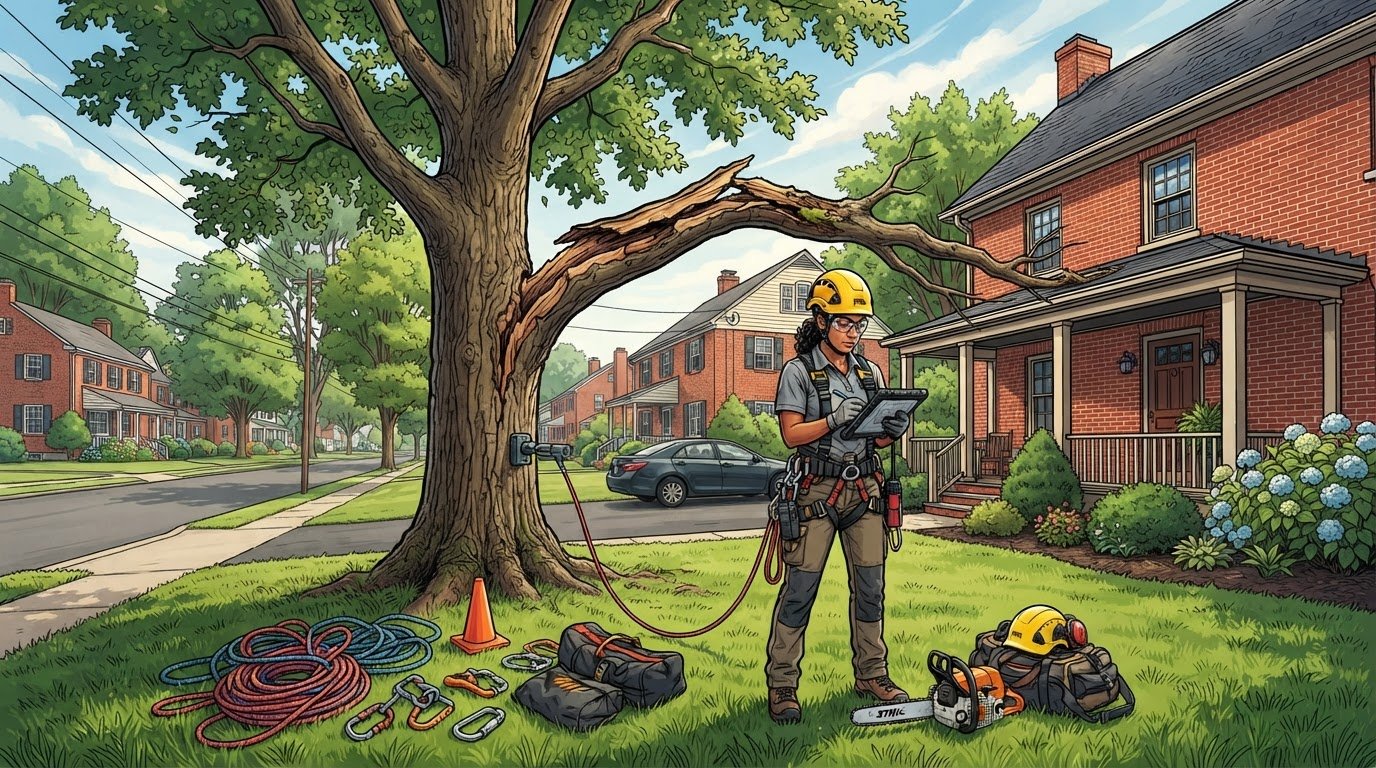

Your overgrown landscape isn't just a cosmetic issue; it's a direct threat to your home's structural integrity. Most homeowners in Lancaster, Columbia, and Mountville look at their yard and see a growing list of chores they simply don't have time to manage. You want a beautiful property, but you're likely tired of shrubs blocking your windows and dead limbs hanging precariously over your driveway. It's frustrating to guess which branch to cut without accidentally killing a prized plant. Professional tree and shrub trimming is the solution that restores order to your exterior while protecting your investment.
We understand that yard maintenance is about more than aesthetics. This guide helps you master strategic pruning to protect plant health and prevent expensive property damage. You'll learn exactly when to prune specific species for the 2026 season. We also show you how to identify safety risks before they become emergencies. This walkthrough covers everything from basic maintenance to professional techniques that keep your landscape safe, healthy, and looking its absolute best. By the end of this guide, you'll have a clear plan to transform your property into a safe and professional looking environment.
Why Routine Tree and Shrub Trimming is Essential for Property Value
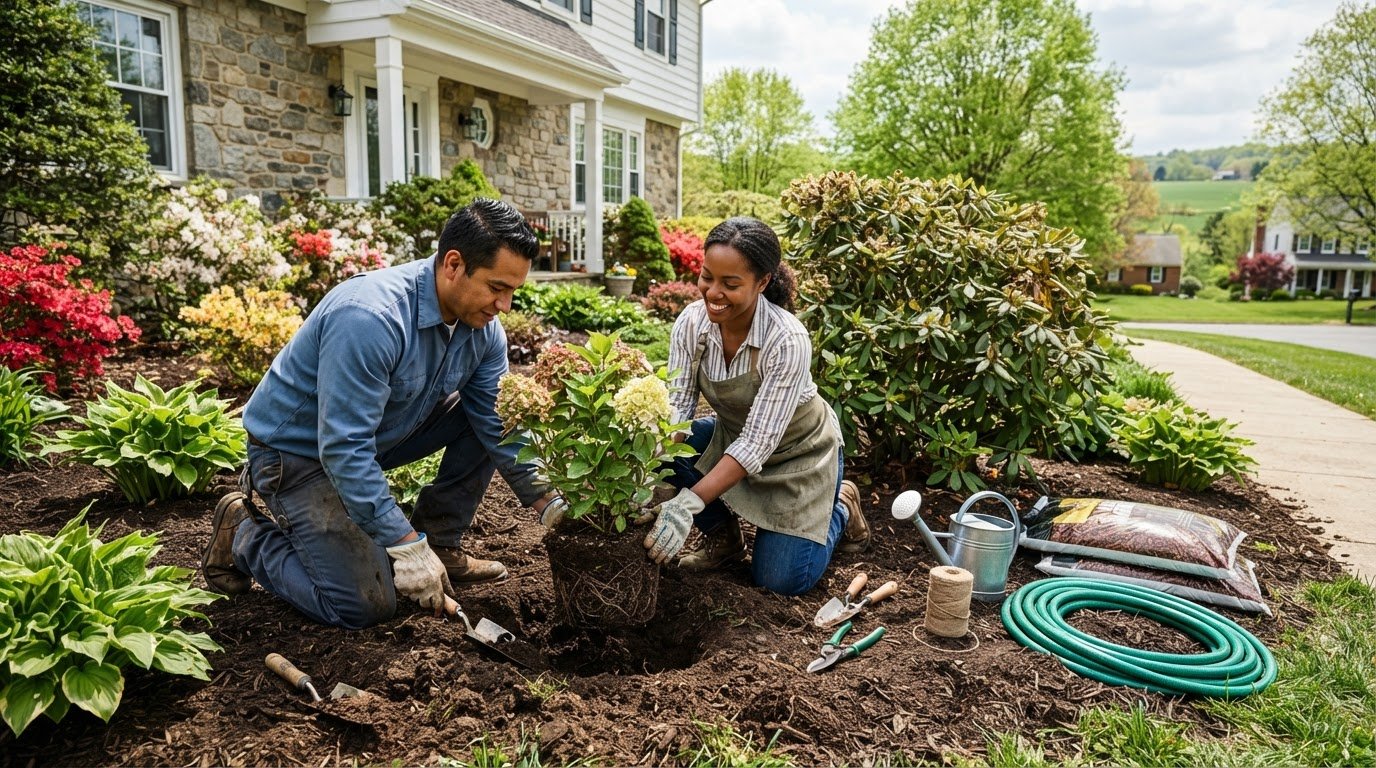
Pruning is a targeted maintenance practice, not just a cosmetic haircut. It involves the selective removal of specific plant parts to improve the health and structure of the entire organism. For homeowners in Lancaster, Columbia, and Mountville, effective tree and shrub trimming centers on the "Three Ds": removing dead, damaged, and diseased wood. By eliminating these weak points, you prevent decay from spreading and stop pests from nesting near your home. This proactive approach ensures your landscape remains an asset rather than a liability.
Neglected greenery does more than look messy. Overgrown shrubs often trap moisture against your home's siding and foundation, creating a breeding ground for mold and rot. In Lancaster County, where curb appeal significantly impacts property valuations, a well-maintained landscape signals to neighbors and buyers that the home is cared for. Strategic trimming restores the intended lines of your landscape; it ensures your windows aren't blocked and your architectural features remain visible.
The Functional Benefits of Strategic Pruning
Routine maintenance addresses several biological needs that allow your plants to thrive in the Pennsylvania climate. Proper tree and shrub trimming provides these essential benefits:
- Improved Air Circulation: Thinning out dense canopies prevents the stagnant, humid conditions that fuel fungal diseases during hot PA summers.
- Light Penetration: Removing upper clutter allows sunlight to reach lower branches and the turf below, preventing "dead zones" in your lawn.
- Storm Resistance: Reducing the weight and wind resistance of limbs minimizes the risk of breakage during heavy winter snowfalls or summer thunderstorms.
Protecting Your Hardscape Investment
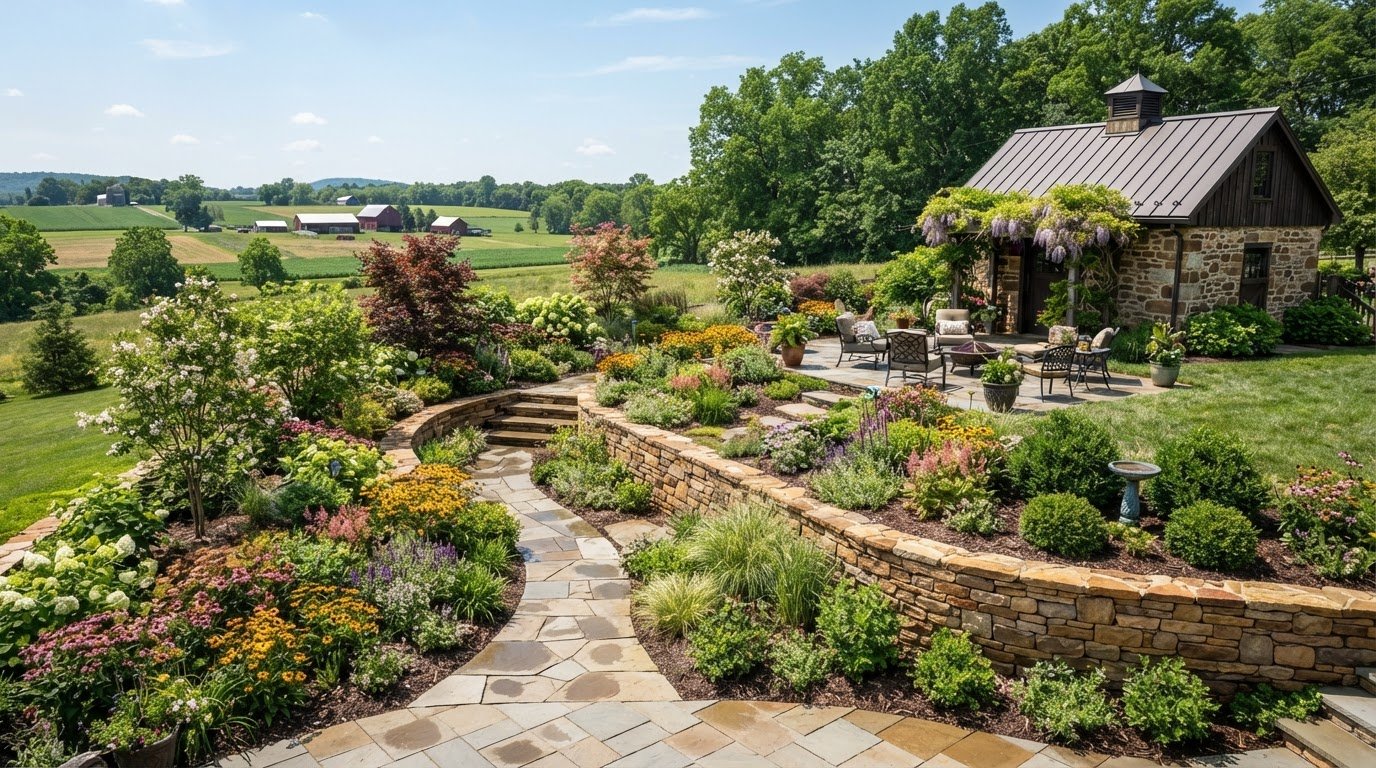
Many homeowners overlook how vegetation affects their structural installations. Uncontrolled root systems can exert immense pressure on retaining walls, causing them to lean or crack over time. Similarly, low-hanging branches can scratch the surface of custom patios or concrete walkways, leading to permanent staining or physical wear. We also ensure that overgrown foliage doesn't block gutters or interfere with yard drainage solutions. Keeping your plants in check protects the thousands of dollars you've invested in your outdoor living spaces.
Timing Your Pruning: The Best Seasons for Pennsylvania Landscapes
Timing is the difference between a thriving landscape and a dying one. In Lancaster County, the window for tree and shrub trimming depends heavily on the species and its specific growth cycle. Pruning during the spring "flush" often stresses plants because they're diverting all their energy into new foliage. Cutting them during this high-energy phase leaves them vulnerable to stunted growth. Late fall is equally dangerous for your greenery. Trimming in October or November stimulates new growth that hasn't had time to harden off. This tender tissue will likely die during the first hard frost of the winter, leading to unsightly damage and potential disease.
Understanding the difference between spring-flowering and summer-flowering shrubs is critical for a vibrant yard. According to the guidance on Pruning Flowering Shrubs from Penn State Extension, plants that bloom on "old wood" need care immediately after their flowers fade. If you trim these in the winter, you'll cut off next year's blooms. Summer-flowering species are more flexible and generally prefer late winter maintenance. Identifying your plant species before you pick up the shears is the first step in protecting your property value.
The Lancaster County Pruning Calendar
Manage your property efficiently by following this seasonal schedule tailored to our local climate:
- Late Winter (February to March): Perform structural work on large trees and fruit-bearing species. This is the optimal time for heavy removal while the plant is inactive.
- Early Summer (Post-Bloom): Prune azaleas, lilacs, and forsythia once their floral display ends. This allows them to set healthy buds for the following year.
- Mid-Summer: Conduct light maintenance for aesthetics. Remove safety hazards or branches blocking walkways without risking the plant's overall health.
Why Winter Dormancy Pruning is Often Best
Late winter is the gold standard for most tree and shrub trimming projects. Without leaves, the branching structure is fully visible; this allows for precise cuts that improve the plant's long-term architecture. Most pests and pathogens are also dormant during the cold months, which significantly reduces the risk of infection at the cut sites. This seasonal timing aligns perfectly with our winter property management strategies for local estates. If you aren't sure where to start with your 2026 maintenance plan, you can reach out to our team for a professional assessment of your landscape's needs.
How to Trim Trees and Shrubs for Maximum Health
Begin every project by sanitizing your equipment. This simple step prevents the spread of pathogens that could otherwise devastate your entire garden. Dip your blades in a solution of 70% isopropyl alcohol or a 10% bleach mixture between every plant. Once your tools are clean, prioritize the removal of dead, damaged, or diseased wood. This clears the way for more precise shaping. For a detailed technical overview of these principles, the US Forest Service guide on How to Prune Trees offers foundational insights into plant biology and wound recovery.
Successful tree and shrub trimming requires protecting the branch collar. This is the swollen area at the base of a branch where it meets the trunk. It contains specialized cells that seal off the wound after a cut. Never cut flush to the trunk; doing so removes the collar and leaves the tree vulnerable to permanent rot. For any branch larger than one inch in diameter, always use the three-cut method. Start with an undercut six inches from the trunk, followed by a top cut further out to remove the weight. Finish with a clean final cut just outside the branch collar to ensure proper healing.
Essential Tools for the Job
Select the right tool for the specific branch size to ensure clean cuts and personal safety. Hand pruners work best for small stems up to 1/2 inch in diameter. For thicker branches up to 1.5 inches, use loppers to get the necessary leverage. Anything larger requires a dedicated pruning saw. Avoid using chainsaws for delicate tree and shrub trimming tasks. They often tear the bark rather than slicing it, which creates jagged edges that are difficult for the plant to seal.
Executing the Perfect Cut
Position your shears to make cuts at a 45-degree angle. This orientation allows water to shed away from the remaining bud, preventing moisture from sitting on the open wound. You must also choose between thinning and heading cuts based on your goals. Thinning cuts remove an entire branch back to its point of origin; this is the preferred method for growth control. Heading cuts remove only the tip of a branch to stimulate denser foliage. Use directional pruning to guide future growth away from your home or power lines by cutting just above a bud that is facing the desired direction.
Pruning vs. Shearing: Avoiding the "Hollow Shrub" Syndrome
Shearing is not pruning. While many homeowners use these terms interchangeably, the results for your landscape couldn't be more different. Shearing involves using power trimmers to cut the outer tips of a plant, creating a rigid geometric shape like a sphere or a cube. Pruning is the selective removal of individual branches to maintain the plant's natural form and internal health. While shearing offers a quick, clean look, it often triggers a condition known as "Hollow Shrub Syndrome" that can eventually destroy your greenery. This mistake turns a healthy plant into a high-maintenance burden that requires more frequent tree and shrub trimming just to keep up appearances.
When you shear a plant, you stimulate a thick "shell" of foliage on the very outer edge. This dense layer of leaves acts as a curtain, blocking sunlight and air from reaching the center of the plant. Without light, the interior leaves die off, leaving the shrub completely hollow. This creates a stagnant, humid environment inside the branch structure that invites rot and pests. Industry data shows that pruning remains the largest segment of arboriculture, accounting for 44% of all services, precisely because it addresses these internal health needs that surface-level shearing ignores.
The Dangers of Hollow Shrub Syndrome
Once a shrub becomes hollow, it loses its resilience. The lack of interior foliage makes the plant "leggy," meaning it has long, bare branches with only a small tuft of green at the end. If you try to cut a hollow shrub back to a smaller size, you're often left with a pile of dead-looking sticks that may never recover. Selective tree and shrub trimming prevents this by allowing light to penetrate the canopy. This encourages growth throughout the entire structure, resulting in a denser, healthier plant that can better withstand Pennsylvania's heavy snow loads and summer heat.
When Shearing is Actually Appropriate
Shearing isn't always a mistake; it simply requires a specific context. Formal boxwood hedges and topiary designs depend on shearing to maintain their crisp, architectural lines. This technique is also useful for maintaining strict boundaries in tight commercial landscaping environments where plants must not encroach on walkways or sightlines. However, even formal hedges need occasional "thinning cuts" to let light inside. Balancing aesthetics with plant biology is the only way to ensure your formal designs last for decades rather than seasons. If your shrubs are looking thin or leggy, schedule a professional assessment to restore their internal health before the damage becomes permanent.
Professional Tree Services in Lancaster County: When DIY Isn’t Enough
Knowing when to put down the shears is just as important as knowing how to use them. While small-scale tree and shrub trimming is manageable for many homeowners, larger projects carry risks that go beyond a simple blister. We follow a strict ground rule: if the job requires a ladder or a chainsaw, it’s time to call a professional. Working at height with heavy machinery is dangerous for the untrained. One wrong cut on a heavy limb can cause it to swing unpredictably, resulting in thousands of dollars in damage to your roof, vehicles, or power lines.
Safety isn't the only factor to consider. Professional tree trimming saves you hours of grueling labor and ensures the job is done correctly the first time. Large-scale brush clearing also requires specialized equipment that most residential garages don't house. Instead of spending your entire weekend hauling debris to a local landfill, a professional crew can clear, chip, and remove waste in a fraction of the time. This efficiency allows you to enjoy your property rather than constantly managing it.
Signs You Need Professional Intervention
Don't wait for a storm to identify weaknesses in your landscape. Watch for these red flags that indicate a tree requires expert attention:
- Encroaching Branches: Limbs hanging over your roofline or near utility lines pose an immediate fire and structural hazard.
- Widow-Makers: Large, dead branches trapped high in the canopy can fall without warning, even on calm days.
- Structural Instability: Deep cracks in the trunk or soil heaving at the base suggest the root system is failing.
The Snappy Landscaping Advantage
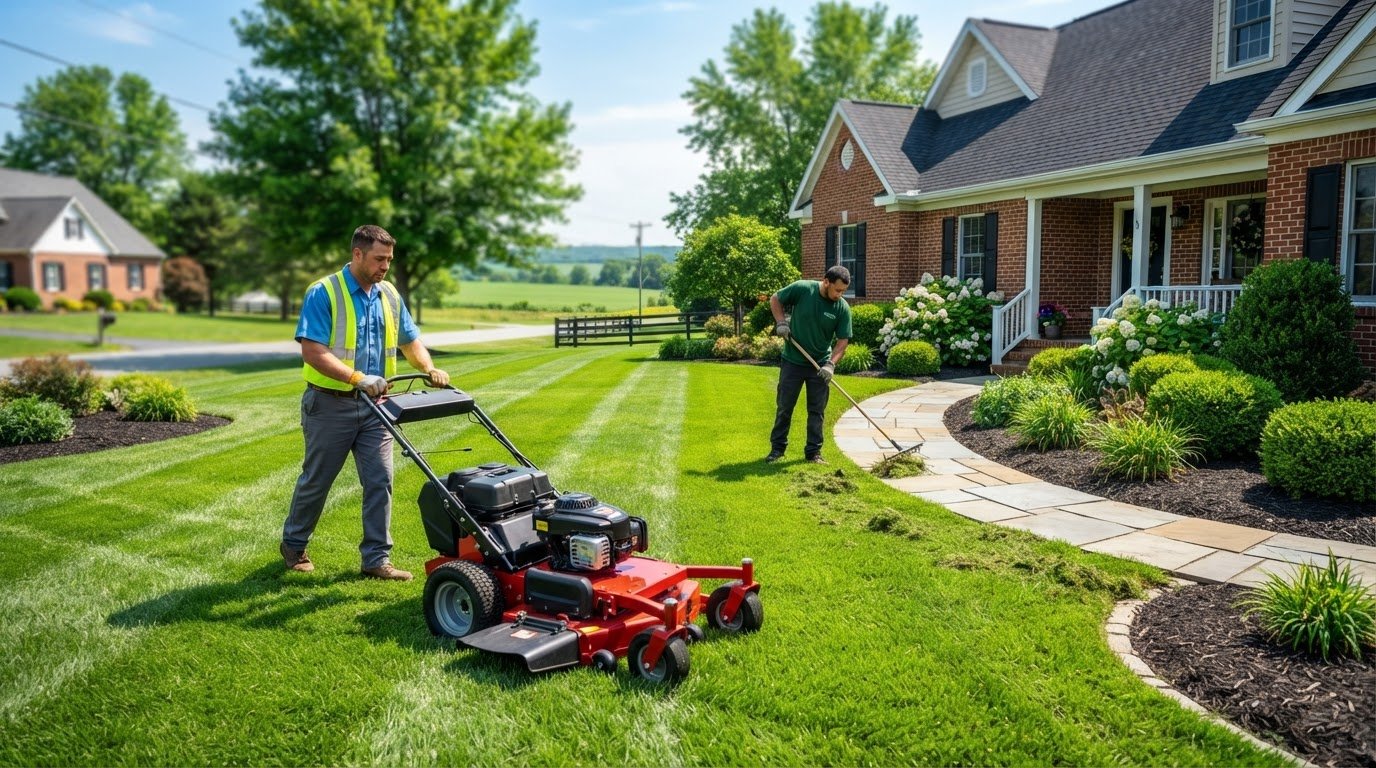
We provide specialized care for properties in Lancaster, Columbia, and Mountville. Our team understands the local flora and the specific environmental stressors of Central Pennsylvania. We take an integrated approach to every project; we don't just trim the trees and leave. We actively protect your existing lawn maintenance and hardscape installations from heavy equipment damage. Our process includes a thorough cleanup that leaves your property in pristine condition. You get the peace of mind that comes from a safe, professionally managed landscape without the burden of doing the heavy lifting yourself.
Secure Your Landscape for the 2026 Season
Mastering tree and shrub trimming is the most effective way to protect your property investment and ensure the long-term health of your greenery. By following the Lancaster County pruning calendar and prioritizing the "Three Ds," you prevent decay from spreading to your home or hardscapes. Remember that selective pruning beats surface-level shearing every time for maintaining plant density and resilience. While light maintenance is possible for many, heavy structural work and hazardous limbs require the specialized equipment and safety protocols of an expert team.
As a locally owned and operated business in Lancaster County, Snappy Landscaping brings specialized expertise to residential and HOA maintenance. We don't just cut branches; we manage outcomes and include a comprehensive cleanup with every service to leave your yard in pristine condition. It's our priority to remove the burden of property management so you can enjoy a safe, professional landscape without the stress of DIY risks.
Request a Free Tree and Shrub Trimming Estimate from Snappy Landscaping
Take the first step toward a safer, more beautiful property today.
Frequently Asked Questions
How much does tree and shrub trimming cost in Lancaster County?
Pricing for professional tree and shrub trimming depends on several variables including the size of the vegetation, site accessibility, and the total volume of debris. A large oak tree requires different equipment and safety protocols than a row of boxwood shrubs. We provide custom estimates based on the specific needs of your Lancaster County property. This ensures you only pay for the work required to keep your landscape safe and healthy without hidden fees.
Can I trim my trees in the middle of summer?
You can perform light tree and shrub trimming in the summer for safety or aesthetics, but avoid heavy structural pruning. High temperatures and potential droughts put plants under significant stress during this time. Cutting too much can lead to sunscald or stunted growth. Focus on removing deadwood or branches that block sightlines. Save major rejuvenation or shaping for the late winter dormant season when the plants can recover without the burden of extreme heat.
What is the difference between pruning and trimming?
Pruning focuses on the health and structural integrity of the plant by removing specific branches. It targets the "Three Ds": dead, damaged, and diseased wood. Trimming is generally used to describe aesthetic maintenance, such as hedging or thinning to maintain a specific shape. Both are essential for a professional landscape. Pruning protects the plant's biological future; trimming ensures your property maintains its curb appeal and keeps walkways clear for safety.
How much can I safely cut off a tree at one time?
Never remove more than 25% of a plant's foliage in a single season. Cutting beyond this limit starves the tree of the energy it needs to produce food through photosynthesis. This is especially critical for older, established trees that don't recover as quickly as younger ones. If a tree or shrub requires significant reduction, it's safer to spread the work over two or three years to maintain its long-term stability and health.
Do I need a permit for tree trimming in Lancaster, PA?
Pennsylvania does not require a state-level permit for residential work, but local rules in Lancaster, Columbia, or Mountville might apply to specific zones. Checking with your township is the best way to ensure compliance. If you share a tree with a neighbor, Pennsylvania common law requires mutual consent before removal. Trimming overhanging branches is generally permitted up to the property line, provided the work doesn't irreparably harm the tree.
What happens if I don’t trim my shrubs?
Neglected shrubs often become "leggy" and hollow, losing their dense foliage and aesthetic value. Overgrown branches can trap moisture against your home, leading to wood rot and pest infestations. In Lancaster County, untrimmed trees pose a significant risk during winter storms where heavy snow can snap weak limbs. Routine maintenance prevents these hazards and ensures your landscape doesn't interfere with your home's drainage systems or structural foundations.
How do I know if a branch is dead or just dormant?
Use the "scratch test" to determine if a branch is still alive. Gently scrape a small section of the bark with your fingernail or a knife. If you see green, moist tissue underneath, the branch is dormant and should be left alone. If the wood underneath is brown, dry, and brittle, the branch is dead. You should also look for firm, plump buds; these are visible on living branches even in the middle of winter.
Should I use tree wound paint after a cut?
You should generally avoid using tree wound paint or sealants. Modern research shows that these products can trap moisture and bacteria against the wood, which promotes rot rather than preventing it. Trees have a natural process called compartmentalization that allows them to seal off wounds on their own. The best way to help a tree heal is to make clean, precise cuts just outside the branch collar using sanitized equipment.