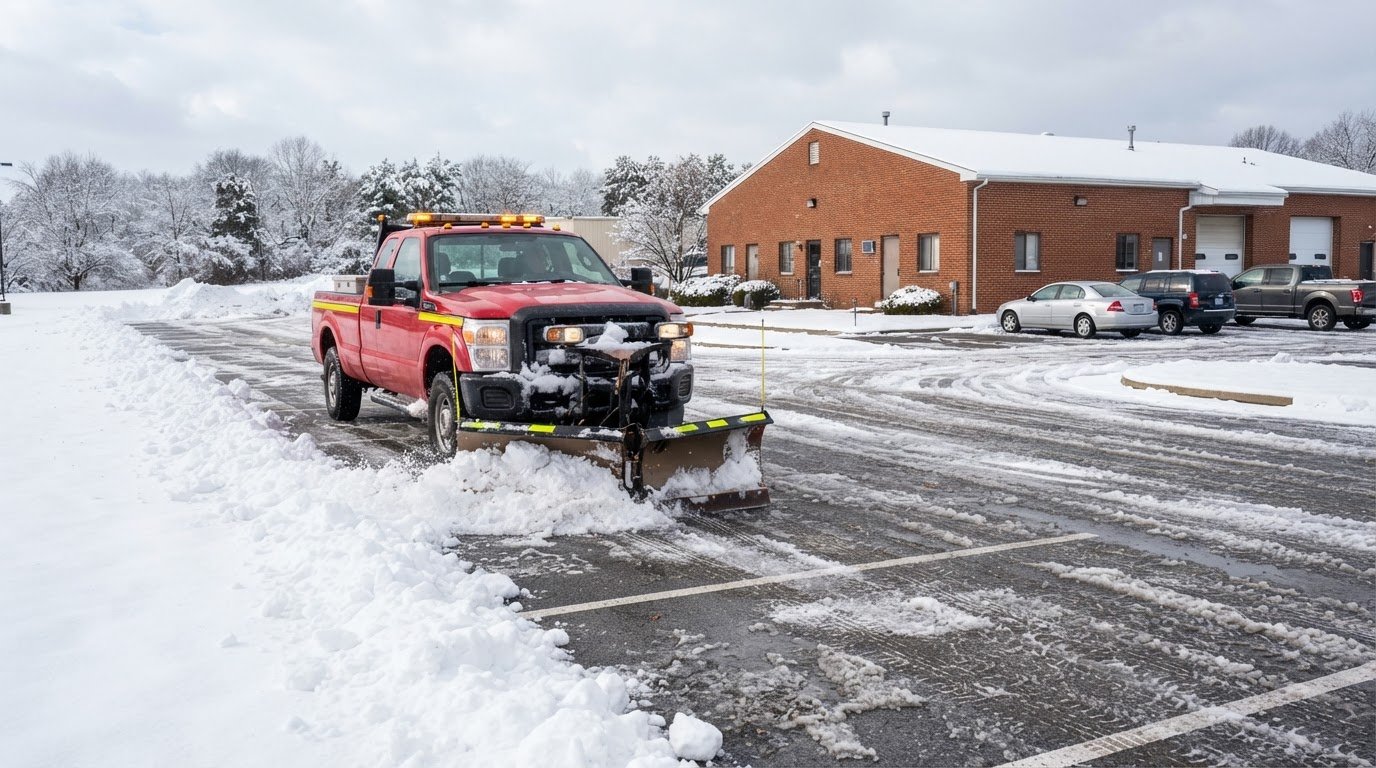

An icy parking lot or walkway can disrupt business before the day begins. Commercial ice control in Columbia, PA, helps keep parking areas, entrances, and other outdoor surfaces more manageable in winter by addressing snow and ice where they affect access.
A clear route to the entrance matters, but ice can form again as conditions change. A practical plan prioritizes the areas people use most and reflects the property’s layout and winter needs.
Learn what commercial ice control can cover, how service planning works, and which site factors shape the approach. This guide also explains how Snappy Landscaping’s commercial snow and ice removal can support business properties in Columbia, Pennsylvania, and what to consider for your next step.
Commercial ice control Columbia PA
Commercial ice control in Columbia, Pennsylvania, combines surface clearing, targeted treatment, and attention to how people move through a property. A useful plan covers the route from parking spaces to building entrances, not just the most visible patch. It also accounts for water that can refreeze on pavement, steps, and walkways. The work sequence should reflect each site’s layout and use.
Start by mapping priority areas: vehicle entrances, accessible parking, loading zones, pedestrian crossings, stairs, and customer entrances. Then note where runoff collects, such as a low spot beside a curb or a walkway beneath a roof edge. Clearing an entrance while leaving the adjoining crosswalk icy creates an incomplete route. A site map helps crews address connected areas in a consistent order.
Set priorities around access and movement. Main entrances and routes between parking and doors often need attention before less-used perimeter areas. A delivery entrance may also need early clearing if vehicles rely on that route. Include secondary doors, employee paths, and waste collection areas in the plan. This gives the work a clear purpose: maintain essential routes while addressing surrounding surfaces methodically.
Plan for snow removal and ice control as distinct tasks. Snow removal exposes the surface; ice control addresses remaining slick areas and refreezing conditions. A crew can clear a parking aisle and pedestrian route, then assess shaded sections or compacted snow near the entrance. Treatment depends on surface conditions and materials. Do not assume one product or application suits every pavement, step, or landscaped edge.
Use a consistent site sequence:
- Assess: Identify accumulation, drainage paths, shaded pavement, and active entrances.
- Prioritize: Order the work around essential vehicle and pedestrian access.
- Clear: Remove snow from driving lanes, walkways, and door approaches.
- Treat: Address remaining icy areas with an approach suited to the surface.
- Reassess: Look for new runoff, refreezing, or blocked routes after conditions change.
Pay attention to drainage, since moving water can create recurring ice. Check downspout outlets, pavement slopes, and places where melting snow gathers. A puddle near a doorway can freeze across a route people use, while a blocked drain can leave water beside a parking area. Recording these spots helps distinguish a one-time accumulation from a condition that may need broader drainage work.
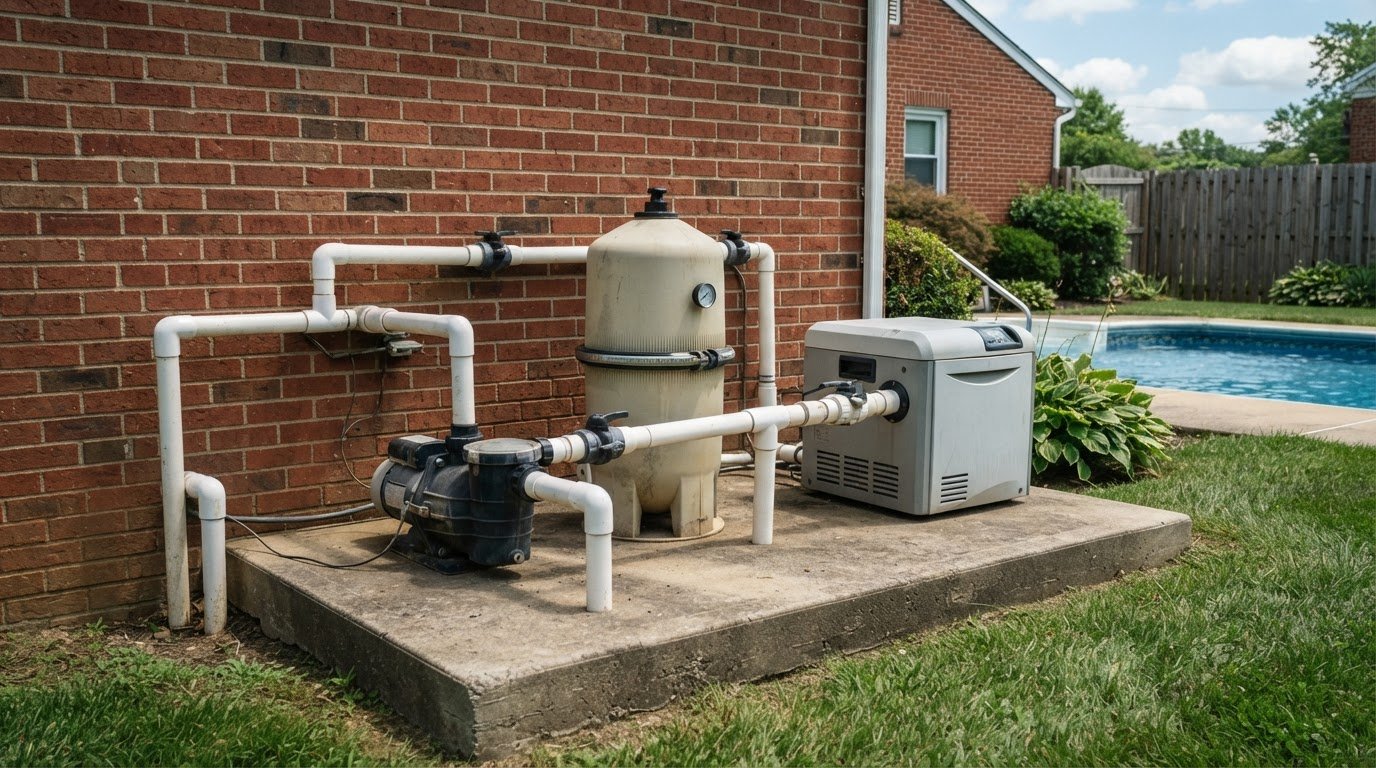
Include outdoor equipment in the property assessment. The U.S. Environmental Protection Agency says snow and ice should be cleared from outdoor vents to prevent indoor pollutant buildup, including carbon monoxide. Mark vent locations on the site plan, especially where drifting snow could cover them. Crews should clear snow around vents without blocking their openings. This links winter maintenance with building safety.
Record completed work and changing conditions. A simple service log can note which entrance was cleared, where ice remained, and whether runoff returned. Repeated icing beside a loading area, for example, may indicate drainage or grading concerns. Share site priorities, restricted access points, and known water paths before work begins. A focused commercial ice control plan in Columbia, PA, keeps attention on the property’s actual access needs. For Columbia businesses, it provides a practical way to organize winter work around those priorities.
Snappy Landscaping
Snappy Landscaping helps commercial property owners address site conditions that can complicate winter maintenance. If recurring ice forms near a walkway or entrance, drainage solutions can help address water movement around the property. Concrete pads and walkways can also support clear, functional routes through a business site.
Consider broader site improvements when a problem extends beyond one icy patch, such as repeated pooling near a pedestrian path or uneven access areas. The right approach depends on the property’s layout, existing surfaces, and where water collects. Snappy Landscaping can assess these outdoor priorities and recommend landscaping or hardscape work that fits the site.
For commercial ice control in Columbia, PA, and related property concerns, contact Snappy Landscaping to discuss your site.
Plan for a More Manageable Winter
Choose your next step based on the property’s most persistent winter challenge. A recurring icy route may point to a need for coordinated seasonal upkeep, while pooling water may call for a closer look at drainage and nearby hardscape. For commercial ice control in Columbia, PA, discuss your site’s winter access needs with Snappy Landscaping and request a free estimate.
Snappy Landscaping also handles Lawn Mowing & Maintenance, Custom Patio Installation, and Retaining Wall Construction. These services can support the property beyond winter, whether you’re planning routine grounds care or considering outdoor improvements. Keep the conversation practical: identify the areas that need attention and the outcome you want for the site.
Contact Snappy Landscaping to discuss your commercial property needs. A clear plan can help you move into the next season with greater confidence and a more orderly site.