
Can you cut the roots growing above ground? Not without considering what they do: cutting roots larger than 2 inches on a mature tree can affect its stability and ability to nourish itself. Tree pruning services in Columbia, PA should start with an evaluation of the tree and the work area, not a quick cut based on appearance alone.
It’s understandable to want tree roots, overgrown branches, or shrubs managed before they interfere with your property. This guide explains how tree and shrub care, free estimates, job evaluations, and access planning fit together for projects in Columbia, PA. You’ll learn what a professional assessment considers, how narrow streets or limited equipment access can shape a work plan, and what information helps move an estimate forward. Use these details to understand the process and choose a practical next step for your property.
Need a pro for your tree service project in Columbia, PA?
Start with the tree’s condition, the work you want done, and access to the site. In Columbia, PA, a careful evaluation helps distinguish routine trimming from work that may call for tree removal.
Routine Tree Trimming and Pruning
Routine tree trimming and pruning can address dead, damaged, or poorly placed branches. The goal is to manage the canopy while considering the tree’s condition and the surrounding property. Before work begins, identify which branches create the concern, such as limbs near a roof or blocking a walkway.
Above-ground roots need a different assessment. Cutting roots larger than 2 inches on a mature tree can affect its stability and ability to nourish itself. Include visible roots in the evaluation rather than treating them as ordinary trimming. A job plan should distinguish branch work, root concerns, and possible removal.
Licensing and Insurance Considerations
Requirements for tree work can depend on its location and scope, so identify the applicable rules for the property before work begins. Licensing and insurance are separate considerations, and one does not imply the other. Include both in the project evaluation, alongside the proposed work and site conditions.
DIY pruning can also create problems. A cut made without considering the tree’s structure may leave damage or affect stability, especially if large roots are involved. Work near buildings, walkways, or surrounding trees adds another planning consideration. A qualified assessment helps define the work before cutting starts.
Local Pruning and Removal Rules
Whether Columbia or Lancaster County requirements affect a project depends on its location and type of work. Pruning a tree on private property may raise different questions from work near a public street or shared space. Identify the tree’s location and whether the request is for trimming or removal during the evaluation.
Columbia, Pennsylvania, is listed under ZIP code 17512. Narrow streets and limited equipment access can also shape tree-work planning in Columbia neighborhoods. Describe the street access, nearby structures, and surrounding landscaping so the evaluation can account for the site before work is scheduled.
Which local tree pruning companies serve Columbia? Companies that accept projects at Columbia addresses serve the area; coverage can vary by address. For local tree-work information, see the tree services page. Share the tree’s location, the requested trimming or removal, and any access limits to make the project scope clear.
Free estimates and service process
A free estimate gives you a project-specific scope before tree work begins. The visit can clarify whether the request involves pruning, tree removal, stump removal, or several tasks.
Free On-Site Estimates
An on-site evaluation lets the team see the tree, nearby structures, and access conditions. This can make the proposed work more precise than a description alone. Point out each concern, such as a branch over a driveway or a tree you want removed. Identify the areas and cleanup tasks you want included in the estimate.
Before the visit ends, confirm that the written scope reflects the work discussed. If one tree needs trimming and another may need removal, those tasks should be clearly distinguished. A free estimate defines the proposed job; it does not automatically include every possible task.
Tree Service Estimates and Costs
The price depends on the case and is given after a quote request; tree size, condition, work complexity, access, removal, stump removal, and cleanup can affect the scope. A useful estimate connects each task to the work proposed. For example, pruning branches and removing a tree are different operations, so the document should identify the requested work.
Review what happens after the work is completed. Check whether the written scope describes branch or wood handling, stump work, and site cleanup. These details help prevent different expectations about what “completed” means. If the job changes after evaluation, the revised scope should make the added or altered work clear before it proceeds.
Comparing Quotes and Credentials
Compare tree pruning quotes by matching their work scopes, not just their totals. Check whether each estimate covers the same trees, pruning or removal, stump work, access needs, and cleanup. To verify credentials, review the company’s documentation and confirm that it applies to the business performing the work. Keep the estimate and supporting documents together.
An estimate covering fewer tasks may not be comparable to one that includes removal and cleanup. For a Columbia property with multiple trees, list each tree and its requested work in the estimate. This makes differences easier to spot and keeps the decision focused on the result you need.
Once the scope is clear, request a free on-site estimate to discuss the work and access details for your property.
This is one reported comparison, not evidence that the estimates covered the same services or conditions. When reviewing a difference like this, check that each proposal describes the trees involved, removal work, access, stump handling, and cleanup in comparable terms. A lower total may reflect a narrower scope, while a higher one may include work not requested; the details are what allow a fair comparison. Ask for clarification when an estimate leaves any task or handling detail uncertain, and make sure any agreed change is reflected in the scope before work begins. Treat a single customer account as context, rather than a guide to what a similar project should cost.
Tree and shrub care in Columbia, PA
Plan tree and shrub care around the plants’ condition and the property around them. In Columbia neighborhoods, humid conditions can make fungal disease and pest pressure important considerations. Include visible changes in leaves, bark, and branch growth in the evaluation. A crowded-looking tree may need a different response from one with damaged growth or signs of pests.
For a riverfront property, ask the evaluator to consider the ground, drainage, and nearby structures alongside the tree. A tree near a walkway, retaining edge, or building needs a plan that accounts for those features. For example, work beside a narrow path may call for a different equipment approach than pruning in an open lawn. Site conditions help shape the scope.
After a storm, note trees with broken limbs, leaning trunks, or branches resting on other growth. Keep people away from the affected area, and avoid disturbing damaged limbs while the work is assessed. A clear description of the location and visible damage helps guide the response. Storm damage may involve more than pruning, so the evaluation should distinguish branch work from possible removal.
Storm-related tree work differs from routine seasonal maintenance. A limb blocking a driveway, for example, creates an immediate access issue, while gradual changes in a tree’s canopy can be reviewed as planned work. Don’t approach a damaged tree to inspect it closely. Describe the hazard from a safe distance, including nearby structures or routes people use.
Seasonal care works best as a repeatable inspection process rather than an automatic trimming schedule. Walk the property and record changes in canopy shape, damaged branches, shrub density, and signs of disease. In humid Lancaster County conditions, note recurring leaf or bark symptoms and where they appear. Those observations help distinguish a single damaged branch from a pattern that needs closer assessment.
For each tree or shrub, organize the evaluation around three details: its condition, its surroundings, and the result you want. A shrub blocking a walkway may need shaping, while a storm-damaged tree may require a different scope. Include the location, access route, and any nearby patio or concrete walkway. This information helps connect the proposed care to how the property is used.
Service request and quote form
A clear service request connects the property issue with the work being considered. Describe the tree, the concern, and the result you want when requesting a free estimate.
Start with the property location in Columbia and the best way to identify the tree. If several trees need attention, describe each separately, such as the maple beside the driveway or the branch extending over a walkway. Explain whether you’re requesting pruning, removal, stump removal, or grinding. These details help keep different tasks distinct during the evaluation.
Include visible conditions that affect the request. Mention dead limbs, damaged bark, unusual changes in leaves, or a trunk that appears to lean. Describe nearby features, too: a fence, patio, walkway, parking area, or narrow access route. A photo can help show the location and surrounding space, but it shouldn’t replace an on-site evaluation when one is needed.
- Location: Give the Columbia address and identify each tree or shrub.
- Concern: Describe the branch, leaves, trunk, or stump involved.
- Requested work: State whether you want pruning, removal, cleanup, or grinding.
- Access: Note gates, parked vehicles, walkways, and nearby structures.
Be specific about what you want completed. For example, “prune the branch over the walkway” is clearer than “clean up the tree.” If you want stump removal after tree removal, list it separately. This prevents the request from blending distinct work into a single general description. A clear scope also gives the evaluator a better basis for discussing the work and preparing an estimate.
The price depends on the case and is given after a quote request. Tree size and condition, requested tasks, site access, and cleanup needs can affect the scope. Pruning one branch differs from removing a tree and grinding its stump. Ask for each requested task to appear clearly in the estimate, so you can see what the proposed work covers.
Before submitting a request, review the details for accuracy. Confirm the address, the tree’s location, and whether the work involves leaves, branches, removal, or grinding. Add any access issue that could affect equipment or movement around the property. A precise request creates a practical starting point for the evaluation, estimate, and final work scope.
Tree-job evaluation and access planning
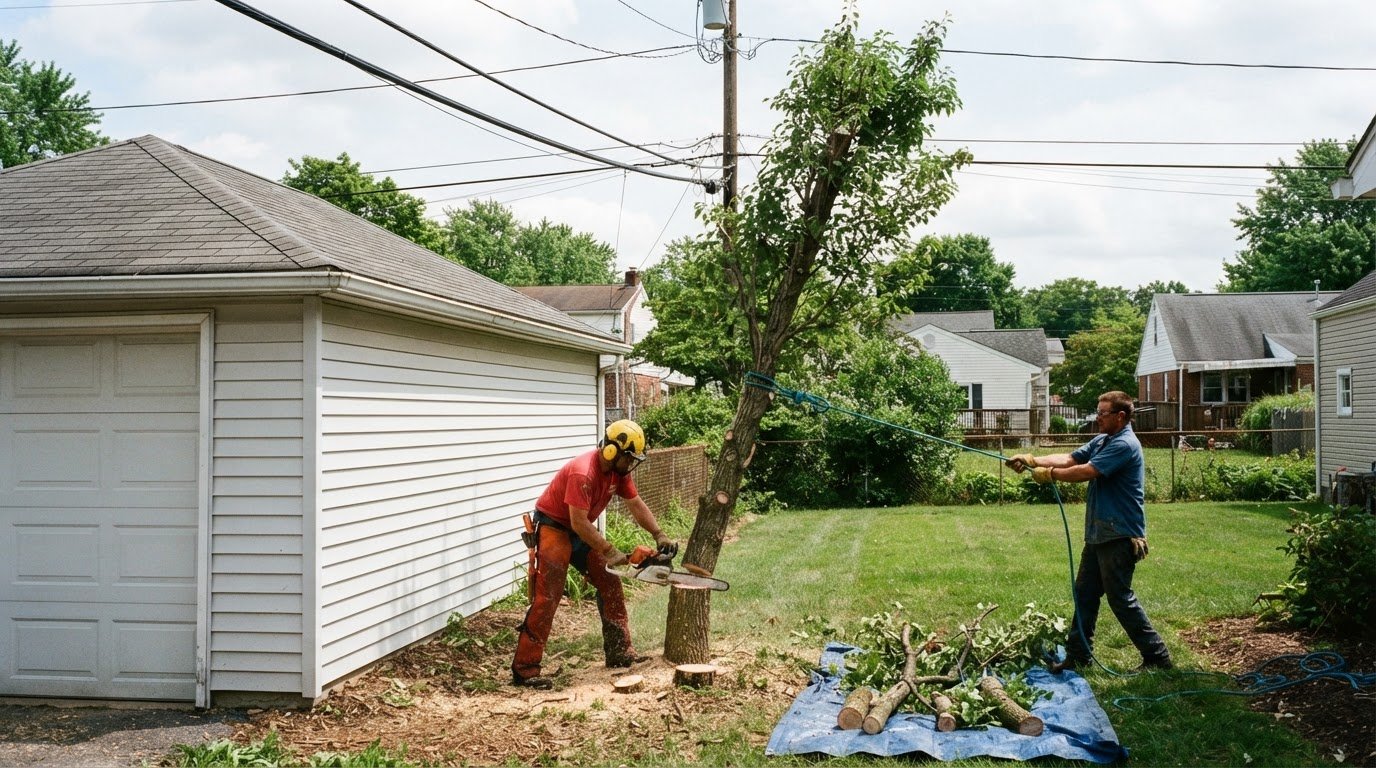
In Columbia neighborhoods, narrow streets and limited equipment access can shape a tree-work plan. An evaluation should map the route from the street to the tree, including gates, driveways, walkways, and nearby structures. A clear route helps determine where equipment can operate and how branches or wood can be moved off the property.
Start by identifying the tree’s position and the closest usable access point. For a tree behind a house, the team can assess whether a side gate, driveway, or open yard provides a practical route. Note low branches, fences, patios, and parked vehicles along the way. These details help define a workable sequence before the job begins.
Ground conditions matter, too. The planned route should account for soft lawn areas, slopes, garden beds, and paved surfaces. For example, a narrow path beside a concrete walkway may limit equipment placement and call for a different approach than an open lawn. Identify surfaces that need protection and explain which areas must remain accessible during the work.
- Access: Identify gates, street parking, narrow passages, and driveway clearance.
- Work area: Point out the tree, nearby structures, and surrounding landscaping.
- Removal plan: Discuss where cut branches, trunk sections, and debris can be handled.
- Finish: Clarify whether the scope includes stump grinding and cleanup.
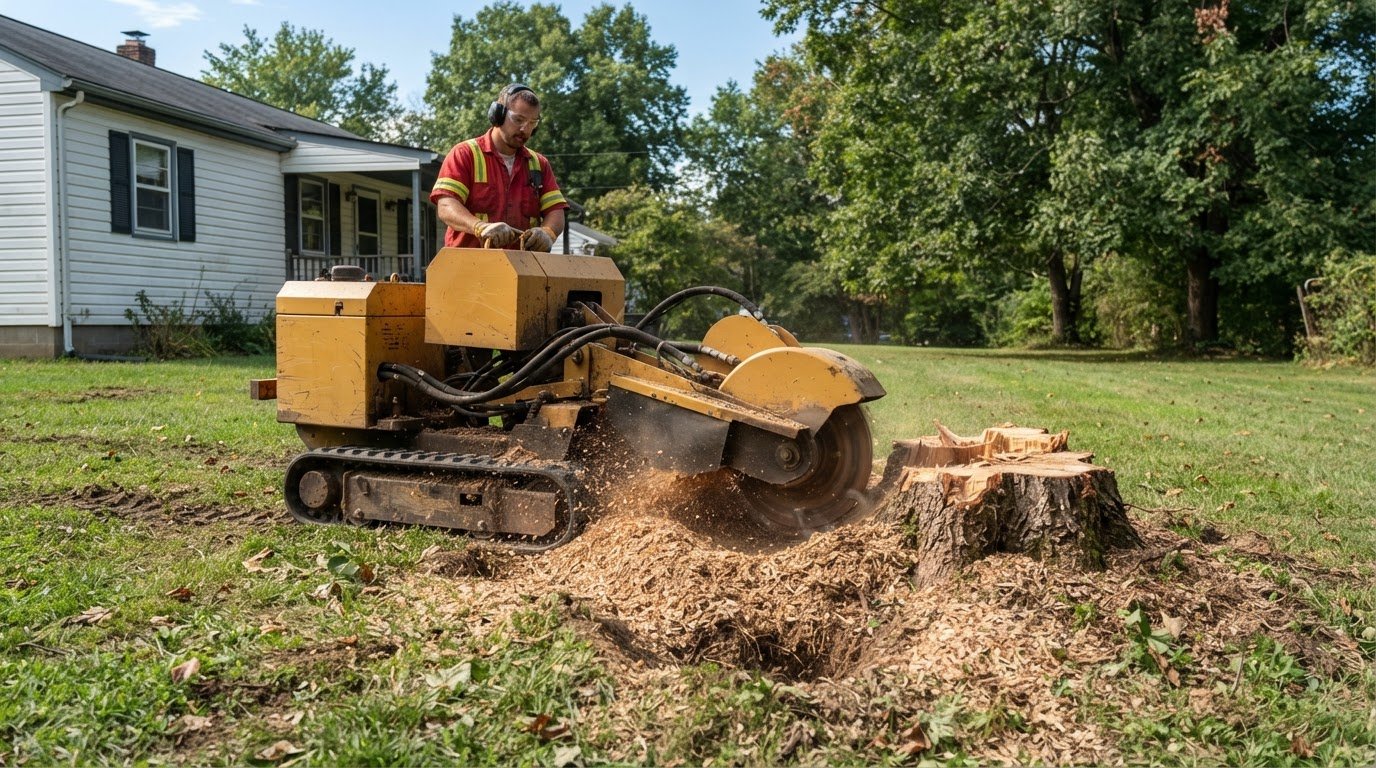
Tree removal requires planning beyond the cut itself. The evaluation should consider where each section can be lowered or moved, and how workers can keep the route clear. If stump grinding is included, identify the stump and the ground around it. Nearby walkways, planting beds, and concrete surfaces can affect how the work area is organized.
Access planning also supports an efficient work sequence. The team can consider where equipment enters, where debris is gathered, and which route remains open. For example, a tree near a driveway may need a plan that keeps vehicle access clear. Share property-use needs, such as maintaining access to a side entrance.
Before work starts, align the planned route, work area, and requested finish. That conversation can clarify which surfaces need protection and where debris will be staged. Discuss your tree-job access plan to help define the project scope for your Columbia property.
Snappy Landscaping: Landscaping Services
Snappy Landscaping helps Columbia property owners address tree work and related outdoor needs through tree trimming, tree removal, and landscaping services. Turn to the team when overgrown branches, a tree requiring removal, or surrounding yard work needs a defined plan. For example, a tree may sit beside a lawn or patio, so the scope should account for how the property is used.
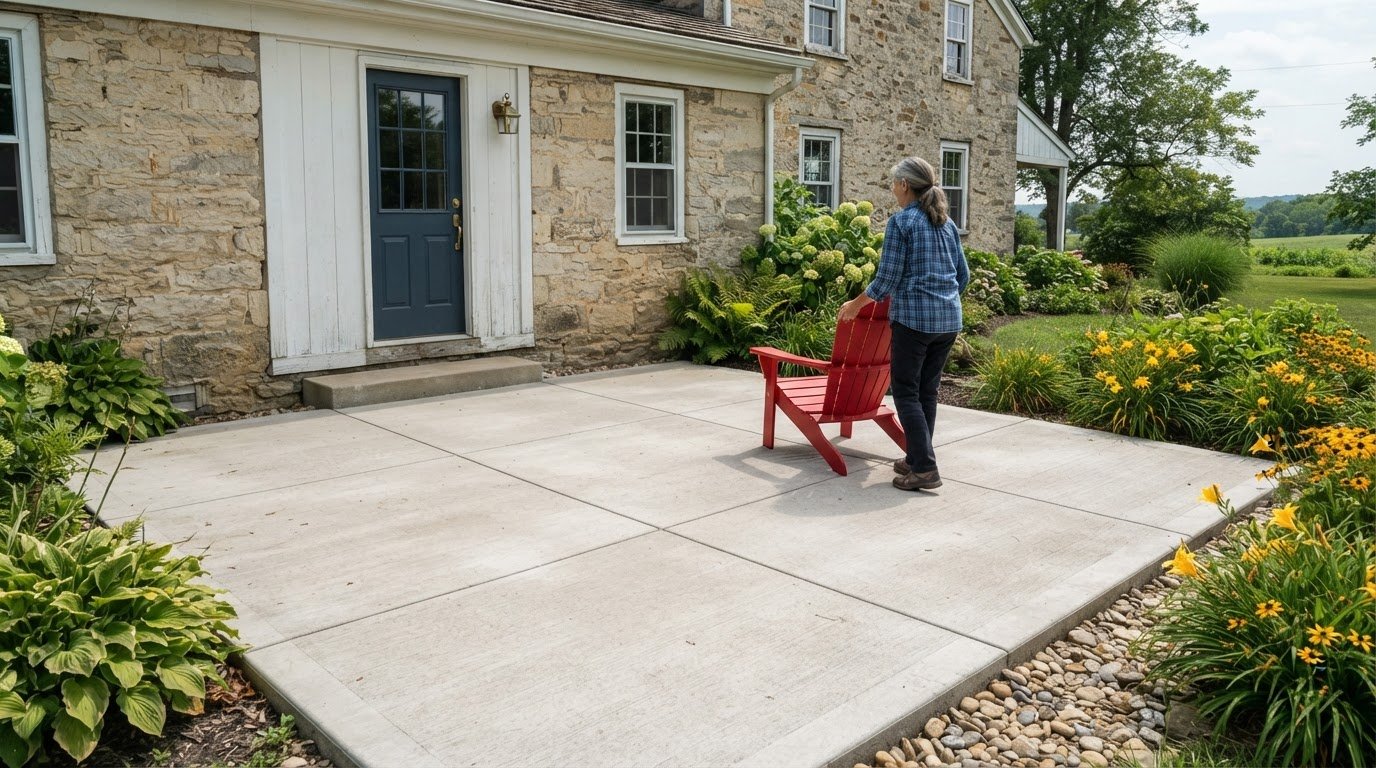
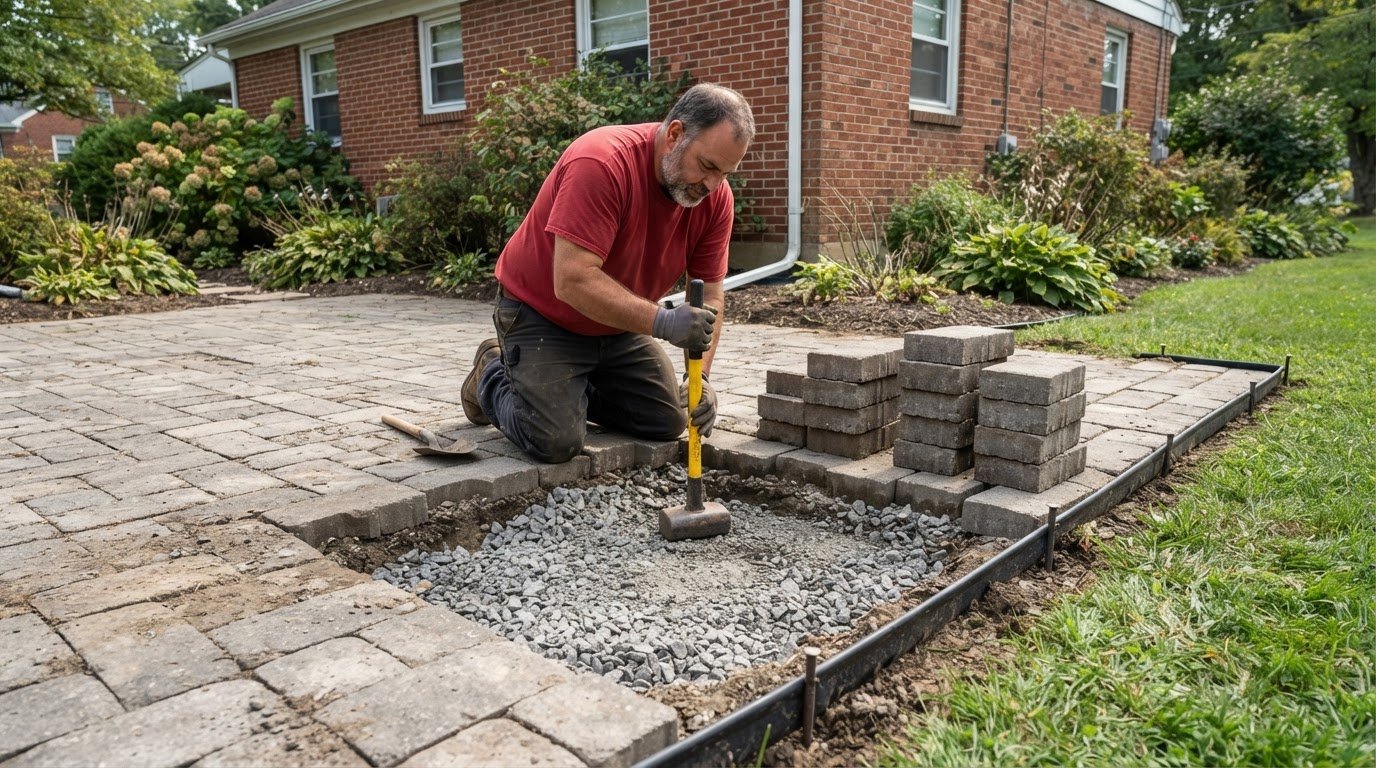
After tree work, lawn mowing and maintenance can help keep the surrounding area orderly. Custom patio installation is also available for a separate outdoor improvement project. Keep each request focused on the work you want completed, whether it involves tree care or broader landscaping.
Contact Snappy Landscaping to discuss your Columbia property and the tree work you need.
Plan the next step for your Columbia property
Choose tree pruning services in Columbia, PA by starting with the result you want for your property. A clear scope keeps the project focused, whether you’re addressing a tree concern or planning broader outdoor improvements. Consider how the finished space should work for your household, tenants, or visitors. That goal can guide the conversation beyond the immediate work.
Snappy Landscaping can also support related property projects through Lawn Mowing & Maintenance, Custom Patio Installation, and Retaining Wall Construction. These services may suit separate needs around the same outdoor space, such as maintaining the lawn or improving an area beside a slope. Keep each request distinct so the proposed work reflects what you want done.
Bring the property location and your priorities into the next conversation. Share which areas need attention and what you want the completed space to support. Contact Snappy Landscaping to discuss your project and its next steps. A well-defined plan is a practical start toward a more functional outdoor space.
Frequently Asked Questions
Is it OK to cut tree roots that are above ground?
Don’t cut an exposed root without assessing the tree first. Cutting roots larger than 2 inches on a mature tree can affect its stability and ability to nourish itself. For example, a root crossing a lawn may look like an obstacle, but cutting it could affect the tree. Include the root’s location and the tree’s condition in the evaluation before deciding how to manage the area.
What costs are involved in tree and shrub services?
Pricing varies based on property size, service frequency, and maintenance requirements, and Snappy Landscaping provides a free estimate for every property. The scope may differ between shaping shrubs, pruning branches, and removing a damaged tree. Access, tree condition, debris handling, and the number of tasks can also affect the proposed work. Ask for shrub shaping and tree removal to appear as distinct items so the scope is clear.
What tree pruning services are available in Columbia, PA?
Tree pruning services in Columbia, PA include tree trimming, tree removal, shrub removal, overgrowth clearing, and storm cleanup. Snappy Landscaping is licensed and insured, and its team is background-checked. Service areas are: Lancaster, PA; Mountville, PA; and Columbia, PA.
How much does tree pruning cost in Columbia, PA?
There isn’t one fixed price for every pruning job in Columbia. Pricing varies based on property size, service frequency, and maintenance requirements; Snappy Landscaping provides a free estimate for every property. For a specific tree, the proposed scope also depends on its condition, the branches involved, and site access. A clear estimate ties the work to the property rather than relying on a general price for every tree.
How do Columbia, PA tree services price pruning by tree size and type?
Tree size and type help shape the scope, but they don’t determine a universal price by themselves. A broad canopy may involve more branch handling than a small tree, while condition and access affect how the work is planned. The estimate should describe the specific tree and requested cuts. For example, pruning one limb differs from shaping several sections across a canopy.
When is the best time to prune common trees in southeastern Pennsylvania?
The best timing depends on the tree species and the reason for pruning. A tree being shaped for clearance may need a different plan from one with damaged or diseased growth. Flowering trees also require attention to when they form buds, since timing can affect the next display. Identify the tree and your goal first, then base the pruning plan on those specific conditions.
Do local tree pruning services offer emergency work, cleanup, and stump removal?
Tree services vary, so distinguish storm cleanup from routine pruning and stump work. Snappy Landscaping provides tree trimming, tree removal, shrub removal, overgrowth clearing, and storm cleanup services in Lancaster, Columbia, and Mountville. Storm cleanup can include removing damaged trees and debris, but this does not promise round-the-clock emergency response. Stump removal is a separate task from tree removal, so keep it distinct when defining the work you want completed.