
A tree problem can leave more behind than a fallen trunk: there may be a stump to deal with, storm damage to assess, or a hazardous tree that needs attention. A tree removal service in Lancaster, PA can help bring the property back into order, but the right plan depends on the tree, the site, and the work involved.
It’s reasonable to want a clear estimate and to understand what happens after removal. This guide explains what to consider when reviewing an estimate from a certified arborist, how stump grinding differs from full stump removal, and what information can matter when documenting storm damage for billing. It also covers hazardous tree removal and the areas served around Lancaster County, so you can better understand the process before deciding on next steps. Expect practical guidance on the questions that shape the work, without a one-size-fits-all answer.
Stump grinding and removal
After a tree comes down, its stump can still get in the way of lawn care, planting, or a planned walkway. Stump grinding cuts the remaining stump into wood chips, usually below ground level. The roots remain underground, so grinding removes the visible stump but does not extract the entire root system. That difference helps you choose a finish suited to your property.
Grinding can make the area easier to maintain, but it does not leave a finished lawn immediately. The hollow and wood chips need attention before you replant or cover the space. If you plan to grow grass there, discuss how the ground will be left. A future patio may call for a different cleanup and preparation plan.
Before work starts, identify nearby features that affect access and the final result. Mark the intended use of the area, such as a garden bed, walkway, or open lawn. Point out fences, planting, and the surrounding hardscape during the site review. A certified arborist can assess the tree and stump conditions as part of planning, especially when the original tree showed signs of decay.
Stump grinding and cleanup are related, but they are separate parts of the job. Grinding creates wood chips and leaves a low area where the stump stood. The agreed cleanup determines what happens to those materials and how the site is left. Clarify whether you want the chips retained for reuse or the area prepared for another landscape project.
- For lawn restoration: Discuss how the hollow will be filled and prepared for grass.
- For planting: Decide whether the stump area needs additional soil or a different location.
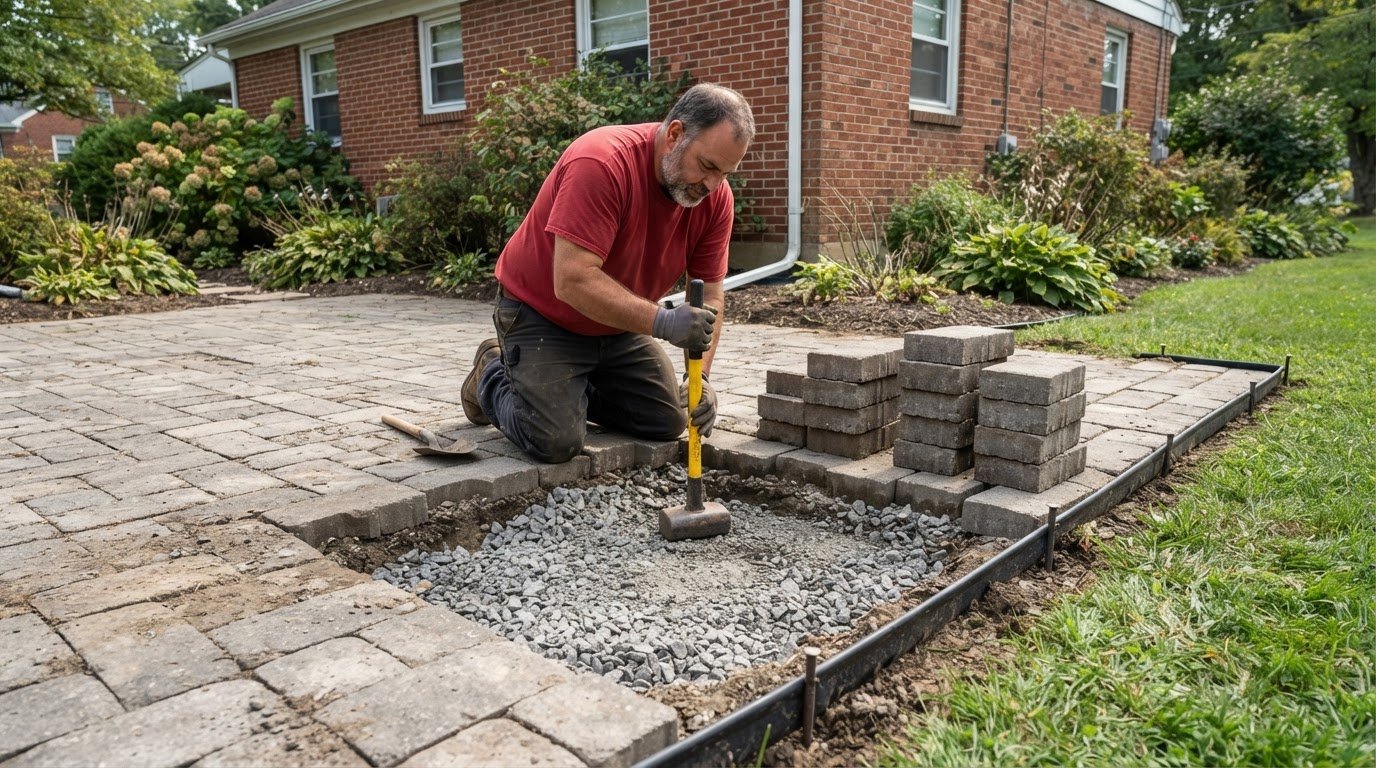
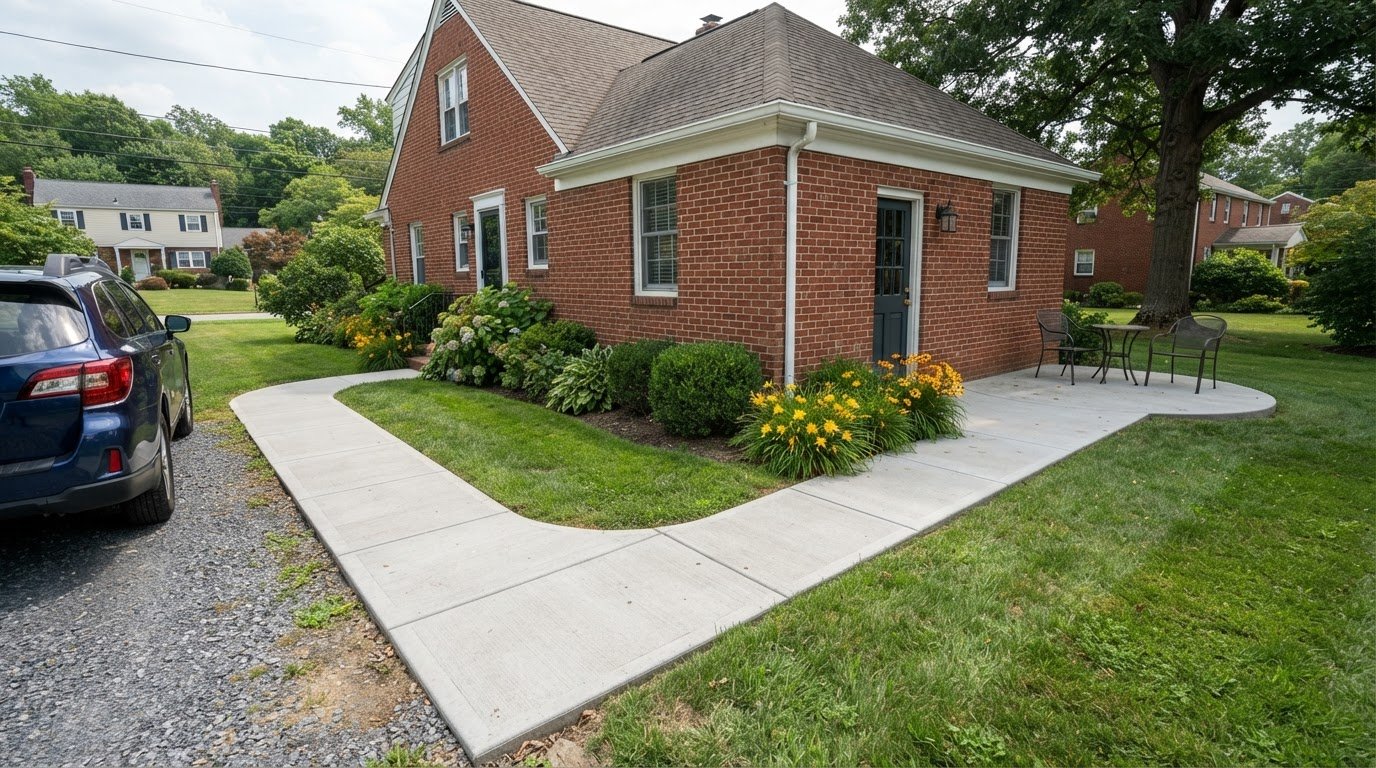
- For a hardscape: Explain the planned walkway or patio so site preparation matches the next project.
Roots remain underground after grinding and may affect later planting decisions. Don’t assume that grinding a stump removes every root. If you want the area completely cleared for planting, state that before work begins. The approach should suit your intended use, not just the appearance immediately after the tree is cut.
Cleanup also affects how soon you can use the space again. Wood chips can be reused as landscape material, but they may not suit every finished surface. Ask for the scope to spell out grinding, chip handling, and site cleanup. This makes expectations clear before the work is complete.
In Lancaster, stump work often follows tree removal, but the next step depends on the property plan. A tree removal project may include coordinated stump work; the Lancaster tree removal service page describes the related work. Decide whether the priority is removing the visible obstruction, preparing for planting, or clearing space for construction. That choice guides the finish.
Free estimates by a certified arborist
Compare Lancaster estimates by matching the work scope, site conditions, and cleanup details. A certified arborist can assess the tree in person and explain how its condition and location affect the proposed work. For a tree removal service in Lancaster, PA, this assessment helps connect the proposed work to the actual site.
On-Site Consultations
An on-site assessment lets the team see the tree, nearby structures, and access route. A photograph may show the canopy, but not every obstacle or ground-level condition. Identify the tree and describe your goal, such as removal, trimming, or clearing space for a project. Ask what the estimate includes.
A tree close to a fence may need a different work plan from one in an open lawn. Whether the property is residential or commercial, the estimate should connect the observed conditions to the proposed scope. Look for clear descriptions of the tree work, debris handling, and any stump work discussed during the visit.
Estimate and Pricing Options
A free estimate describes proposed work without charging for the estimate itself. Flat-rate pricing presents the agreed scope as one total rather than separate charges for each task. Read the scope alongside the price: a removal estimate and a trimming estimate are not comparable if one includes cleanup and the other excludes it.
Pricing varies based on property size, service frequency, and maintenance requirements. For tree work, the tree’s size and condition, site access, and requested cleanup also shape the estimate. Ask for the included tasks in writing. If the work plan changes, a written revision helps show what changed and why.
Lancaster Price Estimates
Tree removal estimates in Lancaster County reflect the tree and site, not just a broad label such as “large tree.” A leaning tree near a building presents different access and removal needs from a similar-sized tree in an open area. Dead or damaged limbs can also affect the work plan. The written estimate should identify the work being priced.
Compare estimates line by line, using the same tree, requested work, and cleanup expectations. Check whether stump grinding is listed separately if you need it. A lower total may reflect a narrower scope, while another estimate may include additional work. Written details make the difference clear. A tree removal service in Lancaster, PA should describe the tasks included in its estimate.
Estimate Process
Start by identifying the tree and explaining the result you want. During the site visit, the team assesses its condition, position, and access. The estimate then sets out the proposed work and relevant cleanup. Review those details before approving the job, especially when removal, trimming, and stump work are all discussed.
Keep the estimate and any later revisions together so the agreed scope stays clear. If a storm-damaged tree is involved, describe the damage and the work covered by the estimate. Clear details help distinguish the original request from changes made after the assessment.
For a Lancaster property, a written estimate gives you a practical basis for comparing scope and deciding on next steps. Share your tree-service details for an estimate, including the tree’s location and the work you need considered.
Storm damage and insurance billing
After a storm, separate immediate site concerns from insurance paperwork. Record the affected trees, visible damage, requested work, and cleanup as distinct details.
Storm-Damaged Tree Response
A storm-damaged tree may have a split trunk, hanging limbs, or a fallen section near a fence. Describe what changed and where the damage is. A professional assessment can distinguish visible damage from further work that may be needed, such as removing broken limbs or determining whether pruning is suitable.
For storm damage, document the tree’s condition and the affected property before cleanup changes the scene. Take clear photographs from several viewpoints and note nearby features, such as a shed or walkway. Don’t assume every damaged tree needs complete removal. The proposed work should address the observed condition and site.
Storm-Damage Tree Services
Storm-damage tree services can involve removing a fallen tree, cutting away damaged sections, or pruning branches that remain on a standing tree. The appropriate scope depends on the tree and its position. For example, a fallen limb across a garden bed calls for a different plan than a broken section resting on a driveway.
Ask for the estimate and work record to distinguish tree work from debris cleanup. This helps you understand what was completed and gives you clearer documentation for an insurance conversation. If the storm also damaged a walkway or another landscape feature, record that separately rather than including it in the tree-work description.
For insurance billing, keep the paperwork specific. The invoice documents the work performed; it does not establish what an insurer will reimburse. Review your policy and ask the insurer what documentation it needs, whether photographs are useful, and whether it requires claim review before you authorize non-urgent work. Keep the estimate, approval records, final invoice, and damage photographs together.
- Record the storm damage before cleanup, including the tree and nearby property.
- Keep tree removal, pruning, and debris cleanup distinct in written descriptions.
- Save the estimate and final invoice with any insurer correspondence.
After a storm, emergency cleanup can feel like the only priority, but clear records help explain the sequence. Note what required immediate attention and which tasks involved later restoration, such as removing remaining debris or preparing a damaged area for landscaping. Clear communication about the scope makes it easier to track completed work and what the insurer is reviewing.
Once the site is clear, consider the next practical step. A damaged lawn, garden bed, or walkway may need separate landscape work to restore the property’s appearance and use. Keep those plans distinct from the storm-damage tree invoice, so each task has a clear description and record.
Hazardous tree removal
If a damaged tree appears to threaten people or property, stay clear of the area and arrange a professional assessment. Don’t climb, cut branches, or operate equipment near an unstable tree.
Warning signs can include a cracked trunk, hanging branches, major dead limbs, or a tree leaning toward a building. These conditions warrant attention, but an assessment considers the whole tree and its surroundings. A professional can help determine whether pruning, removal, or further observation suits the visible condition.
A tree assessment considers the trunk, canopy, branch attachments, and base. For example, a cavity near the trunk and dead branches overhead present different concerns from a healthy canopy beside a walkway. The assessment also considers nearby structures and access, which affect how the crew can complete the work and handle debris.
After severe weather, note what changed before the site is disturbed. A split limb over a driveway, newly exposed roots, or a trunk resting against a fence gives the assessor useful context. Keep people away from the damaged area, and say whether the tree is standing, partly broken, or already down.
- Standing tree: Identify cracks, a new lean, or branches that have broken but remain attached.
- Fallen tree: Note where the trunk and branches landed, such as across a path or against a shed.
- Nearby property: Point out buildings, fences, walkways, and other features around the tree.
Removal may be appropriate when an assessment finds that a tree cannot safely remain in place. Pruning may address specific damaged branches when the rest of the tree can stay. The work plan should name the task, identify the tree, and explain how the crew will handle debris. These details clarify what the estimate covers.
If a tree looks unstable, don’t try to reduce its height or remove a limb yourself. Cutting can shift the weight or release a branch unexpectedly. Keep clear, share the location and visible damage with the tree professional, and wait for an assessment before treating the area as ready for normal use.
For planned work, review the written scope for removal, pruning, and cleanup as separate tasks. Ask for the assessment findings and proposed work to be documented. A courteous, professional tree crew should explain the work sequence in plain language, including how it will protect surrounding areas and leave the site. Insured status is also a relevant item in a tree-work discussion.
After removal, the property may need separate work to restore a walkway or landscape bed. Keep that follow-up distinct from hazardous tree work in the project notes. Clear descriptions help track what the tree crew completed and what remains for later property maintenance.
Tree trimming and removal in Lancaster and neighboring counties
Tree removal service in Lancaster, PA, and nearby Mountville and Columbia depends on the tree, the property, and the result you want. Permit requirements, insurance documentation, and timing can also shape the plan.
For most private residential tree removals in Lancaster County, a permit is generally not required. Trees in the public right-of-way or designated street trees, particularly within Lancaster City, typically require one.
No specific company should be described as licensed and insured without documentation. For a Lancaster project, compare current proof of insurance and written credentials before approving work.
There isn’t one best season for every planned removal in Lancaster. Tree condition and site needs matter: a hazardous tree needs prompt assessment, while non-urgent work can be scheduled around access and the property’s next project.
Service Area Coverage
Tree trimming and removal in Lancaster County may involve a residential yard, a commercial property, or a tree beside a shared access route. Nearby counties can have different site layouts and local considerations, so describe the property location clearly when requesting an estimate. That helps define the work area and the intended result.
For example, trimming branches over a Lancaster driveway differs from removing a hazardous tree near a building. Identify the tree, explain what prompted the request, and say whether cleanup is part of the result you want. These details help keep the estimate focused on the site.
Removal Scheduling
Schedule planned removal around the tree’s condition and the work that follows. If a recent inspection identifies a hazardous tree, address that assessment before treating the job as routine seasonal maintenance. For a non-urgent tree, consider access for equipment and whether removal needs to happen before landscaping or construction.
Tree trimming can also be scheduled to address branches that interfere with a driveway or planned walkway. State the purpose clearly, such as improving access or making room for a project. That helps distinguish trimming from full removal and keeps the proposed work aligned with the property’s needs.
Before approving a Lancaster-area job, review the estimate for the tree’s location, the task, and the cleanup scope. Confirm that any permit requirement for a public or designated street tree is part of the project plan. Keep the estimate and relevant insurance records together so the agreed work remains clear.
For tree trimming or removal planning in Lancaster County, request an estimate for your property and describe the tree, location, and work wanted.
Snappy Landscaping: Landscaping Services
Snappy Landscaping provides tree trimming, tree removal, shrub removal, overgrowth clearing, and storm cleanup. Tree work can also be part of a larger property project, with landscaping services helping organize the surrounding space afterward.
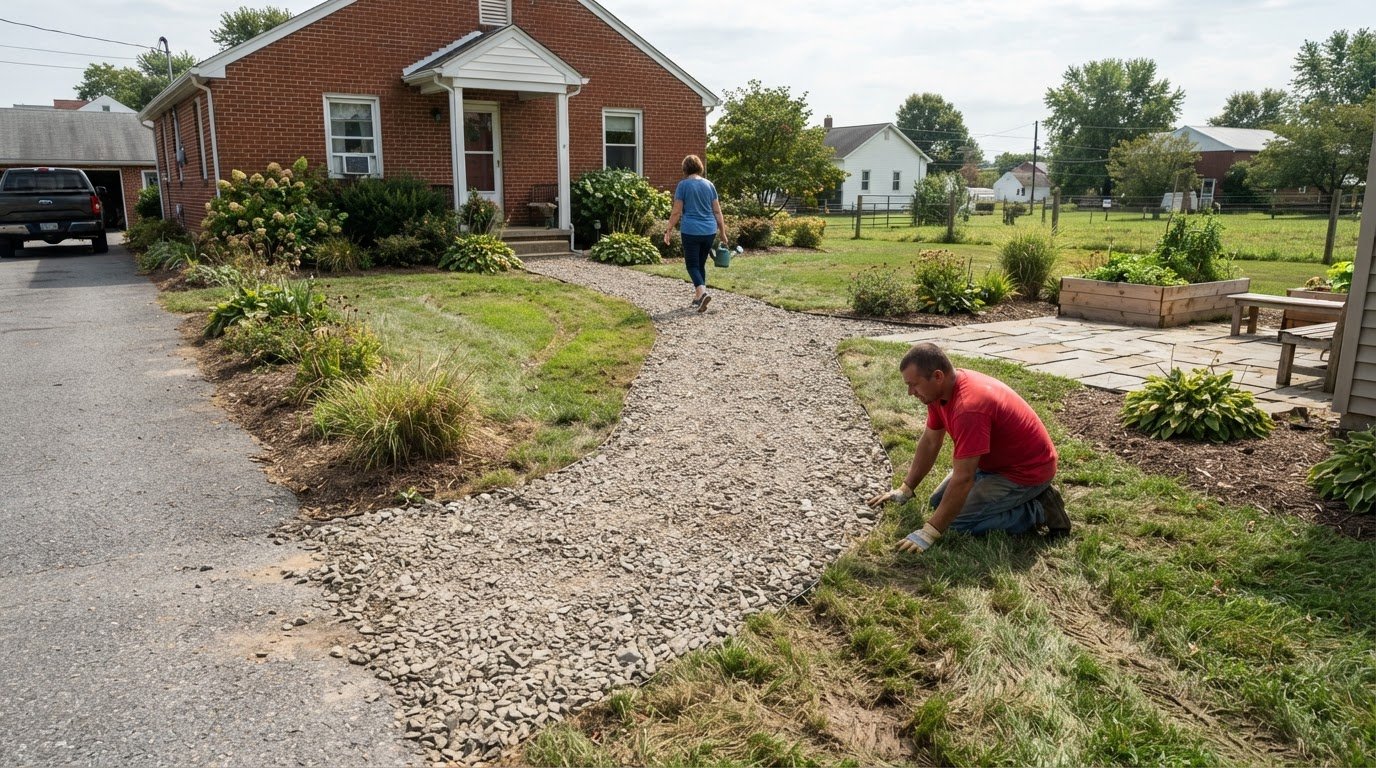
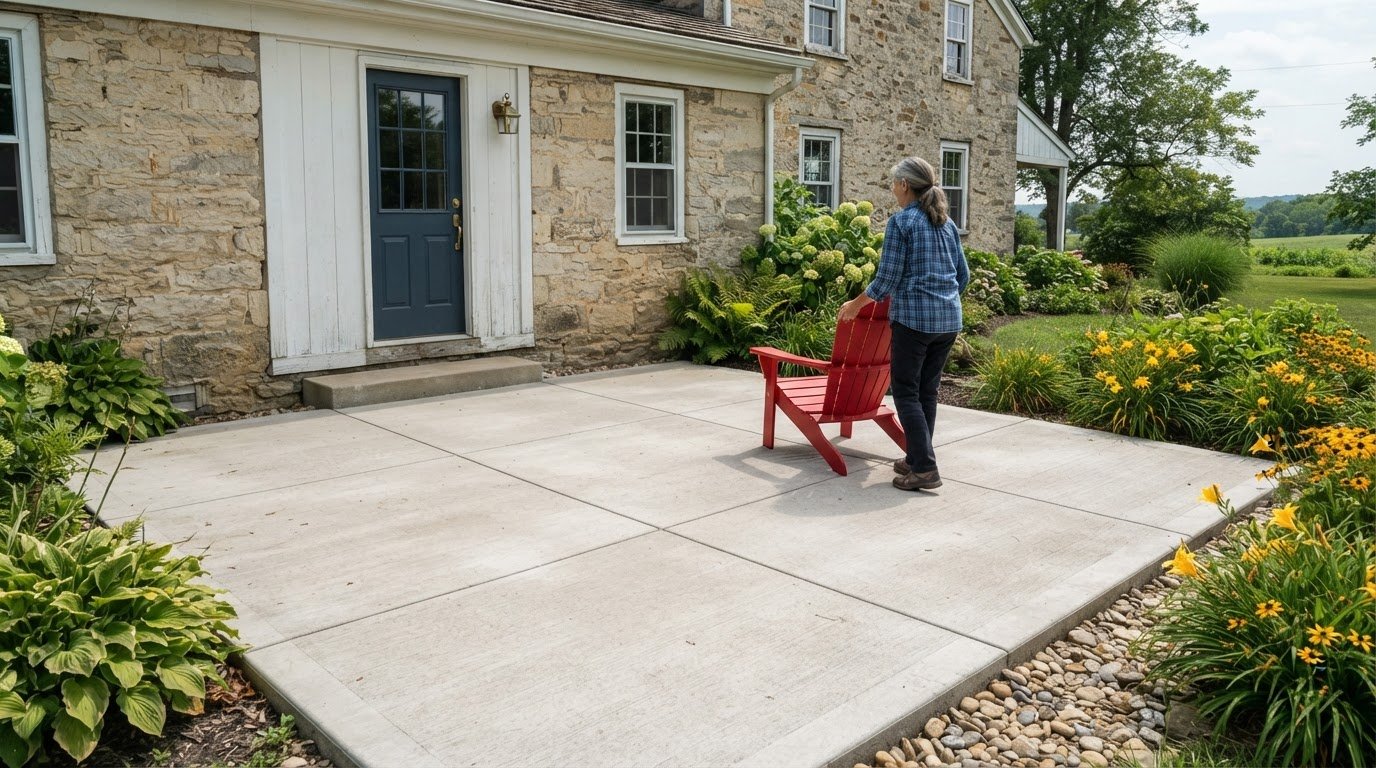
After removal, you may want to plan a custom patio where a tree once stood or resume lawn mowing and maintenance across the cleared area. Choose the next task based on how you intend to use the space. Connecting tree work with those goals keeps the project focused, from clearing the obstruction to planning what comes next.
If you’re ready to discuss tree work or related landscaping needs, contact Snappy Landscaping.
Plan what comes next for your property
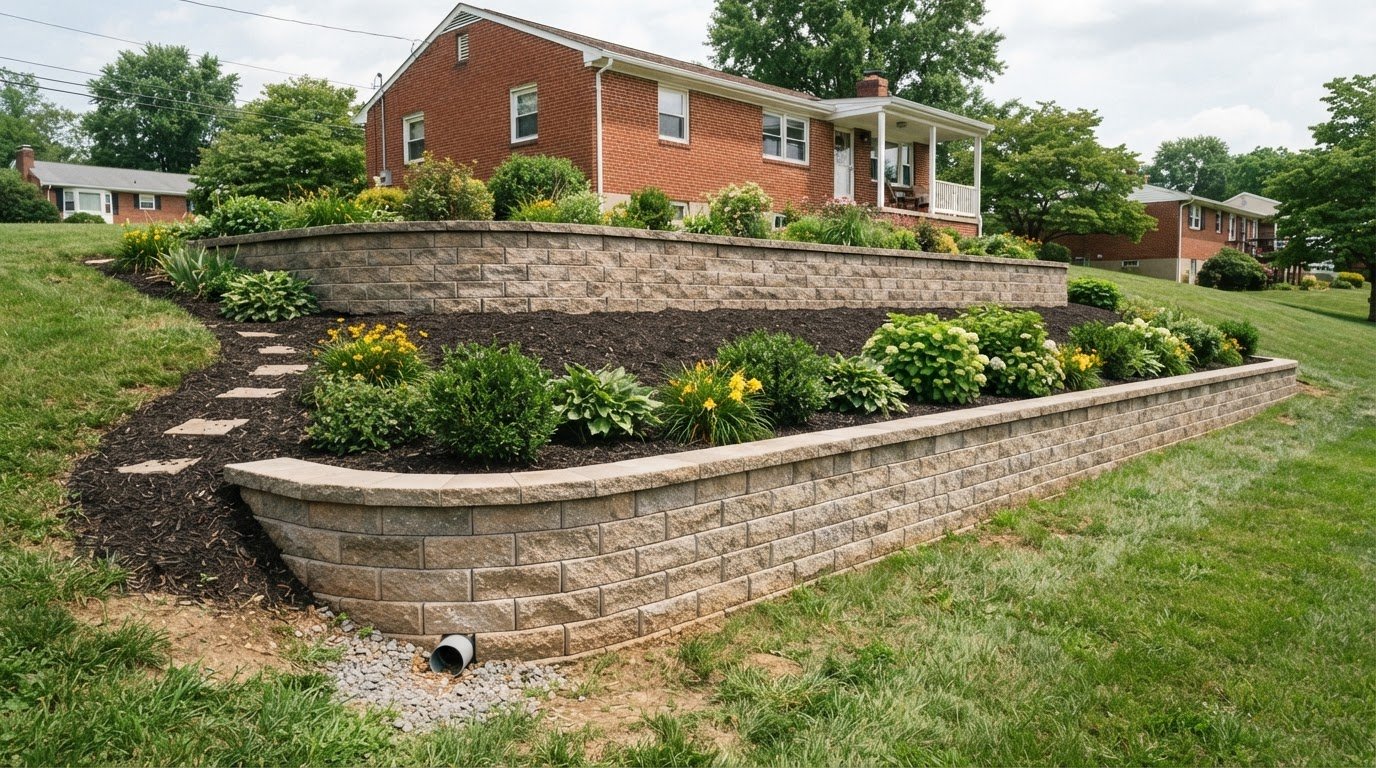
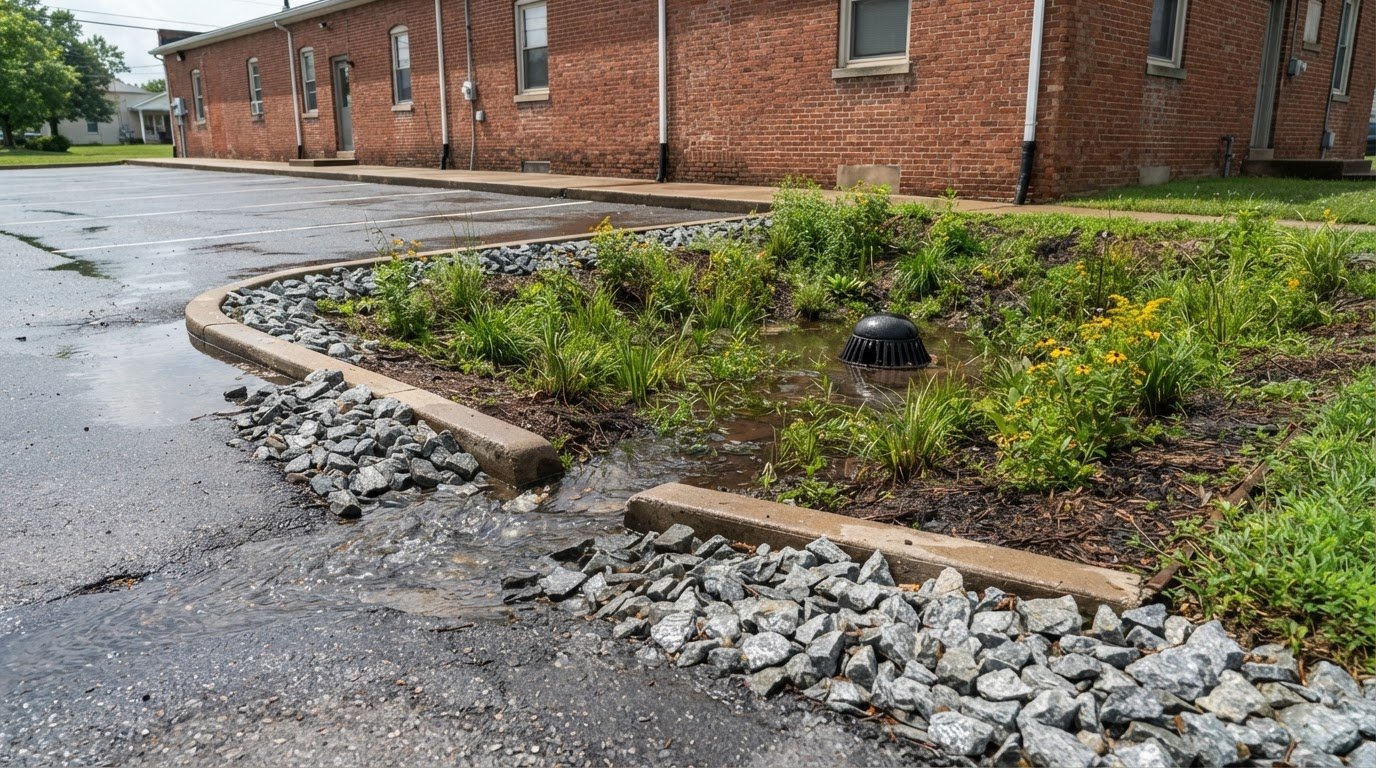
Once the tree work is complete, decide how you want the space to function. An open lawn, a new patio, and a reinforced slope each call for a different next step. Tree removal service in Lancaster, PA can be part of a broader property plan, not just a way to clear a tree. Consider drainage, access, and the surrounding landscape before starting another project.
Snappy Landscaping can connect tree work with practical improvements, including landscaping services and retaining wall construction. If the cleared area is ready for a new use, define that goal first. A clear plan helps align follow-up work with the property instead of treating each task in isolation.
Contact Snappy Landscaping to discuss your project and the next step for your property. With a focused plan, you can move from a tree concern toward a more usable outdoor space.
Frequently Asked Questions
What tree removal services are available in Lancaster, PA?
Tree services include tree trimming, tree removal, shrub removal, overgrowth clearing, and storm cleanup. The team is licensed and insured, and background-checked. Service areas: Lancaster, PA; Mountville, PA; Columbia, PA; Landisville, PA; Manheim, PA; Mount Joy, PA; Lititz, PA; Ephrata, PA; East Petersburg, PA; Millersrow, PA; Elizabethtown, PA; Leola, PA; New Holland, PA; Willow Street, PA; Strasburg, PA; Quarryville, PA; Denver, PA; Hempfield, PA; East Hempfield, PA; West Hempfield, PA.
How much does tree removal cost in Lancaster, PA?
Pricing varies based on property size, service frequency, and maintenance requirements, and Snappy Landscaping provides a free estimate for each property. For tree work, the tree’s size and condition, access, and requested tasks also shape the estimate. Removal alone differs from a request that includes stump grinding or debris cleanup. Compare written estimates using the same tasks and cleanup scope, not just the total.
How do tree removal costs vary by tree size, location, and condition?
A larger tree, restricted access, or visible damage can change the work plan and estimate. A tree in an open yard differs from one beside a house, fence, or narrow walkway. Condition matters too: a declining tree may call for a different assessment from a routine removal. Describe the tree’s location and the result you want so the estimate reflects the property and scope.
What is included in a tree removal estimate, such as stump grinding and debris cleanup?
An estimate should make clear which tasks it covers. Check whether tree removal, stump grinding, and debris cleanup are listed separately, since they describe different work. A quote for removing a trunk, for example, may not say how the stump or branches will be handled. Ask for a written scope that identifies included tasks and any separately requested work, so you understand the proposal before approving it.
What are the risks of removing a tree near a house, power lines, or property boundaries?
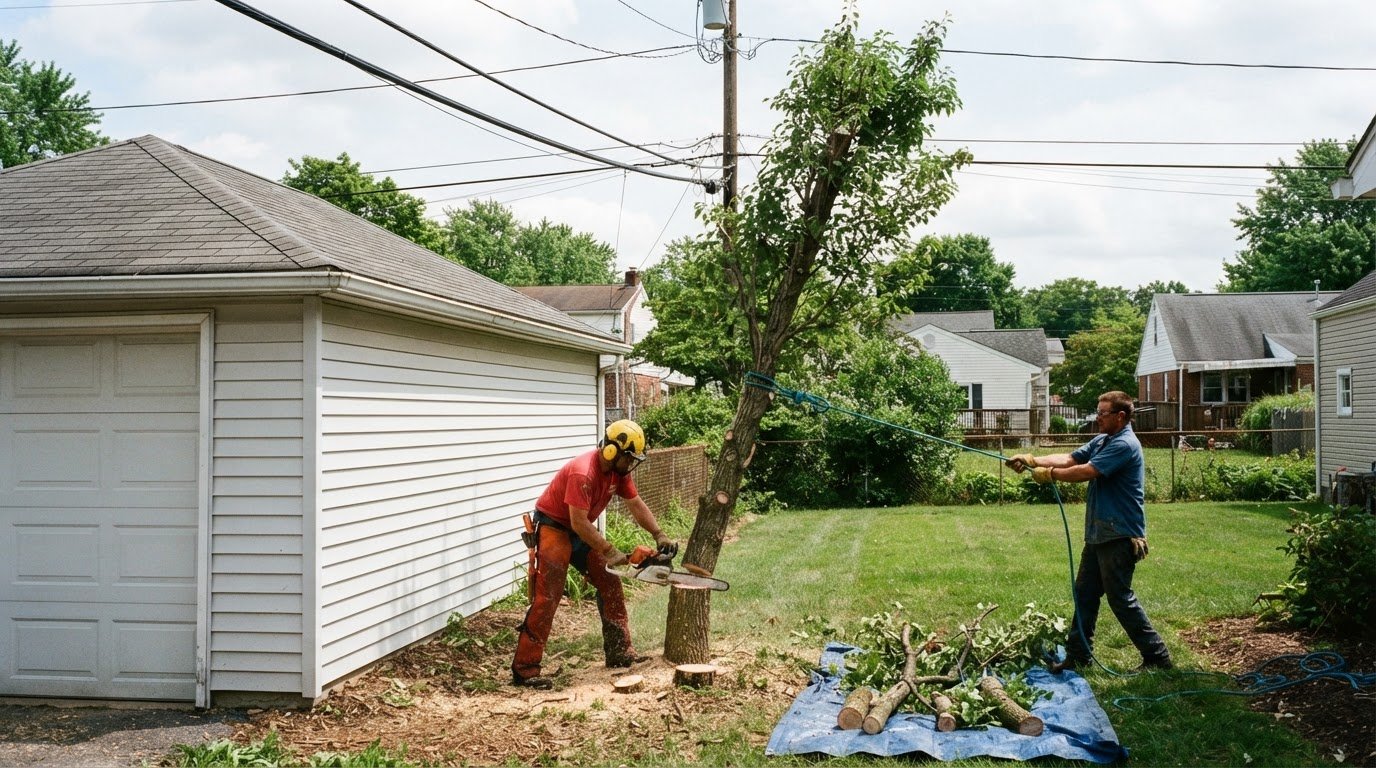
A tree close to a house, power lines, or a boundary leaves less room for falling limbs and equipment access. Don’t try to cut or climb the tree yourself. Keep people away from the work area, especially if branches are hanging or the trunk appears damaged. Point out nearby structures, lines, fences, and walkways during the assessment. These details help define a work plan that accounts for the surrounding property.