
A pool equipment concrete pad contractor in Lancaster, PA, determines cost based on the work the site and equipment setup require. Excavation, access, site preparation, pad dimensions, concrete construction, repairs, and finishing all affect the project scope. The price depends on the specific project and is provided after a quote request, with those factors shaping the estimate.
A properly prepared pad gives pool equipment a stable, organized place to sit. Uneven ground, drainage concerns, or a damaged existing pad can add preparation or repair work. This guide explains the practical factors that shape a concrete pad project, from site preparation and construction to finishing details. Knowing the equipment layout, preferred location, and site constraints also helps define the scope and plan the next step.
Concrete contractor service in Lancaster County
A pool equipment pad project starts with the site, equipment layout, and access route. In Lancaster County, those details shape preparation, construction, and finishing.
Permit and Code Considerations
A Lancaster County address alone does not determine which permit or code requirements apply to a pool equipment pad. Requirements depend on the municipality and project scope, including whether the work involves only a concrete base or also affects grading, drainage, electrical connections, or pool construction.
Before construction, define the pad location and any connected work. A standalone slab beside an existing pool raises different questions from a larger project that changes grading or involves other trades. This distinction keeps permit discussions focused on the actual work instead of assuming one countywide rule applies to every property.
Risks of an Undersized or Uneven Pad
An undersized pad may not provide enough stable surface for the equipment bases, connections, and planned arrangement. A sloped or uneven base can also make placement difficult and leave the setup unstable. Equipment placed close to a slab edge, for example, may have too little room for service access or future adjustments.
Site preparation matters as much as the finished concrete. If the ground beneath the pad shifts or water collects beside it, the surface can become unstable over time. A professional pool equipment concrete pad contractor Lancaster PA considers the equipment layout, available space, grade, and drainage when planning the pad’s dimensions and placement.
Lancaster County Local Service Coverage
This project focuses specifically on Lancaster County, including Lancaster, Columbia, and Mountville. County and municipal boundaries can affect how a site is reviewed, so identify the property’s municipality rather than relying on a broad regional label.
Site conditions vary across our local service area. A property with level ground and clear access needs different preparation from a yard with a narrow side passage, slope, or wet soil. Snappy Landscaping evaluates these local differences to ensure every installation meets site-specific demands.
How a Concrete Pad Project Is Scoped
Start by defining the intended equipment arrangement. The contractor considers the pad footprint, surface condition, access, and how water moves around the proposed location. These details help establish whether the work involves excavation, preparation of an existing area, or repair and finishing.
The concrete surface should suit both the equipment layout and the surrounding site. A stamped finish may be an option when appearance matters, but it cannot replace proper preparation or a suitable base. Decide on the layout and finish early so the work fits the property and the equipment it will support.
Excavation and site preparation
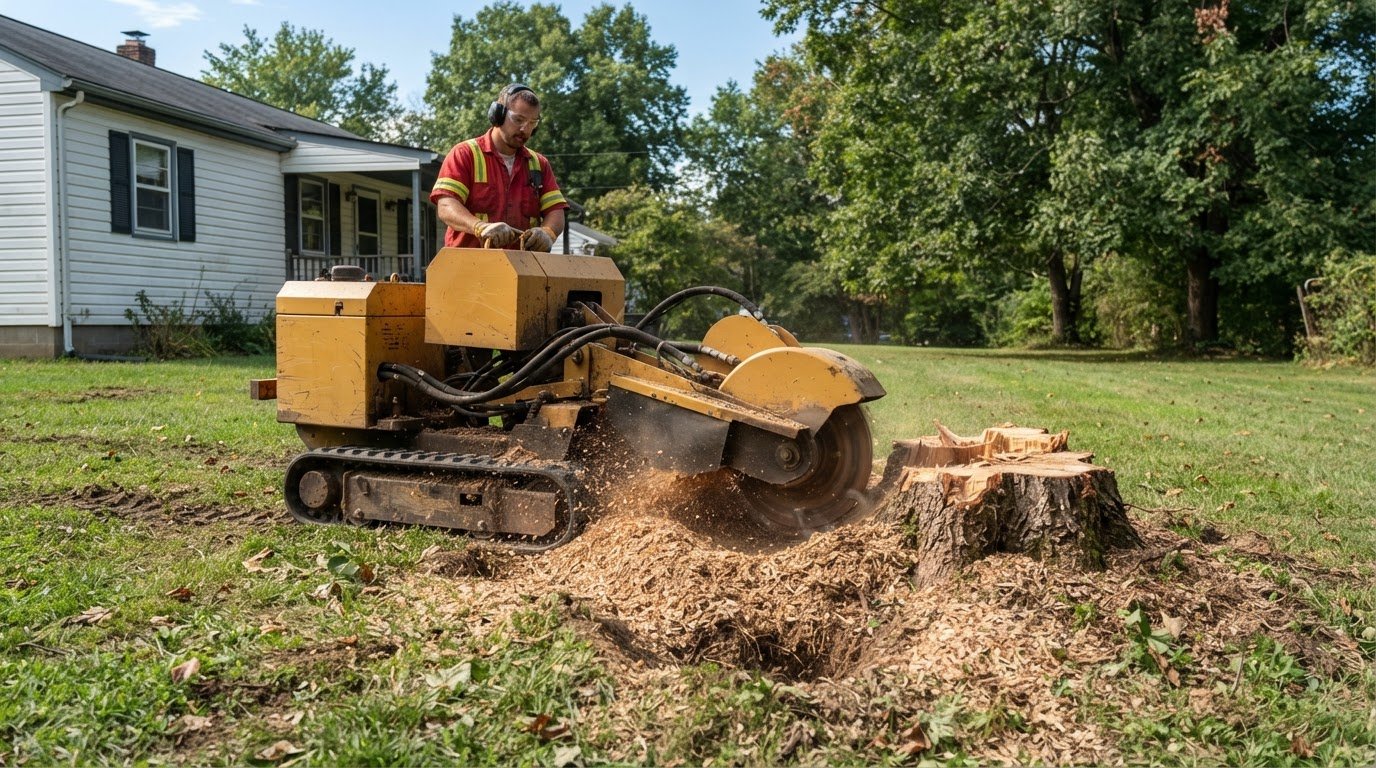
Excavation establishes the footprint and working level for a pool equipment pad. Before moving soil, the contractor assesses the proposed location, ground conditions, equipment arrangement, and site access.
Drainage, leveling, and clearance need to work together. The site is graded to manage runoff, the pad area is prepared for a stable surface, and the layout leaves room for equipment connections and service access. A low spot beside a pool deck, for example, calls for different drainage planning than a level area with open access.
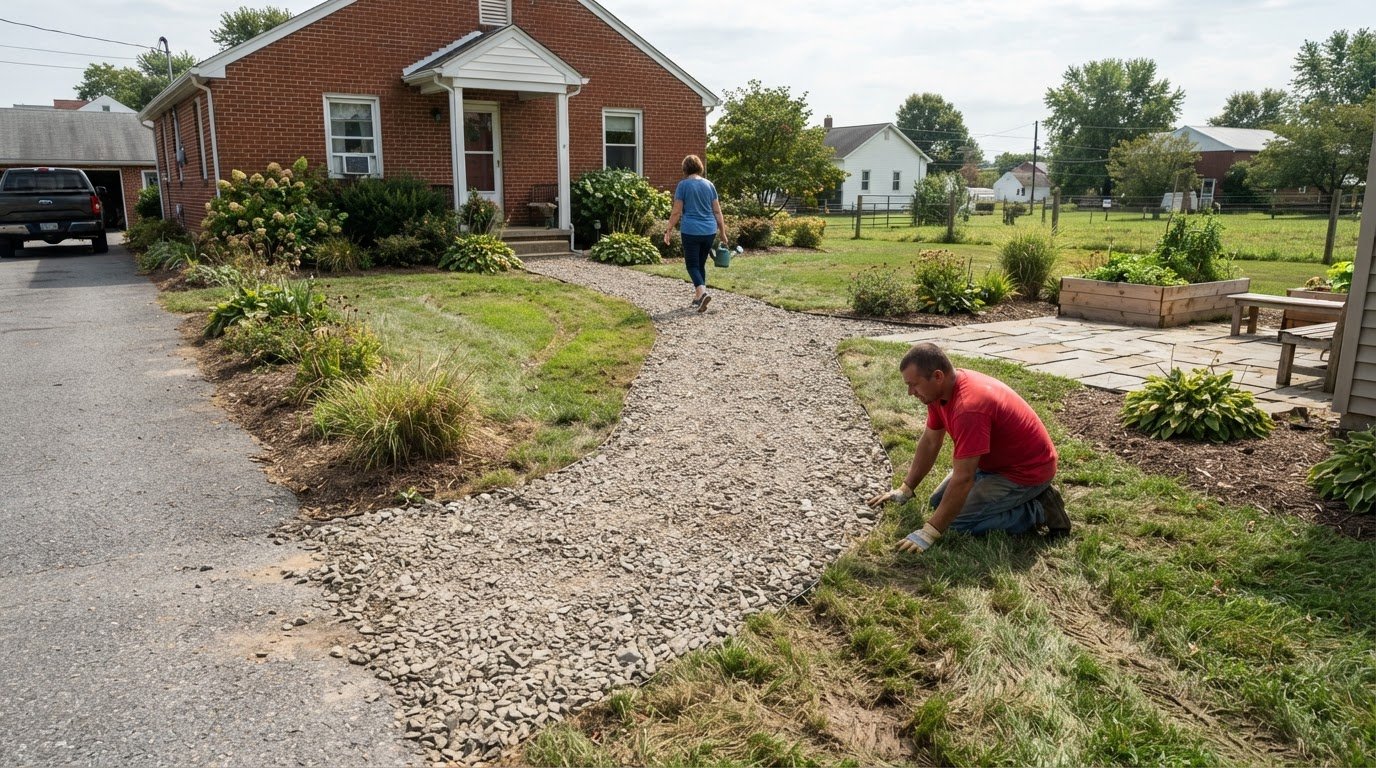
Site review begins with the route to the proposed pad. A narrow side yard, steps, gates, or existing landscaping can affect excavation and the handling of soil and materials. The contractor also considers nearby structures, the pool deck, and existing drainage paths. These conditions define the work area and help limit disruption to surrounding features.
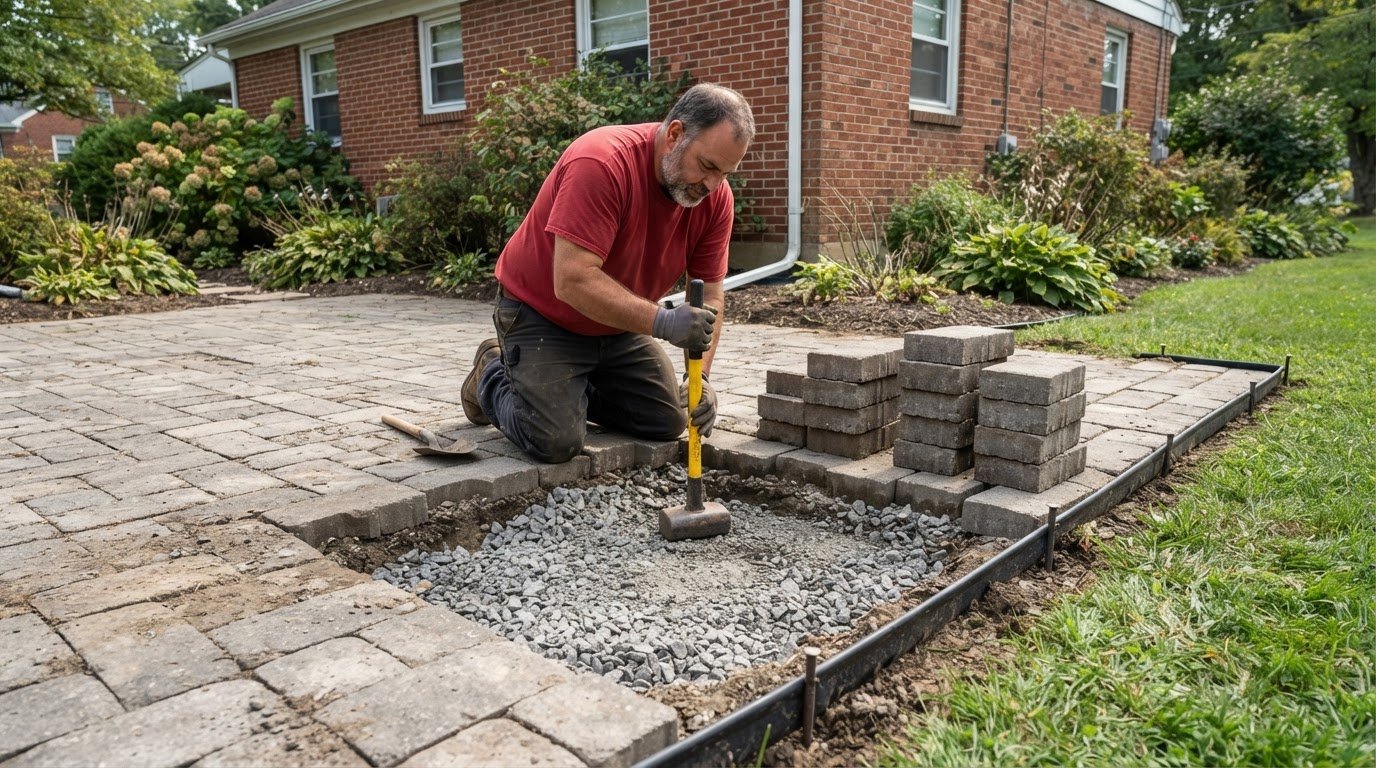
Next, the contractor marks the pad footprint and removes unsuitable surface material. Excavation depth and preparation depend on the planned construction and the ground conditions. Soft or disturbed soil may need more attention than firm ground. The goal is to prepare a base that supports the concrete work, rather than pour over loose or uneven material.
Leveling means preparing a consistent pad area, not flattening the entire yard. The surrounding grade still needs to carry water away from the equipment location. If runoff collects near a fence or pool deck, the layout should account for that flow instead of trapping water against the pad.
Plan clearance around the equipment’s actual footprint. Pumps, filters, and connecting lines need space, while nearby walls, planting beds, or walkways can limit access. The contractor positions the pad in relation to the equipment arrangement and site features, avoiding a tight layout that interferes with routine access or future adjustments.
- Access: A side gate or narrow passage can shape excavation and material handling.
- Ground: Loose fill or uneven soil affects how the pad area is prepared.
- Runoff: A low point near the pool deck can change grading and drainage decisions.
When grading and water movement need coordinated planning, discuss drainage and pad preparation as part of the project scope. Addressing these site conditions before concrete placement helps align the excavation with the equipment layout and surrounding yard.
Typical project cost
The cost of a pool equipment pad depends on the work required at the property. Pricing varies based on the property, service requirements, and project scope; Snappy Landscaping provides a free estimate. Pad dimensions, excavation, access, drainage, removal, concrete work, and finish all affect the scope. A compact pad on clear, firm ground involves different work from a larger installation that needs extensive preparation.
Begin with the planned pad footprint. It must fit the equipment arrangement, not just one pump or filter. Several components may require more concrete area and preparation than a single-unit setup. Equipment placement also determines how much clear space is needed around the pad edges, affecting material quantities and the work involved.
Ground conditions and access can change the preparation required. A level location with an open route allows a different workflow from a sloped yard with a narrow gate. Loose soil uncovered during excavation may call for additional base preparation, while a low spot that collects runoff may require drainage work. Each condition adds tasks that a straightforward surface installation may not need.
- New construction: Site excavation, base preparation, forming, concrete placement, and finishing.
- Replacement: Removal of an existing slab, followed by preparation and new construction.
- Repair: The damaged area and the condition of the surrounding concrete determine the repair scope.
- Access and drainage: Yard layout, soil conditions, and water movement affect preparation needs.
Finishing choices also affect project scope. A straightforward finish and decorative stamped concrete involve different work. The surrounding area matters, too: a pad beside an existing pool deck may need careful transitions to keep the work area orderly and usable. Consider these details alongside the concrete itself.
Compare estimates by checking whether they cover the same work. One may include removal and site preparation, while another covers concrete placement only. A repair estimate cannot be compared directly with full replacement if excavation, disposal, or finishing differs. Clear scope descriptions explain why project totals may not match.
Before requesting a free estimate, gather the equipment layout, preferred pad location, and details about visible damage or drainage. A photo showing access constraints, such as a narrow gate or steps, can help describe site conditions. This information helps establish whether the work involves new construction, repair, or replacement, and what preparation the project requires.
Concrete construction and repair
A pool equipment pad needs a stable surface suited to the equipment layout. Pumps, filters, and heaters each need a planned position, with enough concrete area for their bases and connections. Dimensions and construction details depend on the specific equipment and site conditions, not on a single standard size.
For new construction, the contractor forms the planned footprint, places the concrete, and finishes the surface for its intended use. The layout should allow for equipment placement and access around the units. A filter positioned close to the edge, for example, may leave too little room for connections or maintenance. Confirming the equipment plan before placement helps avoid that mismatch.
Concrete work needs to suit the prepared ground beneath it. If the base is inconsistent or water gathers around the pad, the finished slab will not resolve the underlying site problem. Planning therefore treats ground preparation, drainage, slab placement, and transitions to nearby surfaces as connected parts of the project.
Repair begins by identifying the problem. Cracks, chipped edges, settlement, and an uneven surface can require different approaches. A damaged corner is not the same as a slab that has shifted beneath several pieces of equipment. The contractor assesses the damaged area and surrounding concrete to determine whether a localized repair is suitable or replacement makes more sense.
Replacement involves more than covering the old surface. The existing slab may need to be removed, and the area beneath it prepared for new concrete. If the equipment arrangement has changed, the new layout can also provide for the updated footprint and access needs, rather than repeating the old pad’s limitations.
In Lancaster County, a full concrete pool installation takes about 8 weeks. That estimate refers to installing a concrete swimming pool, not building or repairing a pool equipment pad. A pad project has a separate scope, shaped by excavation, access, concrete work, and any needed repairs.
- New pad: The planned footprint, equipment arrangement, and prepared base guide construction.
- Repair: The location and extent of cracks, settlement, or edge damage shape the repair.
- Replacement: Removal, underlying site condition, and any layout changes affect the work.
To define the scope, the contractor considers equipment positions, visible slab damage, and surrounding grade together. This connects the concrete work to the actual pool setup instead of treating the pad as an isolated surface.
Concrete forming, pouring, and finishing
Pad dimensions and thickness should suit the equipment layout and prepared site. There is no standard size for every pool pump, filter, and heater; the footprint depends on equipment bases, connections, and access space.
Before pouring, the contractor sets forms to define the pad’s shape and edges. The form layout turns the equipment plan into a clear concrete footprint. Equipment arranged in a row, for example, may need a different shape from units placed around connecting lines. Accurate placement helps align the finished pad with the surrounding grade and intended layout.
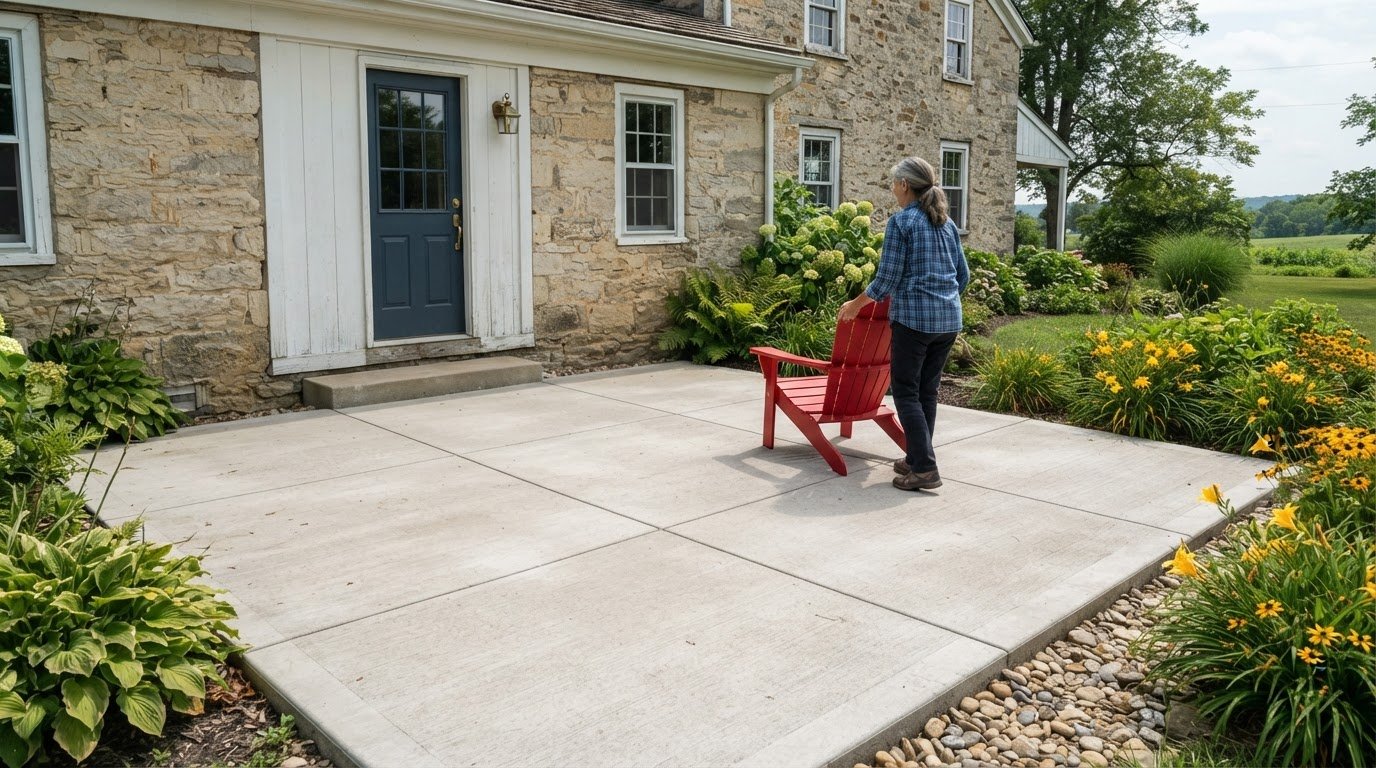
Concrete is a practical material for a permanent outdoor equipment base. The finish should suit the site and equipment, supporting stable placement and working well around the pool area. Decorative stamped concrete adds visual texture, while a simpler finish keeps the focus on function. The finish should not interfere with equipment placement or create awkward transitions beside a walkway or pool deck.
During placement, the crew fills the formed area and works the surface to the selected finish. Clean, consistent edges help the pad meet nearby ground or paving neatly. The surface should also work with the surrounding grade so runoff does not collect against the slab. Choose a finish with appearance, equipment positioning, and water flow in mind.
After pouring, concrete needs time to cure before equipment is placed on it. Coordinate this stage with pool equipment installation to avoid loading or disturbing the new surface too soon. Curing time depends on the concrete and site conditions, so follow the project’s specific requirements rather than assuming one schedule fits every job.
- Forming: Establishes the footprint, edge lines, and relationship to nearby surfaces.
- Pouring: Fills the prepared form to create the continuous concrete base.
- Finishing: Shapes the surface and edges for the selected appearance and site layout.
- Curing: Allows the concrete to gain strength before equipment placement.
For an existing pad, the contractor considers whether damage affects the surface, edges, or underlying support. A chipped corner may need a different repair from a slab that has shifted or no longer fits the equipment arrangement. Repair work should address the specific defect and leave the equipment area usable.
Share the equipment layout and preferred finish to discuss your pool pad project. Those details help define the form, concrete work, and finishing approach for the property.
There is no standard pad dimension or thickness for every project. Both should suit the equipment layout and prepared site, including equipment bases, connections, and access space.
Concrete Authority estimates that most fiberglass pool installations in Lancaster County, Pennsylvania, take around 4 weeks from start to finish, depending on design complexity and weather. That overall project estimate can help homeowners coordinate pad preparation with equipment installation, but it should not be treated as a curing timetable. The concrete must still meet the project’s specific requirements before equipment is set in place, with the sequence adjusted for site conditions.
Snappy Landscaping: Concrete Pads & Walkways
Snappy Landscaping installs concrete pads for pool equipment areas that need a stable, clearly defined surface. Turn to the team when planning a new pad, replacing a damaged one, or coordinating concrete work with surrounding landscaping. The scope can account for the intended equipment layout and how the pad fits the property.
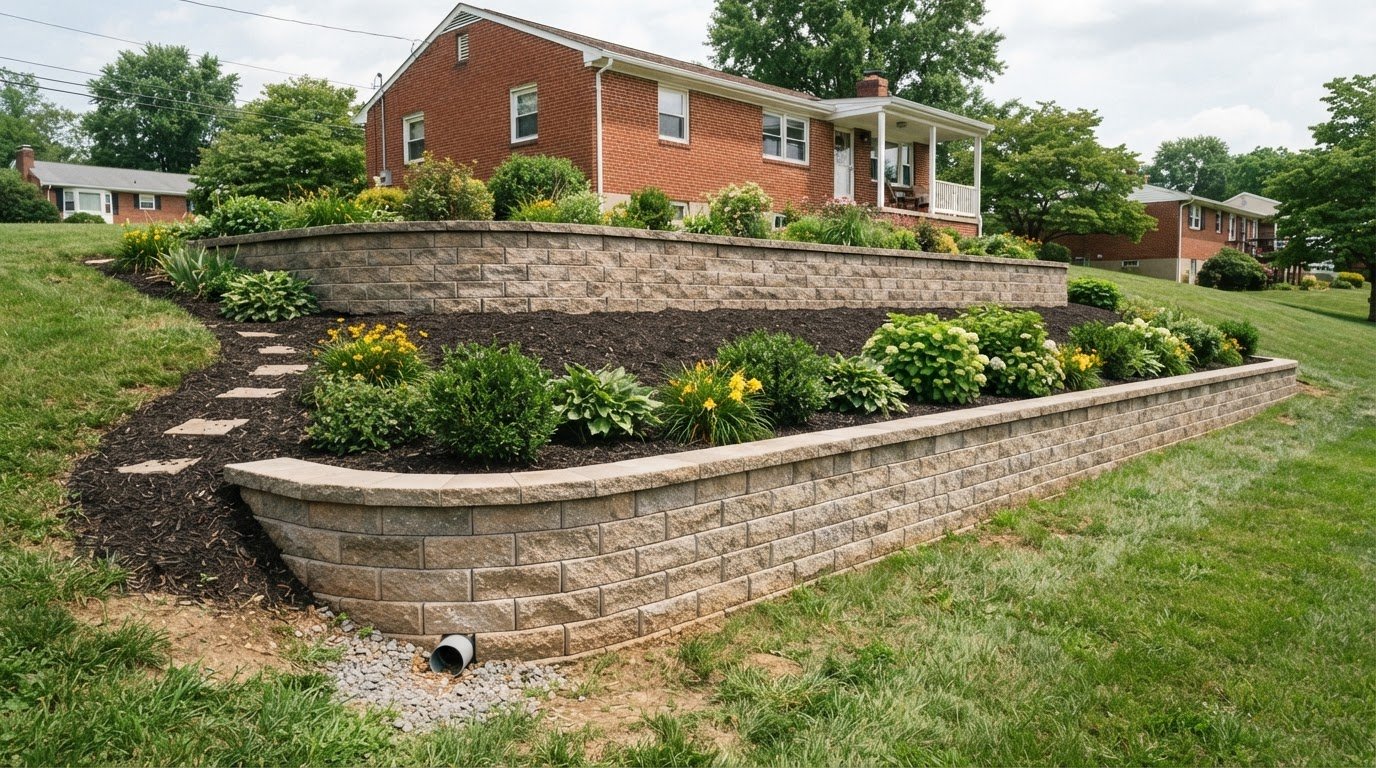
Share the proposed location, equipment arrangement, and any concerns about drainage or existing concrete when requesting an estimate. These details help shape the work plan and show how the pad connects with nearby features such as a patio or retaining wall. Snappy Landscaping also installs custom patios and builds retaining walls as part of broader outdoor projects.
Ready to discuss your pool equipment pad? Contact Snappy Landscaping.
Plan the Pool Area Around the Equipment
A pool equipment pad is one part of a usable, well-organized outdoor space. Consider how the equipment area will connect with the rest of your property as you plan improvements. For a pool equipment concrete pad contractor in Lancaster, PA, share the equipment layout and how you want the surrounding area to function. That context helps shape a project scope suited to the property.
Snappy Landscaping also provides related outdoor work, including lawn mowing and maintenance, custom patio installation, and retaining wall construction. If these improvements are part of your plans, include them in the conversation alongside the concrete pad. Coordinating the scope can help align separate projects with how you use the yard.
Take the next step by discussing your pool equipment pad and outdoor project needs with Contact Snappy Landscaping today. A clear starting point can help move your plans forward.
Frequently Asked Questions
What steps do contractors follow to prepare and pour a pool equipment concrete pad?
Contractors define the scope by reviewing the equipment arrangement, pad location, and site conditions. They then prepare the work area, form the footprint, place and finish the concrete, and coordinate equipment placement after curing. For an existing slab, the scope also accounts for repair or replacement. Sharing equipment details early helps align the layout with the construction sequence.
Typical dimensions and thickness for a pool equipment concrete pad
Pad dimensions depend on the equipment layout, bases, connections, and site conditions. There is no standard size for every project.