
Tree removal isn’t always the safest or most practical answer. For professional tree cutting in Mountville, PA, trimming can address overhanging or encroaching branches, while removal may be appropriate when a tree is dead or too damaged to keep safely. A tree within 10 to 20 feet of a home may warrant attention, particularly if it’s unhealthy or encroaching.
It’s reasonable to want a clear recommendation before tree work begins, especially when branches are close to your roof, driveway, or other parts of your property. The right approach depends on the tree’s condition, location, and whether targeted trimming can address the concern.
Learn how to weigh trimming against removal, recognize when a tree needs professional attention, and assess local service reviews. You’ll also find practical ways to protect your property and understand what to look for in a tree service recommendation.
Need a pro for your tree service project in Mountville, PA?
Start by identifying the tree’s condition, location, and the work you need. In Mountville and Lancaster County, these details help distinguish routine tree care from a removal project.
Tree Trimming and Removal Options
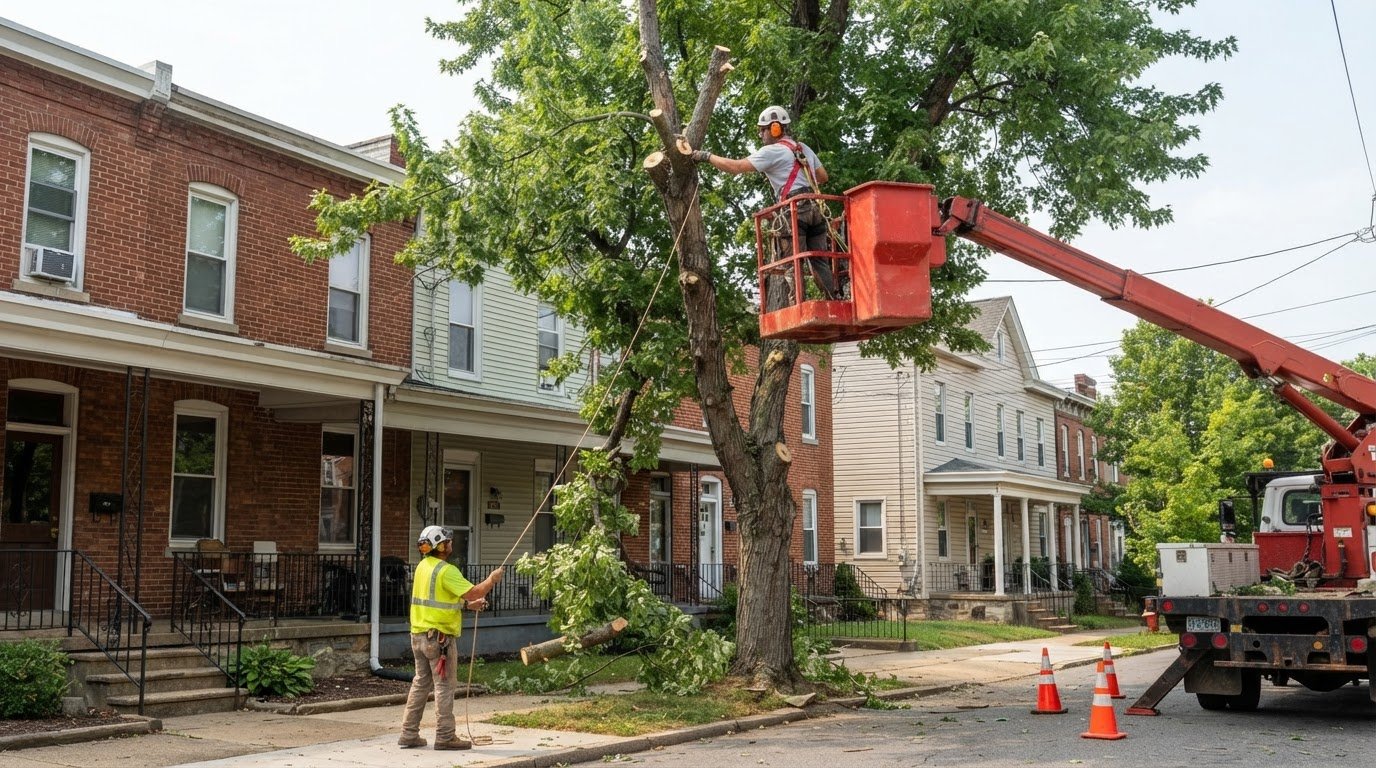
Trimming addresses specific branches, such as limbs extending over a roof or blocking a driveway. Removal takes down a tree when keeping it in place is no longer suitable. For professional tree cutting in Mountville, PA, describe the concern clearly: a dead tree, damaged limbs, or branches growing toward a structure each need a different assessment.
Look at the whole tree, not just the branch that caught your attention. Note visible damage, the tree’s position, and nearby structures or access routes. Snappy Landscaping can use these details to assess whether targeted trimming or full removal fits the work. The scope should make clear whether the job involves branch work or taking down the entire tree.
Estimates and Permit Considerations
Most private residential tree removals in Lancaster County do not require a permit, while trees in public rights-of-way or designated street trees typically do. In Mountville, a tree beside a public street may be treated differently from one wholly within a residential yard. Local rules may also protect certain trees, including protected species or trees with historical value.
An estimate should identify the proposed work, such as trimming selected limbs or removing the tree, and account for site access. Free estimates and emergency scheduling are separate service terms, not permit rules. Review the written scope before work starts so the described job matches the tree and location.
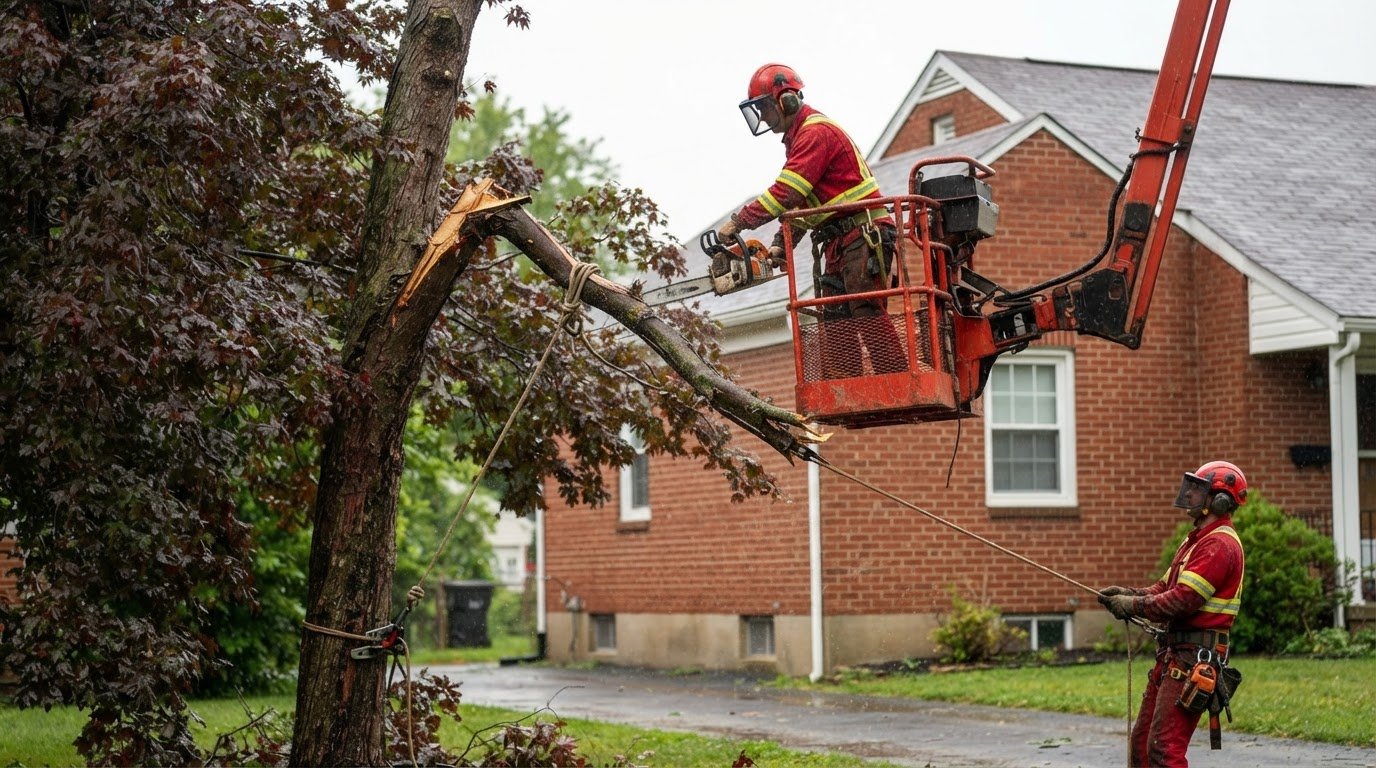
Storm damage calls for careful assessment. A split trunk, hanging limb, or tree leaning toward a building gives the service team concrete details to consider. Describe the damage, the tree’s location, and whether it affects a driveway or other access. Don’t treat a split or severely damaged tree as routine trimming.
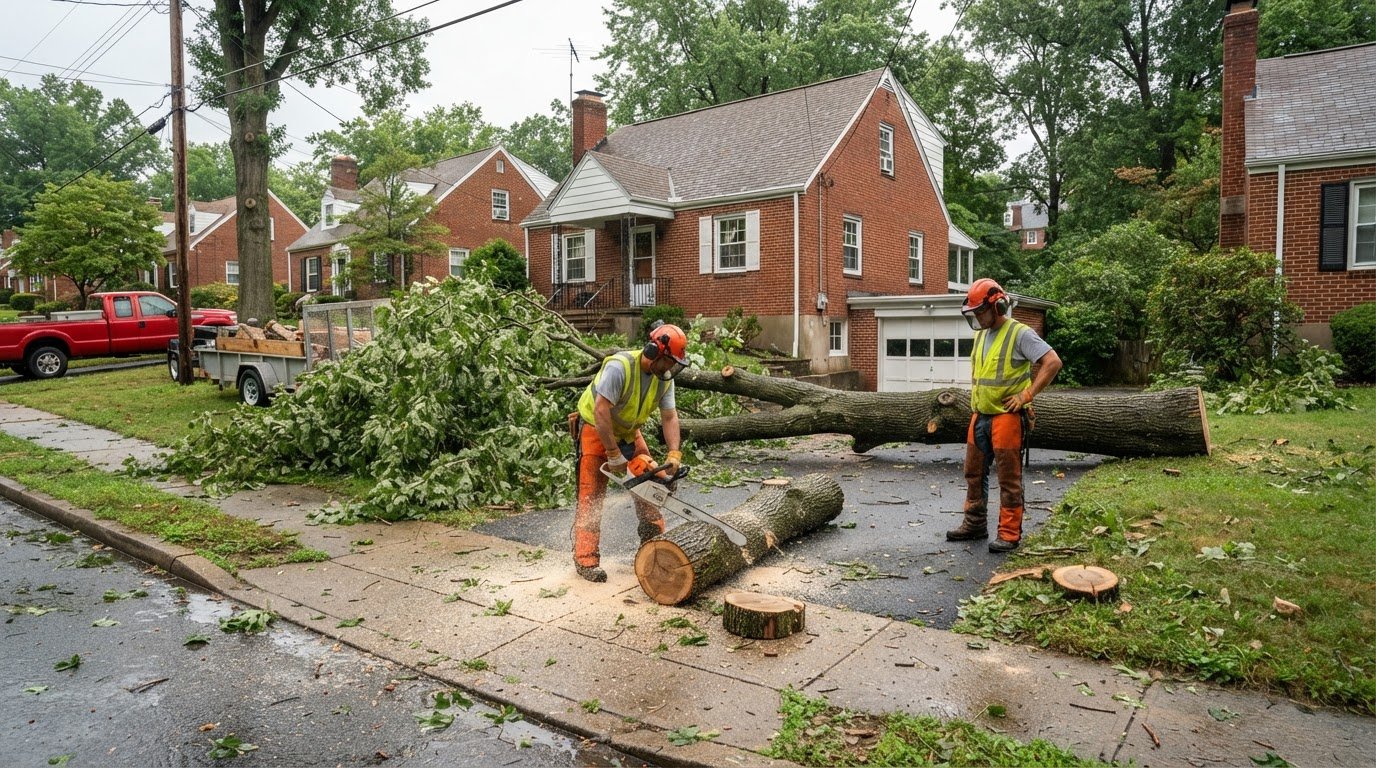
Emergency tree service and storm cleanup can involve time-sensitive hazards, but availability and response arrangements vary by provider. A general tree service may handle planned trimming and removal without offering round-the-clock emergency response. Keep the request specific: explain what happened, where the tree sits, and what part of the property is affected. Avoid assuming that “tree service” automatically includes urgent, after-hours work.
Mountville sits in Lancaster County, so county-wide service descriptions can help orient local property owners. Coverage beyond Lancaster County depends on each provider’s actual service area; a broad regional label alone doesn’t establish that a crew serves your address. Tree care may include pruning, removal, or storm cleanup, but those tasks are not interchangeable. Identify the exact service needed before comparing the scope of local providers.
Clear communication and an agreed scope make a tree project easier to manage. When requesting an estimate, provide the Mountville address, describe the tree and concern, and note nearby structures or access limits. These details help define whether the work involves trimming, removal, or storm debris, rather than confusing a planned project with an emergency call.
Choosing between tree trimming and removal
Choose trimming when specific branches need attention and the tree can remain. Consider removal when the tree is dead or diseased beyond repair.
Trimming for Canopy Health
A canopy assessment considers how branches are distributed and where damage appears. A broken limb in an otherwise sound canopy, for example, may call for focused trimming rather than removal. Selective cuts can address particular branches while preserving more of an established tree. The aim is to identify the work needed, not remove more growth than the problem requires.
Pruning and Trimming Services
Tree trimming and pruning both involve removing selected branches, but the requested result should guide the scope. A homeowner might need a limb cleared from a roofline, while another may want damaged growth removed from the canopy. Describe the specific concern and location. A clear scope helps ensure the job done matches the work completed, rather than an undefined request to cut back the tree.
Use the tree’s condition as the main decision point. A dead tree should be removed because it could fall, cause injury or damage, and attract insects such as carpenter ants. A tree diseased beyond repair also calls for removal. If its condition is uncertain, an assessment can help determine whether it can be saved. Visible decline alone doesn’t establish that removal is the only option.
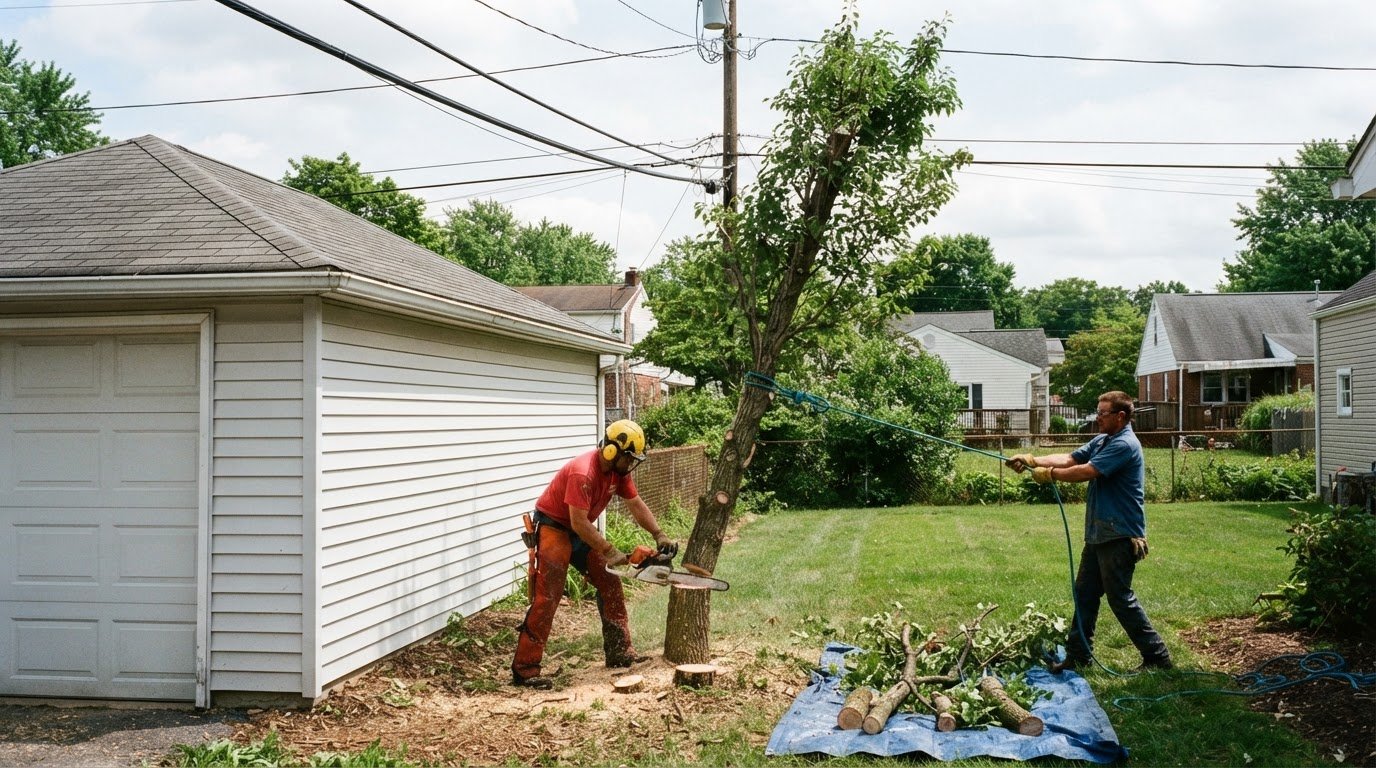
Tree removal near a house isn’t always necessary. For a larger established tree, strategic trimming may be a suitable alternative when targeted cuts address the concern. Look at which branches are close to the structure and whether the rest of the tree appears sound. If the problem is limited to specific limbs, discuss trimming before treating full removal as the default.
Avoid unsafe trimming methods. Flush cuts can weaken a tree, reduce its natural defenses, and cause decay. Tree topping removes the leader and upper main branches, changing the tree’s structure instead of addressing a specific limb. Before work begins, establish which branches need attention and what the cuts should achieve. A defined plan keeps trimming focused and helps prevent unnecessary cutting.
Keep the distinction practical: trimming removes selected branches; removal takes down the entire tree. A broken branch with a sound canopy calls for a different scope than a dead tree. For a diseased tree, the key question is whether it can be saved. Matching the work to the tree’s condition can preserve useful canopy and avoid removal when targeted trimming will address the problem.
Discuss the tree’s condition and the work it needs before deciding between trimming and removal.
Property protection and cleanup
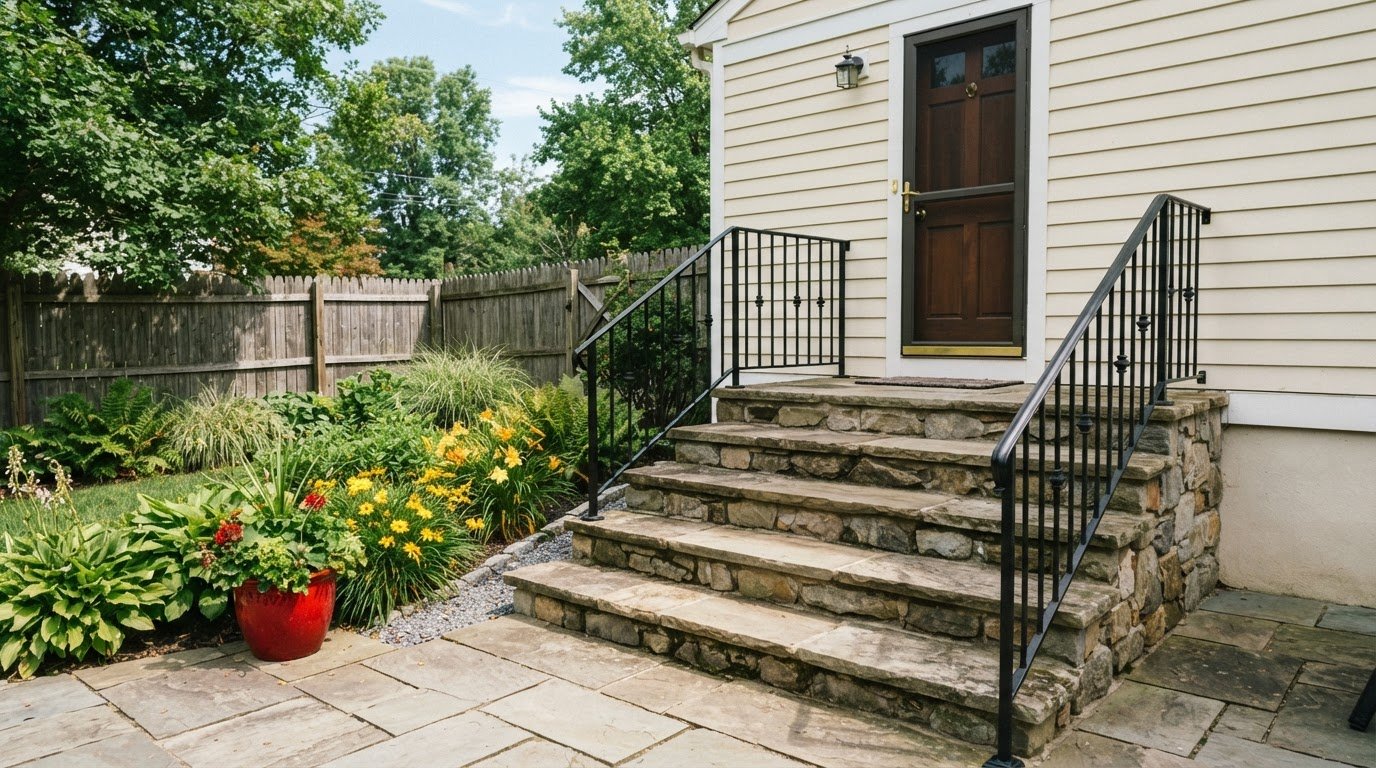
Before tree work begins, identify the property features around the work area. Point out pavers, walkways, fences, garden beds, shrubs, and lawn edges. A narrow path between a patio and flower bed, for example, creates different access limits from an open lawn. Agree where the crew can move and which areas branches or equipment should avoid.
Protect the surrounding landscape by defining the work area clearly. Mark shrubs or planting beds you want preserved, and identify fragile items near the tree. A birdbath beside a landing area or pots along a walkway can be easy to overlook. A clear plan helps the crew account for these details before cutting starts.
Set the cleanup scope before the job is finished. Confirm how the work area should look afterward, including these practical details:
- Whether cut branches and small twigs will be gathered from the lawn.
- Whether leaves, sawdust, or wood chips should be cleared from paths.
- Whether the driveway and walkway should remain usable after work.
- Where any retained wood or larger pieces should be left.
After trimming or removal, inspect the whole work zone, not just the tree. Check the lawn beneath the canopy, nearby shrubs, and the route from the work area to the driveway. A clear path, for example, can still have scattered twigs beside a garden bed. Clear expectations make cleanup easier to assess and help you confirm the finished work meets the agreed scope.
Spring and fall cleanups address different tasks around a property. In spring, a walk-through can reveal branches and winter debris across the lawn or beside walkways. In fall, leaves can collect beneath trees and around shrubs, while fallen branches may remain near fences. Work through each area in sections: patio edge, lawn, planting beds, then access paths.
Keep disease concerns separate from ordinary yard debris. If a tree has branches showing signs of disease, identify them when discussing the work. Don’t assume every cut branch should be handled like leaves or routine trimmings. Distinguishing the material helps prevent affected branches from being casually mixed into the rest of the cleanup pile.
A good finish means more than an attractive view from the street. Check that the walkway is clear, the work area is orderly, and surrounding shrubs remain intact. If a cleanup detail is missed, describe the exact location, such as twigs beside the patio or debris along the fence. Specific examples help identify what remains and confirm the job is completed as intended.
Local arborist ratings and verified reviews
Mountville tree trimming services have a 4.5 rating based on 256 reviews. Tree and shrub treatment, protection, and maintenance services have a 4.4 rating based on 201 reviews. These figures describe different service categories, so compare each rating with the work you need rather than treating them as interchangeable.
Mountville arboricultural service reviews were last updated on May 27, 2026. That date gives the ratings a time reference, but a score alone won’t show how a provider handled a particular job. Read individual comments for specific details, such as whether the review describes trimming, removal, or tree care during a particular season.
Use a practical review-reading process:
- Match the reviewer’s project to yours, such as canopy trimming or removal.
- Look for clear descriptions of the work completed and the property conditions.
- Notice whether comments explain communication, cleanup, and the final result.
- Compare several relevant reviews instead of relying on one outstanding rating.
A review saying “highly recommend” expresses a customer’s opinion. It’s more useful when it explains why, such as describing a clear explanation of the proposed cuts or the cleanup. Specific examples help you judge whether the experience relates to your project. A brief compliment may sound positive but offers less detail about the service.
Separate reviews for trimming and tree or shrub maintenance can help focus your search. If your concern is pruning, prioritize comments about branch selection, canopy condition, and the work area afterward. If your project involves removal, look for comments about that scope. Don’t assume a review of routine maintenance reflects a removal project.
Reviews can also help you frame useful questions about the work. If comments mention seasonal scheduling, note the season and type of tree work described. If a reviewer praises a “fantastic” result, look for the specific outcome behind that reaction. Comments about access, nearby landscaping, or cleanup may be more relevant than general praise.
Read ratings as one input, not the complete decision. A 4.5 score and a 4.4 score each summarize customer feedback within separate service categories; neither guarantees the result of an individual project. Focus on comments that match your tree, property layout, and requested scope. That lets you assess whether the described experience speaks to your needs, rather than judging a provider by a score alone.
Keep your project description specific when discussing it with Snappy Landscaping. Name the concern, identify the work requested, and mention access or nearby features. This gives you a consistent basis for comparing the proposed scope with review details. Use reviews to understand reported experiences, not to assume every customer’s outcome will be the same.
Risks of trees growing close to a house
A tree within 10 to 20 feet of a Mountville home may warrant action, particularly if it’s unhealthy or encroaching. Distance alone doesn’t determine the work. Look at the tree’s condition, the direction of its branches, and what sits beneath them. A healthy tree with clear space presents a different concern from an unhealthy tree overhanging a roof.
Walk the property and note where branches reach near the house, garage, driveway, or walkway. Include nearby landscaping, such as shrubs, garden beds, and patio edges. These details help describe the concern accurately. A branch extending over a walkway, for example, raises different access considerations from one reaching toward an open lawn.
Use a simple assessment before requesting an estimate:
- Record whether the tree appears unhealthy or is encroaching on the house.
- Identify branches over roofs, paths, driveways, or frequently used outdoor areas.
- Note nearby structures, shrubs, and access limits around the tree.
- Describe the specific result you want, such as clearing a path or addressing a tree near the home.
Those observations help make the estimate specific to your property. The work depends on the tree’s condition, the branches involved, and access around the site. A tightly planted area with shrubs and a walkway needs a different plan from an open yard. Share the location and concern clearly instead of asking only for general tree cutting.
Pay attention to changes in the tree’s condition. A dead tree can fall and cause injury or property damage, so it deserves prompt attention. A tree that appears diseased may need assessment to determine whether it can be saved. Describe visible changes, such as wilting, leaf loss, or discolored foliage, rather than deciding on removal based on appearance alone.
Protecting the house also means describing how the work area connects to the rest of the property. Point out narrow gates, steps, paved surfaces, and planting beds near the tree. If branches extend over a fence or neighboring space, include that detail in the project description. Clear site information helps shape a work plan that accounts for the house and surrounding landscaping.
Don’t treat every close tree as an automatic reason for removal. The 10 to 20 feet range signals when attention may be warranted, especially alongside poor health or encroachment. It doesn’t replace a look at the whole tree and property. A careful assessment can distinguish a specific branch concern from a broader condition that affects the tree.
For a practical next step, request an estimate for the tree and nearby property. Include the tree’s distance from the house, the branches causing concern, and visible landscaping or access limits. An awesome view isn’t the only measure of success; the plan should address the actual concern and the property around it.
Snappy Landscaping: Tree Trimming & Removal
Snappy Landscaping provides tree trimming and removal for property owners addressing overgrown branches or a tree that may need to come down. The right scope depends on the tree’s condition, position, and the concern on your property. Trimming addresses selected branches; removal takes down the tree.
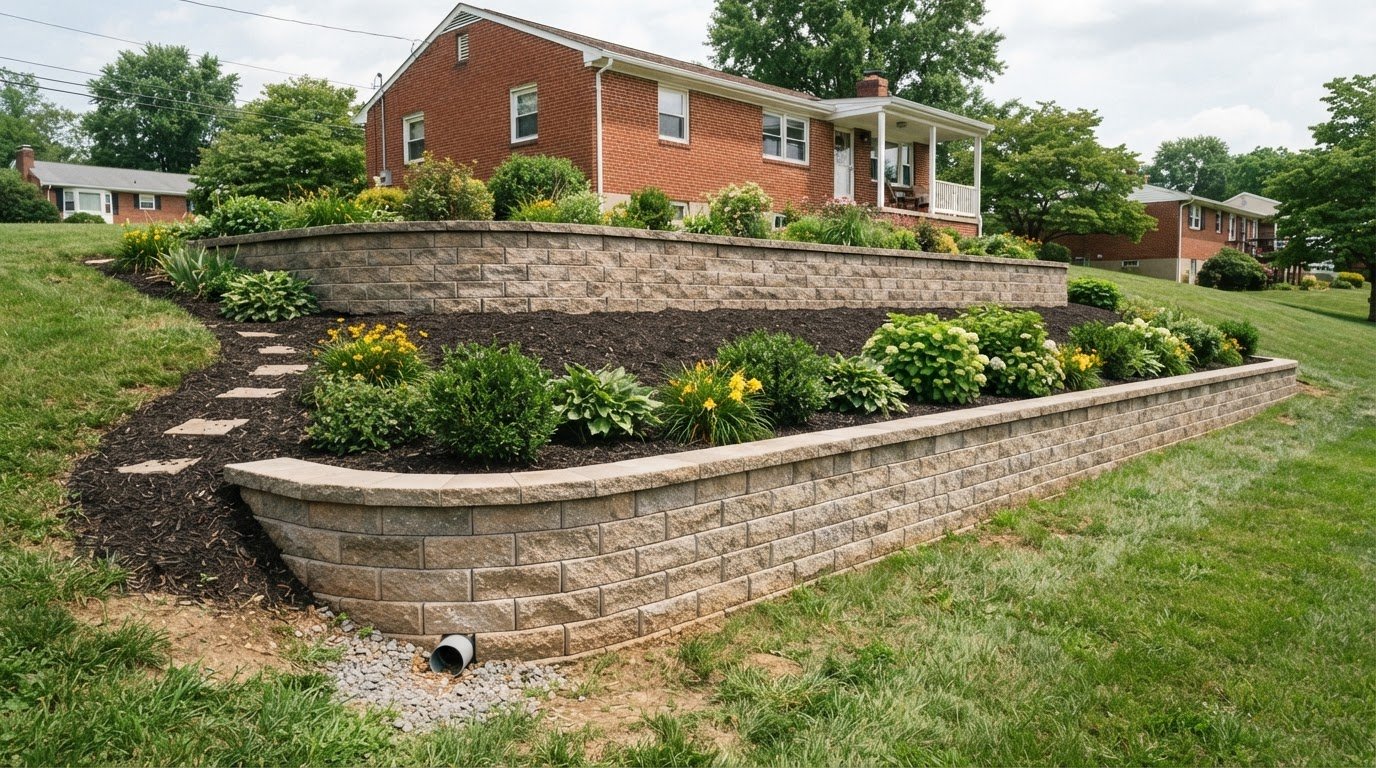
Describe what you’ve noticed, such as branches near the house, visible damage, or a tree affecting access. Include nearby features like a walkway, patio, or retaining wall so the work can be considered in context. Snappy Landscaping also provides lawn mowing and maintenance, custom patio installation, and retaining wall construction for other property needs.
Contact Snappy Landscaping to discuss your tree trimming or removal project.
Make your next property decision with confidence
Choose the next step based on what your property needs now, not a one-size-fits-all plan. If professional tree cutting in Mountville, PA is your priority, share the tree’s condition and details about the work area so the project can be discussed with a clear scope.
Snappy Landscaping also provides Lawn Mowing & Maintenance, Custom Patio Installation, and Retaining Wall Construction. These services can support other outdoor projects as you plan improvements around your property.
Start with the issue you want addressed and the outcome you have in mind. A focused conversation can help move your tree project from uncertainty toward a practical plan. Contact Snappy Landscaping to discuss your project, and take the next step toward a more manageable property.
Frequently Asked Questions
When should a tree be cut down?
Consider removal when damage, decline, safety concerns, or effects on the property make keeping the tree unsuitable. A split trunk after a storm, for example, needs attention beyond routine branch trimming. The decision should account for the tree’s overall condition and its impact on the property. If you’re unsure whether the tree can remain, describe the visible damage and location when discussing the project.
Should I remove a tree that’s close to my house?
Not automatically. A nearby tree may need attention, but proximity alone doesn’t establish that removal is the right choice. Consider whether branches encroach on the house, whether the tree shows decline, and how the surrounding space is used. A branch near a roofline, for example, may call for a different scope from a tree affecting a driveway. Share those details when requesting an assessment.
What factors affect tree removal costs?
Pricing varies based on property size, service frequency, and maintenance requirements. For a tree project, the estimate also reflects the requested work and site conditions, including the tree’s position, nearby structures, and access. Describe the tree and surroundings clearly when requesting your free estimate so it reflects the work proposed for your property.
Which tree removal companies serve Mountville, PA?
Snappy Landscaping provides tree services in Mountville and nearby communities. Its listed service areas are Lancaster, PA; Mountville, PA; and Columbia, PA.
What tree cutting and removal services are offered in Mountville, PA?
Snappy Landscaping provides tree trimming, tree removal, shrub removal, overgrowth clearing, and storm cleanup throughout the local service area. For professional tree cutting in Mountville, PA, describe whether the project involves selected branches, a whole tree, or storm debris. This distinction helps clarify the requested work. Property access and nearby features also help define the scope for a residential or commercial site.
How much does professional tree removal cost in Mountville, PA?
Snappy Landscaping provides a free estimate for tree projects; pricing depends on the property and requested work. Share the tree’s condition, location, access limits, and whether the request involves removal or related cleanup. The estimate process is straightforward: submit a request, discuss the property needs, and receive a clear estimate with a recommended solution. No general price range can account for every tree and site condition.
How can I verify a tree service's licensing, insurance, and certifications in Pennsylvania?
Snappy Landscaping is licensed and insured, and its team is background-checked. These are the company’s stated qualifications. No certification should be inferred from those details, since licensing, insurance, background checks, and certifications are distinct claims. For a project, review the service description and estimate to understand the proposed work. This keeps the decision focused on stated credentials and a clearly defined tree service scope.
How do local tree companies compare on reviews, estimates, and warranties?
Compare review details that match your project, then examine the estimate’s scope and recommended solution. A review about trimming may not describe a removal job, so look for relevant examples. Snappy Landscaping provides a free estimate for projects. For warranty comparisons, rely only on terms expressly stated in writing; don’t assume a warranty exists based on a rating or general praise. Keep the tree work and cleanup scope clear.