
What if the safest tree-care decision isn’t a major cut, but noticing a warning sign early? Tree care and maintenance Lancaster PA properties need starts with regular observation, especially after a storm or when a tree’s condition changes. A hanging limb, visible damage, or signs of decline can leave you unsure what to do next. Street trees can raise another question: who’s responsible for the work?
You’re right to consider both tree condition and property safety. The practical next step depends on the tree’s condition, its location, and how it affects your property. Trimming, removal, or storm cleanup may be appropriate, while street-tree work can involve different considerations from trees on private property.
This guide explains what to watch for, how to think through common tree-care priorities, and what information to share when requesting an estimate. Snappy Landscaping provides tree trimming, tree removal, and storm cleanup throughout Lancaster County, including Lancaster, Columbia, and Mountville. A clear estimate and recommended solution can help you decide what comes next.
Tree Care and Maintenance in Lancaster, PA: What Healthy, Well-Maintained Trees Need
Good tree care is an ongoing property task, not a calendar reminder to trim every tree. Observe how trees change, notice damage, and consider how each one affects the space around it. A healthy canopy can provide shade, make outdoor areas more comfortable, and help a landscape feel orderly. The right care depends on the individual tree, its location, and what could be affected if a limb fails or decline continues. Tree care and maintenance Lancaster PA homeowners need is specific to the property, not a one-size-fits-all schedule.
Tree care is the ongoing observation and basic upkeep of trees; tree services are professional corrective work, such as trimming, removal, or storm cleanup. Understanding that difference helps you decide whether to keep monitoring a tree or address a concern with professional help.
Start with the tree’s condition and surroundings
Look for visible changes and record what you notice. A limb that has broken, a new lean, dead-looking branches, or damage after a storm can be a reason to take a closer look. Also note whether branches hang over a roof, driveway, walkway, or other area people use. These observations help describe the concern, but they don’t confirm its cause or establish that a tree is safe. Appearance alone can’t provide a full assessment.
Location changes the potential impact. A damaged branch over open lawn may pose a different concern from one over a building entrance or a path used every day. Check whether the tree affects access, outdoor activities, or nearby property, and share those details when seeking guidance. For a broader view of how trees are managed in built environments, see this overview of professional tree care practices.
Understand the difference between care and corrective work
Routine care starts with observation. Revisit trees through the seasons and after storms, noting changes in the canopy, visible damage, and effects on the property. Basic upkeep is not the same as cutting branches or removing a tree. Avoid making corrective cuts simply because a tree looks uneven. The appropriate response depends on the concern and its setting.
When you spot damage, declining condition, or a possible safety issue, professional tree services can help address the problem. Snappy Landscaping provides tree trimming, tree removal, and storm cleanup. Its tree care and maintenance services offer a practical option when observation points to work beyond routine upkeep.
Keep your notes concrete: describe what changed, where it is, and what nearby area could be affected. That makes it easier to explain the concern and consider a suitable next step. If trees are part of a larger yard plan, lawn care and maintenance in Lancaster can be considered alongside other property needs.
Seasonal Tree Care in Lancaster County: Watering, Mulch, and Regular Checks
Build tree care around what the weather and the tree show you, not a rigid calendar. A newly planted tree may need closer attention during hot, dry stretches than an established tree, while heavy rain can leave soil wet enough that more watering isn’t helpful. The goal is to notice changing conditions and respond thoughtfully. Tree care and maintenance Lancaster PA properties need can vary with the tree’s age, surroundings, and the season.
Water young trees without overwatering
Deep watering means applying water slowly so it can soak into the soil around the roots, rather than wetting only the surface. Check soil moisture before watering, especially during a dry spell. Keep the soil moist, not waterlogged. Soil that stays soggy can cause problems, just as prolonged dryness can stress a young tree. Don’t assume every tree needs water on the same timetable. Weather, soil, and planting conditions all matter.
Penn State Extension recommends 15 to 20 gallons of water per week for newly planted young trees during their first two growing seasons, from spring bud break until autumn dormancy or ground freeze. Treat that as guidance for young trees, not a universal amount for every tree or property. Adjust your attention to rainfall and soil conditions, and look for signs that water is pooling instead of soaking in.
Use mulch to support the root zone
Mulch helps the soil hold moisture, moderates temperature changes around roots, and limits weeds competing for water. Apply it evenly across the root area, but keep it clear of the trunk. Penn State Extension guidance recommends a 2-to-3-inch layer and leaving 2 to 5 inches between the mulch and trunk. Keep the root flare visible. Piling mulch against bark can trap moisture where it isn’t wanted.
Check mulch as part of ordinary yard upkeep. If it has shifted, compacted, or built up against the trunk, correct the placement rather than adding another layer on top. Maintaining the grass and planting areas around trees also helps keep the whole property orderly. Snappy Landscaping’s lawn maintenance services can support care of the surrounding landscape.
Use the seasons as prompts for observation, not as a rule that every tree needs the same work:
- Spring: Check whether a young tree’s root area is drying as growth resumes, and inspect mulch placement.
- Summer: Pay closer attention during hot, dry periods. Check soil before watering and avoid leaving it saturated.
- Fall: Review the root area and mulch after seasonal changes, keeping the trunk clear.
- After storms: Look for broken limbs or new damage, particularly where branches could affect a structure or access.
Seasonal checks can also reveal work that goes beyond watering and mulch. If pruning is under consideration, consult Penn State Extension’s pruning guide for Pennsylvania-focused guidance on pruning decisions and methods. Keep your observations specific, and match any corrective work to the tree and its setting.
When Does a Tree Need Trimming, Removal, or Storm Cleanup?
A damaged-looking tree doesn’t automatically need to come down. A broken branch, thinning canopy, or storm-related change is a reason to pay attention, not a diagnosis. The right next step depends on the tree’s condition, its position, and what could be affected if the concern worsens. For tree care and maintenance Lancaster PA properties need, base decisions on the specific situation, not a single visual sign.
Signs that call for a closer professional assessment
Note what you can see and how it affects the property. Record where damage appears, whether the tree has changed since your last check, and whether branches or debris interfere with a roof, driveway, walkway, or outdoor area. One symptom alone doesn’t prove a tree is unsafe or establish that removal is necessary. A property-specific assessment can help identify a practical response, from trimming to removal or cleanup.
Match the concern to the type of tree service
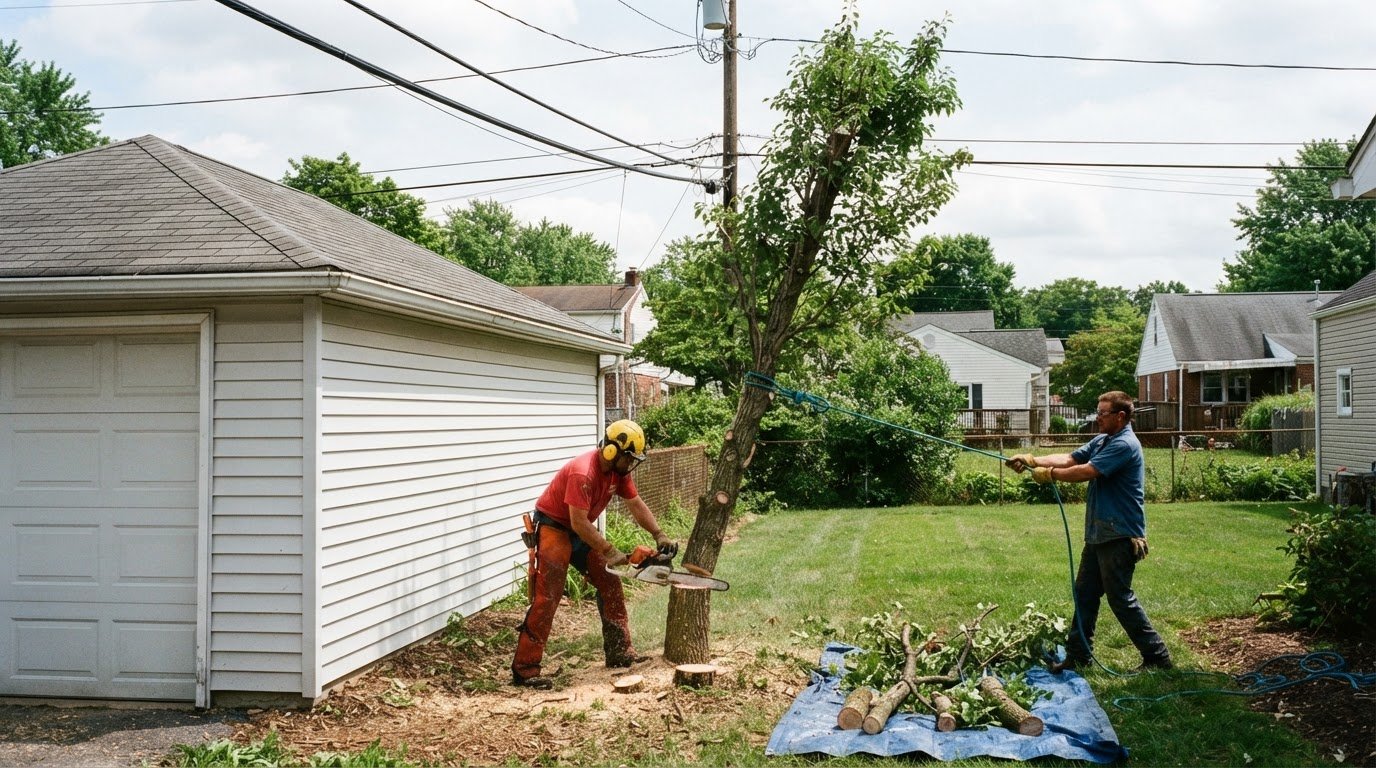
Different concerns call for different work. Trimming addresses tree branches, while removal may be appropriate when damage, decline, safety concerns, or the tree’s impact on the property make it the practical option. Storm cleanup focuses on clearing storm-related tree debris. For shrubs and dense overgrowth, clearing may be more relevant than tree work. Share the location and visible concern so the recommended solution fits the property.
Service | Common reason to discuss it
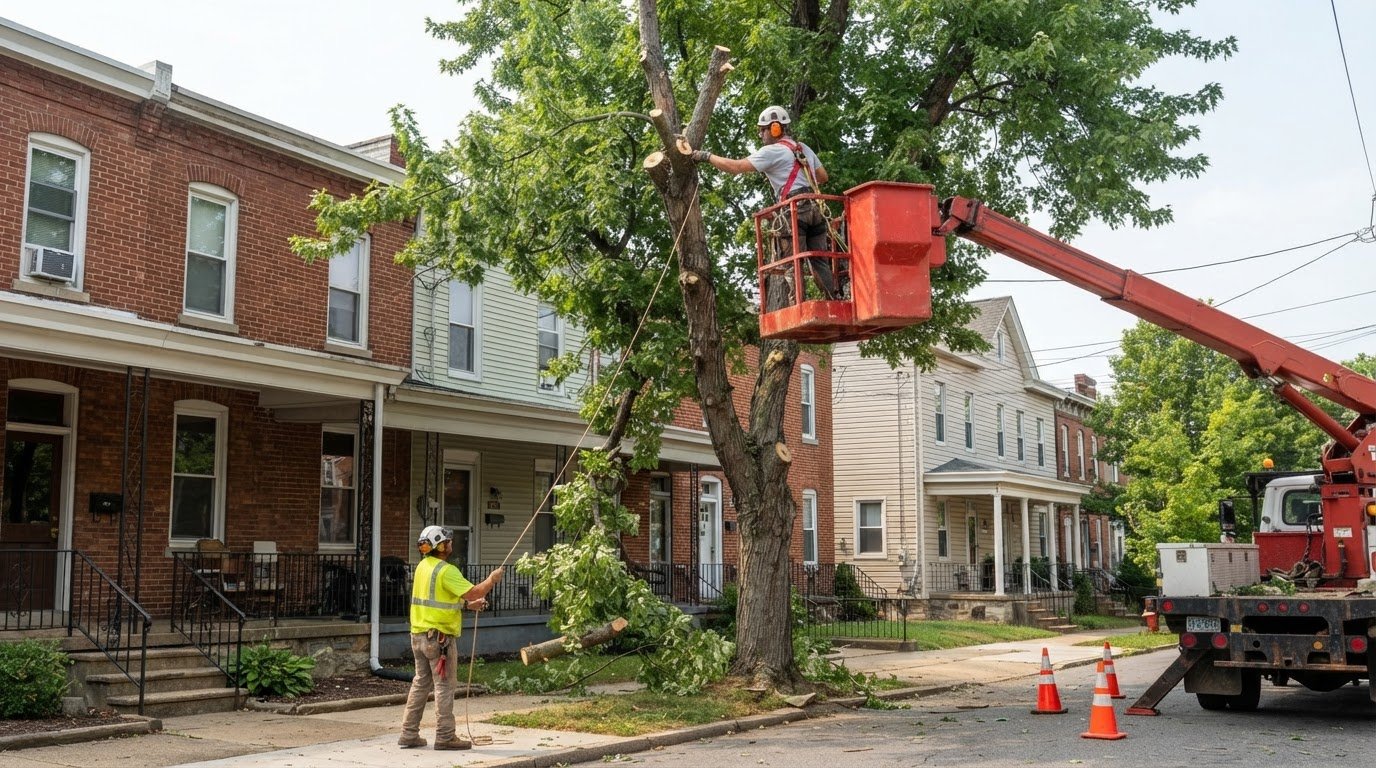
Trimming: Branches need attention as part of a property’s tree-care plan. Snappy Landscaping provides professional tree trimming.
Removal: Damage, decline, safety concerns, or property impact may warrant discussing tree removal.
Shrub clearing: Shrubs or overgrowth are affecting the usable or maintained area of a property.
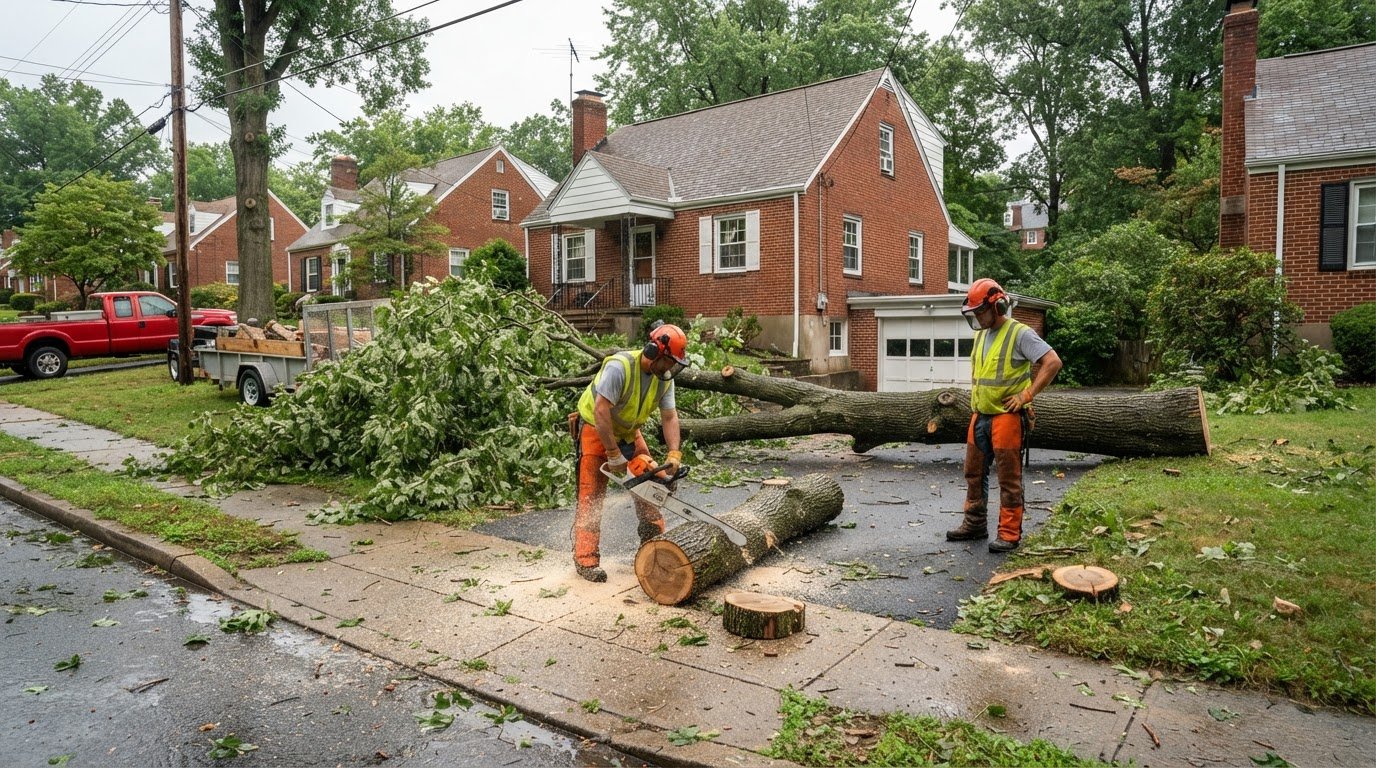
Storm cleanup: A storm has left tree debris or damage that needs attention.
Before requesting help, make a concise note of what changed, where the tree or debris is, and what part of the property may be affected. Photos taken from a safe location can help describe what you’ve observed, but don’t approach unstable limbs or attempt hazardous work yourself. Observations help explain the concern; they don’t replace an assessment.
Snappy Landscaping provides trimming, removal, shrub removal, overgrowth clearing, and storm cleanup for residential and commercial properties. The crew is licensed and insured, and every team member has completed a background check. Submit a request, and the team follows up with a clear estimate and recommended solution. This gives you a practical way to move from noticing a concern to deciding what work makes sense.
Practical Tree-Maintenance Steps for Lancaster Property Owners
A clear process helps turn a concern into a sensible next step. Before arranging tree work, establish what you’ve observed, where the tree stands, and whether it’s a private-property tree or a City of Lancaster street tree. That distinction matters: don’t assume a tree near a sidewalk is yours to manage. Tree care and maintenance Lancaster PA property owners arrange should start with identifying the tree and understanding which rules may apply.
Record what you see before requesting service
Describe the concern in plain, factual terms. “A large branch broke during the storm and is resting over the driveway” is more useful than “the tree looks bad.” Note the tree’s location, the visible change, and any effect on access or nearby property. If you can take a photo from a safe place, it may help explain the situation. Don’t climb, approach unstable limbs, or move hazardous debris to get a better view.
Use this sequence to organize your next step:
- Observe: Note visible damage, changes in the tree, or debris after a storm.
- Record: Write down the tree’s location and how the concern affects property use.
- Identify ownership: Determine whether the tree is on private property or is a street tree managed by the city.
- Seek guidance: Share your observations and ask about an appropriate next step if the issue involves damage, decline, or safety.
Know when routine upkeep is not the right response
Small, ordinary yard tasks aren’t a substitute for addressing serious tree damage. Don’t climb to inspect a tree, cut large limbs, or try to handle unstable branches or hazardous storm debris yourself. Keep people away from an area where a damaged limb could fall, and describe the situation when seeking help. A clear account of what you can see helps make the initial conversation more focused without requiring you to diagnose the tree.
For a tree within the City of Lancaster’s public right-of-way, check the current street-tree permit requirements with the City Arborist before arranging work. City requirements are specific to Lancaster City, so don’t assume they apply to every property elsewhere in Lancaster County. For privately owned trees, establish their location and ownership first, then describe the work being considered. If a tree concern points to professional trimming, removal, or storm cleanup, Snappy Landscaping can help you take the next practical step.
Tree Care and Maintenance Lancaster PA: How to Get Local Help
Once you’ve noted what’s changed and identified the tree’s location, the next step is to get property-specific guidance. Snappy Landscaping serves residential and commercial properties with tree work for damage, decline, safety concerns, and property impact. The crew is licensed and insured, and every team member has completed a background check.
What Snappy Landscaping can help address
Different property concerns call for different work. Snappy Landscaping provides tree trimming, tree removal, shrub removal, overgrowth clearing, and storm cleanup. Share what you observed and where it’s happening so the request can be understood in context. For expert tree care and maintenance in Lancaster PA, the goal is a clear estimate with a recommended solution, not guesswork about what your property needs.
These professional services are readily available for residential and commercial properties across several communities, including Lancaster, Mountville, Columbia, Landisville, Manheim, Mount Joy, Lititz, Ephrata, East Petersburg, Millersrow, Elizabethtown, Leola, New Holland, Willow Street, Strasburg, Quarryville, Denver, Hempfield, East Hempfield, and West Hempfield.
Request an estimate for your property
Start by submitting a request with the property location, the tree or overgrowth area involved, and the visible concern. For example, describe whether you’re asking about trimming, removal, storm debris, or shrub clearing. If the issue affects a driveway, walkway, building, or another part of the property, include that detail. Clear information helps make the follow-up and estimate process more focused.
After you submit a request, the team follows up and provides a clear estimate with a recommended solution. Snappy Landscaping provides a free estimate for every property. Pricing varies based on property size, service frequency, and maintenance requirements, so the estimate is tailored to the work being considered rather than presented as a one-size-fits-all figure.
Gather your observations, identify the property location, and describe the work you’re considering. Then request a free tree-service estimate.
Make Your Next Tree-Care Decision with Confidence
A useful next step doesn’t need to be complicated. Keep a brief record of tree work and changes you notice over time. That history can help you explain what’s happening and make future property decisions with more context. It also helps shift tree care from a last-minute reaction to a considered part of managing your outdoor space.
Tree care and maintenance Lancaster PA properties need will vary, so focus on the concern in front of you. If a tree, shrub, or storm-related mess is affecting your property, share the location and what you’ve observed with a local crew. A clear recommendation can help you decide how to proceed without guessing at the right scope of work.
Snappy Landscaping provides a free estimate for tree-care needs. Request a free estimate for your tree-care needs, and take the next step toward a better-managed property.
Frequently Asked Questions
Does tree care for a street tree in Lancaster require a permit?
Yes. In Lancaster City, work on a street tree in the public right-of-way requires a permit. Before arranging pruning, planting, treatment, or removal, contact the City Arborist or Department of Public Works to confirm current requirements and the application process. These rules are specific to the city, so don’t assume they apply to street trees elsewhere in Lancaster County. First identify whether the tree is in the public right-of-way.
How should I water a newly planted tree during a hot, dry period?
Water slowly so moisture can soak into the soil around the roots, then check the soil before adding more. Penn State Extension guidance for newly planted young trees recommends 15 to 20 gallons weekly during their first two growing seasons, from spring bud break until autumn dormancy or ground freeze. Adjust for rainfall and soil conditions. A practical part of tree care and maintenance Lancaster PA homeowners can manage is avoiding a fixed schedule when the ground is already wet.
Should mulch touch the trunk of a tree?
No. Keep mulch pulled back so it doesn’t rest against the trunk, and leave the root flare visible. Mulch piled up around bark can hold excess moisture at the trunk. If you find a mound built against the tree, gently pull it back rather than adding more material on top. Check the gap during routine yard work, especially after mulch has shifted or been refreshed.
Can overwatering harm a tree?
Yes. Soil that remains waterlogged can create problems for a tree, just as too little water can stress it. Before watering, check the soil near the root area and consider recent rainfall. If water is pooling or the ground is still saturated, pause rather than adding more. For example, a young tree may need attention during a dry spell, but not automatically after a week of steady rain.
What should I do after a storm leaves branches and debris in my yard?
Keep clear of hanging or unstable branches, and don’t climb or attempt to cut large limbs. From a safe location, note where debris has fallen and whether it affects a driveway, walkway, or building. If storm damage or scattered tree debris needs attention, describe what you can see when requesting help. Snappy Landscaping offers storm cleanup; don’t put yourself at risk to move debris or inspect damage more closely.
What tree services do you offer?
We provide tree trimming, tree removal, shrub removal, overgrowth clearing, and storm cleanup services throughout Lancaster County.
How do I get started?
Simply contact us to discuss your property needs and request a free estimate.