
A cleared parking lot is only the start of a workable winter plan. Parking lot plowing services in Lancaster, PA can include clearing commercial lots, driveways and access roads, then applying salt or sand to help manage slippery surfaces. Keep entrances and key routes usable, and your property is better positioned to handle winter weather.
Snow and ice can disrupt deliveries, customer access, and daily operations. Parking lot plowing services in Lancaster PA need to address more than open parking spaces: sidewalks, walkways, and other busy areas matter too. A practical plan identifies priority areas and treatments suited to the conditions.
This article explains commercial lot plowing, driveway and access-road clearing, and salt or sand treatments for properties in Lancaster, Columbia, and Mountville. Learn how crews approach these areas, what shapes a winter service plan, and how Snappy Landscaping’s commercial snow and ice removal supports local businesses.
Commercial parking lot snow removal
Commercial lot plowing clears vehicle areas and access routes, while ice treatments address slick pavement. A site plan should prioritize entrances, loading zones, pedestrian routes, and areas where plowed snow could block drainage.
Lancaster-Area Commercial Snow Removal
Commercial snow and ice plans in Lancaster, Columbia, and Mountville can cover parking lots, driveways, access roads, sidewalks, and walkways. They can also identify loading docks, entryways, emergency exits, and high-traffic zones for focused clearing. Map these areas before winter, then note which routes must remain open for deliveries, customers, and staff. A site plan can coordinate plowing zones with commercial property maintenance.
Contractor Selection and Reviews
When choosing parking lot plowing services in Lancaster PA, review the provider’s written service scope and operating terms, and confirm that its insurance covers the work and property involved. Look for specific examples in local reviews that show communication, scheduling, and site results. Then compare those details with your property’s needs, such as clearing a narrow access road or keeping a loading area open.
Contracts, Costs, and Response Triggers
A commercial snow contract can define monitored conditions, plowing or de-icing procedures, priority areas, communication, and service frequency. Per-visit or seasonal pricing depends on the property and is provided after a quote request; lot size, layout, service frequency, snow volume, and treatment needs affect the scope. Response times and snow trigger depths should be written into the agreement, not assumed from a general service description. A 24-hour emergency response is a separate commitment, so the contract should state coverage hours and dispatch terms.
In Lancaster, the City of Lancaster says property owners must clear sidewalks and crosswalk openings within five hours after snowfall ends. If snow ends overnight, the deadline is 10 a.m. Keep walkways and exterior stairs in the clearing plan, including the path from parking spaces to entrances. In Lancaster, courtesy signs for reserving non-metered parking spaces must be posted at least 48 hours in advance, according to the City of Lancaster.
Direct plowed snow away from streets, hydrants, and storm drains. A pile beside a curb can obstruct drainage, while snow pushed into a street can interfere with traffic. Mark safe snow-storage areas in the site plan before the first storm. Identify pavement edges, curbs, islands, and drainage structures too, helping reduce equipment contact and property damage.
Snow and ice at entrances, walkways, or stairs can create slip-and-fall hazards. Plowing can also damage curbs or landscaping when site features are obscured. Assign each zone a clearing sequence and include de-icing when conditions call for it. Clear designated pedestrian routes along with the lot so people aren’t forced into vehicle lanes.
Establish a snow removal contract before winter, identify priority areas, communicate special requirements, and direct people to designated pathways. Commercial agreements may include regular monitoring and prompt plowing or de-icing as snow accumulates. Delays can result in lost revenue, safety concerns, and frustrated customers. Businesses can consider a winter snow removal contract for priority service throughout the season.
Clearing driveways and access roads
Clear a continuous route from the property entrance to its active areas. For commercial properties, plan around driveways, access roads, parking entrances, and delivery routes. Start with the main connection to the public road, then open internal lanes and building approaches. This sequence keeps cleared sections connected instead of leaving isolated patches.
Before snow arrives, identify narrow turns, gates, steep sections, and places where vehicles queue. Delivery trucks need room to enter and turn, while passenger vehicles need clear access to parking. Mark these points on a site plan to guide crews and provide clear instructions. Include preferred snow-storage areas so plowed snow doesn’t narrow usable routes.
Driveway clearing also requires attention to the entrance apron. A street plow may leave a ridge across the driveway after the private surface is cleared. Plan a final pass at the entrance, then reopen the route to the garage, loading area, or parking spaces. On long access roads, include passing areas and turning points in the route plan.
Residential clearing benefits from the same connected-route approach. Open the driveway from the street to the garage and keep a path to the main entrance. Include routes to a side door, detached garage, or shared drive where needed. After the first pass, check whether wind or passing vehicles have shifted snow back across the entrance.
Sidewalks and crosswalk openings need separate attention from vehicle routes. According to the City of Lancaster, if snowfall ends overnight, property owners have until 10 a.m. to clear sidewalks and crosswalk openings. Include those areas in the clearing sequence, especially where a walkway meets a driveway or public crossing. A clear connection helps pedestrians avoid stepping into a vehicle lane to get around a snowbank.
- Open the driveway entrance and the main access route.
- Clear turning areas, delivery approaches, and building entrances.
- Finish sidewalks and crosswalk openings, including connections to driveways.
- Check the route again after drifting or a street-plow pass.
For commercial parking lot plowing services in Lancaster, PA, access-road planning should match how the property operates during winter weather. A business with frequent deliveries may prioritize its loading approach, while a residential site may need clear access to a garage and front entrance. Share your property layout to discuss a clearing plan suited to its routes and entrances.
Salt or sand de-icing treatments
Parking lot snow removal can include salting and ice management, depending on the service plan. Post-plowing treatment may be considered as part of an ice-management plan. For a Lancaster property, define whether treatment covers the full lot, pedestrian routes, entrances, or selected trouble spots. Clear expectations help owners understand which surfaces receive attention after plowing.
Salt and sand have different roles in a winter plan. Salt is a de-icing material, while sand can be used as a surface treatment. The choice depends on pavement conditions, weather, and the areas that need attention. A business might prioritize an entrance where people cross from the parking area, while another may focus on a sloped access lane.
Liquid de-icing is another ice-control option. Applying it before severe winter weather can help property managers prepare pavement ahead of precipitation. Deicers lower the freezing point of ice and snow and create a barrier between pavement and precipitation. Timing matters: a pre-weather application and a post-plowing application address different stages of a storm.
Plan treatments alongside plowing rather than making them separate decisions. First, identify high-use surfaces such as the main entrance, accessible routes, loading approaches, and pedestrian crossings. Then decide which areas need treatment before weather arrives and which need attention after snow is cleared. A dependable plan also accounts for runoff, keeping drainage paths and storm drains accessible.
- Mark entrances, ramps, walkways, and frequently used crossings.
- Identify pavement areas where refreezing would disrupt access.
- Set out when pre-treatment or post-plowing treatment applies.
- Keep treatment limits clear for parking areas and pedestrian routes.
Apply salt or sand according to site conditions, not a blanket assumption. A broad lot may need a different treatment pattern from a narrow walkway or exposed driveway. Freezing rain, melting snow, and refreezing can leave different areas with different needs. A planned route helps crews treat priority surfaces without overlooking entrances or connecting paths.
For property owners, the practical question is what the snow and ice plan covers after plowing. Specify whether treatments include sidewalks, exterior stairs, access roads, and parking aisles, and explain how priority areas are handled. Clear boundaries make service easier to coordinate with building access and daily operations, especially when conditions shift from snowfall to refreezing.
Include the treatment limits in the service plan and clarify how priority areas are selected for attention. Salt or sand may be considered as part of a site’s ice-control plan after snow is cleared. Executive describes liquid de-icing as effective when applied before severe weather at Lancaster, Pennsylvania, properties. Executive says it applies deicer to ground surfaces to support pedestrian and vehicle safety at Lancaster, Pennsylvania, commercial properties. Specify which surfaces receive each treatment and whether it is planned before weather or follows clearing. This gives owners a clear account of how ice-control work supports access across the areas identified in the plan.
Driveway and parking lot plowing
A workable plowing plan turns a snow-covered property into connected, usable routes. Start with the entrance, then clear drive lanes leading to parking areas, buildings, and delivery points. This order gives vehicles a continuous path instead of leaving cleared sections cut off by snow. The route depends on the lot’s layout, traffic flow, and access priorities.
Before snowfall, mark key property features on a site plan. Include entrances, curbs, islands, parking rows, loading zones, and pedestrian crossings. Identify tight turns where plowing equipment needs extra room. A marked plan helps crews distinguish pavement edges from landscaped areas when snow covers familiar visual cues. It also shows where parked vehicles could restrict access.
For a large parking lot, clear a main travel lane before opening individual parking rows. Work outward from that route, keeping entrances and exits connected as clearing continues. At a smaller business, prioritize the driveway, customer parking, and approach to the main entrance. Adjust the sequence to suit site operations, such as preserving a delivery route before clearing lower-use spaces.
- Open the entrance and main vehicle route first.
- Clear connecting lanes before isolated parking rows.
- Keep access to entrances and loading areas in the planned sequence.
- Review the cleared pavement for ridges or blocked connections.
Snow may continue after the first pass, so distinguish initial clearing from follow-up work in the plan. Fresh accumulation can cover drive lanes again, while wind may drift snow across an exposed entrance. Monitoring conditions helps determine when another pass is needed. A final check should follow the route from the public entrance to the property’s active areas.
Driveways need a different approach from broad parking lots. Their narrower width can make turning, passing, and access to garages or service doors more sensitive to snow placement. Clear the route from entrance to destination, then reopen turnouts or connecting areas. At a shared driveway, keep the full access path usable, not just one property’s immediate entrance.
Surface details matter. A raised walkway, concrete pad, curb, or parking island may be hard to see beneath snow. Mark these features before winter so operators can work around them. Keep vehicle routes distinct from pedestrian paths, then inspect their connections after plowing. If snowbanks leave a narrow gap at a crossing, pedestrians may be pushed toward moving vehicles.
Set priorities before the first storm and update them when property use changes. A business expecting early deliveries may need its loading approach cleared first; a residential driveway may depend on garage access. A consistent route plan makes each plowing pass easier to coordinate across the property.
Service area in Lancaster, Columbia, and Mountville
A winter property plan should reflect the site, not just its town. In Lancaster, Columbia, and Mountville, commercial lots, private drives, and pedestrian access points each need a defined clearing sequence. Start with the property address, entrances, and routes that must stay usable. These details help shape a plan around the site’s layout and operating needs.
For a commercial property in Lancaster, identify the primary entrance and routes connecting it to parking, buildings, and loading areas. A site map should show where each driveway begins, where vehicles turn, and which walkways serve building entrances. Note shared access roads or separate tenant entrances. Clear instructions help crews understand each property’s priorities.
Planning also depends on how the property operates during winter weather. A retail site in Columbia may need customer parking and front walkways prioritized, while a Mountville warehouse may depend on truck access and loading approaches. List priorities before snow arrives, then update the plan when tenants, access points, or site use changes.
- Record the property address and every vehicle entrance.
- Mark parking areas, loading approaches, and pedestrian walkways.
- Identify shared drives, separate buildings, and priority routes.
- Set a clearing sequence that matches the site’s daily use.
Town coverage alone doesn’t show how a site should be handled. Two commercial properties in Lancaster may differ because one has a compact lot and direct access, while another has several buildings linked by private lanes. Properties in Columbia and Mountville can present similar planning needs. Match instructions to each address instead of applying one generic route plan.
Before winter, prepare a property brief for each location. Include a site map, access instructions, priority areas, and obstacles that affect equipment movement. If your organization manages properties across Lancaster, Columbia, and Mountville, keep each address and its instructions distinct. This helps prevent one site’s priorities from being mistaken for another’s.
Make winter coordination more efficient: define the address, map access, and set the clearing order. Discuss your property’s winter access needs and share the details that shape its plan.
Snappy Landscaping: Landscaping Services
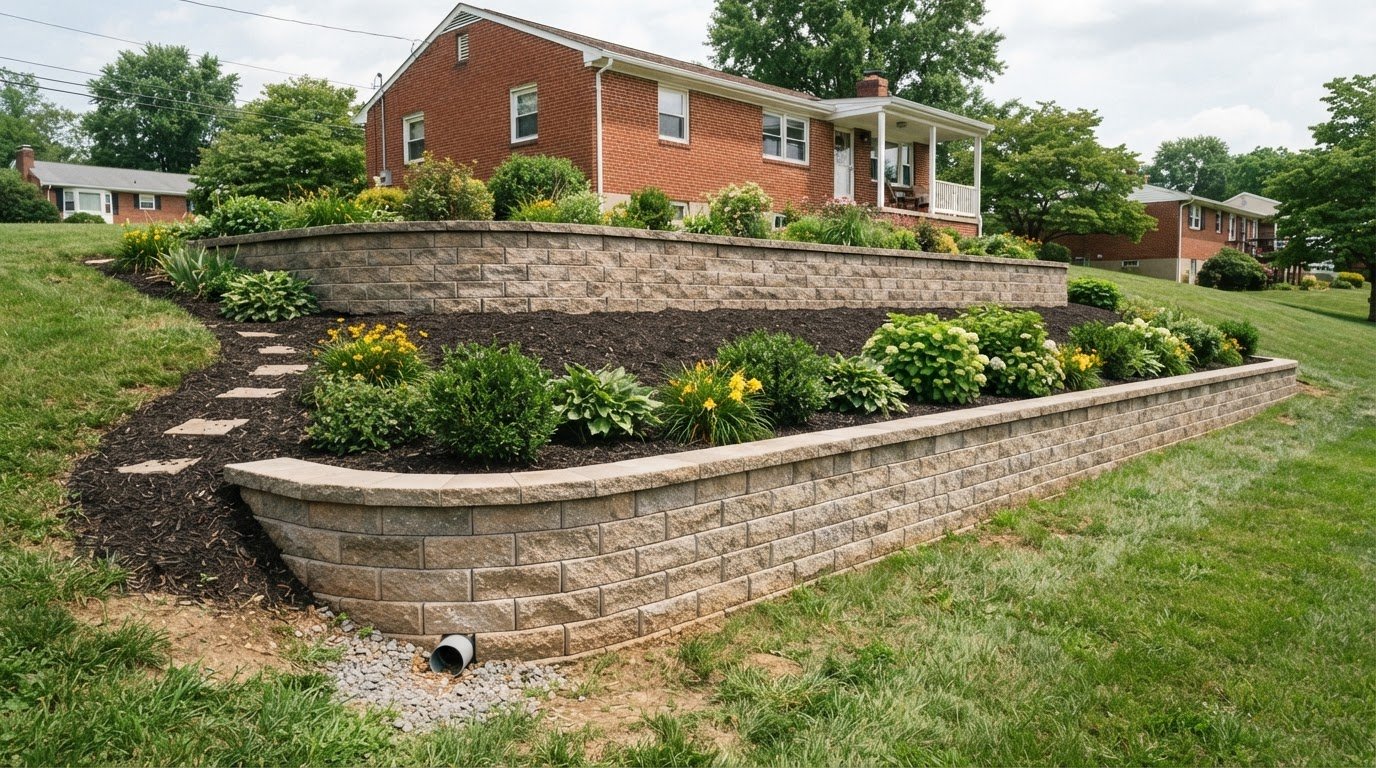
Snappy Landscaping helps property owners maintain the outdoor spaces around their buildings. Turn to its landscaping services when a commercial site needs attention beyond winter access, such as lawn maintenance or a planned patio or retaining wall project.
For ongoing grounds care, commercial landscaping and maintenance can support a more orderly property through the growing season. Lawn mowing and maintenance keep turf managed, while custom patio installation and retaining wall construction address specific outdoor improvements.
Share your property’s needs and priorities with Snappy Landscaping. Contact Snappy Landscaping to discuss the next step.
Set Your Property Up for Winter
Make the next step a clear plan for how your property should function through winter. Define priorities, identify who manages each decision, and align snow operations with how people use the site. This preparation makes seasonal service planning a practical part of managing your business property.
For businesses arranging parking lot plowing services in Lancaster, PA, Snappy Landscaping also supports property needs beyond winter. Services include lawn mowing and maintenance, custom patio installation, and retaining wall construction. Consider how these projects fit your broader plans for the grounds while keeping current access and upkeep needs in focus.
Start a conversation about your property’s priorities and the work you want to plan. Contact Snappy Landscaping today to discuss a practical next step for your site.
Frequently Asked Questions
What do commercial parking lot snow plowing services in Lancaster, PA include?
Snappy Landscaping provides commercial snow plowing and ice control for commercial properties in Lancaster County. Its licensed and insured, background-checked team serves office buildings, retail properties, business parks, and HOA communities that need winter access maintained. Work can be planned around each property’s layout and use, distinguishing customer parking from delivery access, for example. To discuss your property’s winter priorities and request a free estimate, contact Snappy Landscaping.
snow plowing service availability Lancaster PA 24 hour emergency
A 24-hour emergency response is a separate commitment. The contract should state coverage hours and dispatch terms.