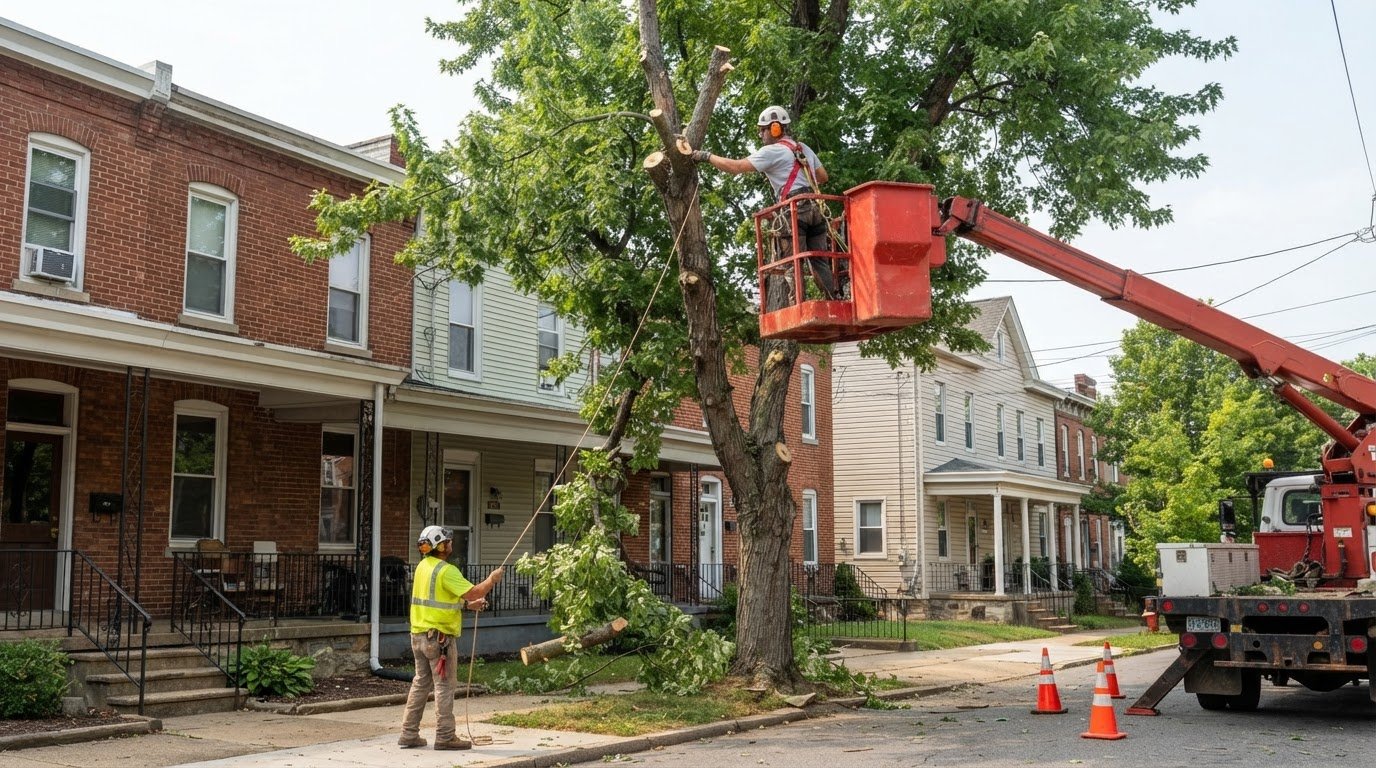

A fallen or badly damaged tree blocking access needs prompt professional assessment and removal when necessary. A tree care company in Columbia, PA can also help homeowners address concerns before they become urgent, with recommendations based on the tree’s condition, location, and effect on the property.
It’s understandable to focus first on clearing a hazard. Good tree care also considers nearby trees and how pruning or removal may affect the yard over time. The right approach depends on the tree and the situation, not a one-size-fits-all checklist.
Learn what to expect from tree removal, how expert assessment can guide decisions, and how residential tree care can help keep your Columbia property orderly and well maintained. This guide explains when removal is the practical next step and when ongoing care may better address the problem.
Need Emergency Tree Removal Services?
In Columbia, PA, begin by identifying whether a tree blocks access, threatens a structure, or needs planned care. Then compare the work scope, location, estimate details, and response timing with Snappy Landscaping.
Columbia, Lancaster, and Mountville Coverage
Columbia is in Lancaster County, and the borough’s ZIP code is 17512. Check whether Snappy Landscaping covers your specific address in Columbia, Lancaster, or Mountville rather than assuming every crew serves every property. Describe the tree’s location and access route, such as a fallen trunk blocking a driveway. Those details help clarify whether the work fits the stated service area and what access may involve.
Licensing and insurance vary by provider, so don’t assume coverage based on a general listing. Ask Snappy Landscaping for proof of insurance and any applicable credentials before authorizing work.
Removal Permits and Local Rules
Columbia Borough shade trees have a specific local oversight structure. The Columbia Borough Shade Tree Commission has custody and control of Borough shade trees; Chapter 202, Article I authorizes it to plant, remove, maintain, and protect them. That authority concerns Borough shade trees, so it doesn’t establish the same process for every privately owned tree.
For a tree on Borough property, find out whether it is a Borough shade tree before planning removal. The stated authority does not establish a blanket permit rule for every private-property removal. Clarifying the tree’s location and ownership helps identify which local rules may apply before work is scheduled in Columbia.
Removal, Pruning, and Emergency Services
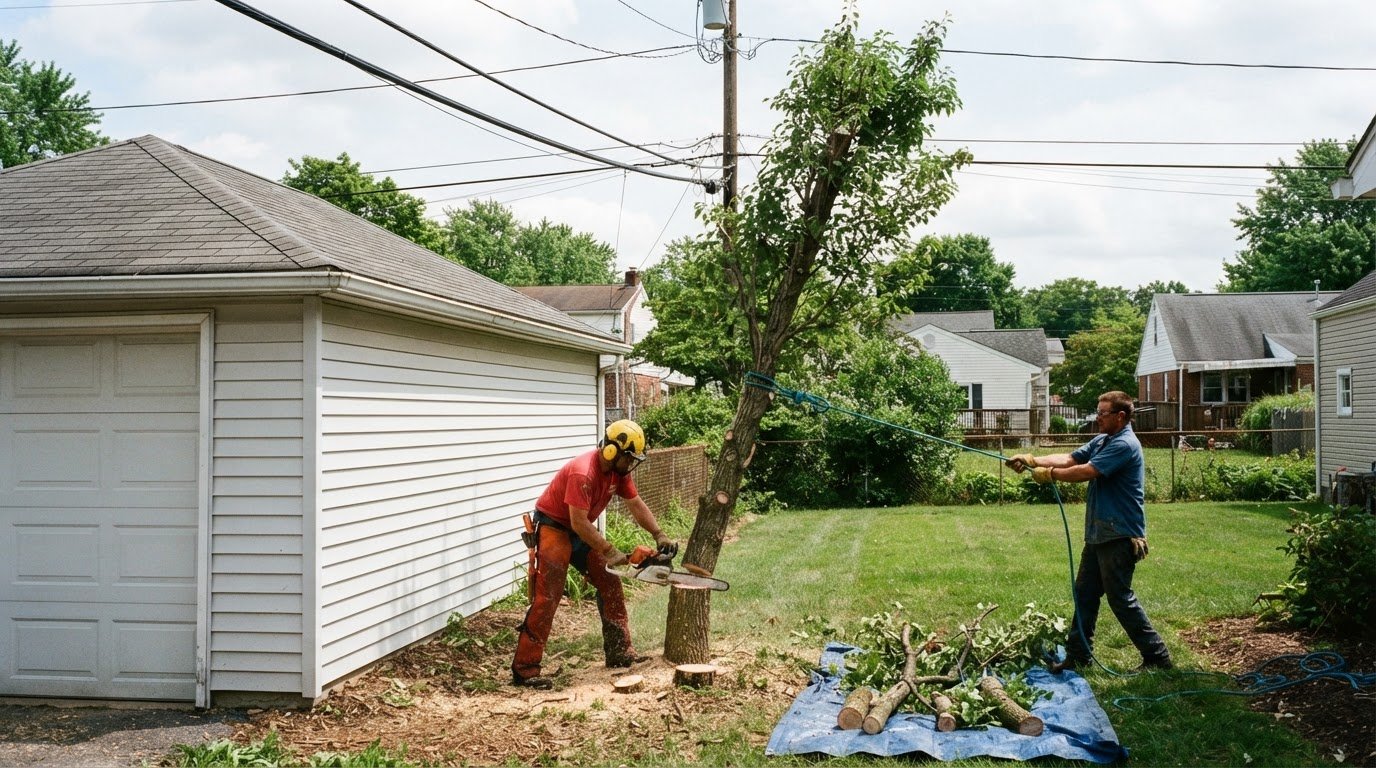
Tree removal takes down a tree; pruning removes selected branches while leaving it standing. Stump grinding and storm cleanup are separate tasks, so specify whether the work should include the stump, branches, and debris. A tree leaning over a home is a different job from routine pruning, while a fallen tree blocking a Columbia driveway creates an access problem that needs prompt attention.
Emergency crews from Snappy Landscaping provide 24/7 storm response in Columbia, Lancaster, and Mountville for fallen trees blocking driveways, roads, and access points. That does not mean every tree service company provides round-the-clock response. Free estimates also aren’t universal. Compare written estimates by checking the tree, work scope, cleanup, exclusions, and timing. Species, size, position, and access can affect the work involved.
Keep the service-area question local: Columbia, Lancaster, and Mountville are the primary service locations for this tree care company Columbia PA. Give the exact property location and explain whether the tree is hazardous, blocking access, or needs planned pruning. Then identify whether you need removal, stump grinding, or cleanup. This makes it easier to distinguish a service-area match from an estimate that covers only part of the work.
Tree removal
Removal may be appropriate when a tree is dead, damaged, or interfering with the property’s use. Consider removal, trimming, and stump work as separate parts of the job.
Tree and Large Tree Removal
A tree care company in Columbia, PA can assess whether removing dead or damaged wood is enough or whether the entire tree needs removal. Large tree removal involves more material and may require a staged approach, especially when branches extend over a home, fence, or driveway. Share the tree’s location and condition so the estimate reflects the work required.
Trimming preserves a tree when selective branch removal addresses the concern. Removing a tree does not automatically include stump grinding or hauling every piece of debris. Ask for each task to be clearly listed in the written scope. This distinction matters if you want a cleared planting area rather than a remaining stump.
Tree Removal Costs
Pricing varies based on the property’s requirements and the requested work. Tree species and size, condition, location, and scope can all shape the estimate. For example, removing a large dead ash tree may involve a different scope from limited branch trimming on a smaller tree. Snappy Landscaping provides a free estimate.
Review what the estimate includes: tree removal, debris handling, stump removal, or stump grinding. These are distinct tasks, and leaving one out can change the finished result. Compare the scope and exclusions, not only the total. A clear estimate identifies which tree is covered and what remains after the listed work is complete.
Customer accounts describe projects involving more than 25 large dead ash trees on one property. That example shows why tree count alone doesn’t define the job: size, condition, and the requested work all matter. For one tree, the main decision may be trimming versus removal. For several trees, the estimate should make each tree and task understandable.
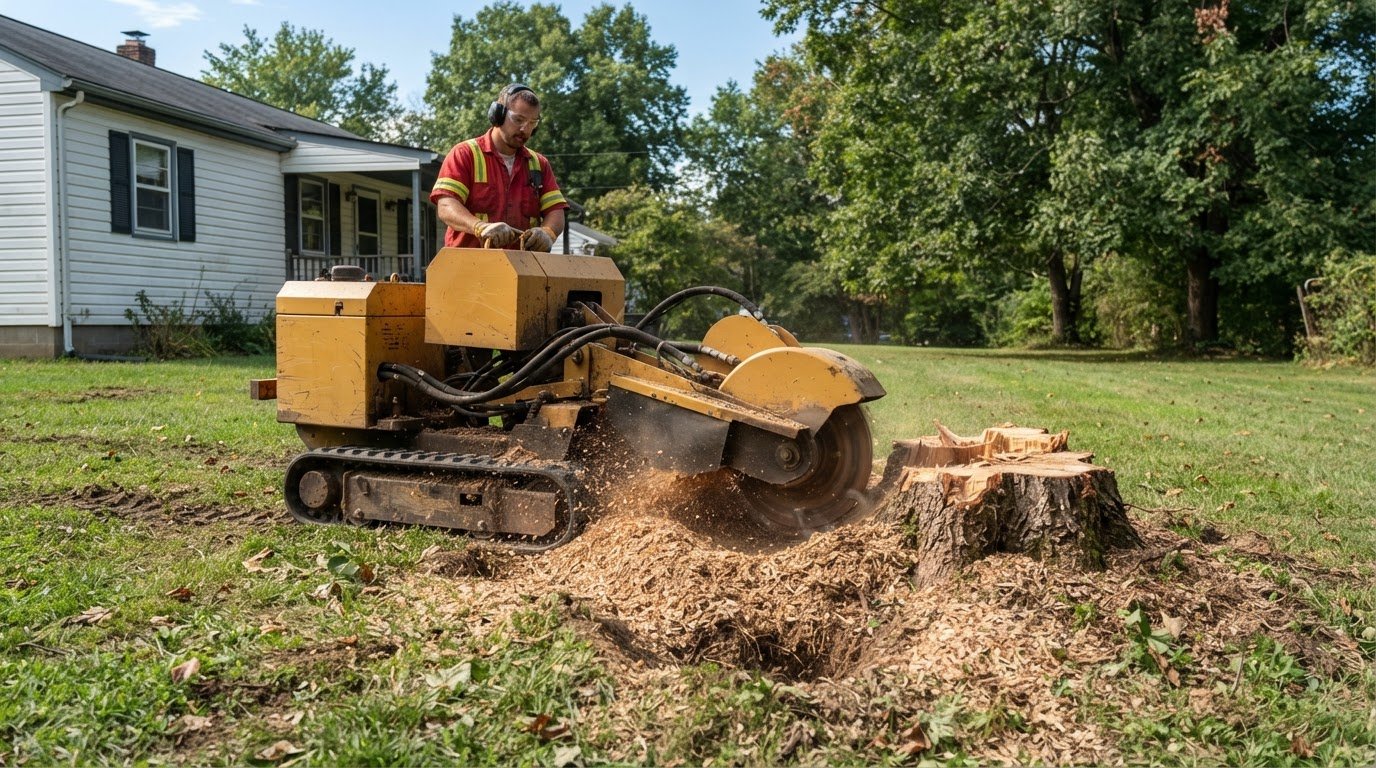
Stump grinding reduces a stump below the surrounding surface; stump removal takes out more of the stump and root mass. The right choice depends on how you plan to use the area. Lawn restoration, new planting, or open access may call for different cleanup than leaving the stump in place. State your intended use when describing the work.
Before approving the job, match the written scope to the outcome you want. Confirm whether trimming, full removal, stump work, and debris cleanup are included. For a property with several trees, ask for each tree’s work to be itemized. To discuss a specific removal project, contact the team about tree removal with the tree’s condition and location.
Why Choose Us for Tree Care in Columbia, PA?
Tree trimming and pruning address different needs, from removing a hazardous branch to improving a tree’s structure. In Columbia, the right schedule and cut depend on the tree’s species, growth, condition, and position on the property.
Start by assessing the tree before deciding what work it needs. Look for dead, dying, diseased, interfering, or objectionable branches. Proper pruning removes selected branches to support the tree’s health, structure, and appearance. It can also address branches that conflict with a roof, walkway, or other part of the property.
Trimming is not simply cutting back every branch that extends outward. Removing too much or making cuts without a clear purpose can undermine the intended result. A professional assessment considers the branch, the surrounding canopy, and the tree’s location. For example, a branch near a building may call for targeted pruning, while a tree with a damaged structure may need a broader evaluation before any cuts are made.
For Columbia trees, a general trimming interval is every 2-4 years, depending on species and growth rate. That interval is a guide, not a fixed appointment schedule for every tree. A fast-growing tree may need attention sooner than a slower-growing one. The tree’s condition and any branch hazards also matter, so recurring maintenance should account for observed growth and changes.
Timing matters, too. Pruning is typically done in late winter or early spring, while trees are dormant and before blooms appear. The best timing still depends on the tree type. A tree’s species can affect when pruning is appropriate, so avoid applying one seasonal rule to every tree in the yard. A qualified assessment can distinguish planned maintenance from work that addresses an immediate concern.
Use these checks to describe the tree work clearly:
- Identify the tree and note whether the concern involves dead, diseased, or interfering branches.
- Describe nearby structures, paths, or other trees that could affect access or the pruning plan.
- Explain whether the goal is clearance, canopy maintenance, or correction of a specific problem.
- Ask which branches the proposed work targets and how the plan supports the tree’s structure.
Early identification of pests and disease is important because prompt recognition can help control problems and prevent irreparable tree damage. If you notice changes in foliage, dead sections, or unusual branch decline, include those details in the assessment. Clear observations help determine whether selective trimming may be enough or whether the tree needs a closer health review.
Consistent tree work means choosing cuts for a defined reason, not trimming on autopilot. A Columbia homeowner can use the 2-4-year interval as a planning baseline, then adjust for the tree’s species, growth, and condition.
Arborist expertise and experience
Expert tree assessment helps distinguish a branch problem from a broader concern about tree health. In Columbia, an assessment can consider visible damage, the tree’s structure, nearby property, and surrounding growth before recommending work. This helps explain each proposed step, whether the concern involves a dead limb, unusual decline, or branches interfering with a structure.
An ISA Certified Arborist has at least three years of experience in the tree care profession and has passed an in-depth exam developed by the International Society of Arboriculture. That credential indicates relevant training and experience, but does not by itself establish what a particular tree needs. Ask how the findings relate to the tree’s condition and the proposed work.
A useful assessment identifies the tree, describes the visible issue, and explains how it affects the tree’s structure or surroundings. For example, a dead branch over a walkway raises a different concern from decline across the canopy. A clear explanation separates observed conditions from recommended work, helping you understand whether pruning, removal, or continued observation best addresses the situation.
Tree inspections can also identify safety risks from nearby trees, including instability associated with disease or insect damage. Look for an explanation connecting signs on the tree to the concern. If one tree appears healthy but stands beside a damaged tree, the surrounding canopy and proximity still matter. The assessment should address the trees involved, not rely on a general description of the yard.
Columbia’s community tree care provides another local point of reference. The Columbia Borough Shade Tree Commission has received the National Arbor Day Foundation’s Tree City USA designation for 33 consecutive years as of 2025. Its 2025 Arbor Day Celebration was scheduled for Friday, April 25, at 6:00 PM. These details reflect ongoing local attention to trees, while an individual property still requires an assessment based on its own conditions.
Use these steps to make an arborist’s findings easier to apply:
- Name the tree or point out its location on the property.
- Describe visible changes, such as dead branches, declining foliage, or damage.
- Ask which findings support the recommended tree work.
- Clarify whether the recommendation concerns one tree or nearby trees as well.
A useful assessment is specific, not dramatic. It connects the visible condition to a practical recommendation and explains the surrounding factors. An arborist’s assessment can help when disease, insect damage, instability, or unexplained decline complicates the decision. Use the findings to understand the next step, rather than treating a credential as a substitute for evaluating the tree itself.
Residential tree care
Residential tree care starts with the whole property, not one branch in isolation. A tree beside a Columbia home may affect a roof, walkway, yard, and nearby trees. A planned assessment helps identify which concerns need attention first and what work would address them. It also distinguishes routine maintenance from an urgent hazard, such as a fallen limb blocking the driveway.
Pruning can remove dead, dying, diseased, interfering, and objectionable branches. Its purpose is to support a tree’s health, structure, and appearance, not simply reduce its canopy. For example, branches extending toward a roof may interfere with the property, while diseased growth calls for attention to the tree’s condition. A clear plan identifies the branches involved and why they should be removed.
Look for changes across the tree, not only at its outer edges. Dead sections, unusual decline, or signs of pests and disease can indicate a broader concern. Early identification of pests and diseases is important for controlling them and preventing irreparable tree damage. An inspection can also identify safety risks from nearby trees, including instability associated with disease or insect damage.
Columbia’s soil conditions can also matter. Compacted clay soil can limit root growth and reduce nutrient uptake. If a tree shows poor growth, an assessment should consider visible canopy symptoms alongside the growing conditions around its roots. A branch problem and a root-zone concern are different issues, so recommended care should address the observed cause.
Use a simple property-focused review to organize residential care:
- Note which branches are dead, damaged, diseased, or interfering with a structure or path.
- Identify nearby trees that show decline or could create a safety concern.
- Describe changes in foliage, growth, or branch condition that have appeared over time.
- Point out compacted areas or other conditions around the tree’s root zone.
Tree inspections can help identify risks before a branch falls or a tree’s condition worsens. This matters where branches overhang a home, parked vehicle, or frequently used walkway. A fallen tree presents a different problem from gradual canopy decline, so describe the location and condition clearly. The immediate concern, nearby structures, and access to the tree all help define the work needed.
Residential tree care also includes deciding what to preserve. A tree with a specific branch issue may need targeted pruning rather than removal, while extensive decline or instability can require a broader evaluation. The practical takeaway is to connect each proposed task to an observed condition. Contact the team to discuss residential tree concerns and the work needed to keep your property orderly.
Snappy Landscaping: Tree Trimming & Removal
Snappy Landscaping provides tree trimming and removal for residential and commercial properties in Lancaster County. Turn to the team when a tree needs planned removal, branches need trimming, or a tree concern affects how you use your yard. The right scope depends on the tree’s condition, position, and the work required.
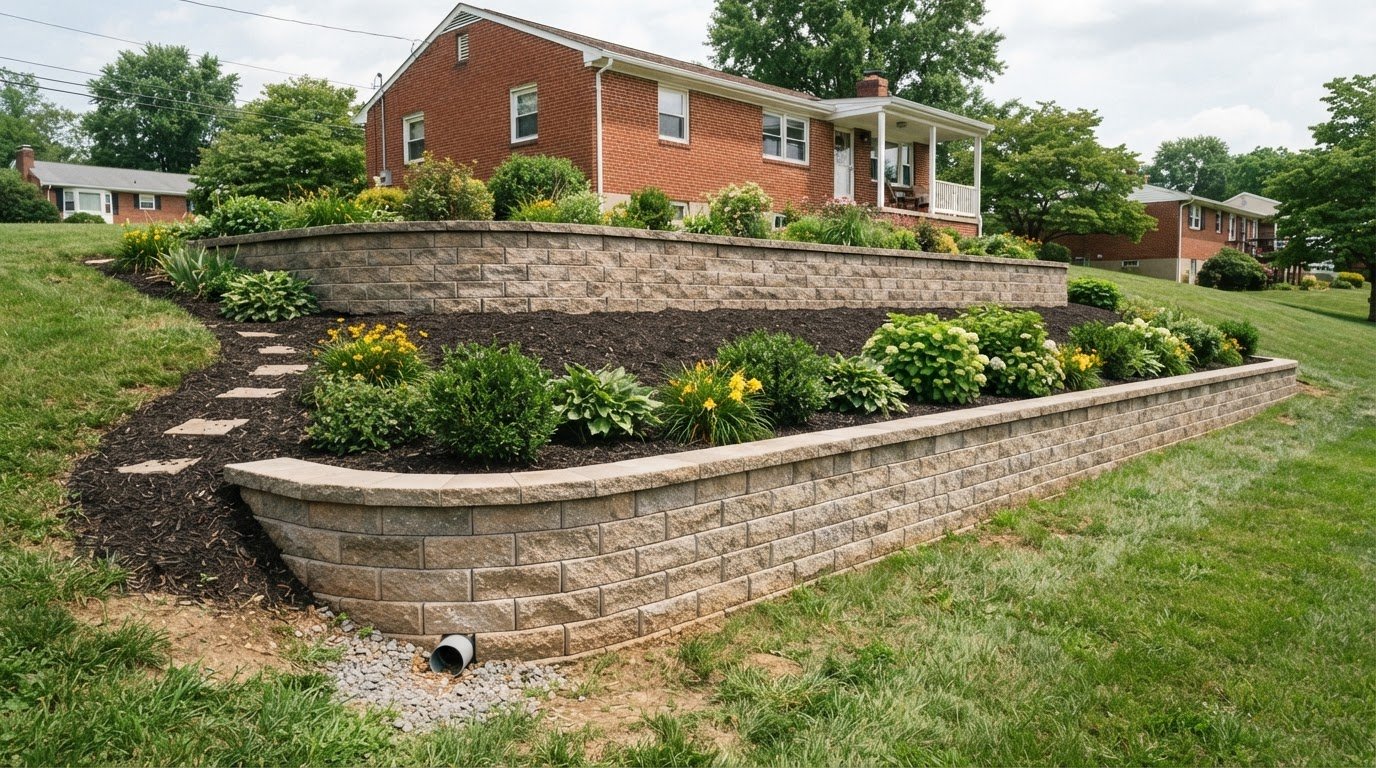
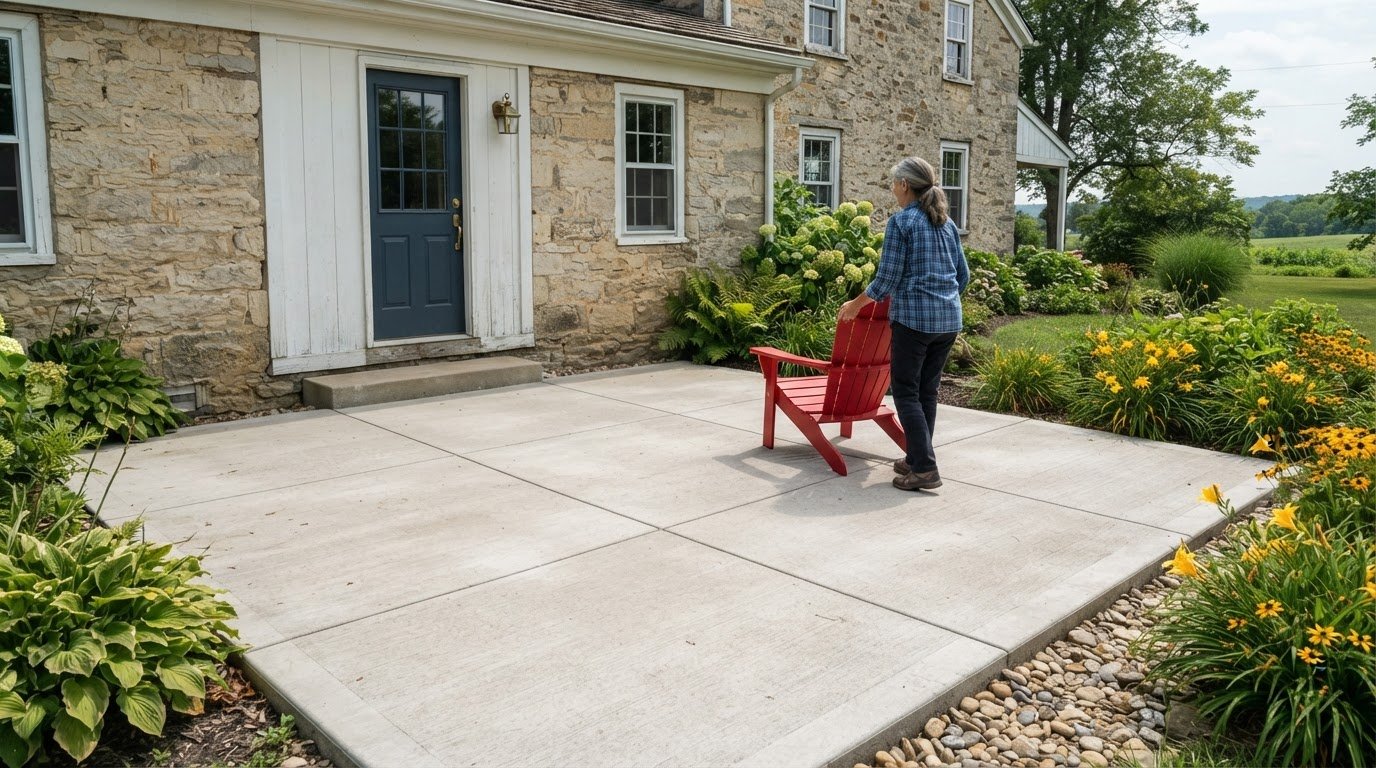
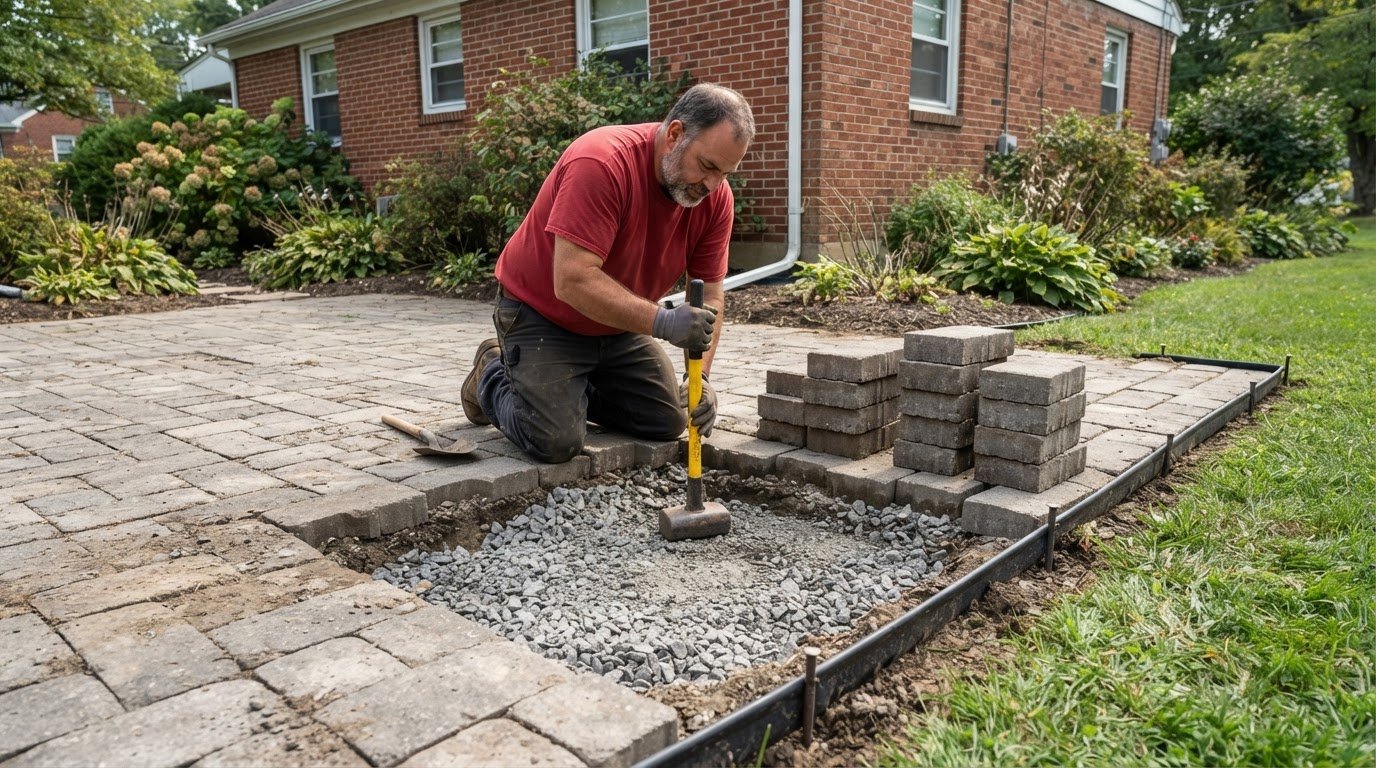
If a tree may pose a safety concern, describe its location and visible condition so the required work is clear. For routine trimming, identify branches interfering with a roof, walkway, or other part of the property. Snappy Landscaping also handles related outdoor projects, including custom patios and retaining walls, when your plans extend beyond tree work.
Contact Snappy Landscaping to discuss tree trimming or removal for your property.
Plan Your Next Step for a Well-Maintained Property
Turn your tree concerns into a practical property plan. Decide which issue needs attention first, what work can be scheduled, and whether other yard projects affect access or timing. A tree care company in Columbia, PA can help connect the requested work to your property’s condition and use.
Keep the broader yard in view as plans take shape. Snappy Landscaping also offers Lawn Mowing & Maintenance, Custom Patio Installation, and Retaining Wall Construction. Coordinating these projects can help you plan a usable, orderly outdoor space without treating each property need as unrelated.
Share the tree concern and the outcome you want, such as clearer access or room for a future landscape project. Contact Snappy Landscaping to discuss your property’s next step. A clear plan can make outdoor maintenance easier to manage.
Frequently Asked Questions
When is the best time to prune a tree?
Late winter or early spring is a typical pruning window, while trees are dormant and before blooms appear. The best timing depends on the tree type, so the same calendar window may not suit every tree. If your yard has several species, plan the work around each tree rather than treating the whole property as a single pruning job.
Why are tree inspections important?
Tree inspections can reveal safety concerns before they become a more difficult property problem. They can identify instability associated with disease or insect damage, including risks from trees near homes, driveways, and walkways. An inspection can also help distinguish a single damaged branch from signs affecting more of the tree. Share visible changes, such as dead limbs or unusual decline, to focus the assessment.
What tree care companies serve Columbia, PA?
Snappy Landscaping serves Columbia, PA, and provides tree services throughout Lancaster County. We provide tree trimming, tree removal, shrub removal, overgrowth clearing, and storm cleanup services throughout Lancaster County. Listed service areas are Lancaster, PA; Mountville, PA; Columbia, PA; Landisville, PA; Manheim, PA; Mount Joy, PA; Lititz, PA; Ephrata, PA; East Petersburg, PA; Millersrow, PA; Elizabethtown, PA; Leola, PA; New Holland, PA; Willow Street, PA; Strasburg, PA; Quarryville, PA; Denver, PA; Hempfield, PA; East Hempfield, PA; West Hempfield, PA.
What are the best-rated tree care companies near Columbia, PA?
A rating alone doesn’t establish which service fits a particular tree or property. Snappy Landscaping provides tree trimming and removal in the Columbia and Lancaster County area. For a useful assessment, focus on whether the proposed work addresses the tree’s condition and your property’s needs. Clearing overgrowth, removing a damaged tree, and cleaning up storm debris are different jobs.
How much does tree removal cost in Columbia, PA?
Pricing varies based on the property’s requirements and the requested work, and Snappy Landscaping provides a free estimate. The scope may differ depending on whether you need a tree removed or storm debris cleared as well. Describe the tree’s condition, location, and the outcome you need. A clear project description helps define the proposed work before you decide how to proceed.
How can I compare tree care quotes and verify a company's credentials in Pennsylvania?
Compare written estimates by matching the tree, requested work, cleanup, and exclusions across each scope. Snappy Landscaping is licensed and insured, and its team is background-checked. The process is straightforward: submit a request, speak with the team, then receive a clear estimate with a recommended solution. For a Columbia property, include the tree’s location and whether you need trimming, removal, or storm cleanup.