
Landscape renovation services in Lancaster, PA, can incorporate sustainable choices such as native plants, which are often hardier and require less maintenance. A practical renovation also accounts for sunlight, drainage, soil conditions, and the space plants will need as they mature. These decisions help shape a landscape that works with its site rather than creating avoidable upkeep.
A tired yard often needs more than a quick refresh. Seasonal cleanup, pruning, edging, and mulch installation can restore order, while a custom patio, retaining wall, concrete walkway, or drainage solution can address larger layout and function problems. Scope, site conditions, materials, and design choices all affect the work, so start by setting clear priorities.
This guide explains what landscape renovation can involve, which factors shape a project estimate, and how to plan improvements for properties in Lancaster, Columbia, Mountville, and nearby Lancaster County communities. You’ll also find practical guidance on planting and seasonal maintenance to help choose upgrades that suit your property and remain manageable over time.
How much does landscaping cost in Lancaster County?
Landscaping costs depend on the work’s scope, site access, existing conditions, materials, and labor; project pricing is provided after a quote request. Routine upkeep, flower bed work, and drainage or grading changes involve different tasks, so the cost drivers vary by project.
Landscape Maintenance
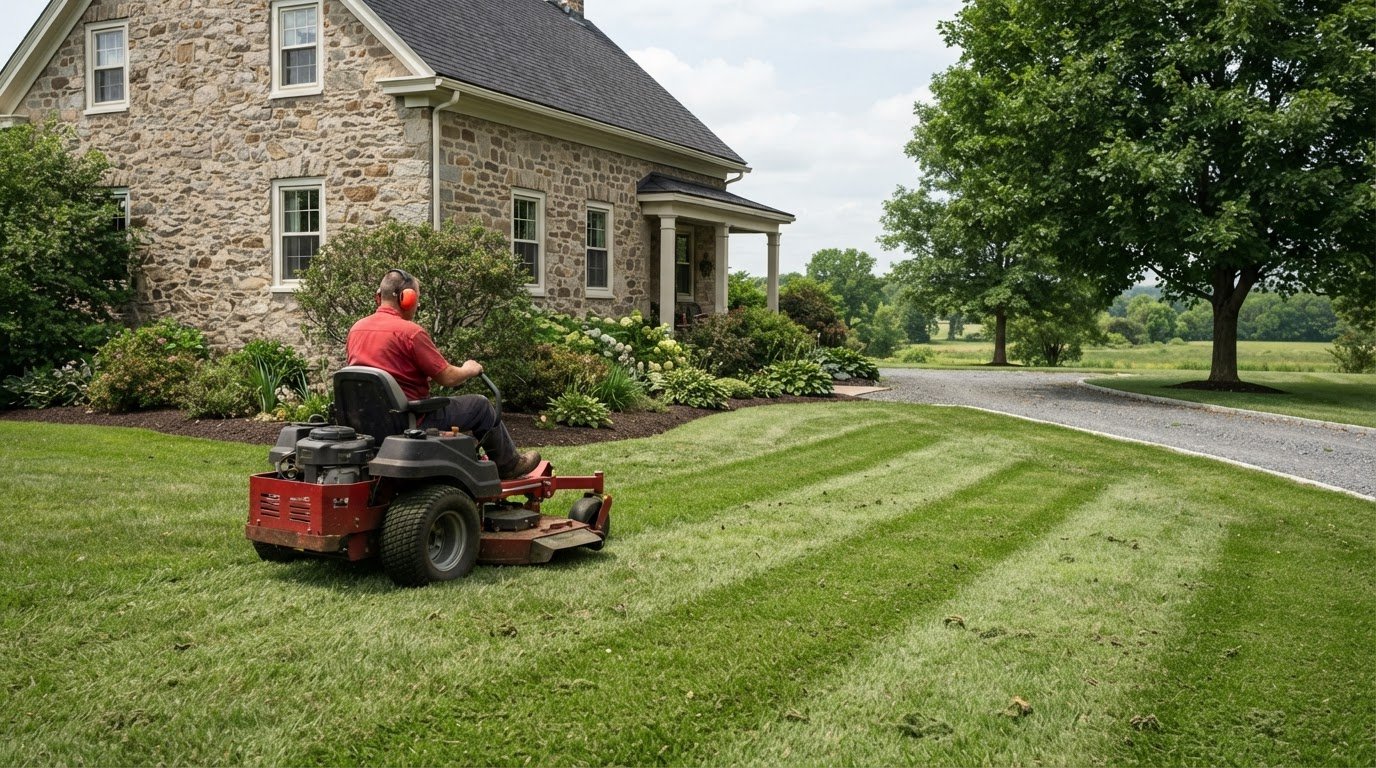
Landscape maintenance can include routine mowing, seasonal cleanups, pruning, debris removal, and mulch installation. For a useful estimate, identify which areas need attention and which tasks should recur, such as mowing the lawn while maintaining garden beds separately. Snappy Landscaping provides lawn care and maintenance for residential properties and HOAs in Lancaster County.
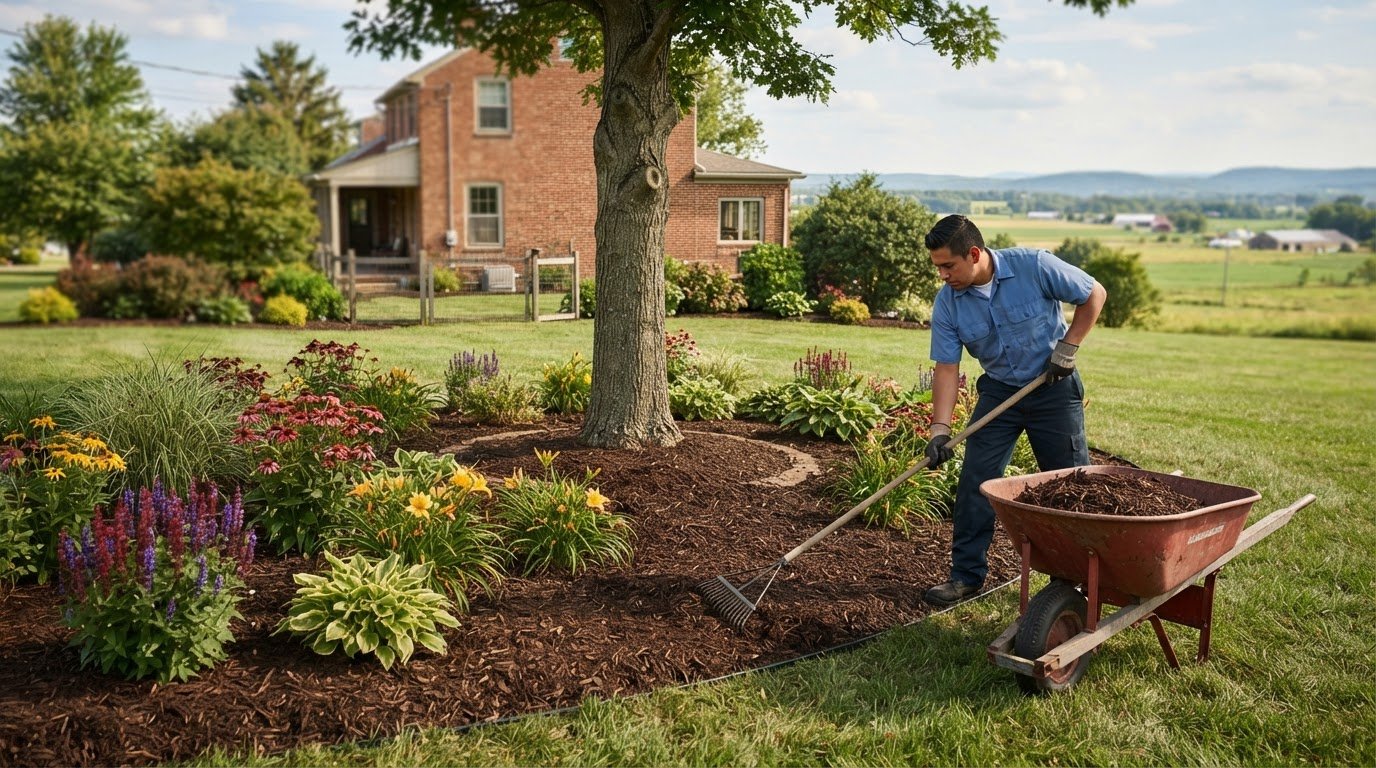
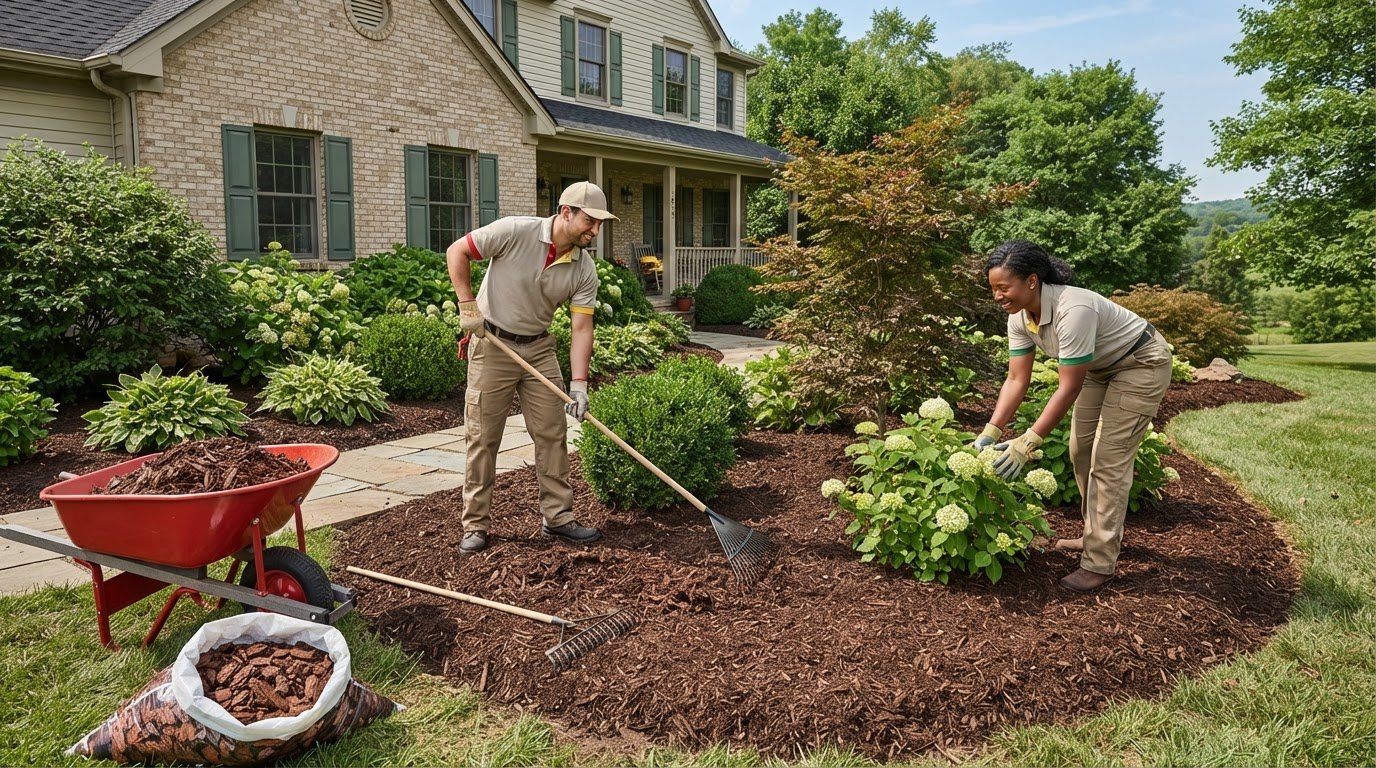
Flower bed maintenance starts with removing weeds and spent plant material, then checking whether the bed needs fresh mulch or reshaping. Address the whole bed, including its edges, rather than clearing only visible growth among flowers. In a garden with shrubs and perennials, pruning should preserve the plants’ form while removing damaged or overgrown branches.
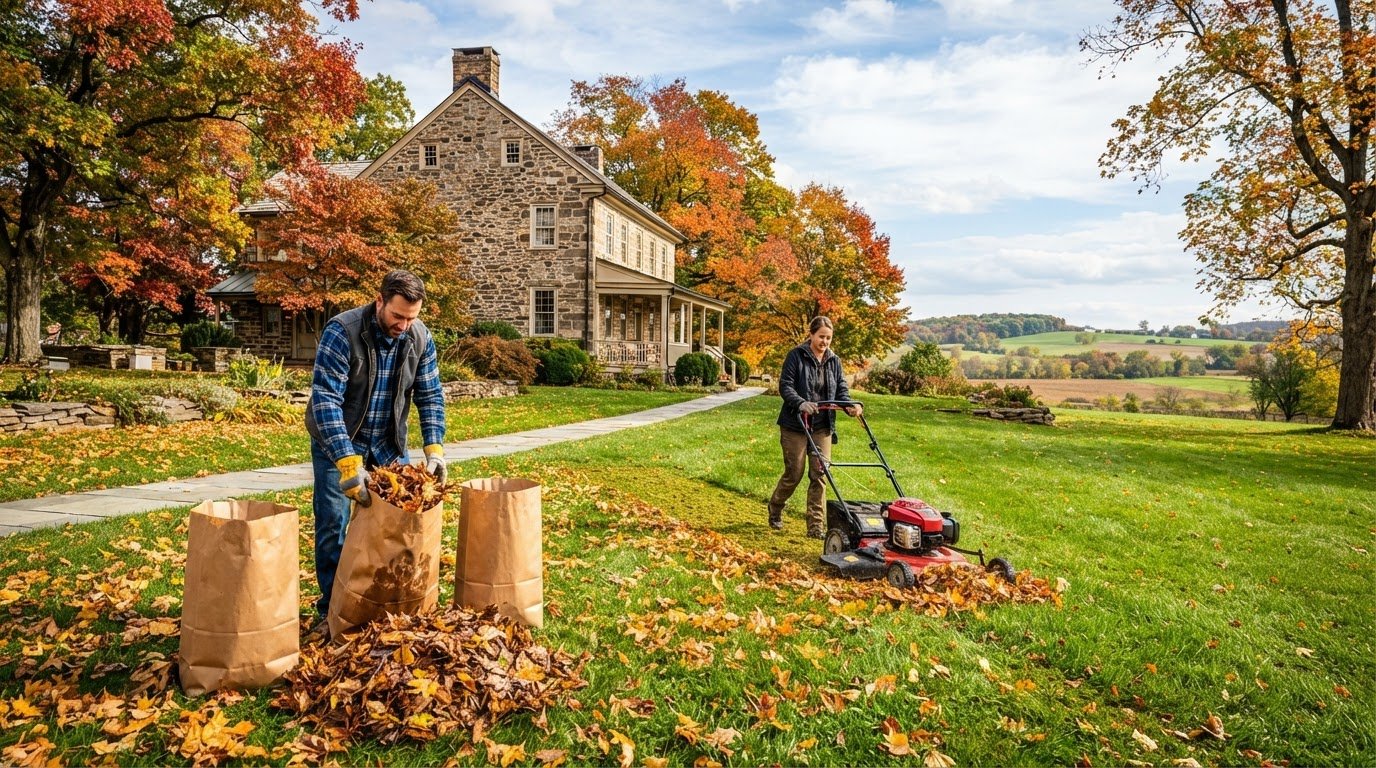
Seasonal cleanup also affects the work plan. Spring tasks can include clearing winter debris and defining bed edges; autumn work may focus on removing leaves and clearing fading growth. Landscape design influences maintenance needs: a layout with accessible beds and clear lawn borders takes a different routine than dense planting around narrow paths. For commercial properties and homeowners associations, commercial and HOA maintenance services can organize recurring outdoor upkeep.
Look at the specific tasks, not just the label “maintenance.” A useful scope identifies mowing areas, bed edges, pruning needs, mulch installation, and debris removal. That makes it easier to compare a one-time seasonal cleanup with ongoing lawn and landscape maintenance.
Permits and Site Conditions
Permit needs depend on the project scope and the property’s location. Landscaping, grading, retaining walls, and drainage work can raise different site and review considerations, so define the proposed work before construction begins. Key details include where soil will move, the wall’s height and extent, and where redirected water will flow.
For landscaping and construction work, licensing and insurance are distinct considerations. Snappy Landscaping is licensed & insured, and its team is background-checked. Define the tasks involved and review how the proposed work addresses your property’s specific needs.
Drainage planning begins by tracing water across the property during rainfall. Note where runoff collects, whether slopes carry soil toward paths or structures, and where downspouts discharge. Grading can redirect water, but a poorly placed outlet may move the problem elsewhere. Retaining walls also need a plan for water behind and around the structure.
Consider erosion and stormwater together. Bare soil on a slope can wash downhill, while compacted ground may shed water instead of absorbing it. Keep drainage paths clear, protect exposed soil during the work, and plan outlets that avoid concentrating runoff on neighboring areas. These checks help a landscape renovation address both appearance and site function.
Do you provide landscaping near Manheim and Lititz?
Snappy Landscaping serves Lancaster, Columbia, and Mountville, focusing exclusively on properties within these core service areas rather than extending out to towns like Manheim and Lititz. Planning starts by defining the property’s needs, the desired outdoor space, and the priorities before selecting materials or plants.
Consultations and Project Planning
A useful planning conversation turns your vision into a defined scope. Identify the problem first, such as an awkward walkway, a muddy lawn edge, or an underused outdoor space. Then set priorities: which areas need attention, what should remain, and what needs to function differently. Planning a landscape budget before purchasing materials or plants helps keep choices aligned with the project.
Site planning also considers the existing layout and how people use the property. A seating area should connect sensibly with the home and paths, while a garden should fit the available space. A project plan can distinguish essential work from optional updates, keeping decisions clear as the design develops.
The steps are straightforward: define goals, assess the site, develop the design and scope, select materials and plants, then schedule and complete the work. Each step gives the next one a practical foundation.
Project Management and Timing
Project coordination brings together the approved scope, work sequence, materials, and site access. A path or patio, for example, needs its layout established before installation; planting and final cleanup follow the site work. Clear sequencing helps prevent finished areas from being disturbed by later tasks.
Spring and fall can suit planting and seasonal site work, while hardscape timing depends on the project and working conditions. The best time for a Lancaster County renovation is the season that fits its main tasks. Planning ahead also helps coordinate material selection with the construction sequence.
For a property near Lancaster, Columbia, or Mountville, access, existing features, and the work area shape the project plan. A defined scope helps clarify what happens first, which areas remain usable, and when finishing details fit into the work.
Project Costs and Timelines
Project cost depends on the work involved, site conditions, selected materials, access, and the amount of preparation required. A refresh of an existing garden differs from a project that changes grades, adds walkways, or rebuilds multiple outdoor areas. Pricing depends on the individual project and is given after a quote request.
Timelines depend on similar factors. Site preparation, material choices, weather, and construction sequence affect how the work proceeds. A specific scope makes cost planning and scheduling more useful because it identifies the tasks, their order, and the areas involved.
Start with the outcome you want, then define the work that supports it. That gives a local renovation in Lancaster, Columbia, or Mountville a practical path from initial vision to a finished outdoor space.
Hardscaping, stonework, patios, and walkways
Hardscaping gives an outdoor space defined areas for walking, sitting, and managing changes in grade. The right layout connects these functions without crowding the lawn or garden.
Hardscaping and Stonework
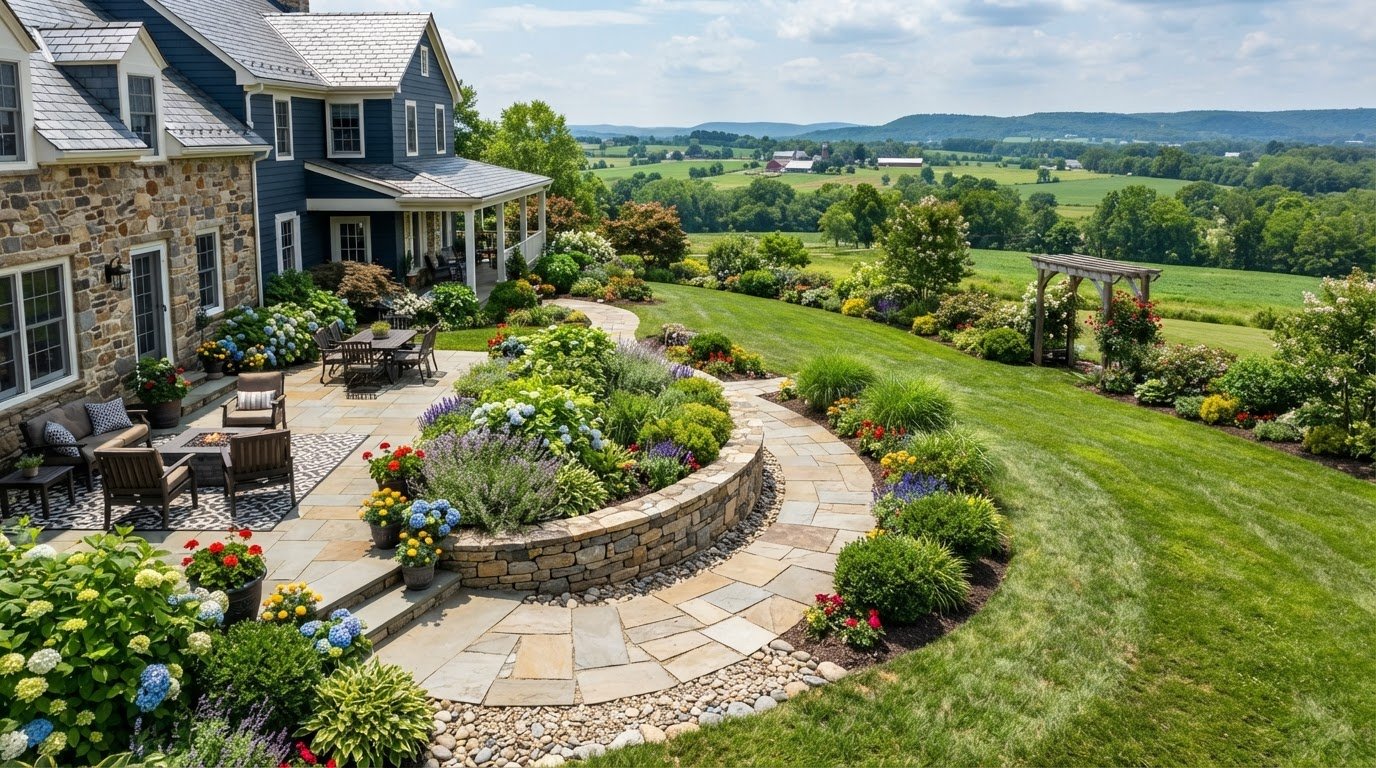
Hardscaping includes durable surfaces and structures, such as stone features, concrete walkways, patios, and retaining walls. Each element should fit its purpose: a path needs a clear route, while a wall helps define or support a change in level. Consider material, location, drainage, and how the feature meets nearby planting before settling on the design.
Stonework can bring texture and visual structure to an outdoor renovation. A stone border can separate a planting bed from a lawn, while a paved path can connect a patio to a garden entrance. Choose finishes that work with the home and nearby surfaces. A unified palette makes the result feel intentional rather than pieced together.
Patios, Fire Pits, and Retaining Walls
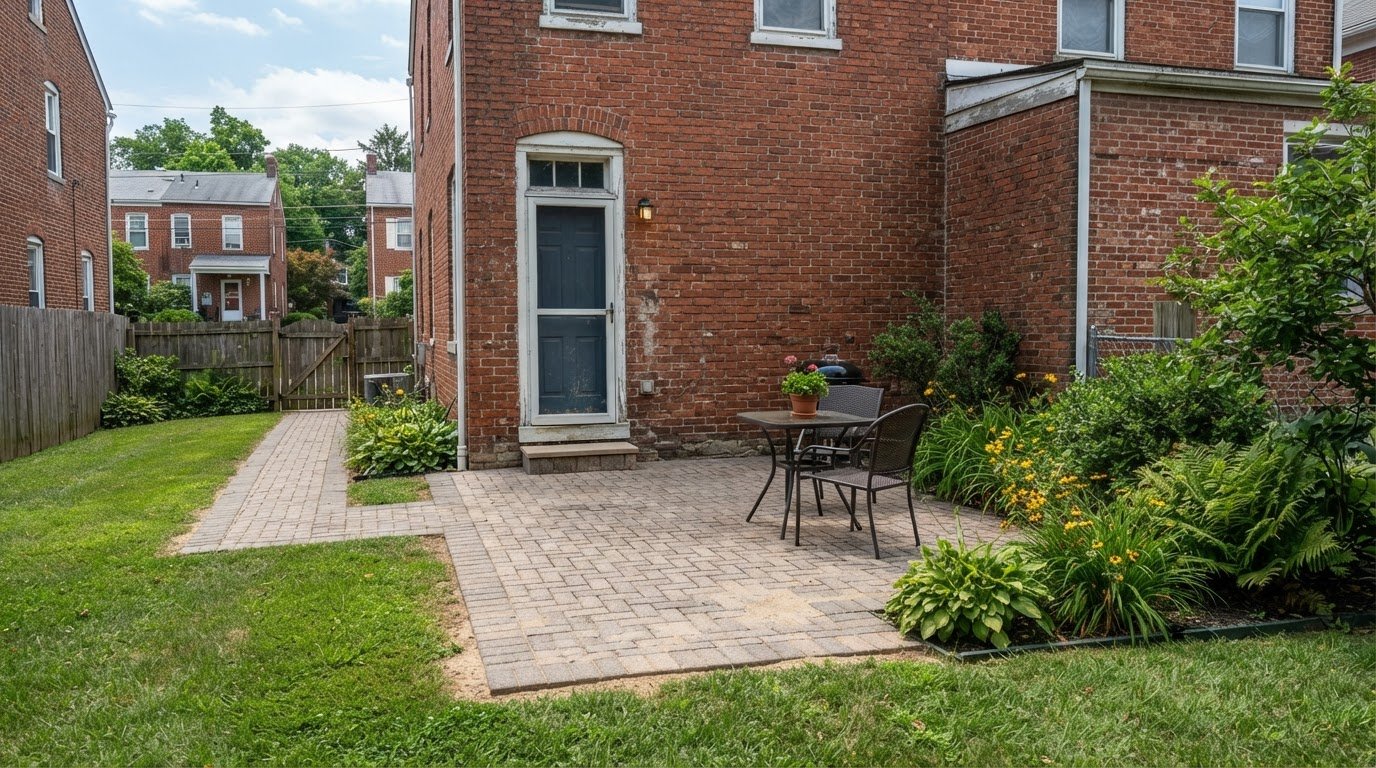
A patio creates a stable place for seating and outdoor use. Its placement should consider access from the home, nearby doors, and the route people will take across the yard. A fire pit can serve as a focal point within a seating area, but its position needs careful planning around circulation and surrounding materials.
Retaining walls can shape sloped areas and create clearer boundaries between a lawn, garden, and patio. Their layout should account for the grade and water movement around the site. A wall that works with the property’s drainage plan supports a more orderly space and helps prevent runoff from undermining adjacent areas.
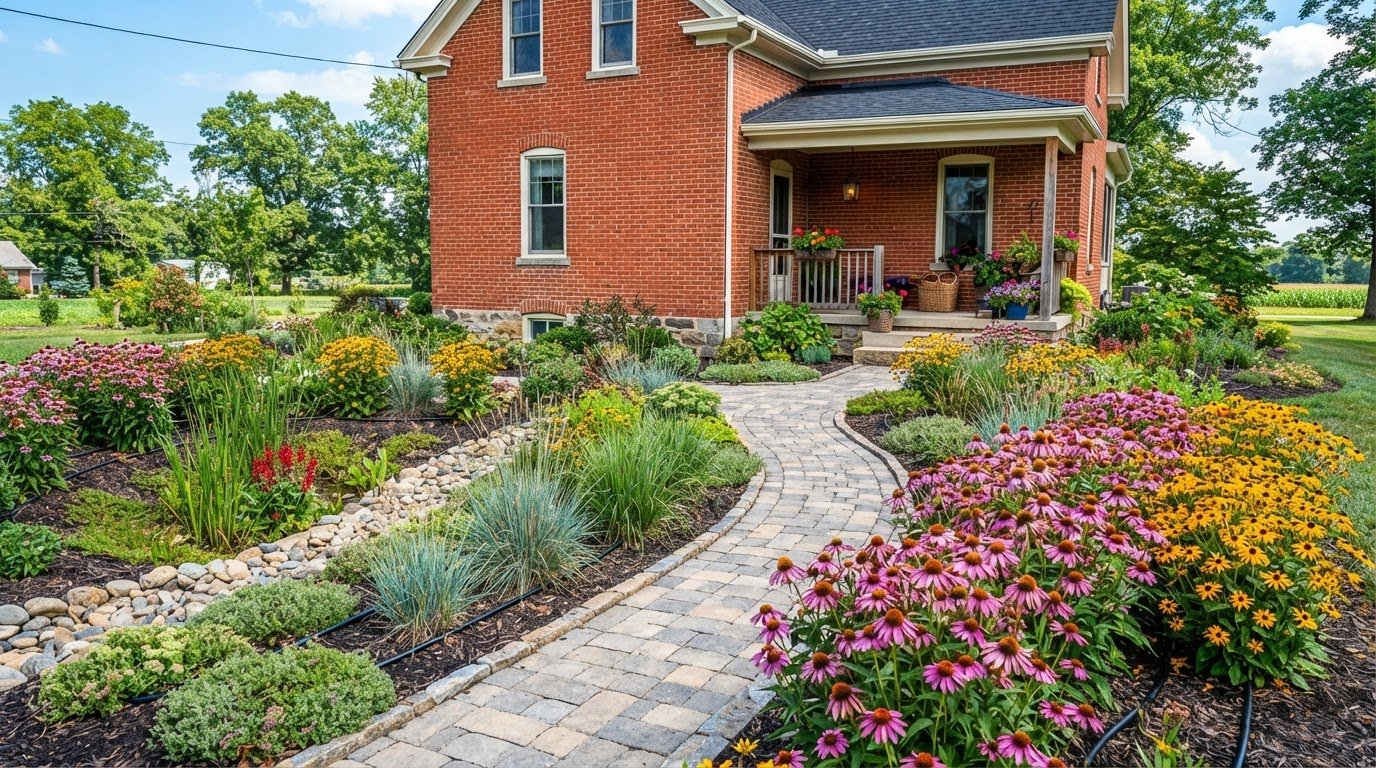
Plan the layout around everyday use before choosing finishes. A walkway should connect destinations directly, such as the driveway, patio, and garden gate. Curves can soften a route, while a straighter path may suit a compact yard. Leave enough room for people to pass and for maintenance around planted edges.
Link hardscape features to planting for a balanced result. Shrubs beside a retaining wall can soften its edge, while a garden bed can frame a patio without blocking the walking route. Healthy planting depends on space, light, and water, so leave room for mature growth instead of filling every gap at installation.
Scope also shapes project cost and sequence. Replacing a short walkway differs from building a patio and wall across a sloped section. Site preparation, material selection, access, and drainage needs all influence the work involved. A defined plan helps coordinate excavation, base preparation, installation, and final planting in a practical order.
For a beautiful, functional renovation, treat patios, walls, paths, and planting as connected parts of one design. A clear layout can improve movement, define useful outdoor zones, and make ongoing garden care easier.
How involved will I be in the landscape design process?
Your involvement starts with decisions about how you want the property to function. Share priorities such as a new flower bed, clearer paths, or less bare soil; the design process turns those choices into a practical installation plan.
For a new flower bed, planning begins with the site. The design considers sunlight, soil conditions, drainage, and existing topography. Plant choices should suit those conditions and the USDA hardiness zone, with room for mature growth. Native plants are worth considering because they’re generally hardier and need less maintenance. Grouping landscape elements in threes can also create a balanced arrangement.
Design involvement means making choices at key stages, not managing every installation task. You set priorities, review the proposed layout, and select features and planting that fit your property. Snappy Landscaping offers a Free one-on-one design consultation at the shop in Columbia, PA, with Hands-On Material Selection and Expert Guidance. The process connects your decisions to a practical installation plan.
In Lancaster County, choose plants based on site conditions rather than appearance alone. Map sunlight, assess soil pH and drainage, and note slopes before selecting plants. A sunny, well-drained bed calls for different choices than a shaded area that stays damp. Planning for mature plant size helps prevent overcrowding and maintenance problems.
Mulch installation and landscape touch-ups can finish a renovation or refresh an existing garden. Mulch helps define bed edges and creates a consistent surface around plantings. Identify which beds need mulch, where existing plants remain, and whether edges need reshaping. That keeps the finished work orderly without covering plants or spilling onto walkways.
Before starting a landscape renovation, clarify what the design includes, how site conditions affect plant choices, and how installation follows the approved plan. Ask how changes to the scope affect cost and schedule. Clear plans connect proposed work to specific areas, such as the front entry bed or side-yard walkway. Snappy Landscaping provides a free estimate for all projects.
Installation usually starts with preparing the area, then shaping beds and placing planned materials or structures. Planting and mulch follow in the order the site requires, with a final review of edges and transitions. Completing a walkway before adjacent planting, for example, helps define the border and protects the new bed during construction.
Stay involved in decisions that change the design, materials, or planting plan. That keeps the finished landscape aligned with your vision while giving the installation team a clear scope to follow.
What should I compare when choosing a landscape renovation contractor in Lancaster, PA
Compare the proposed work, site planning, project sequence, and cost factors, not broad service labels alone. Match the project’s needs to the stated scope. A walkway renovation, for example, calls for a plan covering its route, surface, and connection to nearby areas. Snappy Landscaping provides landscaping, lawn maintenance, and outdoor construction for properties in Lancaster County.
Start with the written scope. It should identify the areas involved, the tasks included, and the intended result. For a front-yard refresh, that might mean defining whether work covers planting beds, walkway edges, mulch, or cleanup. Clear boundaries help prevent different expectations about what “complete renovation” means and show how each task contributes to the finished landscape.
Next, consider how the plan responds to the property. A sound approach accounts for slopes, drainage patterns, existing plants, access, and how people use the yard. A path between the driveway and entrance should support direct movement without cutting awkwardly through a garden. If the property has runoff concerns, the plan should explain how grading and drainage fit the work.
- Scope: Identify each work area and task, such as walkway installation, planting, or cleanup.
- Design: Check that the layout reflects your priorities and existing site conditions.
- Sequence: Look for a logical order, such as completing surface work before adjacent planting.
- Materials: Compare the specified surfaces, plants, and finishes against the intended use.
- Cost basis: Review how preparation, access, materials, and project scope affect the estimate.
Then consider project coordination. A plan should show how preparation, installation, and finishing work connect. For a new concrete walkway beside a planting bed, establish the route and construction area before placing final bed edges and plants. That sequence helps keep completed landscape features from interfering with later tasks.
Cost comparisons are useful only when the scopes match. A proposal that includes site preparation and cleanup cannot be directly compared with one covering installation alone. Pricing varies based on property size, service frequency, and maintenance requirements; the work area, site access, materials, and preparation also shape a renovation estimate. Snappy Landscaping provides a free estimate for all projects.
Use these criteria to clarify the project before work begins. If a walkway or concrete surface is central to the renovation, include its route, intended use, materials, and connection to the rest of the yard in the same plan. That creates a practical basis for evaluating the proposed work and keeping the final landscape cohesive.
Snappy Landscaping: Landscaping Services
Snappy Landscaping helps Lancaster County property owners address worn lawn areas, uneven outdoor layouts, and drainage concerns through practical landscaping work. Turn to the team when routine lawn care is not enough, or when a project needs a clear plan for improved use and upkeep.
Services include Lawn Mowing & Maintenance for ongoing care, Custom Patio Installation for outdoor living space, Retaining Wall Construction for grade changes, and Drainage Solutions for water-management concerns. Each project can focus on the property’s specific needs, whether that means restoring order to the lawn or improving how the yard functions.
Share the areas you want to improve and the problems you need solved. Contact Snappy Landscaping for a free estimate and to discuss your landscape renovation.
Turn your landscape plan into a clear next step
A useful renovation starts with one decision: which outdoor problem should the project solve first? Choose the area that affects daily use most, such as a lawn that needs regular care, a patio that would create usable space, or a retaining wall that would better define a slope. Then consider how that improvement fits your long-term plans for the property.
Landscape renovation services in Lancaster, PA, can turn your priorities into a defined project. Snappy Landscaping offers Lawn Mowing & Maintenance, Custom Patio Installation, and Retaining Wall Construction. Share the area you want to improve and the result you want from it. A focused starting point makes it easier to discuss a practical scope for your property.
Contact Snappy Landscaping to discuss your landscape project. A well-planned next step can put your outdoor space on a clearer path forward.
Frequently Asked Questions
Do you incorporate sustainable or eco-friendly elements into your landscape designs?
Yes, landscape plans can include practical choices suited to the property, such as native plants. Select planting based on sunlight, soil, drainage, and mature size to help prevent overcrowding and excess upkeep. Native plants can bring variety to a garden bed while keeping access clear around paths. Mulch installation and seasonal cleanup can also help maintain an orderly landscape.
What types of landscape design services do you offer?
Design work can address planting, mulch, seasonal cleanup, patios, retaining walls, concrete pads, walkways, and drainage. Snappy Landscaping offers a Free one-on-one design consultation at the shop in Columbia, PA, with Hands-On Material Selection and Expert Guidance. These discussions connect your preferred materials and layout to the property’s intended use, such as planning a patio that fits your outdoor routine.
What landscape renovation services are available in Lancaster, PA?
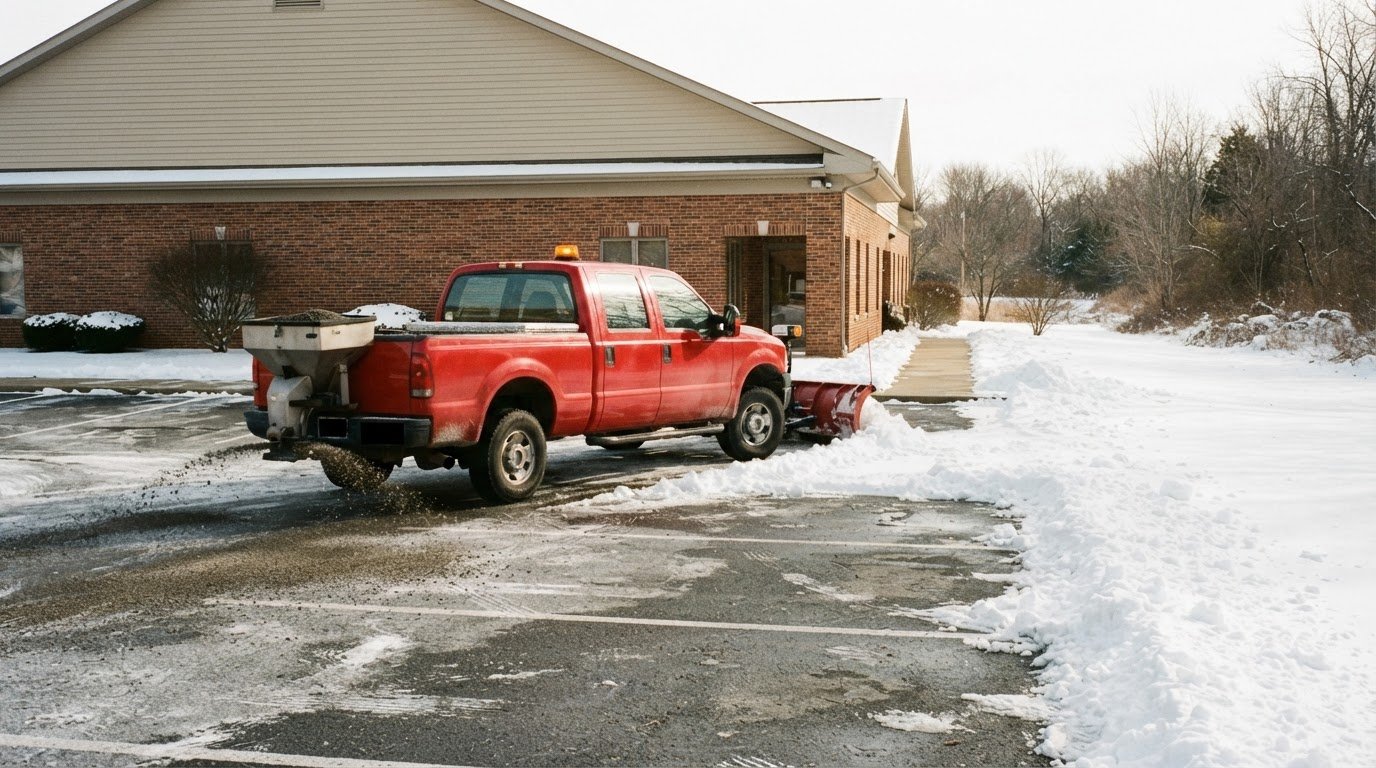
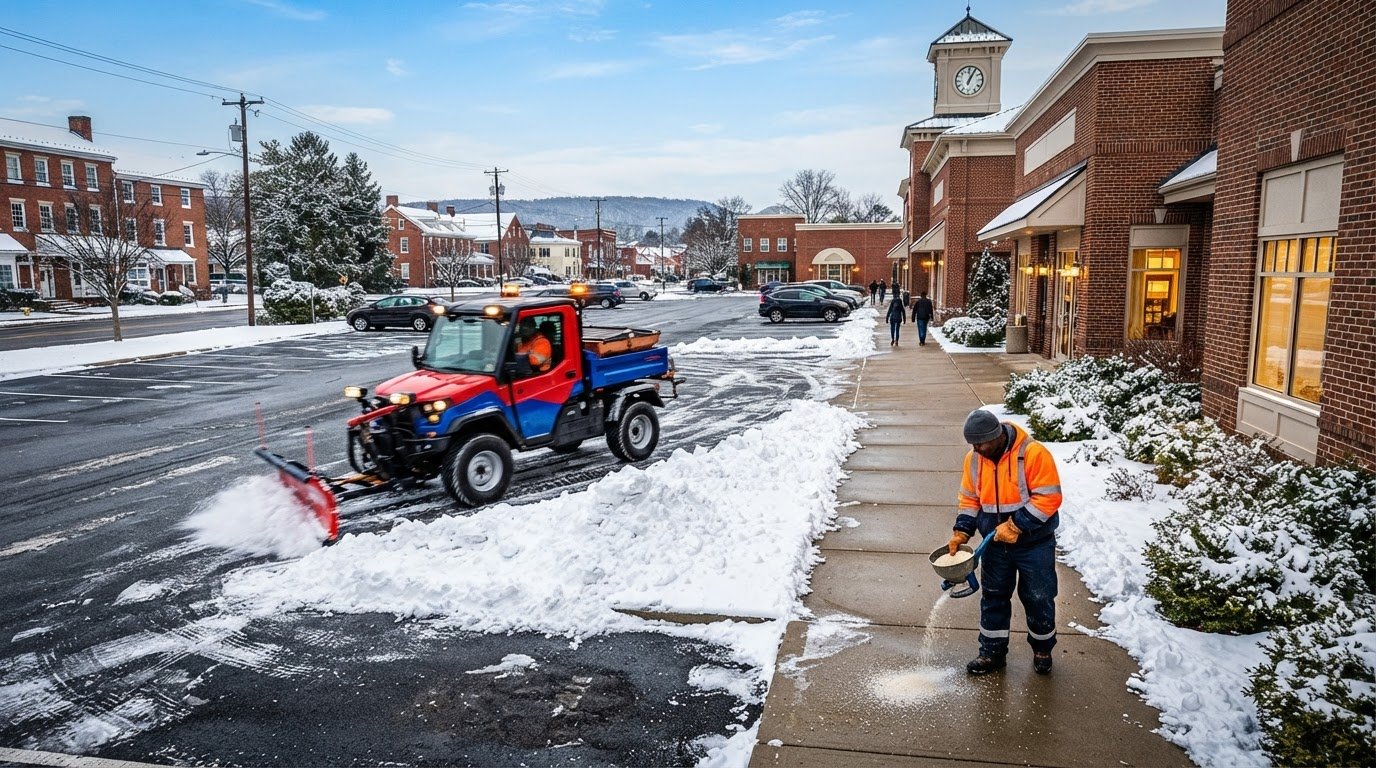
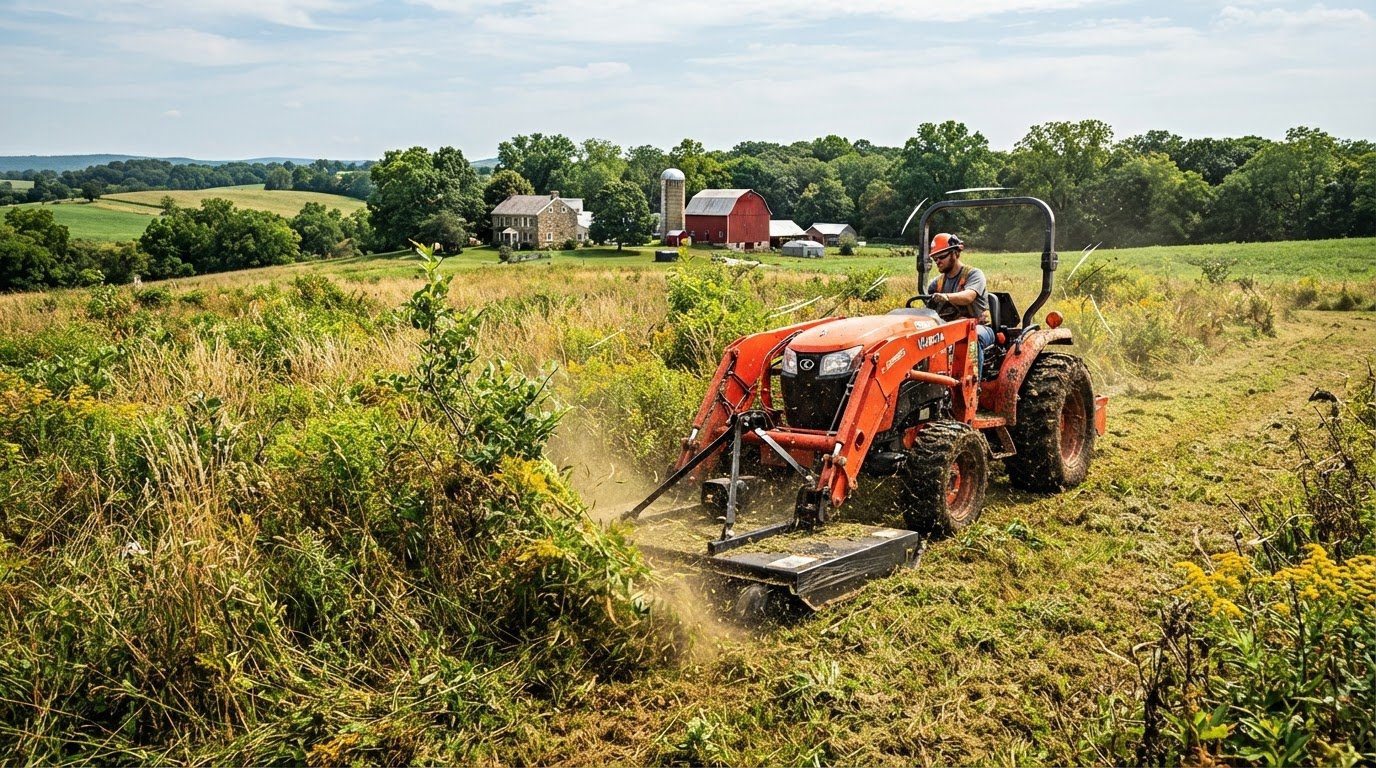
Landscape renovation services in Lancaster, PA, can include landscaping, lawn mowing and maintenance, mulch installation, brush clearing, tree trimming and removal, custom patios, retaining walls, concrete pads and walkways, and drainage solutions. Commercial Landscaping, HOA Lawn Maintenance, and Commercial Snow & Ice Removal are also available. Snappy Landscaping can scope the work around your property’s needs, from a maintenance update to a hardscape improvement.
Which landscaping contractors serve Lancaster County, PA, and how are they rated?
Snappy Landscaping serves Lancaster, PA; Mountville, PA; Columbia, PA; Landisville, PA; Manheim, PA; Mount Joy, PA; Lititz, PA; Ephrata, PA; East Petersburg, PA; Millersrow, PA; Elizabethtown, PA; Leola, PA; New Holland, PA; Willow Street, PA; Strasburg, PA; Quarryville, PA; Denver, PA; Hempfield, PA; East Hempfield, PA; West Hempfield, PA. The company is licensed & insured, and the team is background-checked. Ratings vary by review platform.
What does landscape renovation cost in Lancaster, PA?
Pricing varies based on property size, service frequency, and maintenance requirements. For renovation work, scope, site preparation, access, materials, and selected tasks also shape the estimate. A planting refresh differs from a project that adds a patio or addresses drainage. Snappy Landscaping provides a free estimate for all projects, so the estimate can reflect the property and the specific work planned.
How much do common landscaping projects cost, such as patios, retaining walls, drainage, and planting?
Project costs depend on the site, selected materials, access, preparation, and scope. A patio on an open area involves different work from one combined with a retaining wall or drainage changes. Planting costs also reflect bed preparation and plant selection. Snappy Landscaping provides a free estimate for all projects, with pricing varying based on property size, service frequency, and maintenance requirements.