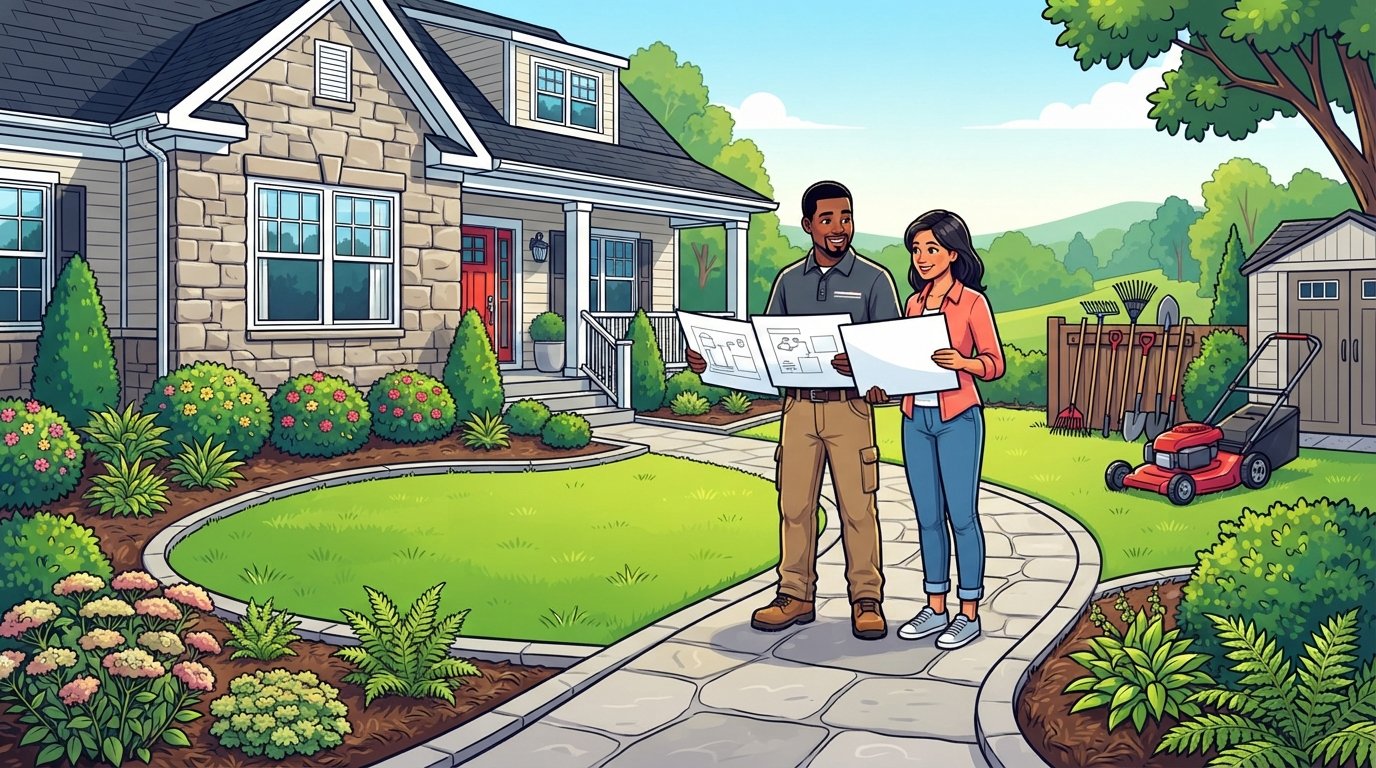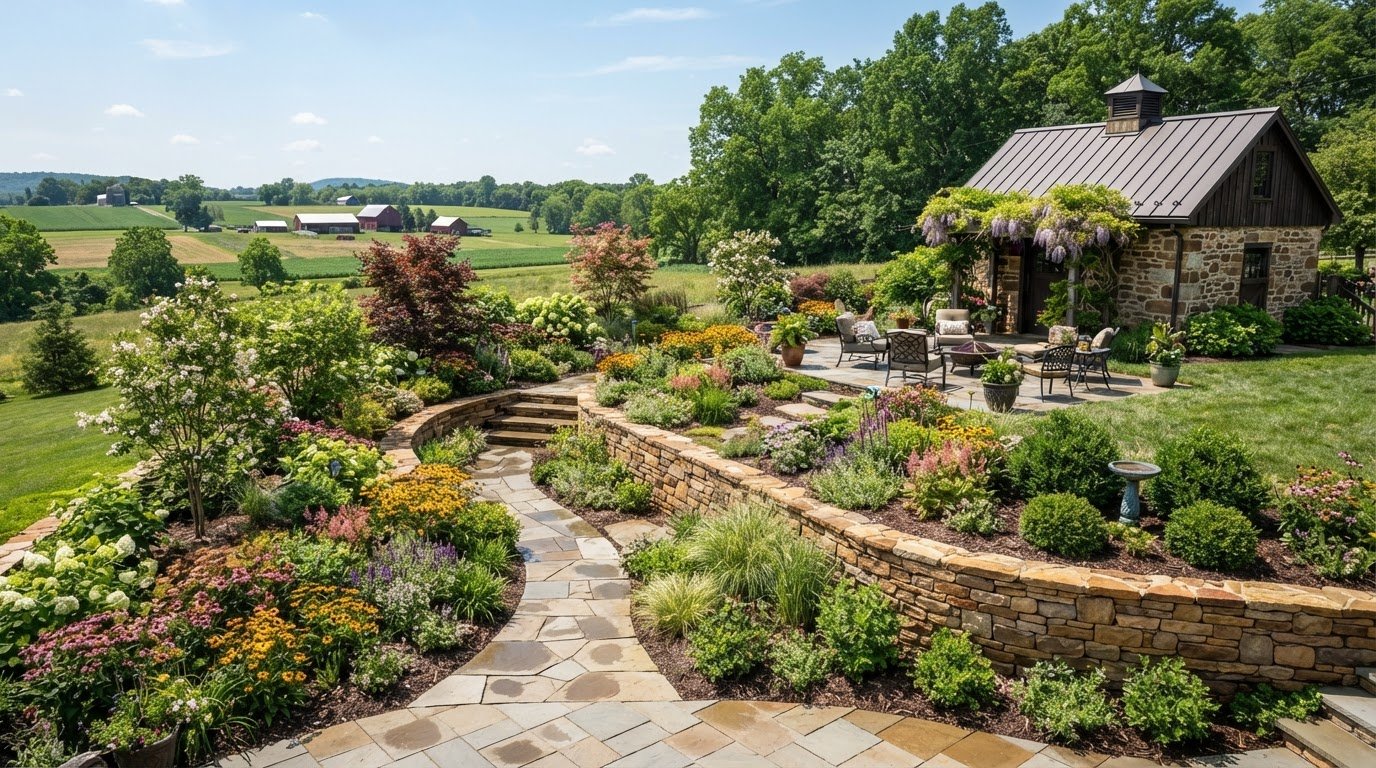

The first lawn visit doesn’t have to take over your day. For lawn maintenance services in Lancaster, PA, whether you need to be home depends on access and whether the crew needs your input about the work. Clear access and instructions can help the visit go smoothly if you’re away.
It’s reasonable to want dependable lawn maintenance services in Lancaster, PA, without wondering what’s included, how the schedule works, or whether your property will be treated with care. A clear service plan should fit your lawn and explain what to expect.
This guide outlines common maintenance tasks, how local service plans are organized, and what shapes the scope of work. You’ll also learn how to prepare your property for a visit and choose a practical approach for your home.
Commercial lawn mowing and grounds maintenance
In Lancaster, PA, lawn maintenance can include routine mowing, seasonal upkeep, mulch installation, brush clearing, and broader grounds care. Residential plans focus on a home’s lawn and landscape, while commercial and HOA plans can coordinate recurring care across shared or business properties.
Lawn Mowing and Routine Care
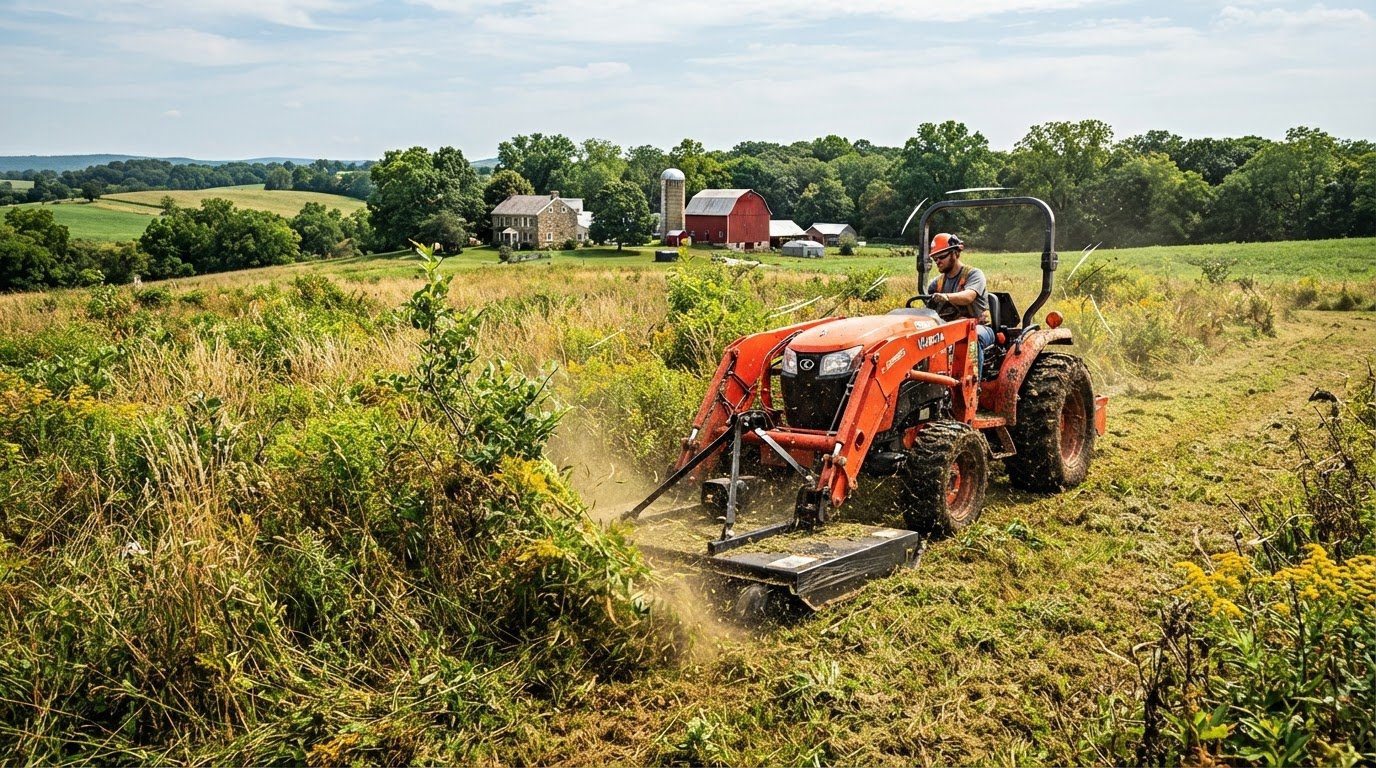
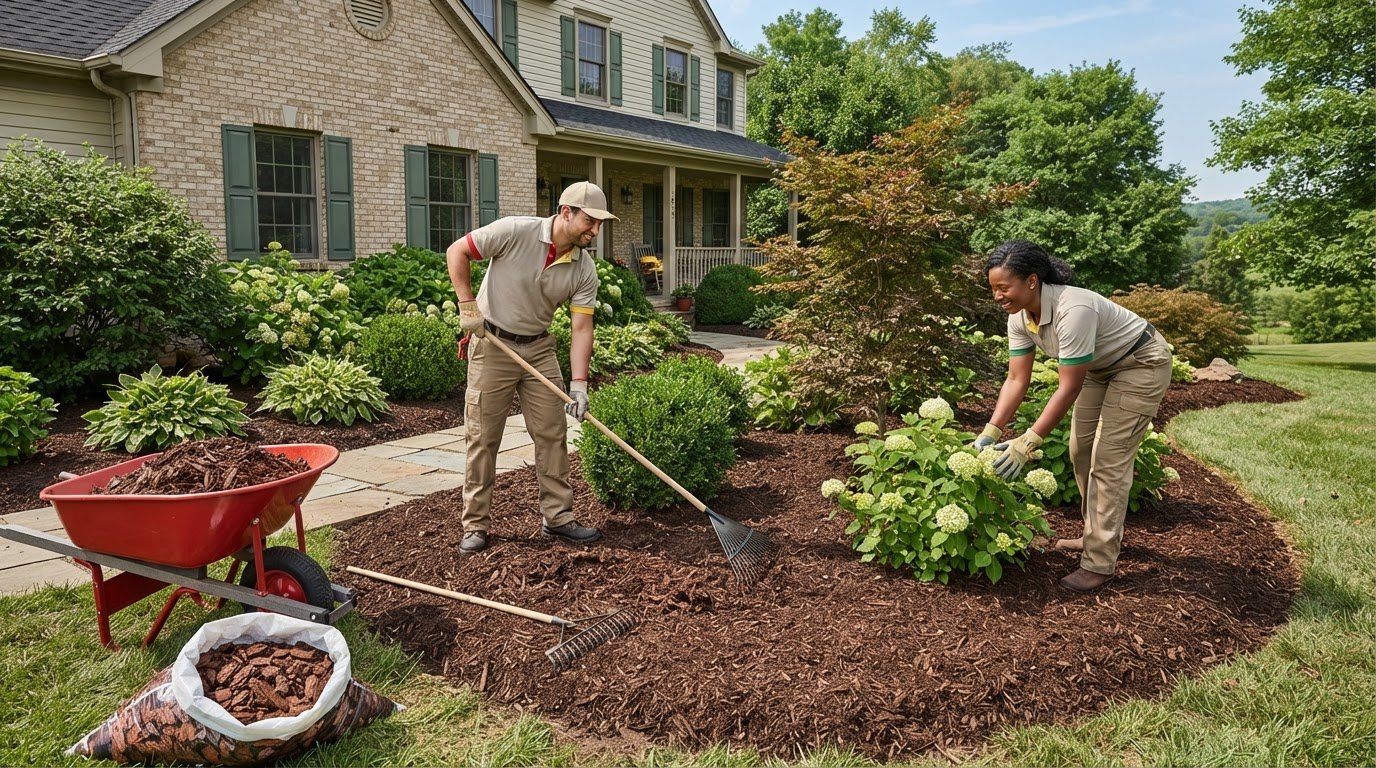
Mowing is the recurring task that keeps grass manageable across a residential yard or commercial site. Depending on the property, routine maintenance can also include mulch installation, brush clearing, and seasonal cleanup. Compare the tasks in the plan, not just the visit schedule. An open front lawn needs a different scope from grounds with planting beds and brush.
For a neat, consistent neighborhood appearance, define which areas need attention before service begins. Mark lawn boundaries, note obstacles, and identify sections to leave untouched. Clear instructions help the crew work consistently from visit to visit.
Mowing Prices and Scheduling
Scheduling determines how often the crew visits and which tasks fit each visit. Weekly, biweekly, or monthly mowing may suit different properties, depending on grass growth, how the grounds are used, and the appearance you want. Commercial grounds may need consistent coverage across several lawn areas; residential work can be planned around one home’s layout.
Lawn maintenance pricing varies based on property size, service frequency, and maintenance requirements. The lawn area, terrain, obstacles, selected tasks, and schedule all help define the scope. Set a routine around the property’s growing conditions, then adjust as needed. For example, a fast-growing section may need attention sooner than a shaded area.
Lawn Size and Mowing Prices
Size affects the amount of mowing required, but square footage alone doesn’t describe the whole job. A broad, open lawn is simpler to cover than the same area divided by trees, beds, walkways, or narrow access points. Slopes and scattered obstacles can also affect how the crew moves across the site.
Walk the property and identify each mowable section before discussing the service scope. Note gates, planting beds, and areas needing separate care. In a neighborhood with varied lot layouts, two lawns of similar size can require different schedules and effort. A clear description helps shape a plan around the actual grounds.
Seasonal Lawn-Care Timing
In Lancaster County, mow when active grass growth makes the lawn ready for a cut. Fertilize when the turf needs nutrients and conditions support growth. Aerate compacted soil, then overseed areas where grass coverage needs rebuilding. Timing depends on grass type, soil moisture, weather, and the lawn’s condition.
Use the lawn’s response to guide each task. For example, thin patches may call for overseeding, while compacted ground points toward aeration. Avoid treating every property on the same calendar: a sunny front lawn and a shaded back section can grow differently. A local overview of lawn care and maintenance can help frame the work around your property’s needs.
For commercial grounds, map lawn sections, shared spaces, and access routes before setting a recurring plan. This clarifies what mowing covers and where routine care fits. Revisit the schedule as growth and site conditions change, so each visit addresses current needs rather than following a fixed routine blindly.
Yard cleanup and maintenance recommendations
Plan cleanup around what collects outdoors, where it gathers, and how each season changes the yard. In Lancaster, leaf removal is reported for 10.0% of lawns, while cleanups reach 16.0% of yards.
Raking and Seasonal Debris Cleanup
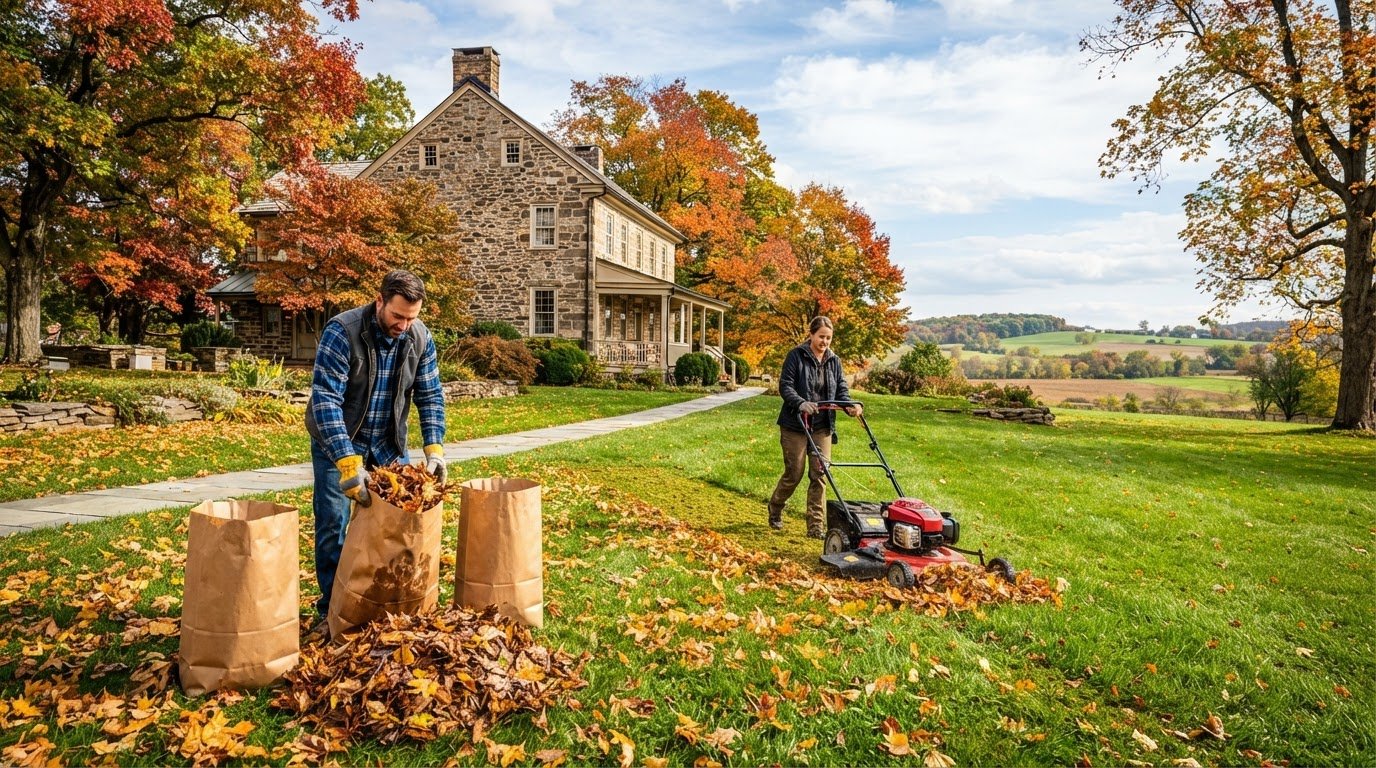
Start with areas where leaves and debris collect: lawn edges, planting beds, walkways, and fence lines. Rake leaves off the grass, then gather loose branches and other visible debris. In fall, repeat as leaves continue to drop; in spring, remove material left through winter. A thorough cleanup makes bare spots and overgrown edges easier to assess.
Choose the cleanup scope after walking the property. A yard under mature trees, for example, may need more leaf removal than an open lawn. After snow removal, look over paths and beds for scattered branches or debris. Focus on outdoor areas that affect access, lawn condition, and the property’s tidy appearance.
Power Bed Edging and Cleanup
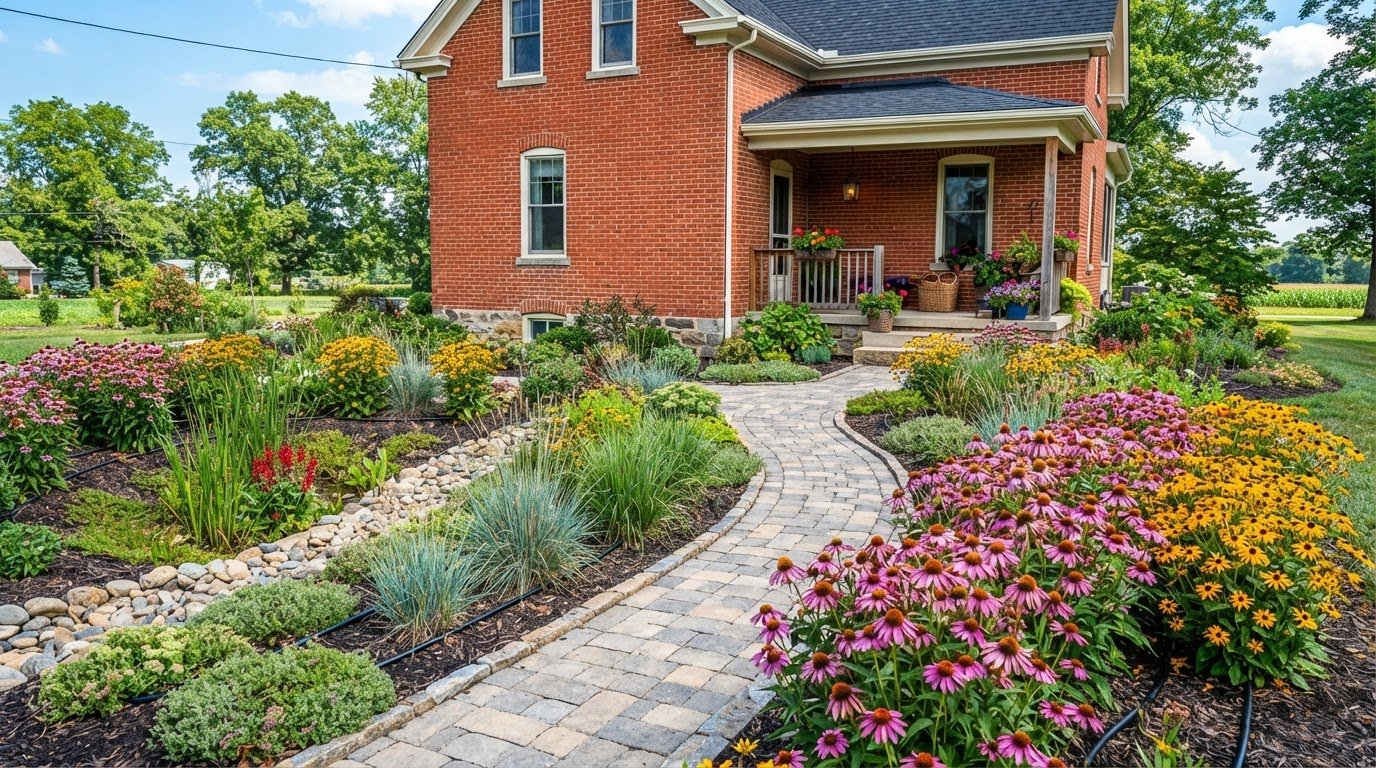
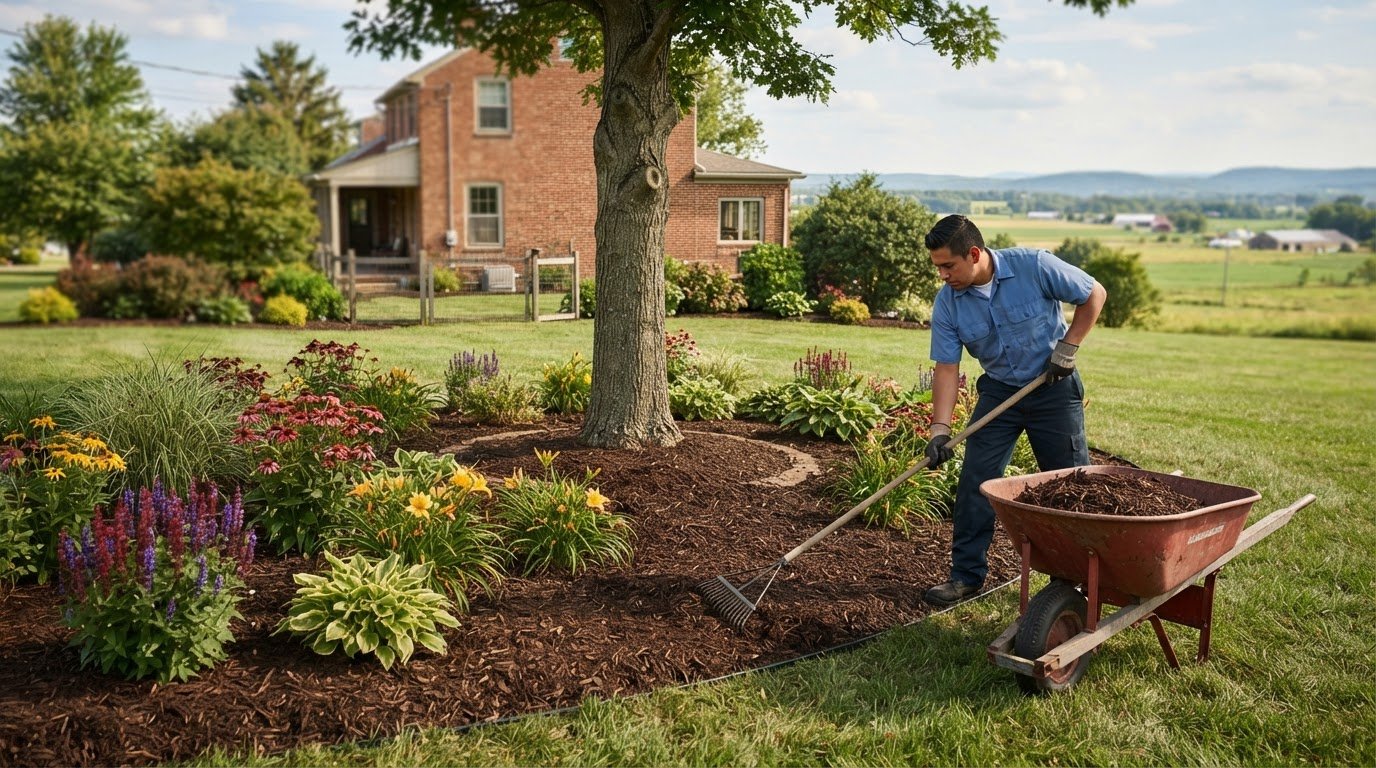
Power bed edging defines the boundary between lawn and planting beds. Before edging, identify the intended line and remove loose debris that could obscure it. Check where beds meet walkways, trees, or lawn corners. A clear edge helps separate turf from mulch and makes the transition easier to maintain.
Use the same bed outline during each seasonal cleanup. If grass has crept into a mulch bed, for instance, restore the edge before refreshing the bed surface. Review the full perimeter after the work, especially around curved beds and walkway corners. A final pass catches uneven sections and stray clippings.
Spring cleanup clears winter debris and reopens the edges of beds, paths, and lawn areas. Fall cleanup focuses on gathering leaves as they accumulate and clearing plant debris from the same spaces. The right scope depends on tree cover, bed layout, and how much material has collected. A thorough review helps prioritize areas that need attention first.
Use this simple walkthrough to organize each visit:
- Identify leaf piles, branches, and debris across the lawn.
- Mark planting-bed boundaries before edging begins.
- Clear walkways and inspect corners after cleanup.
- Recheck the yard as the season changes and new debris appears.
These steps turn scattered outdoor maintenance into a defined task list. A yard with leaf buildup may need raking first, while beds with blurred borders may benefit from edging. Match the cleanup to the property instead of treating every season or section the same. This keeps attention on visible needs and gives each area a clear finish.
This keeps each visit focused on visible needs while allowing adjustments as debris shifts. Compare the proposed scope with the areas identified during the walkthrough, and clarify which cleanup tasks are included when requesting an estimate. That helps align the work with the yard’s immediate priorities.
Local lawn-care specialists and service plans
A useful service plan starts with your property’s tasks, access points, and outdoor spaces. Separate routine lawn mowing from treatments such as fertilization, weed control, aeration, and overseeding.
Insurance and pesticide-applicator credentials are separate considerations when reviewing a proposed treatment plan. Ask what the plan covers and which treatments are included. Snappy Landscaping is licensed and insured, and its team is background-checked.
Lawn care plans vary. Some focus on mowing and cleanup, while others may offer treatments such as fertilization, weed control, aeration, or overseeding as distinct tasks. Don’t assume those treatments are included with routine mowing; review the written scope and identify each task separately.
Lancaster-Area Service Coverage
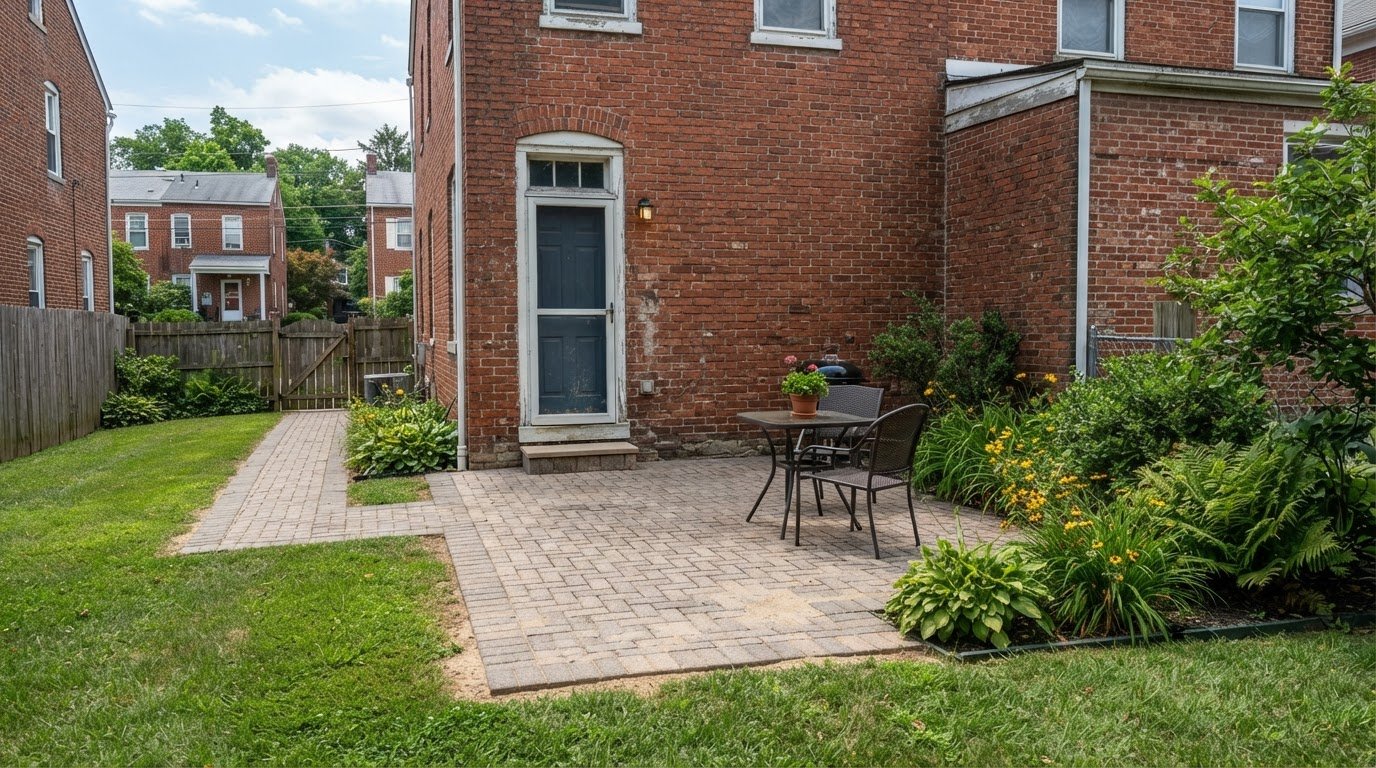
Service coverage depends on the provider’s operating area and the property’s location. Describe your address, lawn sections, and access conditions when arranging care services. A home near Lancaster city with a fenced backyard may need different access planning from an open commercial space outside town.
Clarify which outdoor areas the plan covers, too. List front and back lawns, shared spaces, planting beds, and any separate areas needing cleanup. This helps prevent a gap between the work you expect and the spaces included in the recurring plan.
Local Providers and Reviews
Use reviews to compare specific experiences, not just overall impressions. Look for comments about mowing consistency, communication, cleanup, and whether completed work matched the service description. A review mentioning a missed section or unclear schedule can highlight details to clarify in your own plan.
Compare service scopes and processes. Check whether a described visit covers mowing alone or also includes debris removal. Look for recurring themes in recent feedback, then compare those details with the tasks your property needs.
Preparing for a Lawn-Care Visit
Before the first visit, clear toys, hoses, and movable items from the lawn. Unlock gates, identify areas for the crew to avoid, and point out obstacles such as low branches or uneven ground. These steps make access clearer and reduce interruptions during mowing or cleanup.
Share a concise property note with the service team. Include the preferred gate, areas needing attention, and any requested treatment. For example, mark a section for overseeding separately from the regular mowing area. Clear instructions help the crew follow the plan on each visit.
For product-based treatments, review the product information and proposed application separately. EPA registration relates to the lawn-care product; it doesn’t establish whether a provider carries insurance or holds applicable applicator credentials. Keep those distinctions clear when discussing fertilization or weed control.
Before service begins, organize your needs into three groups: recurring mowing, seasonal cleanup, and optional lawn treatments. This simple list helps define the work, schedule, and property access in practical terms.
One customer says they used Shaun's services three times for landscaping maintenance and new flower beds, offering a specific account of repeat work.
Service guarantee and property protection
A service guarantee should describe the work covered, the remedy, and any limits. Review those terms alongside the estimate before scheduling. For example, distinguish a missed mowing area from damage to a garden edge. These are separate issues, and clear wording helps explain how each would be handled.
Protecting the property starts with a clear site plan. Before work begins, identify fragile plants, low-voltage lighting, irrigation heads, uneven ground, and narrow access points. Mark anything hidden by grass or leaves. The crew can use these details to plan equipment routes instead of treating every section as open lawn.
Walk the property before the first visit and note existing conditions. Photograph a cracked walkway, leaning border, or bare spring patch. This gives you a dated reference if the area changes after mowing, cleanup, or removal work. Keep the estimate with your notes so the listed tasks and site conditions are easy to compare.
Review the estimate line by line. Confirm which spaces are included, what cleanup covers, and whether debris removal is part of the stated work. A lawn visit may cover mowing, while a separate landscaping task may involve beds or trees. The written scope should make those differences clear rather than leaving you to infer them from a general service description.
Preparation also helps protect the property. Move toys, hoses, and lightweight furniture out of the work area. Close gates and point out pet areas or delicate plantings. If a walkway borders the lawn, show where the edge changes or equipment should not pass. These practical steps reduce avoidable contact with items the crew might not see.
Use this review before approving a service plan:
- Match each task to a named lawn, bed, path, or tree area.
- Check whether the estimate includes hauling or removal of debris.
- Read the guarantee terms for covered work and stated remedies.
- Record visible damage or sensitive areas before the first visit.
- Keep a copy of the approved scope for later comparisons.
After the first visit, compare completed work with the estimate. Check the same walkway edges, garden borders, and lawn sections you documented earlier. If a task differs from the written scope, describe the location and work involved. Specific notes, such as “debris remains beside the rear gate,” are more useful than a broad complaint.
Clear expectations protect both the property and the working relationship. A defined estimate, visible site notes, and clear written terms give you concrete points to review. Use them to distinguish routine maintenance from extra removal or repair work, especially when spring growth makes property changes harder to spot.
Commercial lawn services
Commercial grounds have different demands from a single residential lawn. A business entrance, shared courtyard, and roadside strip each need clear maintenance priorities. Start by mapping the property into work zones, then list the tasks each space needs. This gives managers a practical way to discuss the scope and review completed work.
A quality lawn supports a clean, orderly appearance, but commercial upkeep extends beyond grass. A site plan can include mowing areas, bed edges, debris removal, and trimming around walkways. A retail property may need tidy entrances and unobstructed paths, while an office campus may need consistent care across lawns and planting beds. Define these differences upfront.
Build the plan around how people use each area. Mark entrances, sidewalks, parking edges, signs, and loading zones. Identify places where equipment should avoid parked vehicles or pedestrian routes. Then set a clear order of work, such as completing the entrance before moving to less visible lawn sections. These details reduce confusion during recurring visits.
Commercial maintenance also benefits from a simple inspection routine. After a visit, review the same locations each time:
- Check lawn edges beside sidewalks and parking areas.
- Look for clippings or debris near doors and walkways.
- Review trimming around signs, trees, and planting beds.
- Note any areas that need follow-up before the next visit.
A consistent review helps property managers spot missed work without relying on vague impressions. Record the location and task, such as “trim growth around the west entrance sign.” Specific notes create a useful record of what was completed and what remains.
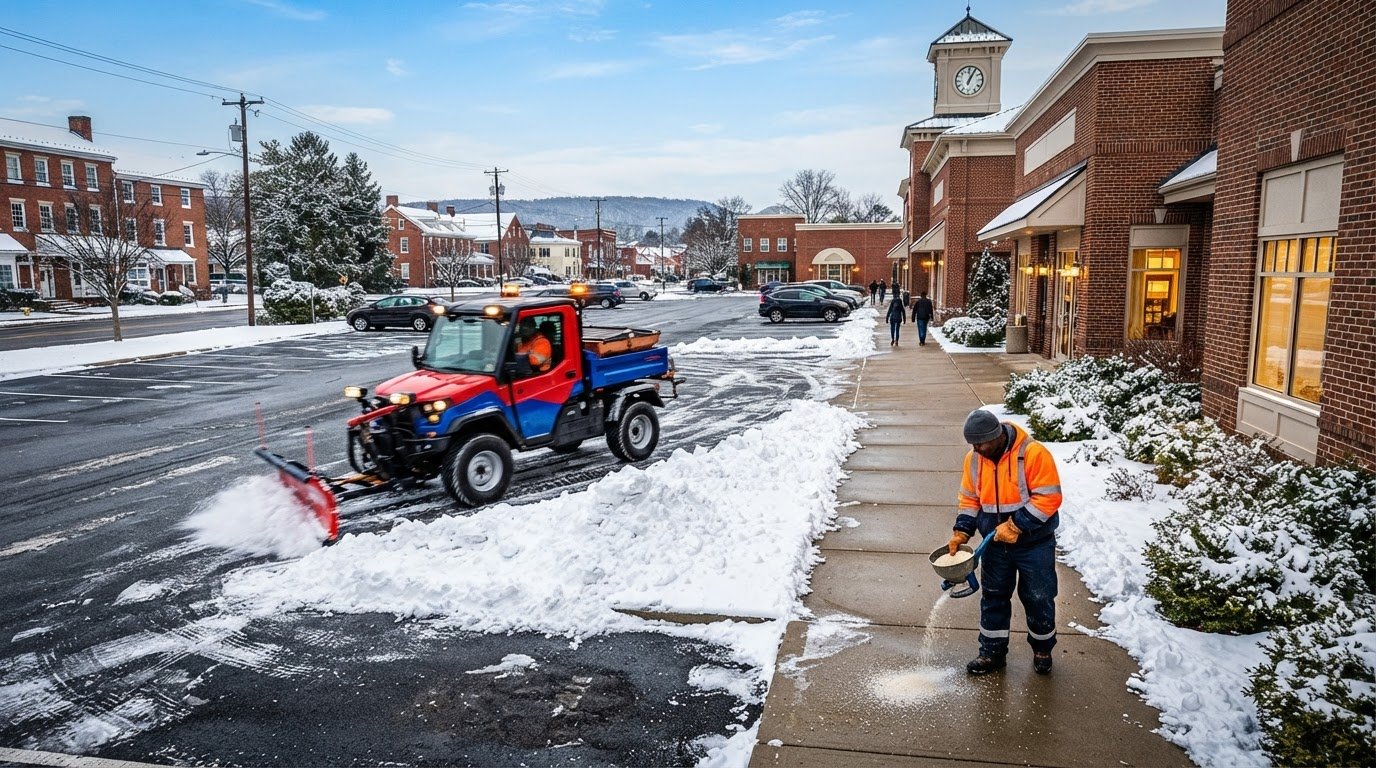
Seasonal changes can shift priorities across a commercial site. Spring growth may call for renewed attention to edges and beds; fallen branches may need removal after storms. Snow and ice work also affects access routes, so define how walkways and entrances fit into the broader property plan. Keep each responsibility clear rather than assuming lawn service covers every outdoor task.
For a landscaping company, clear scope and communication matter as much as the visible result. Before approving an estimate, match each task to a named area and note how completion will be reviewed. If the estimate states a guarantee, confirm the work it covers and the remedy it provides. This gives managers concrete terms to assess instead of relying on general assurances.
For homeowners comparing lawn maintenance services in Lancaster, PA, the commercial approach offers a useful lesson: organize the property by zones, define tasks, and review outcomes consistently. That process can reduce the stress of managing shared or business grounds. Discuss commercial grounds maintenance when a site needs a defined care plan.
Snappy Landscaping: Lawn Mowing & Maintenance
Snappy Landscaping provides lawn mowing and maintenance for homeowners who want a defined routine for their property. Turn to the team when recurring mowing or general lawn upkeep becomes difficult to manage alongside seasonal cleanup and other outdoor projects.
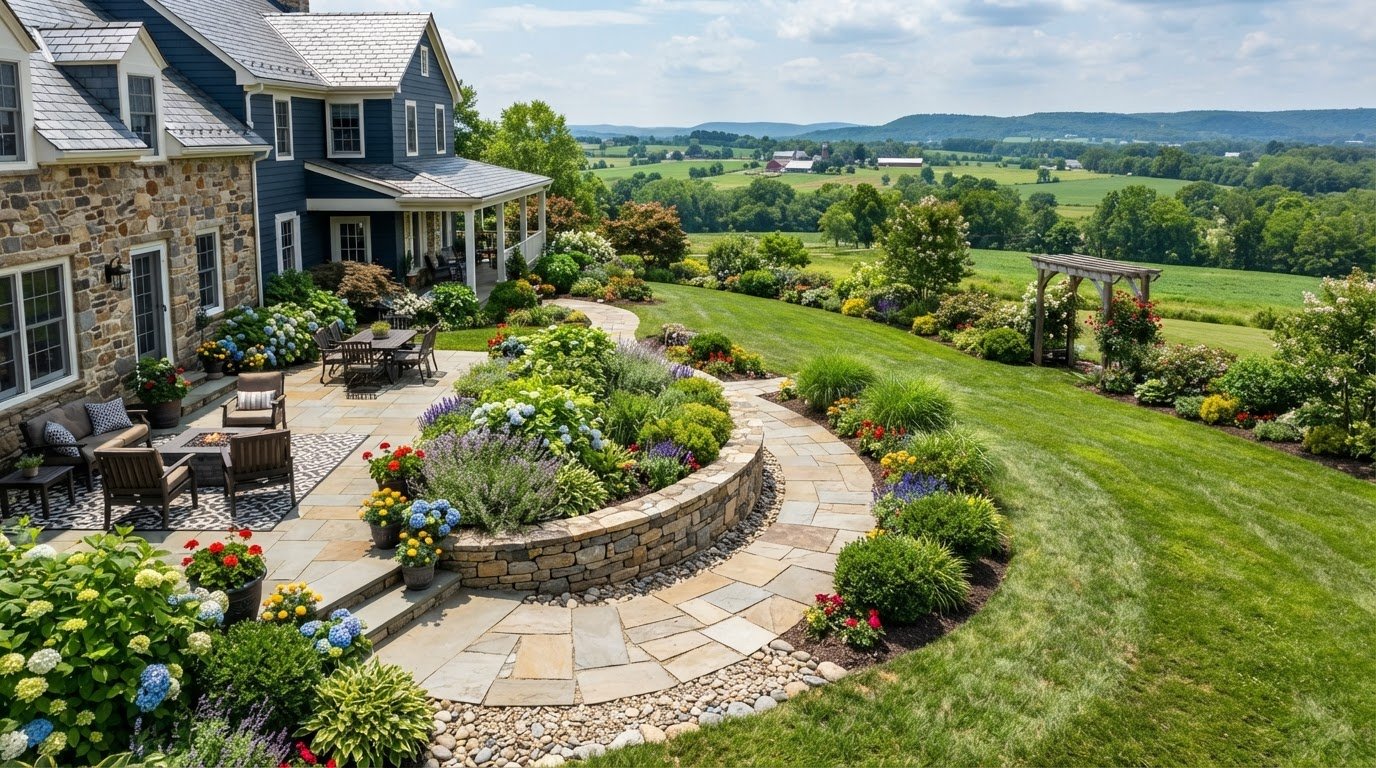
Start by identifying the areas that need regular attention, such as the front lawn, backyard, or shared spaces. For a broader property project, Snappy Landscaping also handles custom patio installation, retaining wall construction, and drainage solutions. A clear scope connects lawn care with the other work your yard needs.
To discuss your lawn maintenance needs, contact Snappy Landscaping for a free estimate.
Make Your Next Yard Project Easier to Plan
Choose the outdoor work that will make the biggest difference to your property now. If regular upkeep is the main concern, Snappy Landscaping provides Lawn Mowing & Maintenance. If your plans extend beyond the lawn, the team also offers Custom Patio Installation and Retaining Wall Construction. Bringing these needs together can help shape a practical plan for your outdoor space.
If you’re comparing lawn maintenance services in Lancaster, PA, describe the areas that need attention and the work you want completed. A clear starting point helps focus the conversation on your property’s priorities, whether that means routine lawn care or a larger yard improvement.
Contact Snappy Landscaping about your lawn-care needs and take the next step toward a yard that’s easier to manage.
Frequently Asked Questions
Do I need to be home for my first visit?
You don’t need to be home if the crew can access the work areas and has clear instructions. Before the visit, share gate details and identify spaces that should remain untouched. If you want to walk the property together, arrange that conversation before service. For example, point out a back lawn boundary that isn’t visible from the entrance.
Do I need to do anything to prepare for my first service?
Yes. Make access straightforward by sharing the preferred entrance and moving vehicles away from the lawn edges. Tell the crew about irrigation heads, low garden borders, or areas with limited clearance. If your property has separate front and back sections, label them in your notes. These details help the team understand the site before starting the scheduled work.
Which lawn care companies serve Lancaster, PA, and what are their customer ratings?
Snappy Landscaping proudly provides professional **lawn maintenance services Lancaster PA** and the surrounding areas, specifically focusing on Lancaster, Columbia, and Mountville. This page doesn’t give a numerical customer rating. Review the proposed scope and free estimate to assess whether the service fits your property.
How much does lawn mowing cost in Lancaster, PA?
Lawn mowing pricing varies based on property size, service frequency, and maintenance requirements. Snappy Landscaping provides a free estimate for each property rather than publishing a fixed mowing price. For a useful estimate, describe the lawn’s layout and the schedule you’re considering. A broad, open area and a yard divided by beds or narrow access points may require different scopes of work.
How can homeowners get a lawn maintenance estimate in Lancaster, PA?
Submit a request describing your property and the lawn work you need. Snappy Landscaping will contact you, then provide an estimate with a recommended solution. Include your address, the areas to maintain, and whether you want recurring mowing or broader upkeep. Request a lawn maintenance estimate to start the process.