
Commercial property owners are generally responsible for snow and ice removal unless a written lease or contract assigns that duty to a tenant or another party. For businesses in Mountville, PA, snow and ice management starts with knowing who is responsible and having a clear plan to keep the property accessible during winter weather.
Snowfall can disrupt parking, walkways, and daily operations, so it helps to understand what needs clearing and how storm response is organized. This guide explains who is responsible, how to plan for snow and ice, and which services can help clear business properties in Mountville. You’ll also learn what to consider when arranging commercial snow and ice removal, so you can make a practical plan for your site.
Who is responsible for ice and snow removal on a commercial property?
Commercial property owners are generally responsible for snow and ice removal unless a written lease or contract assigns that duty to a tenant or another party. For snow and ice management for businesses in Mountville, PA, start by reviewing the lease, property management agreement, and service contract. These documents should specify who arranges removal and which areas are included. For example, a tenant responsible for a parking area may not be responsible for a shared entrance unless the agreement says so.
Put responsibilities in writing before winter weather arrives. Identify who contacts the removal provider, manages site access, and reviews completed work. For a multi-tenant building, clarify whether one party coordinates the entire site or tenants manage separate entrances. Clear assignments help prevent gaps, such as a cleared parking lot beside an untreated pedestrian route.
Mark priority areas on a site plan, including vehicle entrances, loading zones, accessible routes, sidewalks, steps, and snow-storage locations. A Mountville office might prioritize its main entrance and employee parking before morning arrivals. A Lancaster-area retail property may also need customer parking and delivery access cleared. A commercial snow plan should reflect the site’s layout and operating needs.
Pricing varies based on property size, service frequency, and maintenance requirements. Request a free estimate that defines the covered areas, plowing and ice-control tasks, scheduling triggers, and how changes are handled. A clear written scope helps property managers compare services without overlooking walkways or shared access.
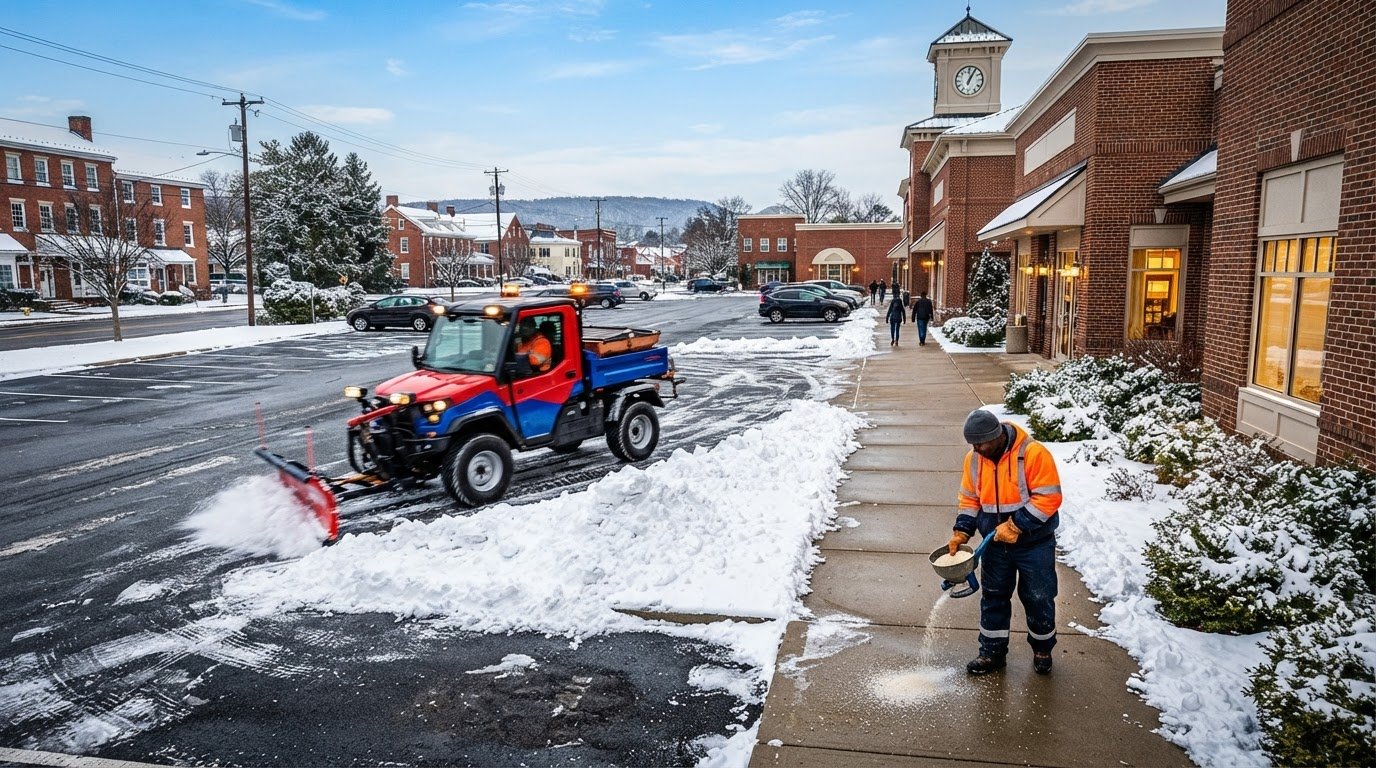
Commercial snow removal can involve more than clearing a lot. A defined plan can separate plowing from walkway clearing and ice management. It can also identify where crews place snow, how they keep entrances open, and which areas need attention as conditions change. Pretreating with liquid brine can reduce the need for granular salt after snow is cleared. The appropriate approach depends on the site and its surfaces.
For businesses and communities in Mountville and Lancaster County, organize the plan with these steps:
- Review leases and contracts to identify the responsible party.
- Map parking, walkways, loading areas, entrances, and snow-storage locations.
- Set priorities for business access, including shared routes and tenant entrances.
- Describe plowing, walkway removal, and ice management in the service agreement.
- Assign a site contact to coordinate access and communicate property changes.
Revisit the plan when a tenant changes, a walkway is added, or parking is reconfigured. For snow and ice management for businesses in Mountville, PA, current written responsibilities give owners, tenants, and removal crews a shared scope for winter work.
Pre-storm planning and 24/7 storm response
A Mountville winter plan should establish response triggers, site priorities, and communication steps before a storm. Clear decisions help employees understand which entrances and routes need attention first. The plan should also reflect each property’s operating schedule and access needs.
Customized Storm Response Plans
Build the plan around the property’s layout and hours. A business that opens early, for example, may prioritize its employee entrance and main parking access. Record the locations that need plowing, walkway clearing, and ice treatment, then establish how site contacts will share updates during a storm.
Proactive planning defines what happens as conditions change. Identify who monitors weather information, reports accumulating snow or slick surfaces, and receives service updates. If a site has several buildings, set priorities by building or access route. A written sequence gives crews and property contacts a shared plan instead of leaving decisions until the last minute.
Snowfall Patterns and Response Timing
Mountville response planning should account for snowfall rate, storm duration, temperature, and precipitation type. Wet snow, drifting, or a change from snow to freezing precipitation can affect access differently. Track conditions rather than relying on one fixed visit time. A prolonged storm may require repeat plowing, while refreezing may require attention after initial clearing.
Begin clearing when snow starts restricting access rather than waiting for the storm to end. Continue as needed, then address remaining snow and ice after precipitation stops, especially before employees or customers arrive. Set priorities in advance so the property contact knows when and how to report changing conditions.
Storm monitoring connects weather updates to work on the property. Set a clear communication path between the person monitoring conditions, the site contact, and the snow-removal team. For example, the contact can report a blocked entrance or slick loading area, while the plan identifies the next priority. Record updates and completed work so the response can adapt during a prolonged event.
Around-the-clock coverage is a contract term, not an assumption. If a business needs 24/7 winter weather response, the agreement should define its monitoring window, service triggers, communication process, and included work. Clear terms help avoid confusion about overnight conditions or storms that continue beyond regular business hours. Don’t treat “24/7” as a service commitment unless the written agreement provides for it.
Before winter, organize the response plan around these decisions:
- Choose who monitors weather and communicates changing conditions.
- Set triggers for starting or repeating snow plowing.
- Prioritize employee entrances, customer access, and essential routes.
- Define how crews report completed work and remaining hazards.
- Review the plan when business hours or site access change.
Keep the property’s operating needs and arrival patterns central to each decision. A clear local plan for snow and ice management for businesses in Mountville, PA, connects storm monitoring with the specific routes a site depends on.
What snow removal services do you offer?
Commercial snow work can cover pedestrian routes, parking areas, drive lanes, and entrances. Define each area and its priority before winter weather begins.
Sidewalk and Walkway Clearing
Sidewalk clearing removes accumulated snow from paths between parking areas, building entrances, and shared spaces. Include steps, ramps, and narrow walkways in the site plan so crews know which routes connect. For example, a storefront may need its customer entrance cleared before the walkway leading from the parking lot. Specify where cleared snow can go without blocking those routes.
Parking Lot and Roadway Clearing
Parking lot service can include plowing drive lanes, clearing parking spaces, and opening access to loading areas. Identify entrances and turning areas that need to remain usable as snow is moved. A delivery business, for example, may prioritize its loading approach alongside the main driveway. Note obstructions, parked vehicles, and snow-storage areas on the property plan.
Access-Focused Snow Clearing
Plan clearing around connected routes, not isolated surfaces. Map how employees and visitors move from the street or parking area to each entrance, then identify alternate paths if the primary route is blocked. Include designated accessible routes, curb connections, and building approaches in the scope, along with ice management where slippery surfaces may interrupt access.
Seasonal and Per-Push Pricing
A seasonal contract sets service terms for the winter, while per-push pricing charges for each service visit. Compare the included work, service triggers, covered surfaces, and how repeat visits are handled. A property with frequent plowing needs may weigh these arrangements differently from a site with limited clearing needs. Compare the written scope, not just the billing label.
Review what each agreement says about snow removal and ice treatment. For example, a plowing visit may clear vehicle lanes while leaving sidewalks outside its scope. Check whether the agreement covers walkway service, entrances, snow relocation, and treatment of slick areas. This helps match the arrangement to the property’s daily use.
Before choosing a service plan, divide the site into work areas: sidewalks, parking, roadways, and entrances. Mark which areas support customer access, employee arrivals, deliveries, or shared use. A commercial snow plan can then define the work sequence and service required for each surface. Update the map if construction or seasonal operations change access routes.
Snow plowing and parking lot clearing
Effective plowing clears vehicle routes while keeping snow piles away from sightlines and access points. A site plan should show traffic flow, drainage, and designated snow-storage areas.
Parking Lot Snow Plowing
Start by identifying the main entrance, drive lanes, parking rows, and loading zones. A plowing sequence can open the entrance first, then clear travel lanes and parking areas. Mark islands, light poles, curbs, and other obstacles that may be hidden under snow. Choose pile locations that do not block visibility, drainage, or pedestrian routes.
Snow Plowing and Removal
Plowing moves snow to designated areas on the property; hauling removes it from the site. A small lot with open storage space may use on-site piles, while a constrained lot may need hauling to preserve parking and circulation. Specify this distinction in the written scope. The plan should also account for how piles can narrow lanes as storms continue.
Plowing and Ice Management
Plowing removes accumulated snow, but packed residue and refreezing may still affect pavement. Include ice removal in the site plan, especially near entrances, slopes, and areas where vehicles stop. Pretreating with liquid brine can reduce the need for granular salt after snow is cleared. Choose treatments based on surface conditions and the property’s layout.
Parking lots need a sequence that keeps vehicles moving as clearing progresses. For example, crews can open a main drive lane, clear a section of parking spaces, then move to areas where parked cars allow access. A property manager should identify where cars typically remain overnight. This helps define which sections can be cleared first and which need follow-up.
Snow piles can affect landscaping and drainage. Keep them away from storm drains, sightlines, pedestrian connections, and entrances. If melting snow refreezes near a walkway, the site may need ice management after plowing. Mark suitable storage areas before winter to avoid placing piles wherever space happens to remain.
Use a written site map to guide plowing and snow removal. Include:
- Primary vehicle entrances and emergency access lanes.
- Parking rows, loading areas, and turning points.
- Approved pile locations and areas to keep clear.
- Surfaces requiring ice removal after plowing.
Review the map when traffic patterns change or construction alters the lot. A newly blocked driveway, relocated loading zone, or added landscape feature can change the safest plowing route. Clear instructions help crews work consistently and keep parking lots functional through changing winter conditions.
Which commercial snow removal companies serve Mountville and Lancaster County?
For a Mountville business, choose a commercial snow removal provider that serves Lancaster County and handles business properties. Mountville is in Lancaster County, so confirm the property address is within the provider’s service area. Then compare the service scope with your site’s needs, whether it is a standalone storefront or a shared office or retail property.
Look for a written plan that covers the actual property, not a generic description of snow service. A storefront may need its customer entrance and adjoining parking cleared, while an office complex may need connected lots, walkways, and loading access addressed. The agreement should specify which surfaces receive plowing, which receive ice management, and how crews communicate with the site contact.
Consider how the plan accounts for site-specific obstacles. A Mountville property with narrow drive lanes, parked vehicles, or limited snow-storage space needs a different approach from an open lot. Share a site map and identify loading areas, access routes, and places where piles must not block visibility. This helps define a workable service scope before winter weather arrives.
Compare written proposals by their included work and operating terms, not just a label such as “commercial snow.” Check whether the scope covers parking areas, roadways, sidewalks, entrances, and ice treatment. Clarify how repeat service during a continuing storm is handled and who receives updates. If snow hauling may be needed, make sure the agreement distinguishes it from plowing snow into on-site piles.
Use these practical checks when assessing a provider for a Lancaster County business:
- Confirm Mountville property coverage by the site’s street address.
- Match the proposal to the property’s vehicle and pedestrian routes.
- Review the exact tasks included for snow removal and ice management.
- Identify the property contact and the method for service updates.
- Clarify how the agreement handles snow storage or hauling.
A clear scope helps prevent misunderstandings between property managers, tenants, and service crews. For example, a shared commercial property should specify whether one agreement covers common access areas or separate tenants arrange service for their own entrances. Keep the approved scope with the property’s winter plan, and revise it if construction or tenant changes alter access.
For Mountville and nearby Lancaster County properties, compare each proposal against your site map and daily operations. Share your Mountville property’s winter service needs to discuss a commercial snow plan.
Mountville, Pennsylvania, is served under ZIP code 17554, which can help when you request coverage details; still, ask each company to verify the exact property address rather than relying on a broad service-area label. When proposals arrive, keep the site map beside each scope and note any excluded areas, response procedures, and conditions that require a call from the property contact. Ask the provider to explain how changes to the plan are approved and recorded, especially if access needs change during the season. Before accepting a proposal, make sure the named contact, covered surfaces, snow-storage approach, and update process are consistent across the written plan and any supporting documents.
Snappy Landscaping: Lawn Mowing & Maintenance
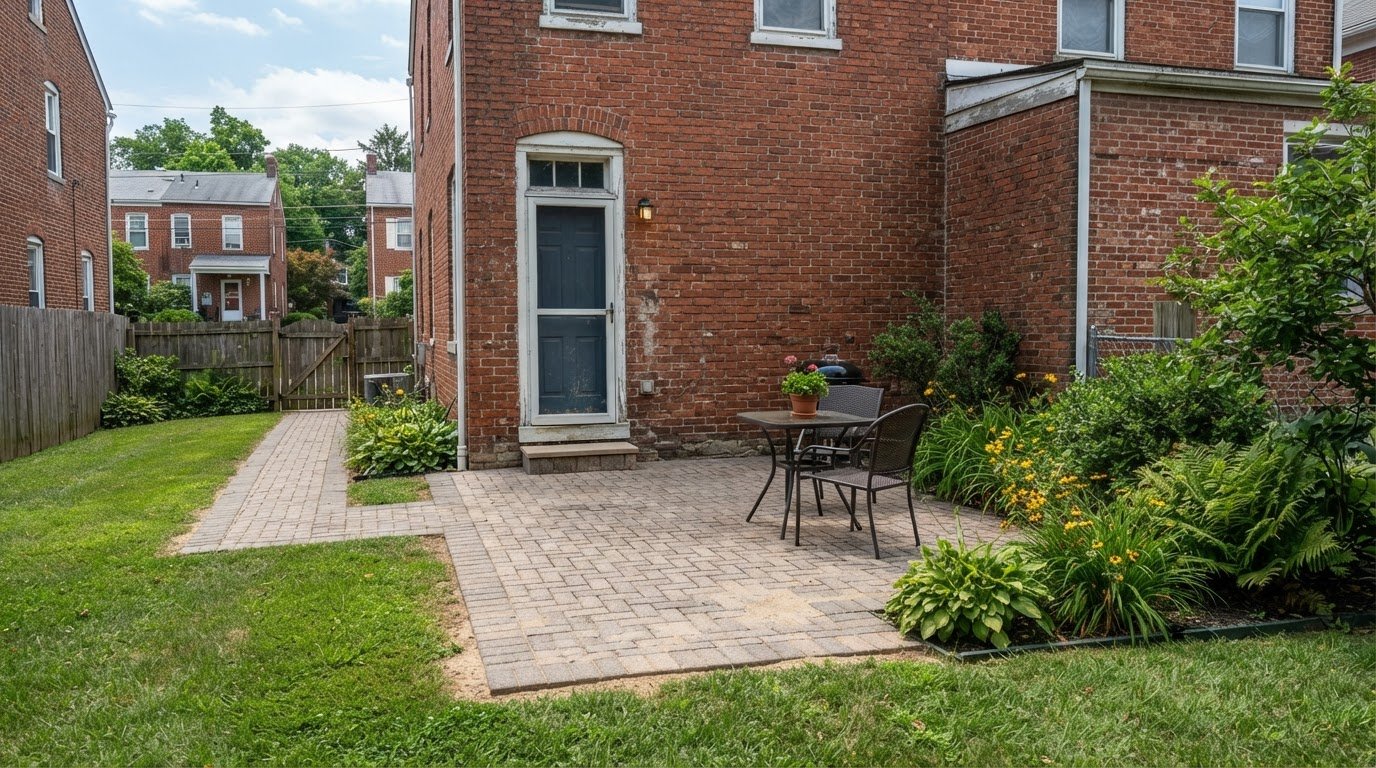
Snappy Landscaping helps Mountville property owners maintain their grounds beyond winter with lawn mowing and maintenance, landscaping, and drainage solutions. After snow season, drainage work can help address areas where melting snow leaves water pooling, while routine lawn care keeps commercial grounds orderly through the growing season. Custom patio installation and retaining wall construction can also create defined, functional outdoor spaces.
Choose the service that fits the site’s next maintenance priority, whether ongoing lawn care or a targeted landscape project. Contact Snappy Landscaping to discuss your property’s needs and request a free estimate.
Set up your property for the next season
Use the time before the next storm to turn your winter plan into a working site document. Note access priorities, service areas, and changes to parking or building entrances. For snow and ice management for businesses in Mountville, PA, a clear site plan gives property teams a practical starting point for coordinating winter service.
Snappy Landscaping can also help you plan for the property beyond winter. Lawn Mowing & Maintenance supports routine grounds care, while Custom Patio Installation and Retaining Wall Construction can address specific outdoor improvements. Choose the work that fits your site’s next priority, rather than treating every property need as one project.
Ready to discuss your commercial property’s needs? Contact Snappy Landscaping to plan your next step. A clear plan can help you move into the season prepared.
Frequently Asked Questions
Do you provide ice control and salting?
Yes, commercial snow and ice management includes ice control for business properties. The service plan should identify which paved areas need treatment, such as entrances, drive lanes, or walking routes. Salt use depends on the agreed property scope and conditions on site. Pretreating with liquid brine can reduce the need for granular salt after snow is cleared, while keeping ice management part of the overall plan.
Do you provide snow removal in Lancaster, PA?
Yes, commercial snow and ice removal is available for properties in Lancaster, Pennsylvania, and Mountville. Snappy Landscaping provides commercial snow and ice management for businesses, with a service scope tailored to the property’s needs. A retail site, office building, or managed property can set its clearing priorities in the plan. Include the address and operating needs when requesting a free estimate so the proposed work aligns with the site.
How can I reduce the amount of salt used on my property and still help keep the property safe?
Start with a plan that pairs prompt snow clearing with targeted ice control. Identify where ice tends to affect access, such as shaded entrances or vehicle stopping areas, and include those spots in the treatment plan. Keep pedestrian and vehicle routes clear, and reassess them when weather or surface conditions change.
What snow and ice management services are available for businesses in Mountville, PA?
Commercial snow service includes snow plowing and ice control for Mountville business properties. A property plan can identify parking areas, drive lanes, building entrances, and pedestrian routes that need attention. For example, an office may prioritize employee access, while a retail site may focus on customer parking and its main entrance. The written scope should distinguish snow clearing from ice treatment for each area.
How do snow removal contractors handle parking lots, sidewalks, and loading areas?
Contractors use the property’s service scope to guide clearing across each surface. A parking lot plan identifies drive lanes and snow-storage areas; sidewalk instructions identify pedestrian connections and entrances. Loading areas need room for vehicles to approach and turn. Give the site contact a map showing these locations and any areas that must remain open, such as a delivery route beside the main building.
What are Pennsylvania businesses' responsibilities for snow and ice removal on sidewalks and parking lots?
Review the relevant agreement and identify who manages shared sidewalks, parking areas, and entrances. For multi-tenant properties, distinguish common areas from tenant-specific spaces. Clear written assignments help prevent overlooked sections during winter maintenance.