
In Lancaster, you don't pay for the stones; you pay for the dirt they hold back. If you have ever watched a neighbor’s wall begin to lean after a heavy Pennsylvania rain, you know that a cheap installation is often the most expensive mistake a homeowner can make. Our local heavy clay soil exerts massive pressure that can easily topple an under-engineered structure. Determining the retaining wall cost Lancaster PA requires looking past the price of the blocks and focusing on the invisible infrastructure that keeps the wall standing.
We understand that budgeting for a major hardscaping project feels overwhelming when material prices fluctuate and hidden excavation costs lurk beneath the surface. You deserve a clear, pragmatic breakdown of what goes into a professional build. This guide provides the transparency you need to plan your project with total confidence. We will walk through the differences between premium blocks and natural stone, explain why drainage is your best insurance policy, and highlight the specific Lancaster County factors that drive your final invoice.
Understanding Retaining Wall Costs in Lancaster PA (2026)
A retaining wall is far more than a decorative boundary for your flower beds. In our region, it's a critical structural element designed to prevent soil erosion and manage steep slopes. Understanding what is a retaining wall helps homeowners realize they're investing in an engineered system, not just a stack of stones. The retaining wall cost Lancaster PA homeowners face in 2026 reflects the reality of professional labor rates and the rising cost of high-quality materials required to withstand our local environment. We don't just build walls; we restore order to your property.
Your final invoice isn't just a reflection of the blocks you see. It represents the "Total Project Cost," which includes site preparation, complex excavation, and the skilled labor needed for a lasting build. Lancaster's rolling hills, particularly in areas like Columbia and Mountville, often require more extensive grading than flatter parts of the state. This means your budget must account for moving significant amounts of earth before the first block is even set. We focus on the functional requirements first to ensure your investment adds long-term value to your property.
Primary Cost Drivers for Hardscaping
Several variables dictate the final price of your project. We evaluate these factors during the initial site assessment to prevent surprises later. Accuracy in the planning phase leads to efficiency in the construction phase.
- Wall Dimensions: As a wall gets taller, the cost doesn't just increase; it compounds. Taller walls require reinforced footings and often structural engineering to handle the increased load.
- Site Accessibility: Can we get a skid steer into your backyard? If we have to move materials by hand or use specialized compact equipment due to narrow gates, labor hours will climb.
- Surcharge Loads: If your wall supports a driveway, pool, or patio, it must be built to handle that extra weight. This requires additional reinforcement and specific backfill techniques to prevent settling.
The Lancaster Clay Factor
Lancaster County is famous for its heavy, nutrient-rich clay soil. While great for farming, it's a challenge for poorly built walls. Clay retains moisture, which expands and contracts with the seasons. This creates immense pressure against the back of your structure. To combat this, we install deeper footers that reach stable subsoil and ensure the wall stays level through the winter freeze. Standard footings often fail here because they don't account for this soil movement.
You must also account for water management. Hydrostatic pressure is the #1 killer of local walls. Without a dedicated retaining wall construction strategy that includes proper drainage, that pressure will eventually push your wall over. Investing in a professional installation ensures your wall stands firm against the unique challenges of the Central PA landscape.
Material Selection: Comparing Block, Natural Stone, and Timber
Choosing the right material is a balance of aesthetics and long-term financial sense. In 2026, Lancaster homeowners are moving away from temporary solutions like timber in favor of permanent masonry. While timber has a lower upfront price, it often rots within 10 to 15 years when buried in our wet clay soil. This creates a high "cost-per-year" compared to stone or concrete. Masonry options offer a significantly higher landscaping ROI because they are built to last 50 to 100 years with minimal intervention. We prioritize materials that solve problems rather than creating future maintenance headaches.
Segmental Retaining Wall (SRW) Blocks
Engineered SRW blocks are the professional standard for modern hardscaping. These systems provide consistent structural integrity and a built-in "batter," which ensures the wall leans back into the slope at a precise angle. This is the most cost-effective way to manage the retaining wall cost Lancaster PA homeowners expect for a high-quality, durable result. We frequently utilize top-tier brands like Techo-Bloc and EP Henry. These manufacturers provide blocks that mimic the texture of natural stone while offering the interlocking strength required for Lancaster's challenging topography. They are efficient to install and provide a clean, organized look to any property.
Natural Stone and Boulder Walls
PA fieldstone and limestone offer a timeless, organic appeal that manufactured products can't fully replicate. However, natural stone is incredibly labor intensive. Our crews must hand-select and fit every stone, which often causes the labor portion of a quote to increase by 50% to 100% over block installations. If you have a massive slope requiring erosion control, boulder walls are a pragmatic middle ground. They utilize large, heavy rocks to provide massive stability at a faster installation pace than hand-laid stone. This is a rugged, functional solution for properties in Columbia or Mountville with significant acreage.
Maintenance requirements also vary by material. Timber requires frequent inspections for rot and pests. SRW blocks and natural stone are virtually "set and forget," usually needing only an occasional power wash to remove moss or dirt. If you are debating between the formal look of block or the rustic feel of stone, you can request a professional site evaluation to see which material fits your budget and your land's specific needs.
Site Preparation and Engineering Requirements
The most critical part of your budget is the work you'll never see once the project is finished. Site preparation is the foundation of structural integrity. In our area, the retaining wall cost Lancaster PA homeowners pay includes the heavy lifting required to manage our thick, heavy clay. We must excavate deep enough to remove organic material and replace it with a stable, non-expansive base. This process also involves hauling away and disposing of tons of excess soil, which requires specialized equipment and specific disposal fees. We prioritize this invisible work to ensure your wall doesn't settle or shift in the coming years.
Excavation and Footing Depth
Never set blocks directly on dirt. We build a compacted gravel base that acts as a bridge between the wall and the earth. In Pennsylvania, footings must account for the frost line. If a footing is too shallow, the ground will heave during a freeze and tilt your wall. We dig until we hit stable subsoil, ensuring the structure won't shift. The retaining wall cost Lancaster PA can vary if we encounter limestone shelf rock or unmarked utilities, which add time and labor to the excavation phase. We identify these challenges early to keep the project moving efficiently.
- Geogrid Reinforcement: For walls exceeding three to four feet in height, we integrate geogrid. This high-strength mesh stabilizes the soil behind the wall by pinning the earth to the structure.
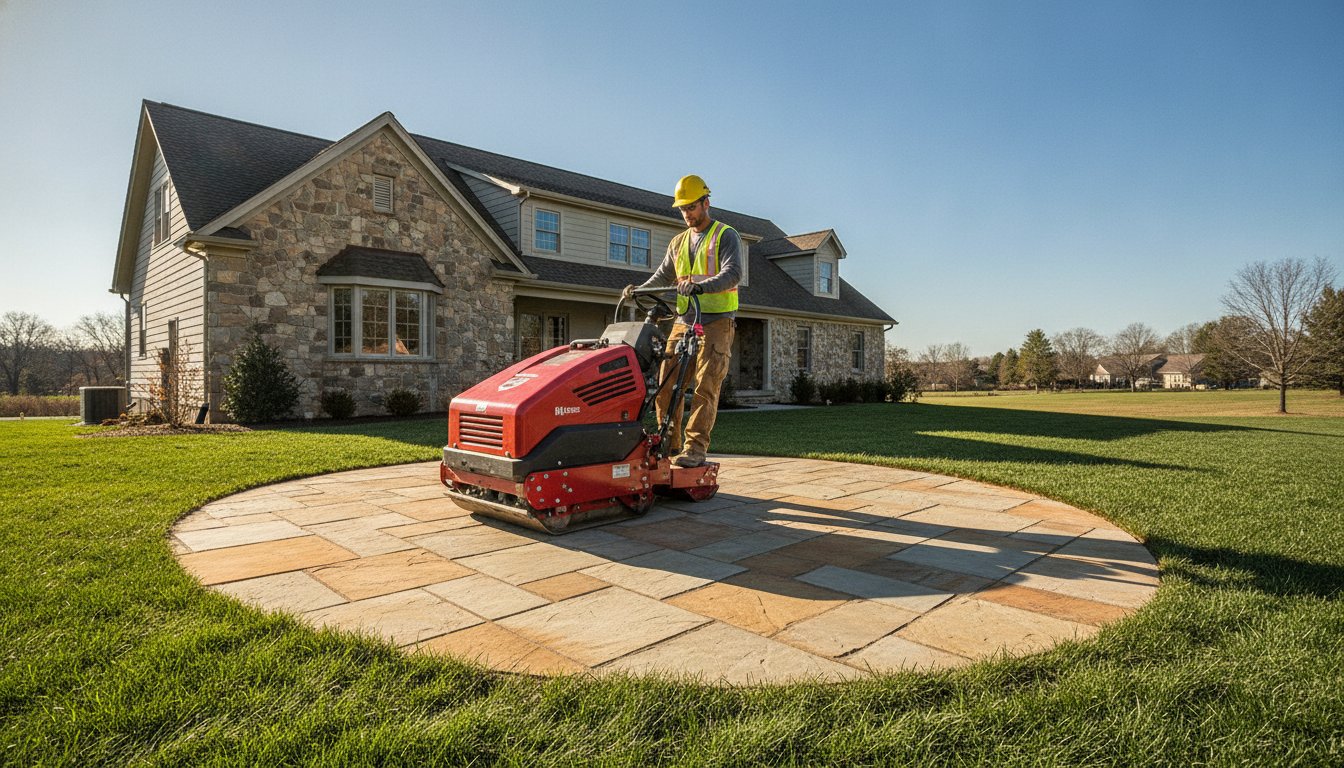
- Base Compaction: We use vibratory plate compactors to ensure the gravel base is rock-solid before the first course of stone is set.
- Soil Disposal: Removing Lancaster clay is a major logistical task that we handle as part of our comprehensive site management.
Advanced Drainage Systems
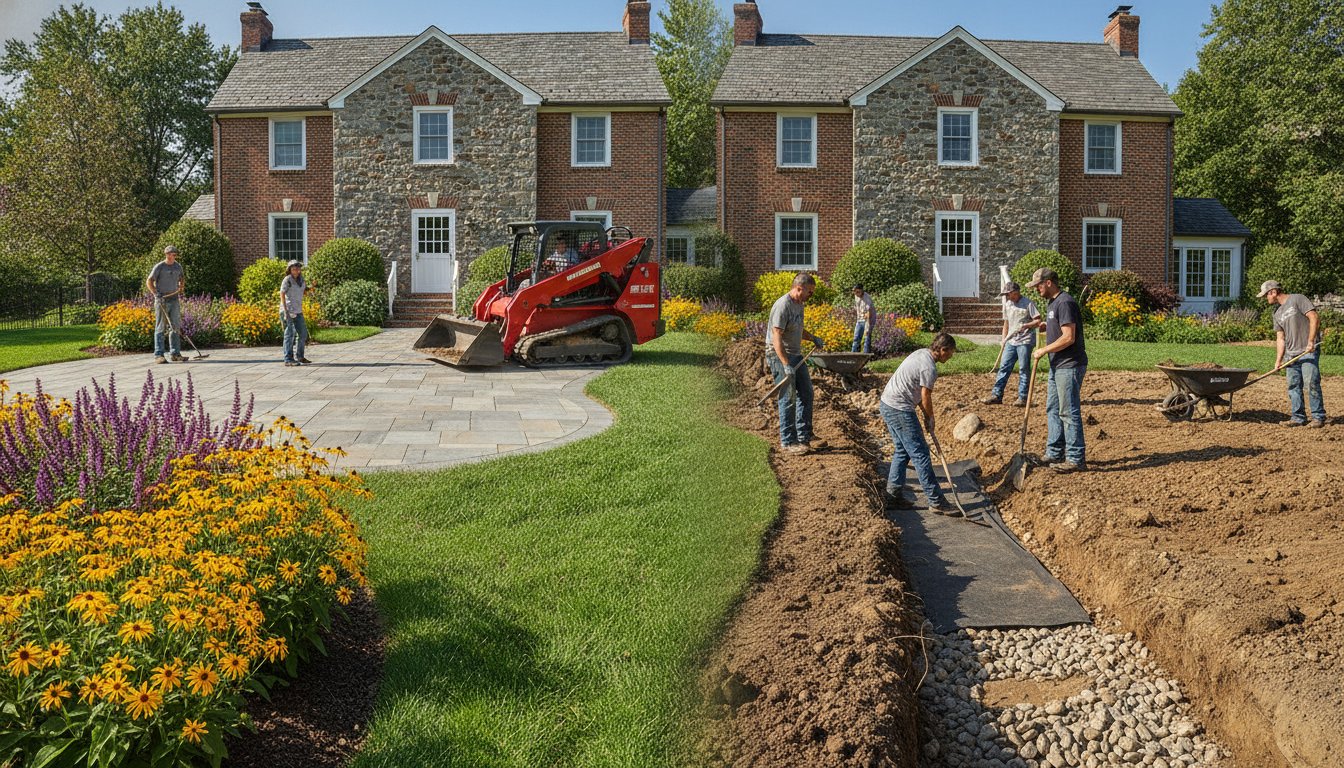
Water is the primary cause of wall failure. We use a three-part system to protect your investment: perforated pipes, 2B clean stone backfill, and professional-grade filter fabric. This "Holy Trinity" ensures water flows through the wall rather than building up behind it. Cutting corners here leads to "blowouts" where the entire structure collapses under the weight of saturated clay. You can learn more about our specific approach to Retaining Wall Drainage in Lancaster County.
Proper water management prevents hydrostatic pressure from destroying your hardscape. If your property has complex water issues, we often combine these builds with broader Drainage Solutions Lancaster County to protect your entire landscape. This methodical approach removes the burden of property management from your shoulders and ensures a professional result that adds lasting value.
Budgeting for Your Project: Average Ranges and ROI
Budgeting for a major property improvement requires a shift from looking at the price of materials to evaluating the value of reclaimed land. The retaining wall cost Lancaster PA homeowners encounter is an investment in structural stability and usable square footage. We categorize projects into three tiers: basic functional walls, mid-range engineered systems, and premium custom stone installations. A basic wall focuses on simple erosion control with standard blocks. Mid-range projects utilize high-performance materials and integrated drainage. Premium installs feature natural stone or intricate patterns that serve as a focal point for the entire landscape. We help you determine which tier matches your property's needs and your long-term goals.
Linear Foot vs. Square Foot Pricing
We prefer bidding by the square foot rather than the linear foot because it provides a more accurate reflection of the work involved. Linear foot pricing only measures the length of the wall, but it ignores the most important variable: height. A wall that is four feet tall requires significantly more excavation, backfill, and reinforcement than a two-foot wall. Height increases cost exponentially, not linearly. This is because taller structures demand deeper footings and often require geogrid soil stabilization to remain upright. In Lancaster, labor rates for professional hardscaping crews often reflect the specialized skill set required for these builds. Current data shows the average hourly rate for a concrete finisher in our region is approximately $29 per hour, which contributes to the overall professional standard of the installation.
Long-term Value and Curb Appeal
A well-built wall does more than hold back dirt; it transforms "dead" space into functional assets. In sloped areas like Mountville, a retaining wall can turn a steep, mow-prohibitive hill into a flat area for a patio or garden. This restoration of order adds immediate curb appeal and increases your property's marketability. Professional installations avoid the common pitfalls of DIY attempts that often fail within five years due to poor drainage. When you integrate these structures into a Custom Hardscaping Lancaster County design, you create a cohesive outdoor living environment that lasts for decades. If a large-scale project feels daunting, we can discuss "phasing" the build. This allows you to address the most critical structural needs first while managing your cash flow over several seasons.
Ready to get an accurate assessment of your property's potential? You can contact our team for a site-specific quote to see how we can maximize your yard's value.
Choosing a Professional Retaining Wall Contractor in Lancaster
A retaining wall is a structural engineering project masquerading as a landscaping task. When you evaluate the retaining wall cost Lancaster PA contractors provide, you must look beyond the bottom line and examine the technical expertise behind the quote. Our local geology, defined by heavy clay and a 36 inch frost line, requires a builder who understands soil mechanics and hydrostatic pressure. Hiring a "mow-and-blow" crew for structural masonry is a significant risk. These generalist teams often lack the specialized equipment and engineering knowledge required to manage the massive tonnage of a moving slope. We focus on restoring order to your property through methodical, durable construction that prevents future failure.
The Snappy Landscaping Process
We approach every project with a professional, solution-oriented workflow designed to protect your investment. Our process begins with a comprehensive site survey to identify grading challenges and existing water runoff patterns. We don't just stack blocks; we engineer systems. This includes precise excavation, the installation of a compacted aggregate base, and the integration of the "Holy Trinity" of drainage components mentioned earlier. Every Retaining Walls service page project concludes with final grading and site cleanup, ensuring your yard is clean and functional the moment we leave. We manage the outcomes so you don't have to worry about the process.
Vetting Your Hardscape Partner
Choosing the right partner requires asking direct, pragmatic questions. A professional contractor should provide a written contract that includes a specific material list and a detailed drainage plan. In Pennsylvania, all home improvement contractors must be registered with the Attorney General's office under the Home Improvement Consumer Protection Act (HICPA). Verify this registration and ask about their specific experience with Lancaster's clay soil. Use this checklist to vet your candidates:
- Insurance and Licensing: Do they carry adequate general liability and workers' compensation insurance?
- Warranties: Do they offer a structural warranty against wall leaning or settling?
- Drainage Strategy: Will they install a perforated pipe system with a dedicated daylight exit point?
- References: Can they show you local projects in Columbia or Mountville that have stood for at least five years?
A professional installation is the only way to ensure your wall adds property value rather than becoming a liability. If you are ready for a durable solution that won't lean in five years, contact our team for a no-nonsense consultation. We provide the clarity and expertise you need to start your project with a professional quote today.
Take Control of Your Property’s Potential
Investing in a retaining wall is about more than curb appeal; it's about reclaiming your land and protecting your home's structural foundation. We've explored how the retaining wall cost Lancaster PA reflects the essential engineering required to manage our local clay soil and rolling hills. Remember that the invisible work underground determines your project's success. Deep footings, expert drainage integration, and proper soil stabilization are the only ways to prevent future failure. Cutting corners on these elements leads to expensive repairs down the road.
As a locally owned Lancaster County specialist, Snappy Landscaping focuses on functional durability. We don't just build decorative borders; we solve erosion problems and restore order to your landscape. Our methodical process ensures your structural integrity is guaranteed from the first scoop of earth to the final cleanup. Stop worrying about leaning walls or washed-out yards and start planning a space that adds real value to your home. You deserve a clear, pragmatic plan for your property management that removes the burden of maintenance from your shoulders.
Get Your Professional Retaining Wall Estimate today and take the first step toward a stable, beautiful landscape. We look forward to helping you transform your yard into a functional asset.
Frequently Asked Questions
How much does a 50-foot retaining wall cost in Lancaster, PA?
A 50-foot wall typically ranges between $2,500 and $8,250 depending on the height and material choice. This estimate covers professional installation for a standard 3 to 4-foot structure. Factors like site accessibility and necessary excavation for Lancaster's heavy clay soil will influence the final total. We recommend a site-specific evaluation to determine the precise needs of your property's topography and soil conditions.
Do I need a permit for a retaining wall in Lancaster County?
Yes, a building permit is generally required for any wall exceeding 4 feet in height. You also need a permit if the wall supports a surcharge, such as a driveway, pool, or patio. Some local municipalities in Lancaster County have even stricter ordinances with lower height thresholds. Always verify requirements with your specific township office before beginning construction to ensure your project remains compliant with the Pennsylvania Uniform Construction Code.
How long does a professional stone retaining wall last?
A professionally installed stone or masonry wall can last between 50 and 100 years. Durability depends heavily on the quality of the initial engineering and the materials used. While timber walls might fail after 15 years, stone and engineered blocks offer a permanent solution. The lifespan of any wall in Central PA is directly tied to its drainage system, which prevents structural damage from seasonal freeze-thaw cycles.
Is a block wall cheaper than a natural stone wall?
Yes, manufactured block walls are generally more cost-effective than natural stone. While material costs vary, the primary difference lies in labor. Fitting natural stones requires significantly more time and specialized skill compared to interlocking engineered blocks. For many homeowners, the retaining wall cost Lancaster PA is kept manageable by choosing high-quality Segmental Retaining Wall (SRW) blocks that mimic the look of natural stone without the high labor expense.
Can I build a retaining wall myself to save money?
You can build small decorative garden borders yourself, but structural walls require professional expertise. DIY attempts often fail within five years because they don't account for hydrostatic pressure or proper footing depth in Lancaster clay. A failed wall requires expensive demolition and replacement. Hiring a professional ensures the structure is engineered to handle the weight of the slope and includes the necessary drainage to prevent a total collapse.
What is the best material for a retaining wall in Pennsylvania?
Engineered concrete blocks from brands like Techo-Bloc or EP Henry are the best choice for most Pennsylvania properties. These materials are designed specifically for our climate and soil conditions. They provide consistent strength and built-in batter to resist soil pressure. Natural stone is an excellent premium alternative for those prioritizing aesthetics, provided it is installed with a robust drainage system and a professional-grade gravel base to handle local freeze-thaw cycles.
Does a retaining wall increase my home value in Lancaster?
A professionally installed wall increases home value by reclaiming unusable, sloped land and improving curb appeal. It transforms steep hills into functional spaces for patios, gardens, or lawns. Beyond aesthetics, it protects your property from erosion and water damage. Buyers in the Lancaster market value structural integrity and professionally managed landscapes, making a well-documented masonry installation a significant asset during a future home sale.
What happens if my retaining wall doesn’t have proper drainage?
Without proper drainage, water builds up behind the wall and creates massive hydrostatic pressure. In Lancaster's heavy clay soil, this pressure will eventually cause the wall to lean, crack, or suffer a total "blowout" within a few years. Effective drainage systems, including perforated pipes and clean stone backfill, are non-negotiable. They allow water to exit the structure safely, which is the only way to ensure the long-term stability of your investment.