
A small tree can still be a risky removal if it’s close to a building or utility line. For small tree removal in Mountville, PA, a straightforward tree in an open area may be manageable as a DIY project, while a tree near hazards is better handled by a professional.
It’s understandable to consider DIY when a tree looks small and accessible. But height alone doesn’t determine whether removal is manageable: the tree’s position, available fall space, and nearby obstacles all matter.
This guide explains when DIY removal may be reasonable, when to bring in an arborist, and how professionals approach trees near buildings and utility lines. You’ll also learn what stump removal involves and which details shape the work, so you can choose a practical next step for your Mountville property.
Can I remove a tree myself?
DIY may suit a small tree in an open area, well away from buildings and utility lines, if you have the right skills and equipment. A stump or hazardous location changes the scope and may make professional help the safer choice.
What Qualifies as a Small Tree
There’s no single size that makes a tree automatically suitable for DIY removal. Consider its trunk diameter, height, lean, and surroundings. A young tree with a narrow trunk and clear fall space is very different from one with heavy limbs over a roof. Storm damage, decay, or dead branches can also make a seemingly small tree harder to control.
For example, a healthy young tree standing clear of a house may be manageable for someone with the right tools and experience. A tree beside a fence, driveway, or utility line leaves less room for error. Trimming can address some branch growth, but it won’t remove the whole tree. Judge the tree’s condition and surroundings, not its height alone.
Private-Property Tree Removal Rules
In Lancaster County, rules for removing trees on private property can vary by municipality and location. Before cutting, identify the property boundary and consider whether local protections or utility concerns apply. A tree near a boundary, public space, or overhead line requires extra care. Don’t assume that being on private land settles every question.
Mountville property owners should distinguish routine yard work from a tree that may involve local restrictions or shared boundaries. If storm damage affects a tree near a building or line, avoid treating it as a simple DIY task. The practical first step is identifying where the tree stands and what surrounds it. For a professional removal approach, see tree removal services.
Stump Grinding and Debris Cleanup
After a tree comes down, stump grinding reduces the remaining stump to wood chips below ground level. It removes the visible stump and can help prevent new growth, but it doesn’t necessarily remove every root. Decide whether the area will become lawn, planting space, or a walkway before choosing how to finish it.
Grinding leaves wood chips and soil that need a plan. Depending on the site’s next use, the debris can be cleared or used to fill the depression. Keep the work area accessible and protect nearby landscaping. A future walkway, for example, needs a different cleanup and surface plan than an area returning to lawn.
Stump and Root Removal Options
Leaving a stump to decompose takes patience. Natural decomposition can take up to seven years, while using Epsom salt typically takes six to 12 months. Neither option clears the stump immediately. Choose based on how soon the space must be usable and whether the remaining wood interferes with mowing, planting, or a planned surface.
Mechanical grinding is one option; digging out the stump and roots is another. Removing roots by hand can take hours and becomes labor-intensive as they spread. Before choosing, consider how much of the root system needs to go and what will occupy the space afterward. A planting may need a different finish from a level lawn or walkway.
Tree removal and tree services in the Lancaster County area
For a Mountville property, determine permit requirements based on the property’s exact municipal location before scheduling tree work. The county name alone doesn’t establish which local requirements apply.
Tree-service needs range from removing one tree to trimming branches, handling stumps, and clearing debris. The right scope depends on the property and the work you need.
Tree Removal Service in Mountville
Mountville homeowners may need tree removal after storm damage, when a tree interferes with planned property work, or when trimming won’t address the problem. At a commercial site, work may also need to keep access routes and active areas clear. The tree’s location, nearby structures, and cleanup needs all shape the plan.
Before scheduling, identify the tree and describe nearby obstacles, such as a fence, walkway, or building. A clear description helps establish whether the work involves removal, branch trimming, or stump grinding. Snappy Landscaping’s tree services include trimming, removal, shrub removal, overgrowth clearing, and storm cleanup.
Preparing for Small Tree Removal
Start with the property address, the tree’s location, and the reason for removal. Note visible storm damage, branches over a structure, and the surface beneath the tree. Mention whether access is through a gate, driveway, or shared route. These details help define the work area and identify obstacles before the removal plan is set.
Next, decide what should happen to the stump and debris. Leaving a stump affects how you can use the space; grinding changes the finish and cleanup needs. If the cleared area is intended for a walkway or new landscaping, include that goal when describing the project. A specific end use helps guide removal decisions.
Residential, commercial, and HOA projects can differ in scale and access. A homeowner might need one tree removed beside a yard, while a business may need work coordinated around parking or pedestrian routes. A professional assessment can clarify the scope, including whether trimming or full removal better fits the tree and property.
Mountville is in Lancaster County, but a county label doesn’t describe a property’s access or surroundings. When arranging work, provide the municipality and property address. Explain whether the tree is in a residential yard or on a commercial property, and how crews can reach it.
Keep the site description practical: tree location, visible damage, nearby structures, access route, and preferred cleanup. These details support a clear plan and help the work proceed efficiently. For help outlining a tree project, send the property details.
Hiring a professional arborist
Use a professional tree service when a tree’s position or condition makes removal difficult to control. Trees near buildings, utility lines, fences, or active walkways leave little room for error. Specialized equipment requires appropriate skills, and inexperienced operators face risks when handling it. An assessment can help determine whether pruning may address the concern or removal is more appropriate.
When an Arborist’s Assessment Helps
A tree assessment considers the tree and its surroundings before recommending work. Visible decay, dead branches, lean, storm damage, and nearby structures can all affect the plan. A tree with a damaged limb over a roof, for example, needs a different approach from a healthy tree in an open yard.
Describe the concern clearly: identify the tree, point out affected branches, and explain what’s nearby. If you want a professional assessment, say whether your goal is pruning, removal, or understanding the tree’s condition. That distinction helps focus the assessment and avoids treating every concern as a removal job.
ISA Certified Arborists
Some homeowners look for an ISA Certified Arborist when seeking tree expertise. The credential may be important to them, but the tree’s condition and location still matter. Ask the arborist to explain the observed issue in plain language and connect the recommended work to specific branches, trunk conditions, or site obstacles.
If pruning is proposed, ask which branches need attention and how the work addresses the concern. If removal is recommended, the explanation should account for the tree’s position and nearby buildings or utility lines. A clear, tree-specific explanation is more useful than a broad recommendation that doesn’t identify the problem.
Local Arborist Staff
An assessment at your Mountville property can account for its actual layout. Show the tree’s location, access route, and nearby features, such as a driveway or walkway. Point out storm damage and branches over structures. These details help establish the work area and equipment the job may require.
Before work begins, clarify the proposed scope: pruning or removal, stump handling, and debris cleanup. Confirm which parts of the property need to remain accessible. A tree beside a frequently used entrance, for example, may require a different work-area plan from one at the back of a yard.
Professional help is especially important when specialized equipment or a tight work area is involved. For a Mountville property, an assessment can identify tree-specific risks and the steps planned to address them. Don’t attempt complex pruning or removal just because the tree appears small.
Safe removal near buildings and utility lines
A tree in an open space is quicker to remove and presents fewer obstacles than one growing flush to a house. Near buildings or utility lines, the available work area changes the plan. A small trunk can still have branches extending over a roof, shrubs, a fence, or overhead wires. Assess the full tree and surroundings before choosing DIY or professional removal.
Choose professional help when a tree stands close to a building or utility line. Don’t start cutting branches or the trunk while the fall path remains unclear. A cut can shift the tree’s balance, and nearby structures leave less room to direct falling material. Keep people clear of the work area and explain visible hazards before work begins.
A professional plan accounts for the tree’s position, nearby obstacles, and how each section can be removed. For a tree close to a house, the crew may protect the structure, lower cut sections with ropes, and stack or remove debris. That approach differs from removing a tree with open ground around it. The goal is controlled work, not simply getting the trunk down.
Utility lines need particular attention during the initial assessment. Point out every visible line near the tree, including lines partly hidden by branches. Don’t assume a line is harmless because it appears inactive or lies outside the intended fall direction. If a tree or branch touches a line, stay away and leave the next action to the appropriate utility personnel.
Tree removal also affects the surrounding landscape. A narrow access route, planted shrubs, a walkway, or a nearby patio may limit where equipment and debris can go. Describe these features before work starts. The plan should account for the removal area and cleanup, not just the branches and trunk.
Before work begins, establish the scope: which tree is coming down, what happens to the stump, and how debris will be handled. Clearly identify the tree if several stand close together. Discuss any outstanding limb or storm-damaged section that needs attention. These details help the crew work carefully around the house, utility lines, and landscape features.
For a tree near a building or utility line, don’t judge the job by trunk size alone. The surrounding space determines how removal can proceed. Give the professional a clear view of the tree, access route, and nearby obstacles, then agree on the work area and cleanup before work begins.
Tree removal in York and Lancaster, Pennsylvania
Tree-removal plans vary from property to property, even when the trees look similar. In Mountville, the county name alone doesn’t describe a tree’s access, condition, or surroundings. Focus on the individual site: a tree beside a walkway presents different constraints from one in an open yard. That assessment is the clearest starting point for local homeowners.
Start by identifying the tree’s condition and purpose for removal. Is it damaged, declining, obstructing a planned project, or creating concerns near a structure? For example, a homeowner in Lancaster may want to remove a tree before reshaping a yard, while a local property owner may need to address storm damage. The reason helps define whether removal, pruning, or another action fits.
Then map the setting. Note nearby buildings, utility lines, fences, shrubs, paths, and the route workers could use to reach the tree. A tree beside a narrow side yard needs a different access plan from one in a clear lawn. These details matter across our service area because the property layout, not the county label, determines the practical challenges.
Removal planning should also account for the intended result. Decide whether the stump remains, whether grinding is part of the work, and how the area will be used afterward. A Mountville yard returning to grass has different cleanup needs from a Lancaster property preparing for a walkway. Clear expectations help connect the removal work with a usable, beautiful finished space.
Snappy Landscaping provides a free estimate for projects. Pricing varies based on property size, service frequency, and maintenance requirements. For small tree removal Mountville PA services, share the tree’s height, trunk diameter, location, condition, and whether stump removal is part of the requested scope. These details help explain why two similar-looking trees may require different work.
For a great job, define the scope before work begins. Confirm which tree is included, what happens to the stump, and how debris will be handled. If the property has several trees, identify the specific one rather than relying on a general description. A clear plan supports safe work and gives both sides a shared standard for completion and satisfaction.
Whether your property is in Lancaster, Columbia, or Mountville, treat removal as a site-specific project. Share the address, tree condition, access route, and intended use of the cleared area. Those four details help shape the next action. To discuss a Mountville tree-removal project, send the project details.
Snappy Landscaping: Tree Trimming & Removal
Snappy Landscaping provides tree trimming and removal for Mountville properties. Consider this service when trimming won’t address the issue or when a tree’s location makes removal difficult to plan around buildings, walkways, or other landscape features.
Share the tree’s location, visible condition, nearby obstacles, and what you want done with the cleared space. These details help define the work, including whether it connects with a planned patio, retaining wall, or lawn update. Snappy Landscaping can help bring the tree work and the property’s next steps into a clear scope.
If you’re ready to discuss a tree on your property, contact Snappy Landscaping.
Plan the space beyond the tree
For small tree removal in Mountville, PA, think beyond the day the tree comes down. Decide what role the cleared area should play in your property. A clear goal can help guide the next project, whether you want open lawn, a place to sit, or a more usable route through the yard.
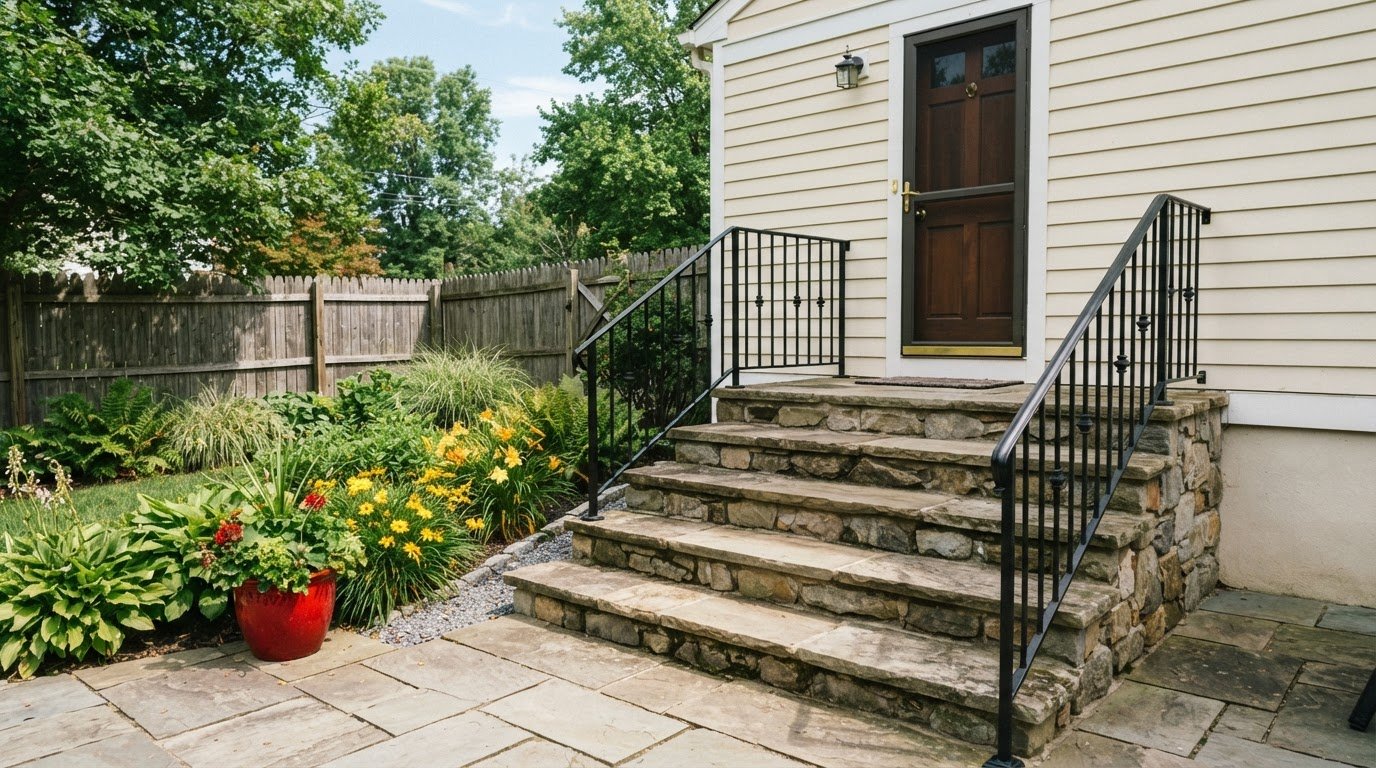
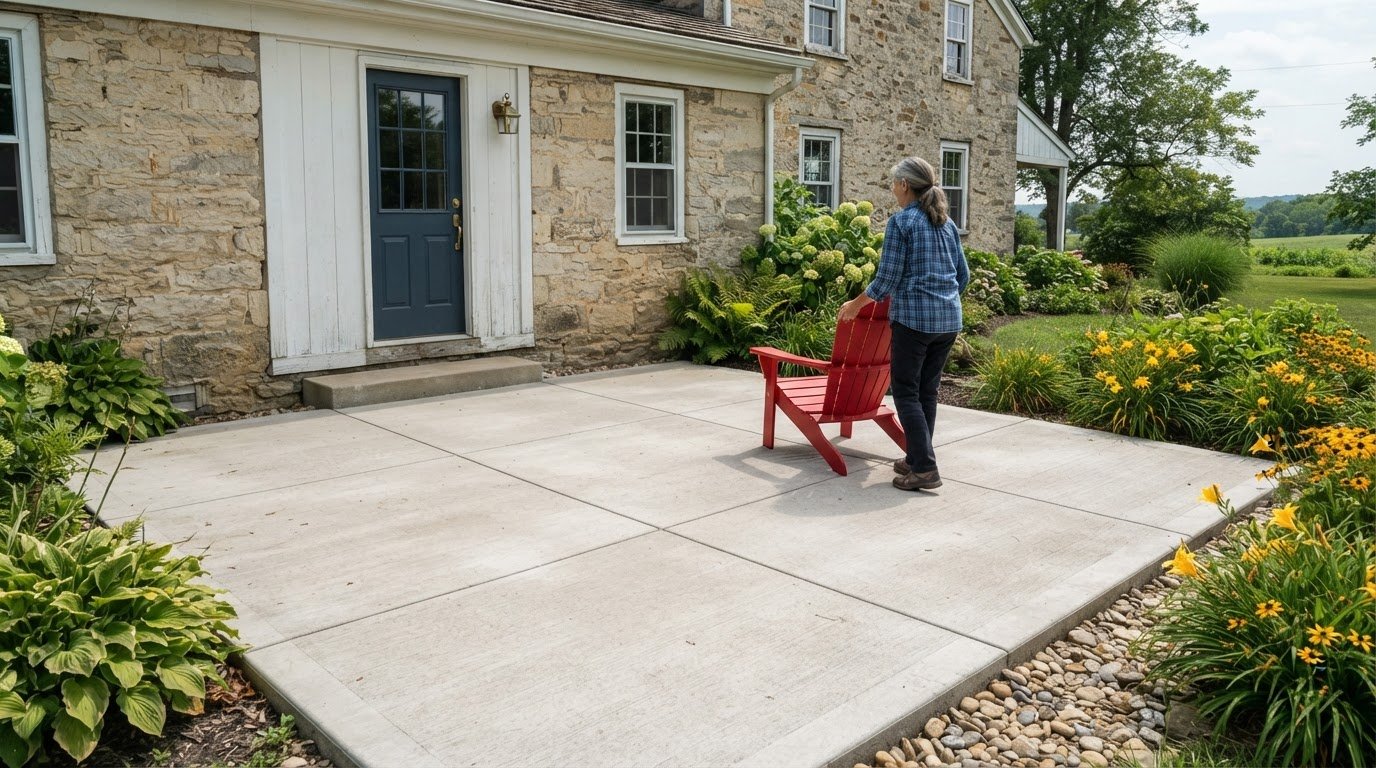
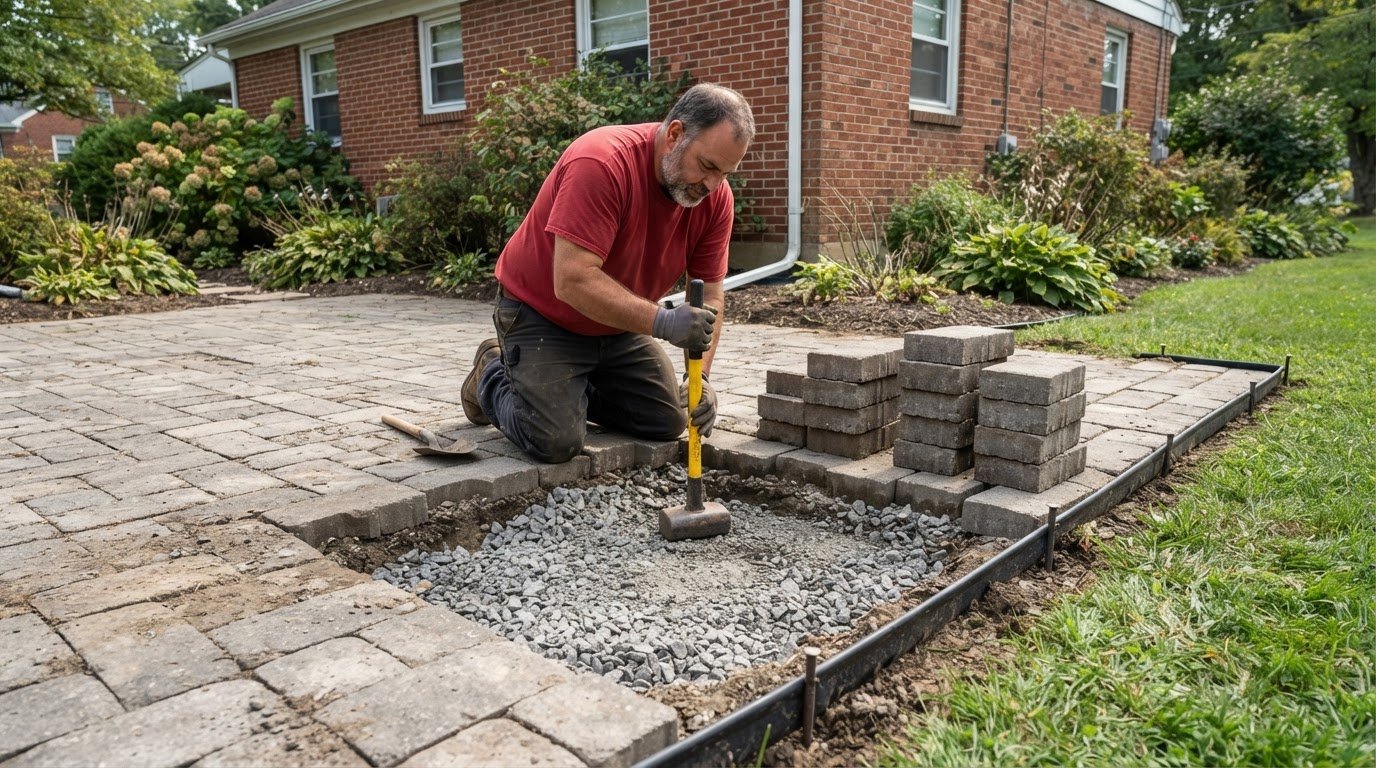
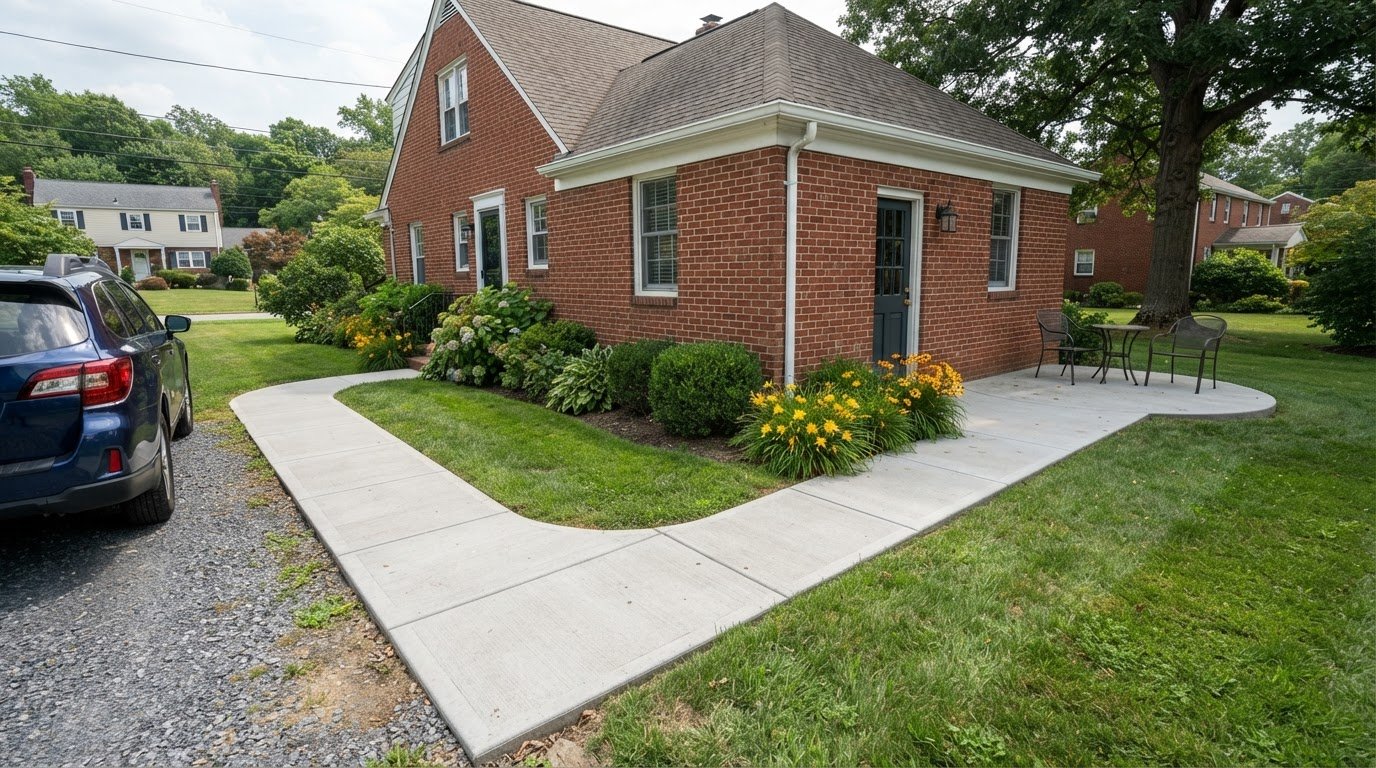
That next step may connect tree work with a broader outdoor improvement. Lawn Mowing & Maintenance can help keep a yard maintained, while Custom Patio Installation or Retaining Wall Construction can shape how you use the space. Choose the direction that fits your property instead of leaving the area without a plan.
Start by describing the outcome you want and the work already on your property. A clear project goal makes it easier to move from tree removal toward a more functional outdoor space. Plan your next step with Snappy Landscaping, and move forward with confidence.
Frequently Asked Questions
How can I tell if a tree needs to be cut down?
Damage, decline, safety concerns, and effects on the property can indicate that removal may be needed. Look for storm-damaged branches, ongoing decline, or interference with a planned use of the yard. One symptom alone doesn’t settle the decision. An assessment can help distinguish a removal concern from one that may be addressed through pruning or other maintenance.
How much does it cost to cut a tree down?
Pricing varies based on property size, service frequency, and maintenance requirements, and a free estimate is provided for every property. For tree work, describe the tree and the requested scope, including whether the job involves trimming, removal, or storm cleanup. Also mention the property’s access conditions and desired cleanup. Those project details help frame the work included in the estimate without relying on a broad average.
What is the safest way to cut down a tree?
Have a professional handle removal when nearby obstacles make the work difficult. Specialized equipment and tight work areas can create serious risks for inexperienced operators. Don’t start cutting if the tree is close to a structure or utility line. Describe the location and surrounding features so the work plan accounts for the actual site, rather than treating every tree as an open-yard job.
Where can I find small tree removal services in Mountville, PA?
Snappy Landscaping provides tree trimming, tree removal, shrub removal, overgrowth clearing, and storm cleanup throughout Lancaster County. For a small tree in Mountville, share the property location, reason for removal, and nearby landscape features. This helps clarify whether you need tree removal, branch trimming, or storm cleanup. The service is available for residential and commercial properties.
What does small tree removal cost in Mountville, PA?
There’s no fixed price for small tree removal in Mountville. Snappy Landscaping provides free estimates, and pricing varies based on property size, service frequency, and maintenance requirements. Explain whether you need tree removal alone or related cleanup as well. A clear description helps define the project scope instead of relying on a general cost figure.
Are tree removal companies near Mountville licensed and insured?
Snappy Landscaping is licensed and insured, and its team is background-checked. Its service areas are Lancaster, PA; Mountville, PA; Columbia, PA; Landisville, PA; Manheim, PA; Mount Joy, PA; Lititz, PA; Ephrata, PA; East Petersburg, PA; Millersrow, PA; Elizabethtown, PA; Leola, PA; New Holland, PA; Willow Street, PA; Strasburg, PA; Quarryville, PA; Denver, PA; Hempfield, PA; East Hempfield, PA; West Hempfield, PA.
Should I remove a small tree myself or hire a professional?
DIY may be reasonable when the tree and work area are straightforward and you have the skills and equipment for the task. Professional help is the better choice when the tree is near a building or utility line, or removal requires specialized equipment. Compare the full scope, including cleanup and stump plans, rather than judging by the tree’s apparent size alone.
What are the risks of removing a small tree near power lines or structures?
A falling trunk or branch can strike a building, damage landscaping, or reach a utility line. Cutting can change how a tree moves, making a restricted work area harder to manage. Stay away from a tree touching a line and don’t attempt removal there. Before work is planned, tell the tree professional about nearby structures, lines, walkways, and access obstacles.