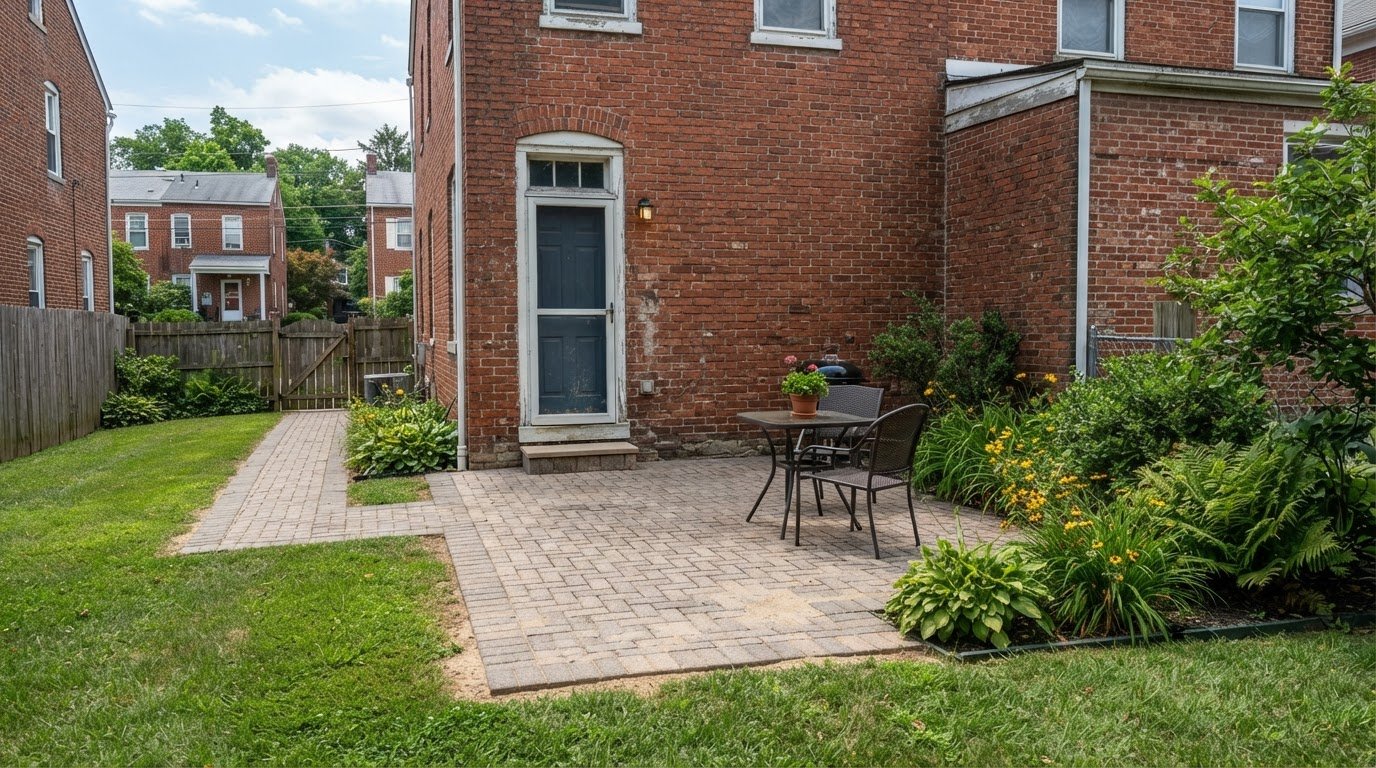

In natural or undeveloped environments, roughly 10% of stormwater runs off into local waterways. Runoff is rain or melting snow that flows across the ground instead of soaking in. In Lancaster, PA, stormwater management starts with understanding how roofs, driveways, and other hard surfaces change that flow.
It’s easy to focus on where water pools during a storm. But what happens after it leaves your property matters too: runoff can carry sediment, leaves, litter, and other pollutants toward nearby waterways. Effective stormwater management considers both immediate drainage and the effects of construction or landscaping changes that add or alter impervious surfaces.
This guide explains how impervious-area calculations fit into stormwater planning in Lancaster, what post-construction management involves, and how pollution prevention and practical site choices can help control runoff. You’ll learn about local considerations that shape a property’s approach and the steps to take when planning improvements.
Impervious area calculations
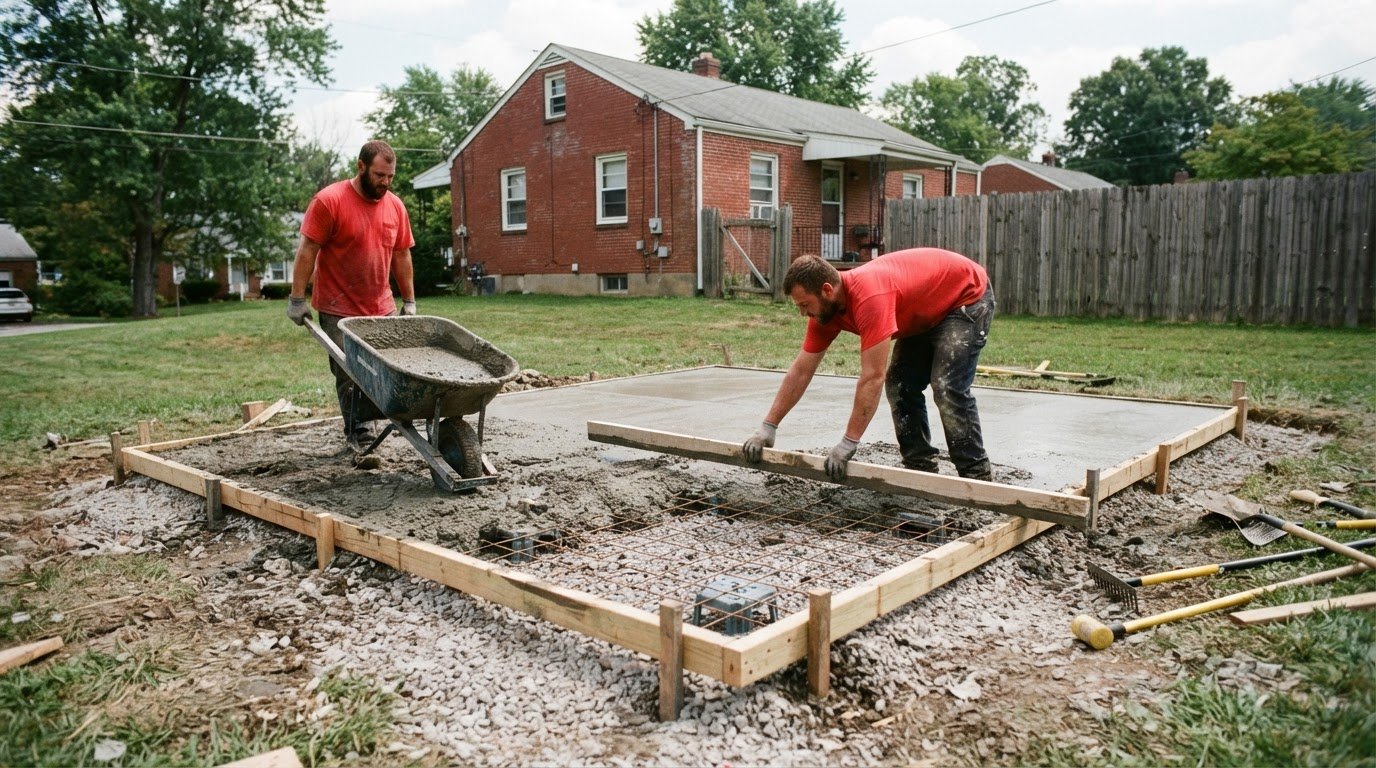
Start by identifying surfaces that prevent rain from soaking into the ground. Roofs, driveways, sidewalks, and parking areas all affect runoff calculations. On a site plan, measure each surface separately and distinguish existing impervious area from proposed additions. A new patio, widened driveway, or expanded roof changes the area that directs water across the property.
Keep measurements organized. Mark each surface boundary on the plan and record its area in consistent units. Add proposed impervious areas to calculate the project’s total new coverage. For example, list a roof addition, driveway extension, and walkway separately before totaling them. This breakdown makes the calculation easier to review and revise.
The total matters because Lancaster, Pennsylvania, generally requires a stormwater management site plan for regulated activities unless a specific exemption applies under § 260-502. Regulated activities generally may not increase postdevelopment runoff volume for storms up to and including the two-year, 24-hour event. They must also permanently remove at least 1 1/4 (1.25) inches of runoff from new impervious surfaces, a requirement identified as of 2022.
There is a narrow exception for an unmanageable impervious area. Lancaster allows that exemption only when the area is less than 500 square feet and less than 10% of the total new impervious area, and equivalent-area compensation isn’t feasible. Treat those conditions separately: being below the square-foot threshold alone doesn’t satisfy the stated criteria.
- Map existing surfaces: Show roofs, driveways, and other impervious areas already on the property.
- Mark proposed work: Identify every new or reconstructed surface that changes the site’s runoff pattern.
- Calculate the totals: Record the area of each proposed surface and add them for the new impervious-area figure.
Accurate area totals help planners assess how much runoff needs to be managed after construction. The calculation also supports decisions about site layout and stormwater measures. Lancaster’s green infrastructure program began in 2010, and the city manages approximately 44-million gallons of stormwater per year through projects in its combined sewer system.
Property owners may also reduce the City of Lancaster’s stormwater management fee by up to 50% through credits for eligible management measures. The calculation is one part of the larger planning picture: surface area, project activity, and the selected runoff controls all inform how a site handles rain after development.
Across communities, permit thresholds can vary: some communities exempt projects adding <500 or <1000 square feet of impervious area from stormwater management permits, while some allow small project permits for projects adding less than 2000 or less than 2500 square feet of impervious area. Check the applicable local threshold before relying on a small-area calculation. Stormwater management controls precipitation runoff from impervious surfaces such as parking lots, driveways, sidewalks, and rooftops, so a clear surface inventory helps define what must be assessed.
Geographic context also matters when identifying the relevant area. The Indian Land portion of Lancaster County, South Carolina, is considered part of the Charlotte Urbanized Area.
Post-construction stormwater management
After construction, runoff controls must continue working as the site is used. Lancaster’s rules address site plans, permit review, facility upkeep, and stormwater fees.
Property Requirements and Ordinances
The City of Lancaster identifies its Stormwater Management Ordinance as Chapter 260. Regulated activities generally need a stormwater management site plan unless specifically exempted under § 260-502. The plan addresses runoff after development, including changes to impervious surfaces and the controls intended to manage them.
For the 100-year event, Lancaster requires applicants to match predevelopment and postdevelopment hydrographs, with postdevelopment peak rate and runoff volume no greater than predevelopment values. Redevelopment sites with at least 85% impervious cover may use alternatives such as green infrastructure or on-site detention. Review the site’s existing conditions and proposed layout together, because they shape the management approach.
Permits and Applications
The City reviews stormwater permit applications for projects involving new or reconstructed impervious areas and earth disturbance, including grading and demolition. Start with the proposed work and its site plan, then determine whether a specific exemption applies. Keep approved stormwater management site plans on site for the duration of the regulated activity.
In Pennsylvania, earth disturbance exceeding 1 acre requires an NPDES permit by law, according to the Pennsylvania Department of Environmental Protection. The City of Lancaster Stormwater Bureau responds to ordinance violation complaints with site inspections and may issue violation notices. The available local information describes that response, but does not establish a specific penalty amount.
Maintenance is also part of the permit process. Small-project BMPs require an Operation & Maintenance agreement describing the ongoing care of those measures. The City’s Stormwater Bureau regularly inspects stormwater infrastructure, issues maintenance and repair work orders, and conducts follow-up inspections. For private facilities, use the approved plan and applicable agreement to guide upkeep.
System Costs, Fees, and Credits
System costs depend on the property’s layout, the selected control measures, construction requirements, and ongoing maintenance needs. These factors vary by site, so an estimate should account for the proposed work and the drainage conditions it must address. There is no single system price that applies to every property.
The City identifies its Stormwater Management Fee Ordinance as Chapter 261. Eligible stormwater management measures can qualify for fee credits. The City’s Stormwater Residential Grant Program funds homeowners’ small-scale green infrastructure projects, including rain gardens, permeable pavers, and dry wells. Schools may also apply for fee credits for providing stormwater classroom instruction.
For a hardscape project, discuss your site layout and project needs before construction begins. Factoring runoff controls into the layout helps connect proposed surfaces with practical post-construction management.
Stormwater pollution prevention actions
For a stormwater ordinance concern in Lancaster, report it to the City of Lancaster Stormwater Bureau. The Bureau responds to violation complaints with site inspections and may issue violation notices. For flooding, drainage trouble, or visible pollution, describe the location and what you observed clearly.
Stormwater runoff can carry motor oil, pet waste, fertilizers, pesticides, grass clippings, leaves, litter, and sediment into nearby waterways. These pollutants can enter drains with rainwater rather than being treated first. A practical prevention plan starts by identifying where water flows across the property and where loose materials could wash into a drain or stream.
Use these routine steps to reduce pollution at its source:
- Contain vehicle fluids: Store oil and other vehicle liquids securely, and clean spills promptly so rain cannot carry them toward a drain.
- Collect pet waste: Pick it up from yards and paths rather than leaving it where runoff can carry it away.
- Manage lawn products: Apply fertilizers and pesticides carefully, following product directions and keeping granules or liquid away from drainage paths.
- Clear loose debris: Gather leaves, grass clippings, and litter before rain moves them into catch basins or waterways.
- Limit sediment movement: Keep disturbed soil from washing off a work area and into nearby drainage routes.
During outdoor work, keep materials and debris away from places where water collects or flows. For example, sweep up loose soil after grading instead of rinsing it into a driveway drain. Store fertilizer bags under cover, and collect clippings after mowing near a drainage channel. These simple practices target contaminants that runoff can carry.
Lancaster's City Stormwater Bureau works with the Bureau of Wastewater to develop and implement plans that reduce overflows from the City's Combined Sewer System. The City of Lancaster estimates that its 60 green infrastructure projects within the combined sewer system reduce combined sewer overflows by approximately 35-million gallons per year. These projects address system-wide flows, while property-level prevention reduces pollutants entering stormwater.
Inspect drainage routes after a storm and note where water carries visible debris or sediment. Keep drains clear of leaves and litter, and avoid directing wash water into storm drains. If a problem recurs in the same spot, record its location and the conditions you observed, then report the concern to the City of Lancaster Stormwater Bureau.
Pollution prevention works best as part of a regular property routine. Combine careful storage, cleanup, and disposal with attention to runoff paths around driveways, walkways, and work areas. This helps keep motor oil, yard waste, and sediment from leaving the site during rain.
Best management practices
Choose stormwater best management practices, or BMPs, based on the site’s drainage pattern and post-construction goals. Lancaster’s approach considers runoff rate and volume, storage, and where water travels after leaving impervious surfaces. A rain garden, permeable surface, or on-site detention area may help manage runoff, but each option must suit the property’s layout and design requirements.
Start with the site plan. Trace how water moves from roofs, walks, and parking areas, then identify where a BMP can collect or manage that flow. Lancaster requires applicants to match predevelopment and postdevelopment 100-year hydrographs, with postdevelopment peak rate and runoff volume no greater than predevelopment values. That comparison makes the proposed system’s performance central to the design.
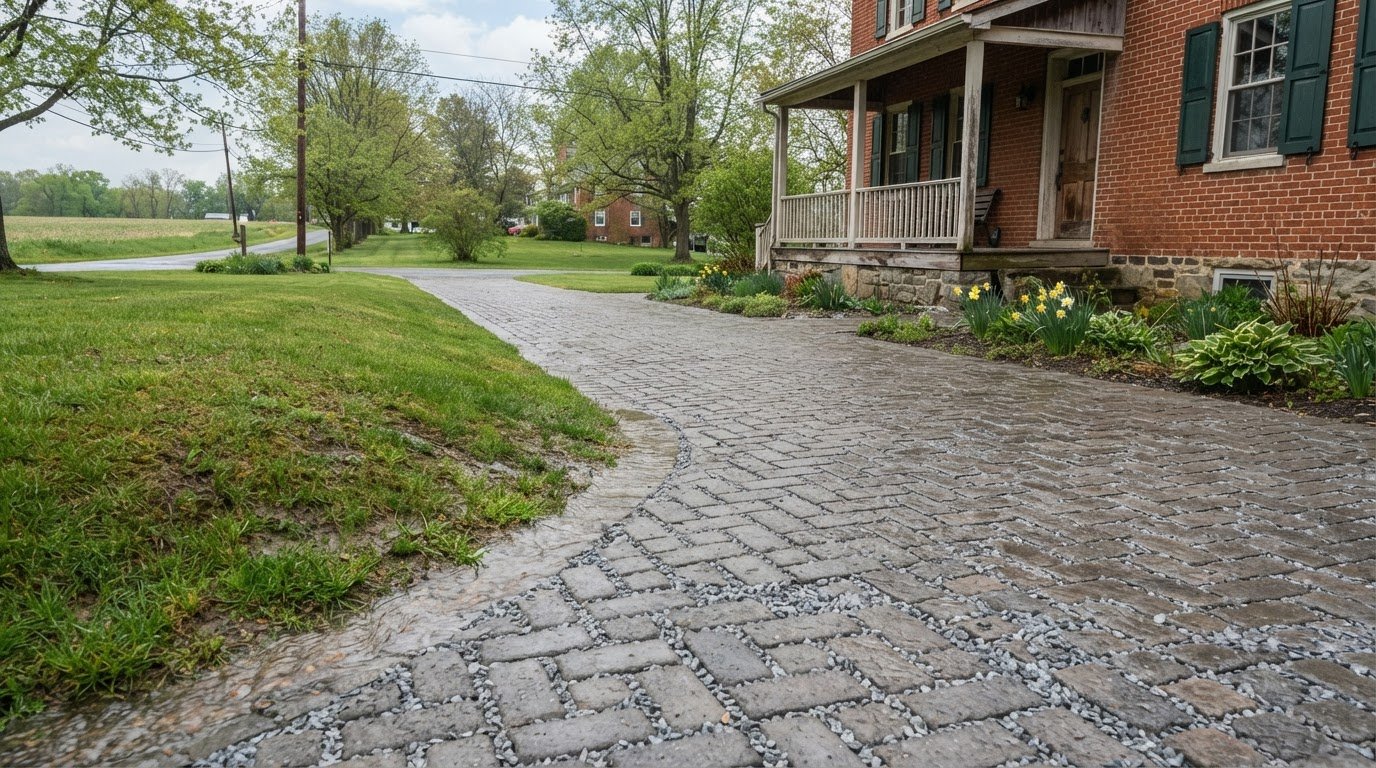
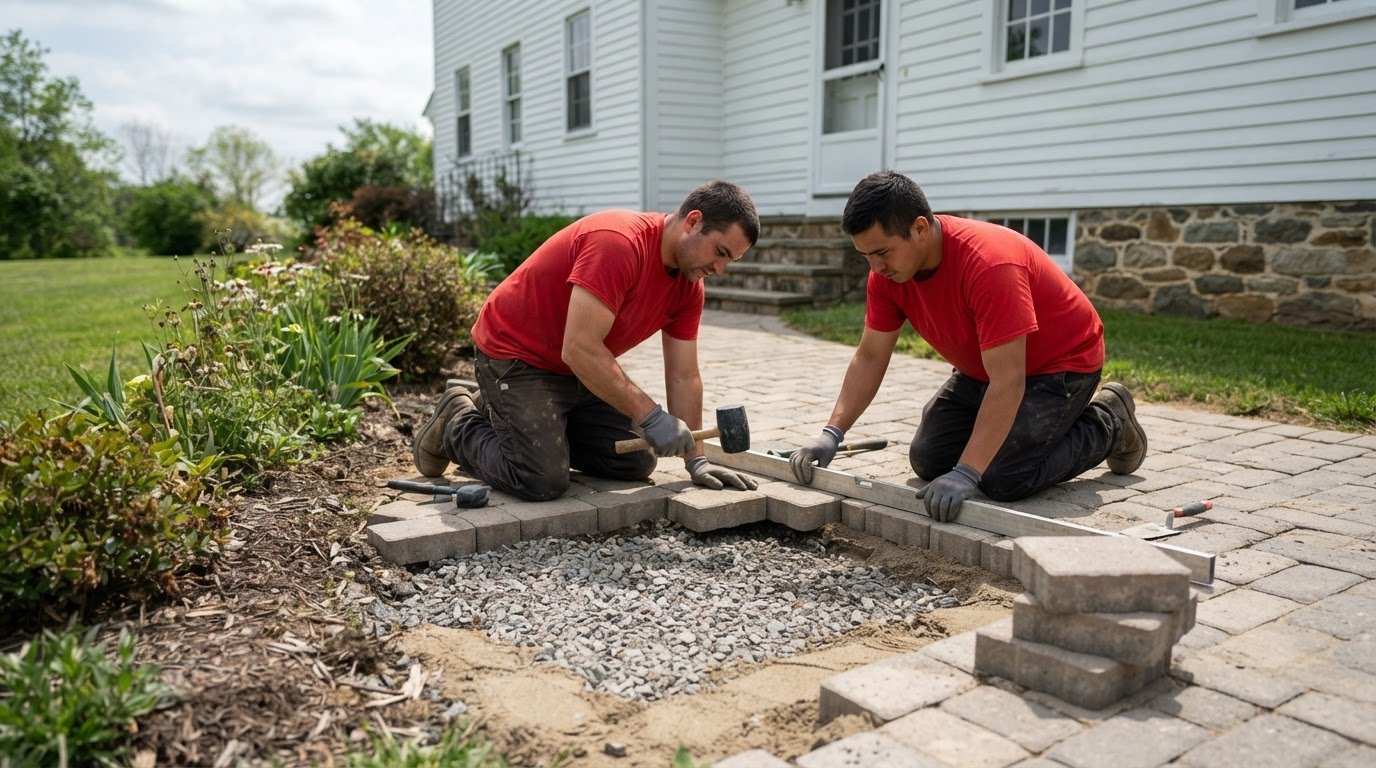
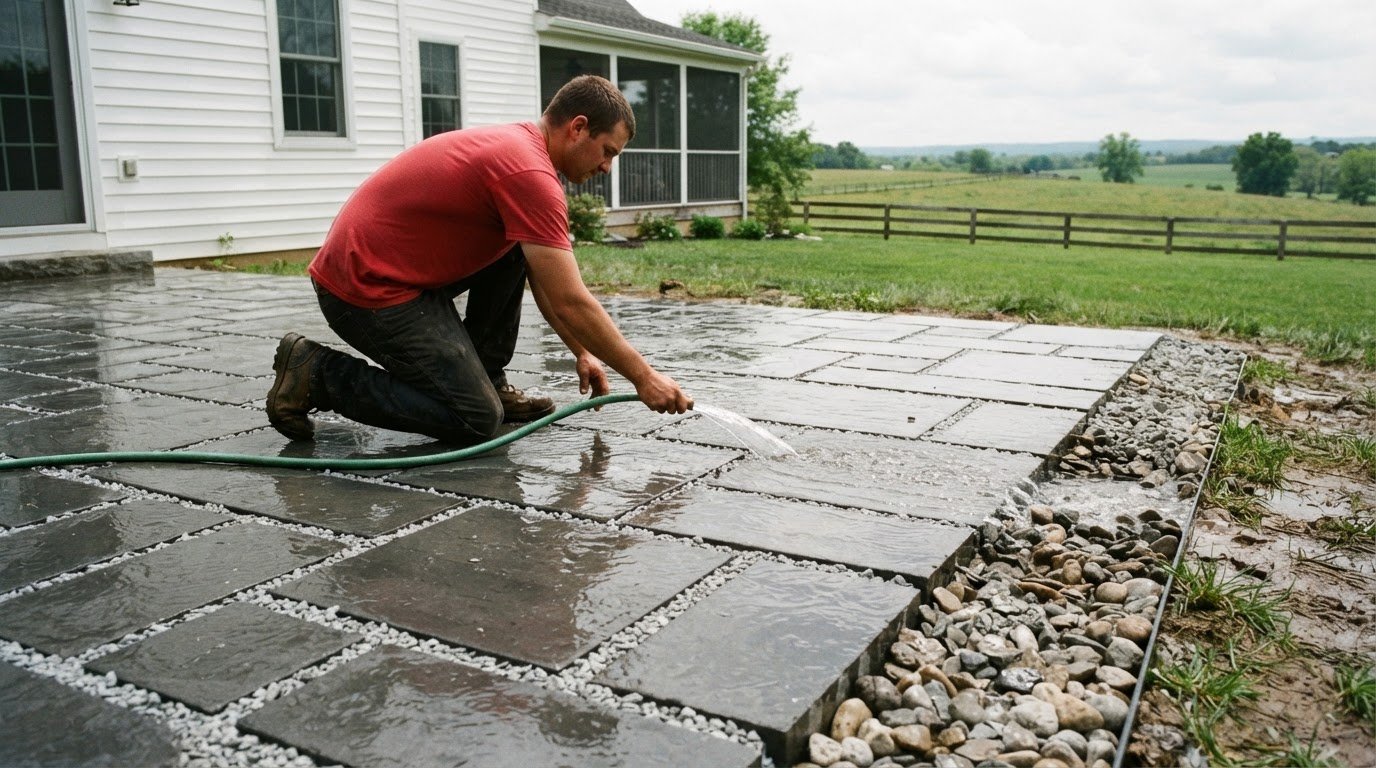
- Use green infrastructure: Rain gardens and permeable pavers are examples of measures used to manage stormwater at a property.
- Consider on-site detention: Storage can hold runoff and control its release after rainfall.
- Check the drainage route: Keep the BMP’s inlet, storage area, and outlet aligned with the site’s flow pattern.
- Plan for access: Leave room for inspection and maintenance where stormwater facilities need ongoing care.
Storage design matters too. Normally dry, open-top stormwater storage facilities must drain rate-control storage over at least 24 hours and no more than 72 hours from the peak 100-year water-surface design elevation. This range affects how a facility releases stored runoff. Lancaster may also require a minimum 10-foot-wide inspection and maintenance access easement for facilities with tributary areas of at least 1,000 square feet outside a public right-of-way.
Site conditions can change which BMPs are practical. Redevelopment sites with at least 85% impervious cover may use alternatives, including green infrastructure and on-site detention, rather than draining impervious areas to pervious areas on site. For stormwater facilities over karst, Lancaster requires at least 24 inches between the facility bottom and the limiting zone, unless the City accepts a smaller separation based on the BMP’s design criteria.
Modeling also accounts for timing. Lancaster allows up to a six-minute shift in hydrograph peak time and up to a 5% rate variation at a given time when accounting for stormwater BMP timing effects. Each sheet-flow or overland-flow reach is limited to 100 feet before shallow concentrated or open-channel flow develops. These criteria make grading and surface routing part of BMP planning, not finishing details.
Plan for maintenance as part of the design. Keep facility access clear, preserve the intended flow path, and address sediment or debris that could interfere with an inlet or outlet. A BMP works as designed only when its layout, storage, release path, and upkeep work together.
What stormwater management requirements apply to properties in Lancaster, PA?
Lancaster’s stormwater requirements depend on the proposed work, earth disturbance, and site conditions. The City program includes compliance with the National Pollutant Discharge Elimination System Municipal Separate Stormwater System (MS4) permit, while its local Stormwater Management Ordinance is Chapter 260.
For regulated activities, Lancaster generally requires a stormwater management site plan unless specifically exempted under § 260-502. The plan connects the proposed work to runoff controls and drainage calculations. It must address how development changes runoff volume, peak flow, and movement across the property, rather than treating each new surface as an isolated feature.
Runoff requirements include permanently removing at least 1 1/4 (1.25) inches from new impervious surfaces, as of 2022. Lancaster also requires applicants to match postdevelopment and predevelopment 100-year hydrographs, with postdevelopment peak rate and runoff volume no greater than predevelopment values. These criteria help determine what the site plan must demonstrate.
- Check the disturbance scope: Pennsylvania projects that disturb more than 1 acre of earth require an NPDES permit by law, according to the Pennsylvania Department of Environmental Protection.
- Review large drainage areas: Calculations for areas greater than 200 acres and times of concentration greater than 60 minutes must use accepted techniques based on the NRCS soil-cover complex method.
- Map stream edges: A riparian corridor easement must extend to the 100-year floodplain limit or 35 feet from the top of the streambank on each side, whichever is greater.
Property location and soil conditions can add design constraints. For example, a stormwater facility over karst requires at least 24 inches between its bottom and the limiting zone, unless the City accepts a smaller separation based on the BMP’s design criteria. Lancaster also requires approved stormwater site plans to remain on site for the duration of the regulated activity.
Use the proposed site plan to connect each requirement with a design decision: disturbance limits, drainage areas, impervious surfaces, and nearby streams. That organized review helps identify which calculations and controls apply before construction changes the property. For help planning your property’s drainage and site work, share the project scope and layout.
For regulated activities, prepare a stormwater management site plan that explains runoff controls and drainage calculations, including how the work affects runoff volume, peak flow, and movement across the property. If the project disturbs more than 1 acre, it also requires an NPDES permit; keep an approved stormwater site plan on site for the duration of the regulated activity.
The required permanent runoff-removal depth is based on 90% of long-term daily rainfall and must be updated at least every five years using the latest rainfall data. Earth disturbance activities disturbing less than 5000 square feet may not require a written erosion and sediment control plan, but may still require erosion and sediment BMPs.
In most communities, a stormwater management plan is required for projects involving earth disturbance unless the project qualifies for an exemption or as a Small Project. Small projects usually require a Minor Stormwater Site Plan that includes the design and implementation of stormwater BMPs to manage runoff. Some earth-disturbance projects may qualify for coverage under a General NPDES Permit, while projects in special protection watersheds or areas that support endangered species might require an Individual NPDES Permit.
Snappy Landscaping
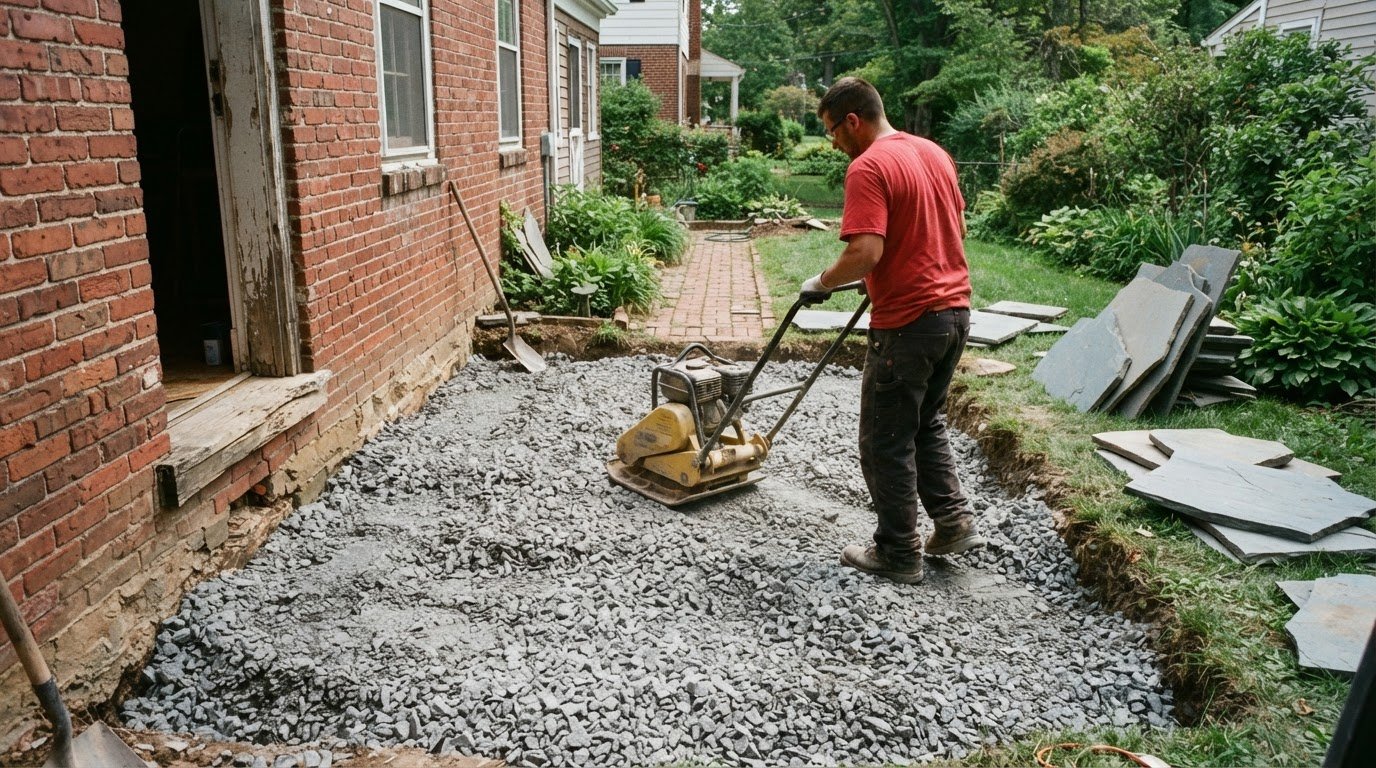
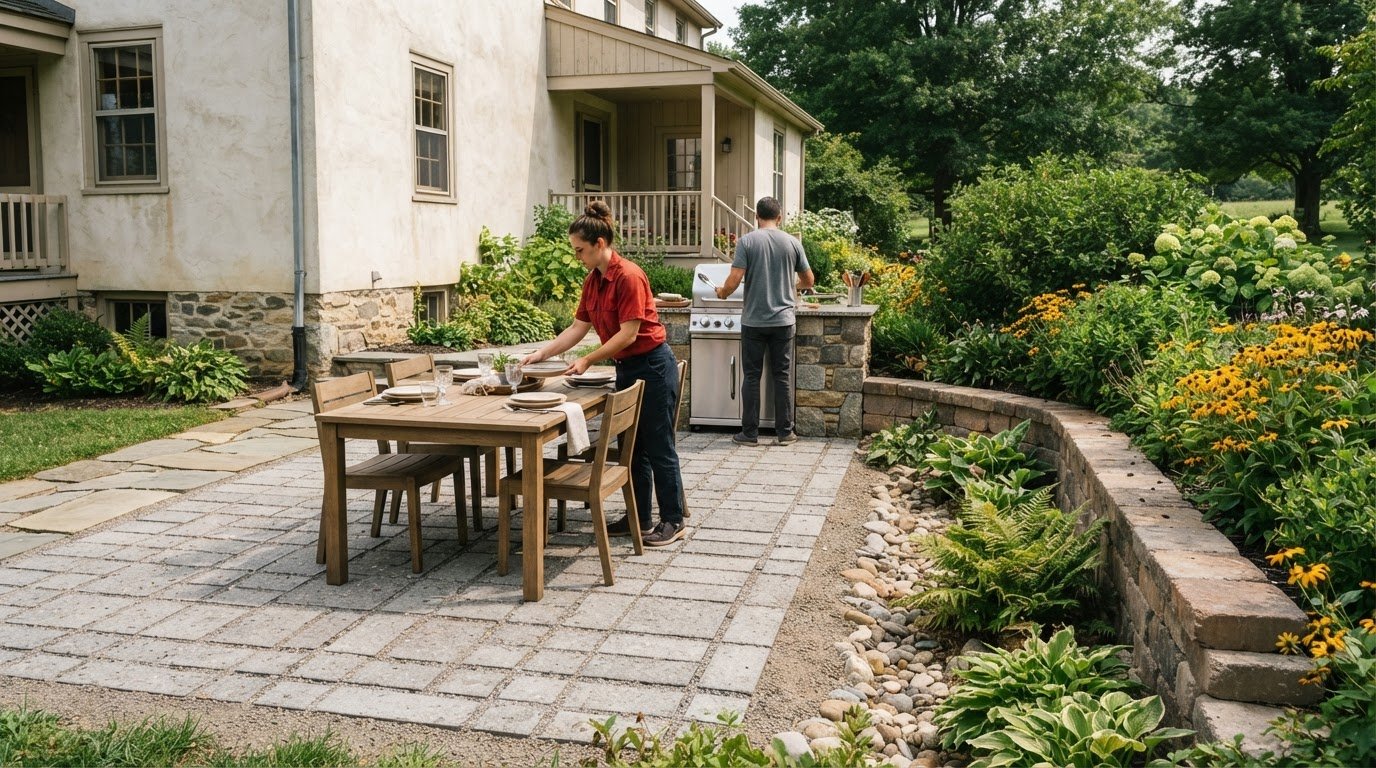
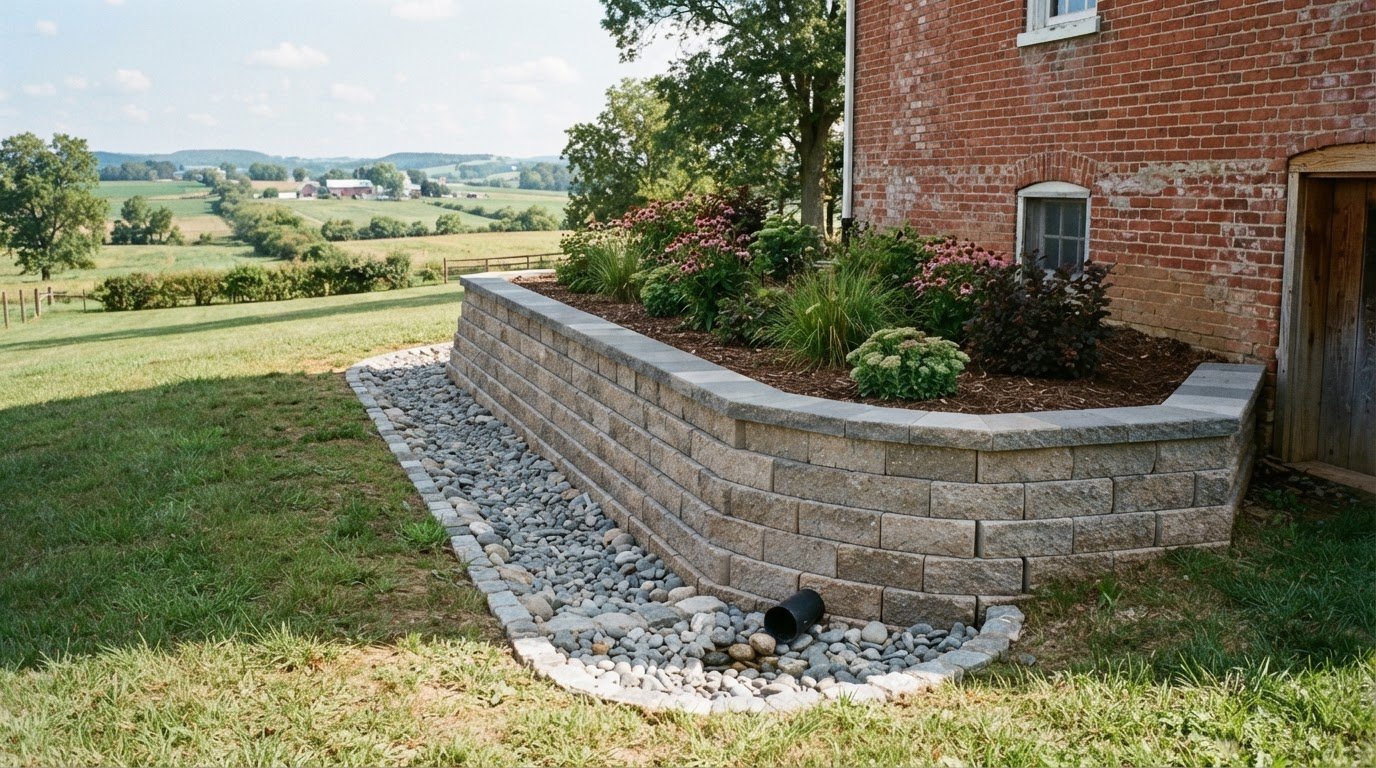
Snappy Landscaping helps property owners in Lancaster, Columbia, and Mountville address outdoor drainage concerns and plan practical site improvements. If runoff affects your yard or a planned project changes how water moves, consider how drainage solutions, landscaping, and hardscape work fit your property. Custom patios, retaining walls, and walkways can be planned with the surrounding layout in mind, making water movement part of the broader site discussion.
Bring the project scope and the areas where water collects or flows. That context helps shape a practical conversation about the outdoor work involved. For questions about a property project, contact Snappy Landscaping.
Plan your next property improvement
Make your next project an opportunity to manage water more thoughtfully. For stormwater management in Lancaster, PA, consider how rain moves across your property alongside plans for outdoor spaces. Lawn Mowing & Maintenance, Custom Patio Installation, and Retaining Wall Construction can each fit into a broader site plan when placement and surrounding ground conditions are considered together.
Start with the property issue that needs attention, such as water collecting near a walkway or a planned change to the yard. A clear project scope helps guide the conversation and keeps practical site needs in view. Contact Snappy Landscaping to discuss your property project and take a confident next step toward a more functional outdoor space.
Frequently Asked Questions
What is Stormwater Runoff?
Stormwater runoff is rain or snowmelt that flows over land instead of soaking into soil. For example, rain landing on a roof may travel through a downspout, cross a paved drive, and reach a storm drain. The route matters because water can pick up material along the way. Note where runoff starts, where it concentrates, and where it leaves the property.
What are the stormwater management requirements for new construction and redevelopment in Lancaster County?
Requirements depend on the applicable local jurisdiction. Within the City of Lancaster, Chapter 260 generally requires a site plan for regulated activities unless an exemption under § 260-502 applies. Plans address runoff controls for new construction or redevelopment, including impervious area and drainage design. A redevelopment site with at least 85% impervious cover may use alternatives such as green infrastructure or on-site detention.
What stormwater best management practices are recommended for Lancaster, PA properties?
Rain gardens, permeable pavers, and dry wells are examples of practices used to manage stormwater. A rain garden, for instance, can receive runoff routed from a nearby roof. Choose a measure that fits the site’s drainage path and physical conditions, then plan for maintenance access. Keep inlets and outlets clear, and follow the approved plan so the system continues to function as designed.
How do I apply for a stormwater management permit in Lancaster, PA?
Prepare a site plan showing the proposed work and submit a stormwater permit application for City review if the project involves new or reconstructed impervious areas or earth disturbance, such as grading or demolition. Check whether a specific exemption applies under § 260-502; keep any approved site plan on site during the regulated activity.