
Is your backyard a functional living space or a drainage liability that keeps you up during every heavy Pennsylvania storm? It's easy to focus on the beauty of a new patio, but the landscape grading Lancaster County properties require is what actually determines the lifespan of your outdoor investments. You've likely dealt with the frustration of standing water or the fear of foundation damage after a typical downpour. You aren't alone in wanting a property that stays dry and stable regardless of the weather.
This guide explains how professional grading protects your home's structural integrity while creating the perfect foundation for future growth. We'll show you how to eliminate basement leaks and prepare your land for durable walkways and patios. You will discover the latest 2026 standards for slope requirements, local municipal stormwater regulations, and the proactive steps required to restore order to your property. From meeting IRC foundation standards to navigating Lancaster County Conservation District rules, we provide the clear, actionable information you need to secure your home and your peace of mind.
Understanding Landscape Grading in Lancaster County
Landscape grading is the strategic reshaping of land to direct water flow away from structures. This process serves as your property's primary defense against foundation erosion and basement flooding. By applying civil and landscape grading principles, we transform a problematic yard into a functional, dry environment. In Lancaster County, this isn't just about aesthetics; it's about engineering a solution that accounts for our unique local geology and weather patterns.
The Role of Topography in Property Maintenance
Properties in Lancaster, Columbia, and Mountville often face drainage issues caused by natural slopes and long-term soil settling. If your home was built on a hillside or in a low-lying valley, water naturally seeks the easiest path, which is often your foundation. We utilize a 2% slope as the industry standard for effective water diversion. This means the ground drops at least one-quarter inch for every foot of distance. For homeowners planning a custom patio installation, achieving this precise level of accuracy is mandatory to prevent pooling and structural failure. Older homes in historic areas like Columbia are particularly susceptible to shifting, making regular assessments of your yard's pitch a vital part of property maintenance.
Lancaster Soil: Clay, Limestone, and Drainage
Lancaster’s clay soil retains moisture, increasing the risk of foundation pressure. This dense material acts like a sponge, holding onto water long after a storm passes. Without proper landscape grading Lancaster County yards often suffer from the "bathtub effect," where water sits in the loose backfill around your foundation because the surrounding native clay is too compacted to let it escape. We prioritize testing soil compaction before the final grading begins. This step ensures the ground is stable enough to support retaining wall construction or heavy hardscapes. Our approach also accounts for the limestone bedrock prevalent in the region, which can lead to sinkholes if runoff is not managed correctly. We focus on dispersing water safely across the surface rather than letting it concentrate in high-risk areas, ensuring your landscaping services result in a lasting, healthy environment.
5 Signs Your Property Needs Professional Grading
Property owners often overlook subtle shifts in their terrain until a major storm causes visible damage. Recognizing these early warning signs can save you thousands in foundation repairs and landscaping replacements. If you notice any of the following issues, it is time to evaluate the landscape grading Lancaster County homes require for long-term stability.
- Persistent Standing Water: Puddles or "swampy" spots that remain in the lawn 24 hours after a rainstorm suggest poor infiltration and improper slope.
- Visible Soil Erosion: Noticing "washouts" or deep ruts along the sides of your home indicates that water is moving too quickly or in the wrong direction.
- Basement Dampness: Water stains, musty odors, or actual dampness on basement walls often stem from water pooling against the exterior foundation.
- Cracking Concrete: Shifting sub-grades can cause existing concrete walkways or patios to crack as the ground beneath them loses its level base.
- Dying Grass Patches: Water that pools for too long drowns the root system, leading to yellowing or dead patches of turf in low-lying areas.
Visible Water Issues and Yard Drainage
Identifying low spots is the first step in restoring order to your yard. These depressions often collect runoff from neighboring properties, turning your lawn into a collection basin for the entire block. Improper downspout placement frequently exacerbates these problems by dumping high volumes of water directly into these compromised areas. Effective drainage solutions Lancaster County residents rely on involve more than just pipes; they require a comprehensive look at how your land is pitched. If your downspouts aren't directing water at least ten feet away from your home's foundation, your current grading is likely underperforming.
Structural and Foundation Warning Signs
Negative grading, where the land slopes toward the house instead of away from it, is a critical threat to your home's structural integrity. This configuration creates intense hydrostatic pressure against your foundation walls, eventually leading to cracks and structural failure. Many homeowners attempt to hide these issues with a fresh mulch installation, but cosmetic fixes won't solve deep-seated drainage problems. According to Penn State Extension's residential stormwater guidance, managing runoff at the source is the most effective way to prevent erosion and protect local watersheds. Investing in the professional landscape grading Lancaster County experts provide ensures that water moves safely around your home, not into it. If you suspect your yard is working against your foundation, request a site evaluation to identify the permanent remedy.
The Landscape Grading Process: What to Expect
Professional landscape grading Lancaster County homeowners invest in starts with data, not guesswork. We use laser-leveling technology to map your property’s existing elevations and identify the exact path water takes during a storm. This initial assessment ensures our plan addresses the root cause of your drainage issues rather than just treating the symptoms. We don't just move dirt; we engineer a system that protects your home for decades.
Rough Grading vs. Finish Grading
Understanding the difference between rough and finish grading helps you manage expectations during the project. Rough grading involves moving large volumes of subsoil to establish the primary elevation and drainage paths. It’s the heavy lifting phase where we use skid steers and tractors to cut into high spots and fill in low areas. During this stage, we also install necessary underground components like French drains or catch basins. These systems work beneath the surface to move water away from critical areas before we finalize the top layers.
Once the sub-grade is set, we transition to finish grading. This is the precision work that ensures a smooth, mow-ready surface. We spread high-quality topsoil and use hand-raking techniques to remove debris and fine-tune the texture. Following Penn State Extension's lawn grading and site preparation guide, we aim for a consistent slope that prevents localized pooling while preparing the ground for successful seeding or sod. This meticulous attention to detail prevents future maintenance headaches and ensures your lawn remains healthy and easy to manage.
Implementing Swales and Berms
We often utilize swales and berms to manage runoff without the need for extensive underground piping. Swales are shallow, grass-lined channels designed to redirect water around your home’s foundation. Conversely, berms are strategically placed mounds that act as a barrier to block runoff coming from higher-elevation neighbors. Both features are essential tools in a comprehensive drainage strategy, especially in areas with significant topographical variation.
These features don’t have to look like industrial drainage projects. We integrate them naturally into your custom hardscaping to enhance your property's visual appeal. For example, a swale can become a beautiful dry creek bed with river stones, while a berm provides a perfect elevated bed for privacy plantings. This integrated approach ensures your yard is both highly functional and aesthetically pleasing. By blending engineering with design, we create a landscape that performs as well as it looks.
How Proper Grading Protects Your Landscape Investments
Every dollar you spend on your property depends on the stability of the soil beneath it. The professional landscape grading Lancaster County specialists perform acts as the structural insurance for your outdoor living spaces. Skipping this step leads to shifting pavers, leaning walls, and chronic drainage liabilities that decrease your home’s value. We prioritize functionality to ensure your investments remain durable for decades. A level, well-drained surface is not a luxury; it is a requirement for any lasting property improvement.
Preparing for Patios and Walkways
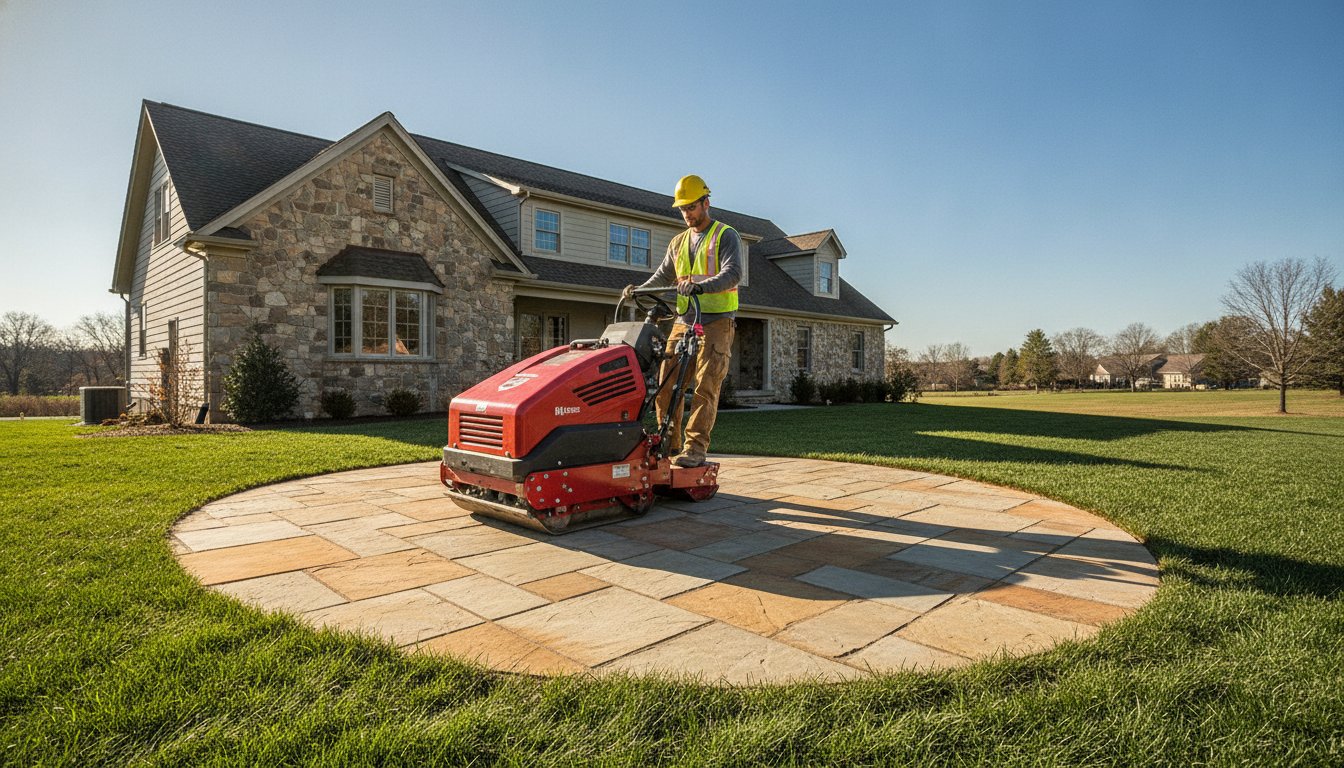
A professional patio installation always begins with precision grading. In Pennsylvania, the freeze-thaw cycle is a constant threat to hardscapes. When water pools beneath pavers, it expands as it freezes, causing the surface to heave and crack. We establish a strict pitch to ensure runoff moves away from your living area instantly. This prevents the sinking and uneven surfaces that turn a beautiful backyard into a tripping hazard. By creating a stable sub-grade, we protect the structural integrity of your concrete pads and walkways from seasonal ground shifts.
Protecting Your Lawn and Landscaping
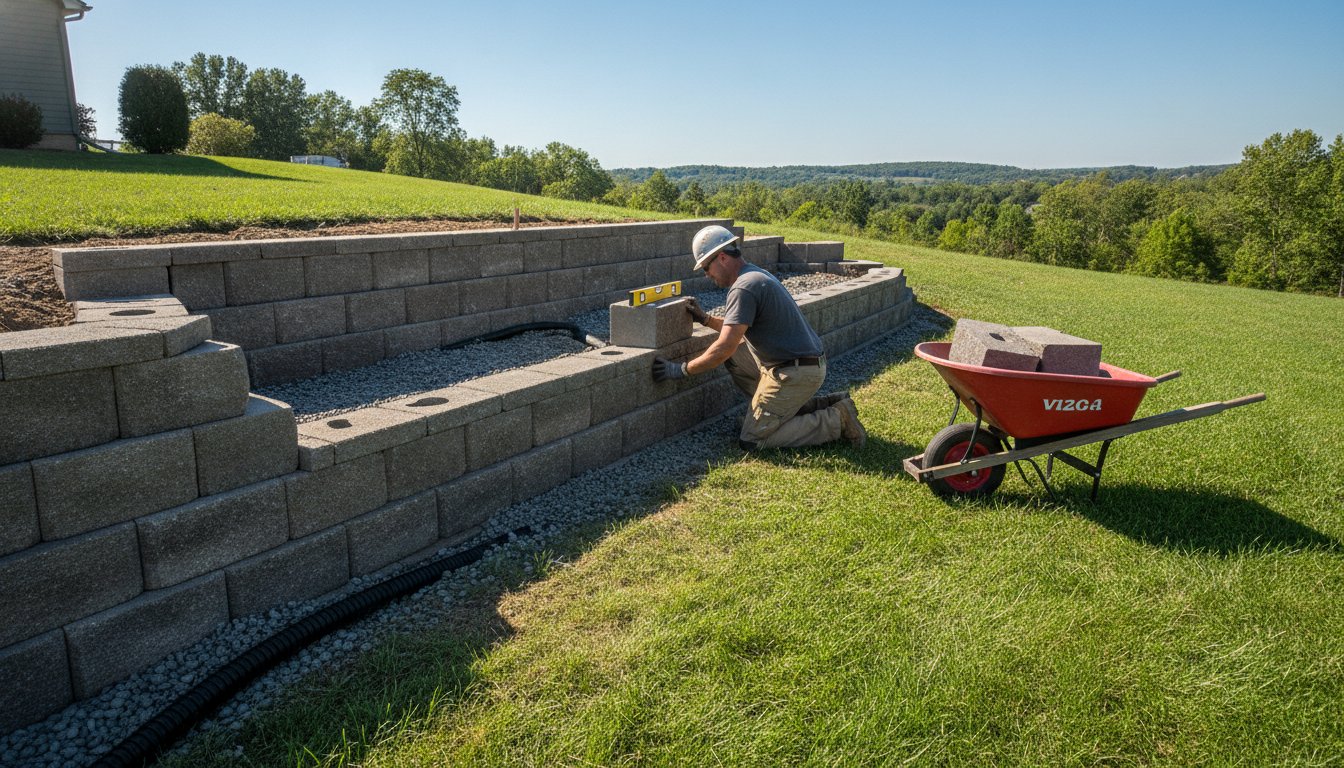
Grading creates an environment where your lawn maintenance efforts actually pay off. Proper slope management prevents nutrient runoff, ensuring your fertilizer stays in the root zone rather than washing into the street. There is also a critical synergy between surface grading and retaining wall drainage. If the ground above a wall isn't pitched correctly, excessive hydrostatic pressure will eventually cause the structure to fail. Correcting these slopes ensures that your retaining wall construction serves its purpose for a lifetime.
By addressing landscape grading Lancaster County issues now, you eliminate high-risk liabilities. You gain a usable backyard where new mulch installation and delicate plants can thrive without being swept away by the next storm. Protect your property today by choosing a partner who values long-term stability over quick fixes. Schedule your professional grading consultation to secure your landscape investment.
Professional Grading Services in Lancaster: The Snappy Approach
Snappy Landscaping bridges the gap between heavy excavation and refined landscaping. We bring technical precision to every project, ensuring your landscape grading Lancaster County needs are met with a focus on long-term performance. Whether you manage a residential property in Mountville or a commercial site in Lancaster, our team delivers a no-nonsense, solution-oriented process. We don't just move dirt; we restore the order and functionality of your entire outdoor environment. Our approach combines the power of heavy machinery with the delicate touch required to protect existing trees and structures.
We prioritize clear communication and methodical workflows. From the moment we provide an estimate to the final site cleanup, our goal is to remove the burden of property management from your shoulders. We understand that a grading project can be disruptive, so we work efficiently to minimize the impact on your daily routine. By integrating our grading work with our full suite of landscaping services, we ensure that your property doesn't just function better; it looks better too.
Local Expertise in Mountville and Columbia
Neighborhoods in Mountville often face unique challenges where tightly packed housing creates complex runoff patterns. We understand how to navigate these tight spaces without compromising the drainage of your neighbors. In Columbia, river-adjacent properties require specialized knowledge of high-water tables and specific soil saturation points. Our familiarity with Lancaster County municipal stormwater regulations, including the 2026 updates to Act 167 ordinances, ensures your project remains compliant. We manage the technical details of permits and erosion control so you don't have to worry about municipal red tape.
Ready to Fix Your Yard Drainage?
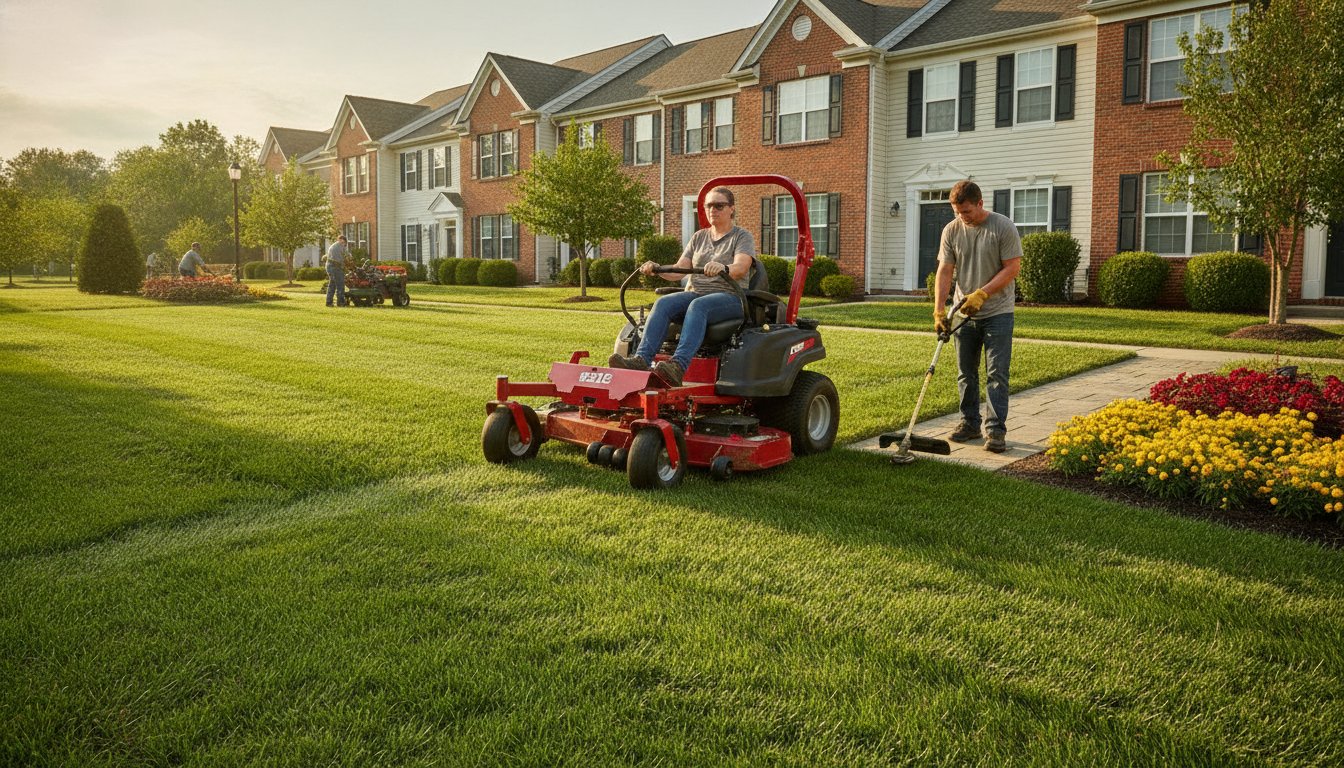
Choosing a single partner for your property needs eliminates the friction of managing multiple contractors. We provide an integrated approach where the same team handles your grading, lawn care, and hardscaping. This ensures that the drainage system we build today perfectly supports the lawn or patio we install tomorrow. Our process is transparent and efficient, moving quickly from the initial site evaluation to the final stabilization of your soil. We focus on creating a level base that makes future lawn mowing and maintenance easier for you or your HOA.
Stop letting standing water dictate how you use your yard. We provide the pragmatic solutions required to protect your foundation and reclaim your outdoor space. Contact Snappy Landscaping for a grading estimate today to begin the transformation of your property.
Secure Your Property with Professional Grading
Effective landscape grading Lancaster County residents invest in serves as the critical first line of defense against structural damage. You now understand that a level yard isn't just for aesthetics; it's a functional requirement that prevents foundation erosion and protects your basement from moisture intrusion. By addressing these drainage issues now, you ensure the longevity of every future hardscaping and lawn project on your property.
Snappy Landscaping is locally owned and operated in Lancaster County. We are specialists in both hardscaping and drainage, bringing a solution-oriented approach to every property management challenge. Our team focuses on restoring order and functionality so you don't have to worry about the next heavy Pennsylvania rainstorm. We manage the technical details and municipal requirements, leaving you with a usable, dry backyard that enhances your home's value.
Don't wait for a drainage liability to become an expensive repair. Take control of your terrain today. Get a Professional Grading Estimate from Snappy Landscaping and build a stable foundation for your perfect outdoor living space. We're ready to help you protect your home with confidence.
Frequently Asked Questions
How much does landscape grading cost in Lancaster County?
Total costs depend on the property's size and the severity of existing drainage issues. While general industry benchmarks for residential projects in 2026 often range between $1,000 and $3,330, complex overhauls involving excavation or retaining walls can exceed these figures. We provide custom estimates based on your specific topography and soil needs. Factors such as fill dirt volume and machinery labor rates will influence the final investment for your property.
Will grading my yard destroy my existing lawn?
Yes, professional landscape grading Lancaster County projects typically require removing existing turf to reshape the sub-grade. Because we move significant volumes of soil to correct slopes, the current grass cannot be preserved. However, this process creates a superior foundation for a new, healthier lawn. We finish the job by spreading high-quality topsoil, which prepares the area for successful seeding or sod installation once the drainage paths are established.
How long does a typical yard grading project take?
Most residential grading projects are completed within two to five business days. The timeline varies based on weather conditions, property size, and whether we are installing additional components like French drains or retaining walls. Heavy clay soil requires precise timing to avoid compaction during excavation. We provide a clear schedule during your site evaluation to ensure the work is finished efficiently without compromising the structural integrity of your land.
Do I need a permit for landscape grading in Lancaster, PA?
Permit requirements depend on your specific municipality and the scale of the earth disturbance. In many Lancaster County townships, projects creating over 1,000 square feet of disturbance require a Small Project Stormwater Management application. If the disturbance exceeds 5,000 square feet, Pennsylvania law mandates a written Erosion and Sediment Control plan. We stay current on local 2026 regulations to ensure your project meets all municipal and state standards.
What is the best time of year to regrade my yard?
Late spring and early fall are the ideal times for grading work in Pennsylvania. During these windows, the soil moisture levels are usually manageable, and the temperatures support rapid grass seed germination. Avoid regrading during mid-winter when the ground is frozen or during exceptionally wet periods. Working on saturated clay soil leads to severe compaction, which ruins natural drainage and makes it difficult to establish a healthy lawn later.
Can grading fix a wet basement permanently?
Grading is the most effective way to permanently stop surface water from reaching your foundation. By establishing a minimum 5% slope away from your home, we eliminate the hydrostatic pressure that causes basement leaks. While grading solves most external drainage problems, we may also recommend integrated drainage solutions like catch basins or downspout extensions for comprehensive protection. This proactive approach restores order and keeps your basement dry during heavy Lancaster County storms.
What is the difference between grading and leveling?
Leveling aims to create a perfectly flat surface, which is ideal for a patio base but dangerous for a backyard. Grading is the strategic sloping of the land to direct water flow toward a specific exit point. If you simply level your yard, water will pool in place rather than draining away. Professional landscape grading Lancaster County services ensure your property has the necessary pitch to protect your foundation while remaining functional and mowable.