
Did you know that in the City of Lancaster, you have exactly five hours after the snow stops to clear a 36-inch path before you're in violation of city code? It's a tight window that highlights the real pressure of winter property maintenance Lancaster County owners face every year. You already know that a single ice storm can turn a beautiful patio into a liability or a drainage flaw into a flooded basement. The freeze-thaw cycles of our local Zone 7a climate are relentless. They heave retaining walls and degrade expensive stonework before you even notice the damage.
You deserve a property that remains safe and functional regardless of the forecast. This 2026 guide delivers professional strategies to protect your investment and ensure safety with maintenance plans built for Lancaster's unique environment. We'll explore how to mitigate slip-and-fall risks, choose deicers that won't ruin your hardscaping, and perform the structural tree trimming necessary to survive heavy snow. By the end, you'll have a clear, actionable roadmap to keep your walkways clear and your landscape healthy until spring.
What is Winter Property Maintenance in Lancaster County?
Winter property maintenance in Lancaster County is a multi-faceted approach to property safety, landscape preservation, and structural protection. It goes far beyond simple plowing. In 2026, our region faces increasingly volatile weather patterns that demand a proactive strategy. Lancaster's shift into USDA Plant Hardiness Zone 7a means we experience more frequent freeze-thaw cycles. These rapid temperature swings cause frost heaving, a process where soil moisture expands and puts immense pressure on your hardscaping. Without a plan, this physical force can displace pavers and crack retaining walls in a single season.
A professional maintenance program focuses on three core pillars. First, snow and ice management keeps your surfaces accessible. Second, dormant plant care protects your landscape health. Third, hardscape preservation prevents structural failure. By addressing these areas before the first frost, you move from a reactive mindset to a proactive preservation model that maintains your property’s value year-round.
The Cost of Neglect vs. Proactive Preservation
Waiting for a problem to emerge is the most expensive way to manage your property. A dead limb that could have been handled with strategic tree trimming becomes a serious hazard when it snaps under the weight of heavy, wet snow. Similarly, ignored drainage issues allow melting snow to pool and freeze against your foundation. Investing in a professional property clean-up before winter sets in reduces long-term restoration costs. It ensures that your lawn, patios, and walkways remain intact and ready for the spring thaw without requiring costly emergency repairs.
Safety and Liability in the PA Winter
Safety is a legal requirement with strict local deadlines. In the City of Lancaster, property owners must clear a 36-inch path on sidewalks within five hours of a storm's end. Other areas, like Lancaster Township, allow 48 hours, but the liability risk remains the same. Pennsylvania's "Hills and Ridges" doctrine protects you from natural snow accumulation, but it does not cover "artificial conditions" like ice formed by a leaking gutter or poor grading. Utilizing professional snow removal and ice control ensures your property meets these legal standards. It provides the reliability needed to protect visitors and shield you from premises liability claims.
Protecting Your Hardscape and Drainage Infrastructure
Lancaster County experiences frequent freeze-thaw cycles where temperatures swing across the 32°F mark daily. This movement is the primary cause of hardscape failure. When water enters small cracks or unsealed joints, it expands by approximately 9% upon freezing. This physical force exerts thousands of pounds of pressure, which can easily shift heavy stones or destabilize retaining walls. Effective winter property maintenance Lancaster County requires a commitment to keeping moisture out of these vulnerable areas before the deep freeze sets in.
Choosing the right de-icing chemistry is equally critical for long-term preservation. While standard rock salt is inexpensive, it is highly corrosive. It causes surface spalling on concrete and eats away at the mortar between stones. For pavers and high-end masonry, we recommend Calcium Chloride or Calcium Magnesium Acetate (CMA). These alternatives remain effective at much lower temperatures and are far less likely to degrade your investment. If you're unsure which product is safest for your specific stone type, you can consult with our team for a site-specific recommendation.
Maintaining Patios and Walkways
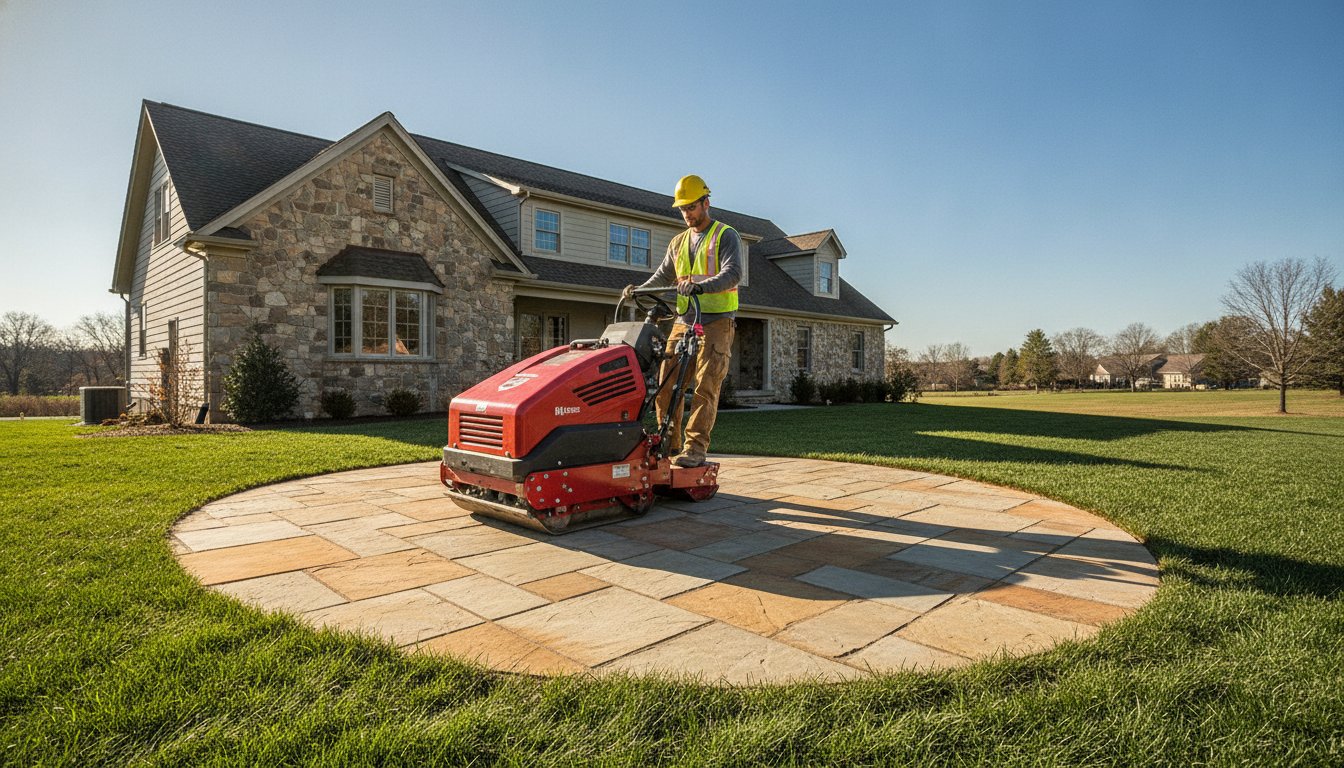
Mechanical snow removal often causes more damage than the weather itself. Shovel blades and snowblower skids can scratch natural stone or chip the edges of decorative pavers. To minimize this risk, ensure all surfaces are sealed before the first frost. A professional-grade sealant prevents moisture from penetrating the porous surface of the stone. If you've recently invested in a new walkway installation, this protection is mandatory to maintain the manufacturer's warranty and the aesthetic finish of the project.
Winter Drainage and Grading Management
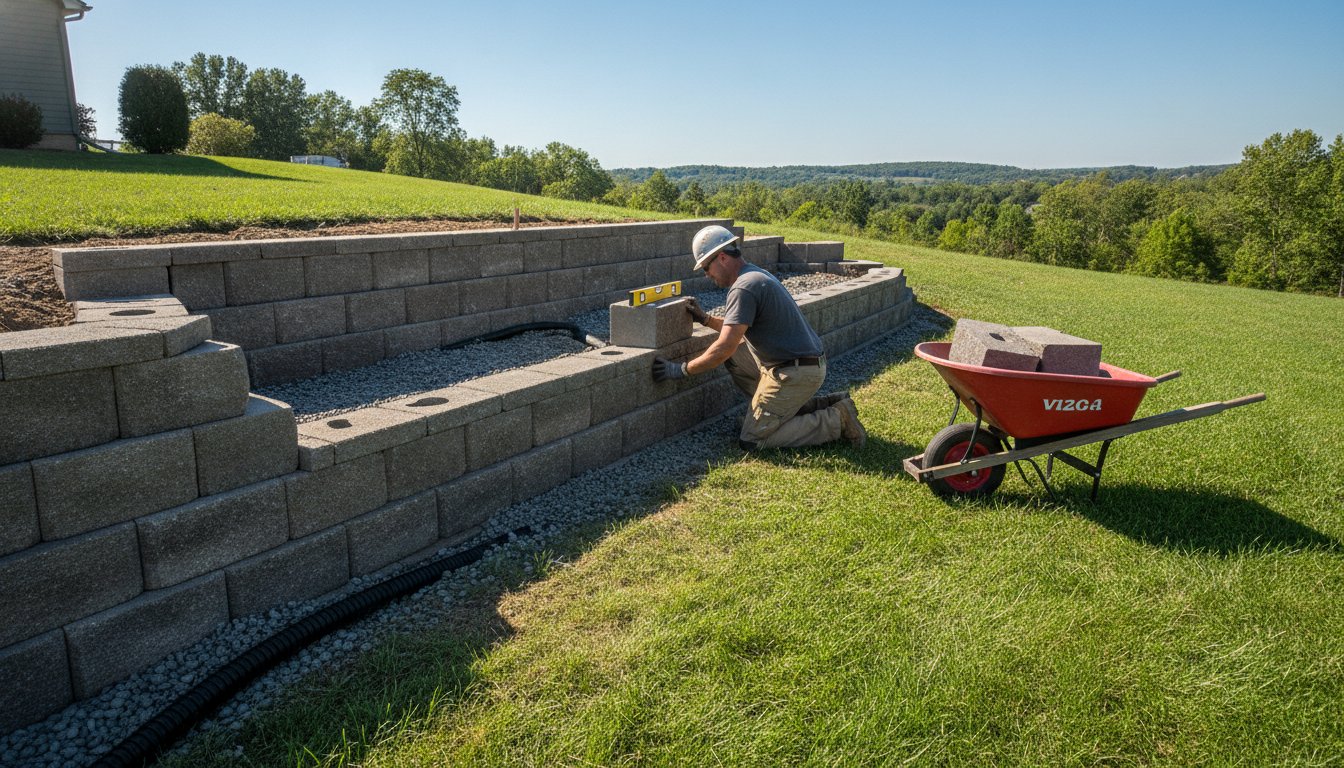
Poor drainage is the root cause of most winter property damage. Clogged downspouts lead to ice damming, which forces water back into your home or under your patio. Clear all debris from yard drains and gutters while the ground is still soft. You must also address low spots in your lawn or along walkways that collect meltwater. These areas quickly transform into dangerous ice rinks when temperatures drop overnight. Proper retaining wall drainage in Lancaster County prevents the buildup of hydrostatic pressure that causes walls to bow or collapse. While inspecting your site's water flow, take a moment to look up. Adhering to Penn State Extension tree pruning guidelines during the dormant season will prevent heavy snow from snapping limbs that could crush your drainage infrastructure or damage your hardscaping.
Snow and Ice Management Strategies for 2026
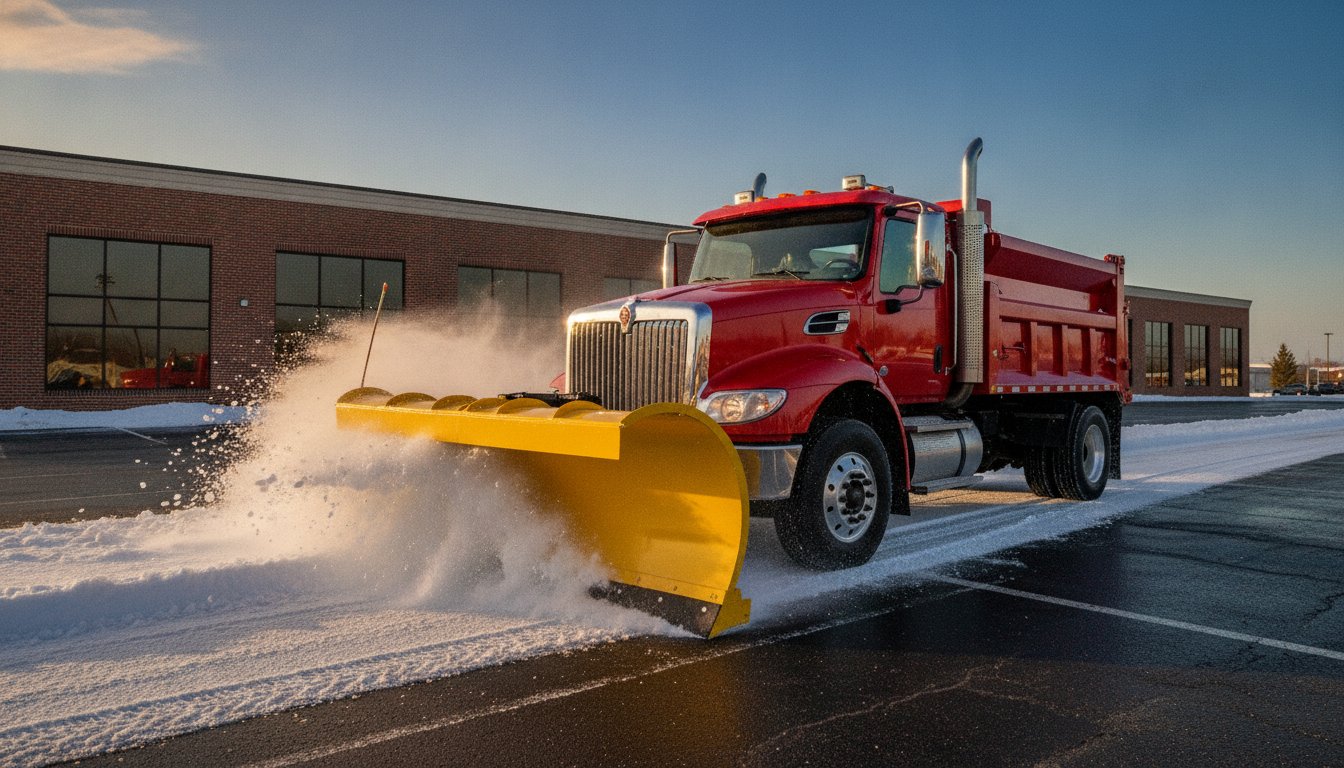
Wait until the snow stops to start plowing, and you've already lost the battle. Modern winter property maintenance Lancaster County relies on precision timing and liquid pre-treatments. Reactive plowing often leads to compacted snow that turns into a stubborn ice bond. By the time the plow hits the pavement, the damage is done. In 2026, the industry standard has shifted toward anti-icing brine applications. Applying brine 24 to 48 hours before a storm prevents that bond from ever forming. This proactive step aligns with EPA deicing management practices by reducing total salt volume by up to 75%, which protects your watershed and your landscape.
Lancaster's varied terrain requires specialized equipment and local knowledge. Managing the steep, winding slopes of Mountville is a different logistical challenge than clearing the flat industrial zones in Columbia. Professional snow removal services must utilize calibrated equipment to ensure even distribution of materials. Whether you're managing a residential driveway or a sprawling parking lot, the goal remains the same: constant accessibility and the elimination of refreeze hazards.
Commercial Snow Management for Businesses and HOAs
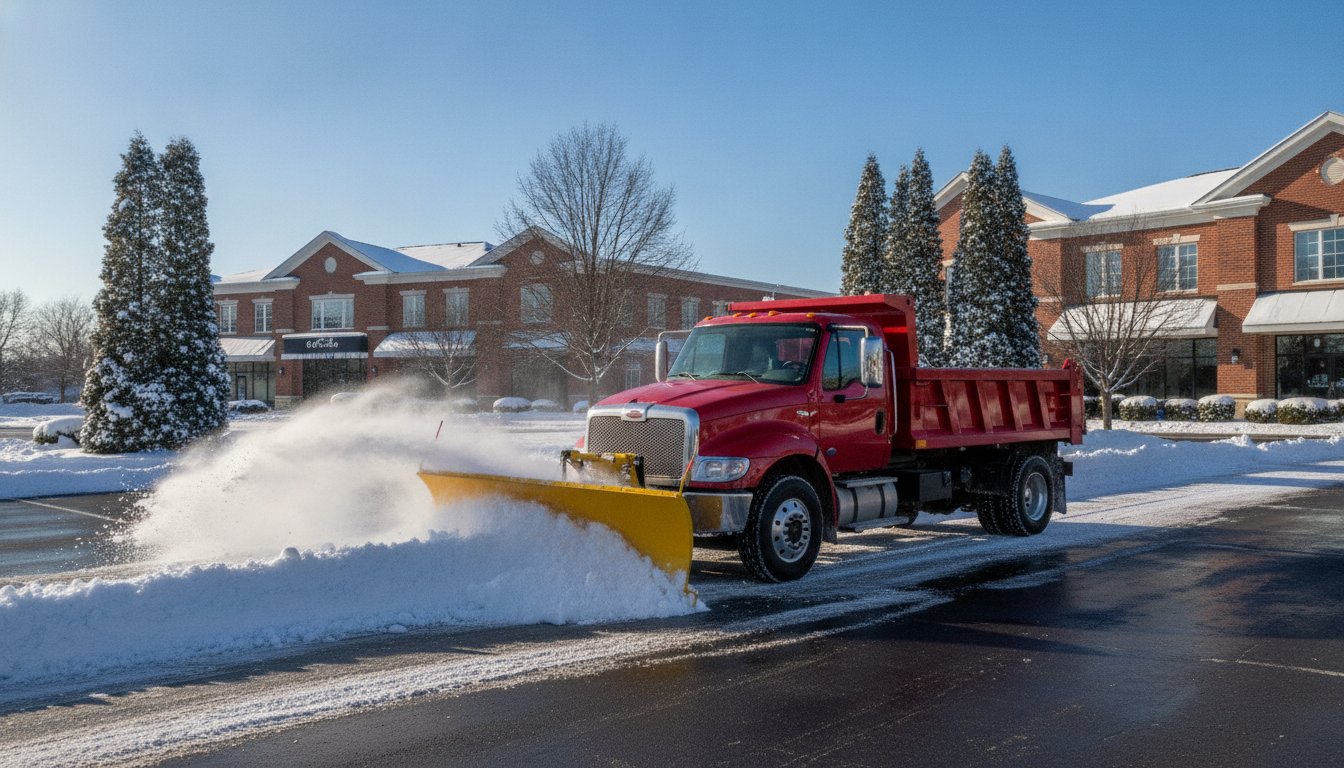
For retail hubs and office complexes, we implement zero-tolerance policies. This means clearing begins at the first trace of accumulation to maintain safe foot traffic and vehicle flow. Managing snow volume is also a logistical challenge. In tight commercial lots, snow hauling is often superior to on-site piling. Large piles can obstruct sightlines, take up valuable parking spaces, and cause drainage issues as they melt. For a deeper dive into these requirements, see our guide on commercial snow and ice management in Lancaster County.
Ice Control: Beyond Just Rock Salt
Traditional rock salt is ineffective once surface temperatures drop below 15°F. For the deep freezes common in Central PA, we utilize more advanced chemistries. Calcium Chloride is the workhorse of ice control, remaining effective down to -25°F. If your property includes high-end landscaping or frequent pet traffic, Magnesium Chloride is a safer, less corrosive alternative. Strategic application is the only way to prevent "black ice," which typically forms during the overnight refreeze of daytime meltwater. Focus your efforts on north-facing walkways and shaded areas where the sun can't assist with the melting process.
Dormant Season Plant and Tree Care
While snow removal keeps your walkways clear, comprehensive winter property maintenance Lancaster County must also address the living assets of your landscape. The dormant season is not a period of total inactivity for your plants; it is a critical window for structural reinforcement. Deciduous trees and shrubs are currently in a state of rest, which makes it the safest time to perform corrective work without the risk of spreading pests or causing unnecessary stress. By handling these tasks now, you ensure your landscape is prepared for the heavy snow loads and ice storms typical of a Pennsylvania winter.
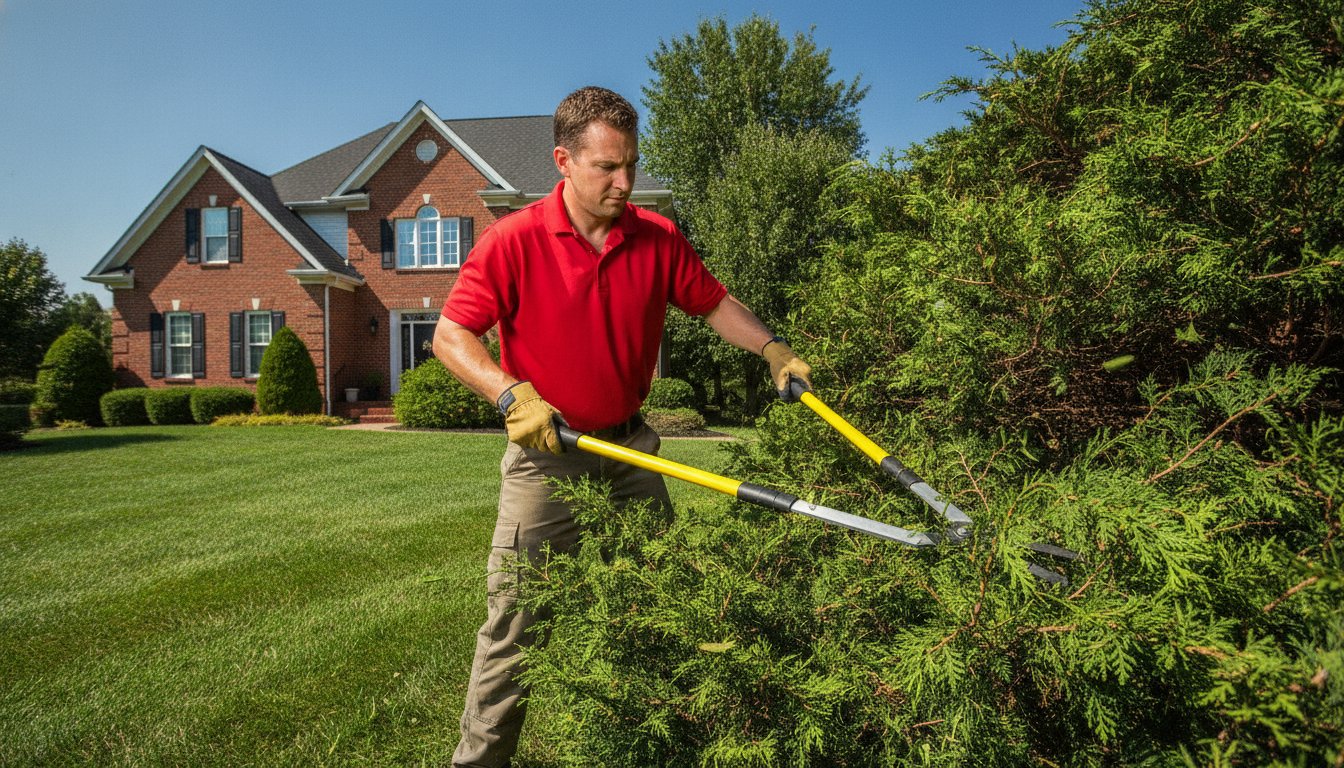
Structural pruning is the primary focus during these colder months. Without a full canopy of leaves, we can easily identify crossing branches, weak crotches, and diseased wood. Utilizing professional tree services during the dormant phase allows for a clear view of the tree's architecture. This visibility ensures every cut is strategic, promoting a stronger framework for the spring growing season. Beyond aesthetics, this process removes the weight that often leads to branch failure during "wet" snow events.
Evergreen shrubs like boxwoods and rhododendrons require specific attention to survive the season. These plants are susceptible to "winter burn," a type of desiccation caused by harsh winds and frozen soil that prevents moisture uptake. We recommend applying anti-desiccant sprays and ensuring your evergreens are properly hydrated before the first deep freeze. For larger evergreens, monitor for heavy snow accumulation. Use a broom to gently brush snow upward and off the branches to prevent splaying or permanent structural damage.
Preventative Tree Trimming and Removal
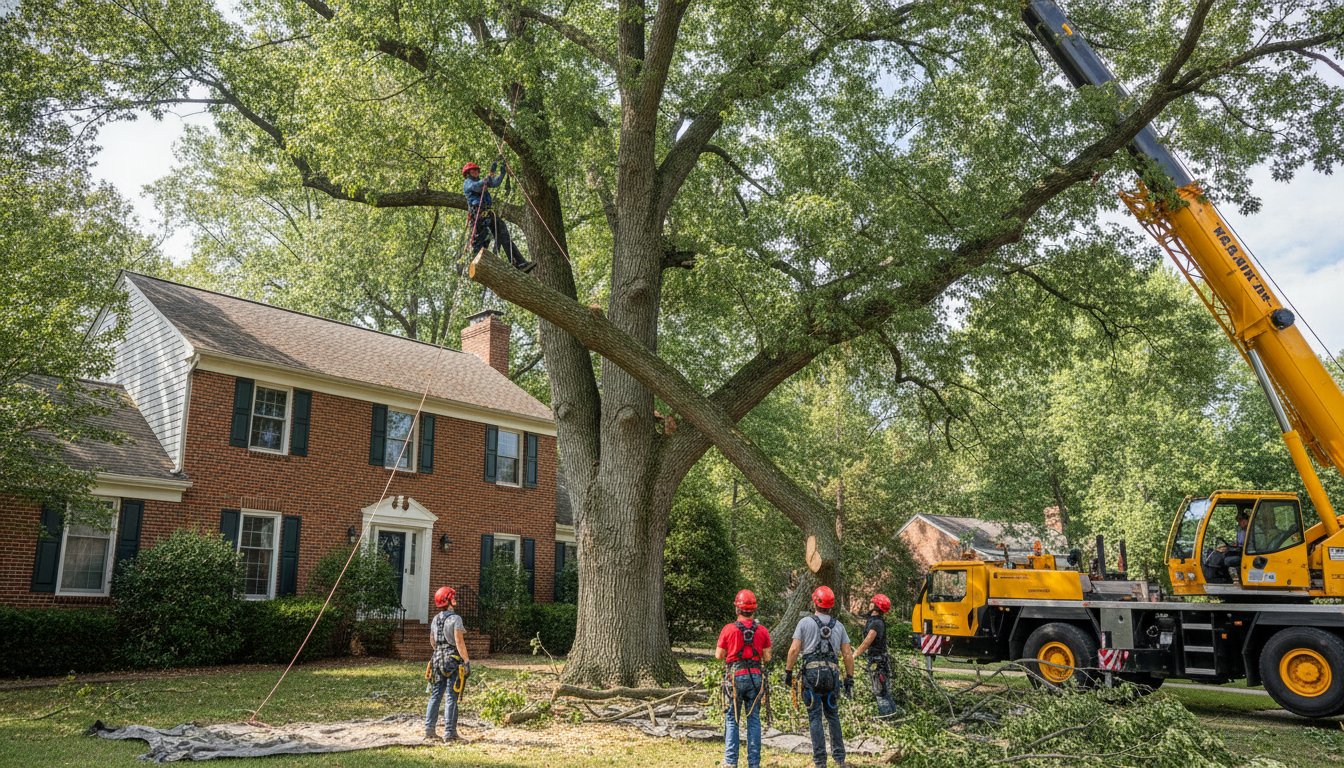
Safety is the most pragmatic reason for winter tree care. A "hazard tree" is any specimen with structural defects that could cause it to fail and hit a target, such as your home or power lines. Ice accumulation can increase the weight of a branch by 30 times, turning a minor defect into a catastrophic failure. Identifying these risks early is vital. If a tree shows signs of advanced decay or significant leaning, professional tree removal is the only way to eliminate the liability before a storm hits. Proactive removal is always more controlled and less expensive than emergency storm response.
Mulching and Root Protection
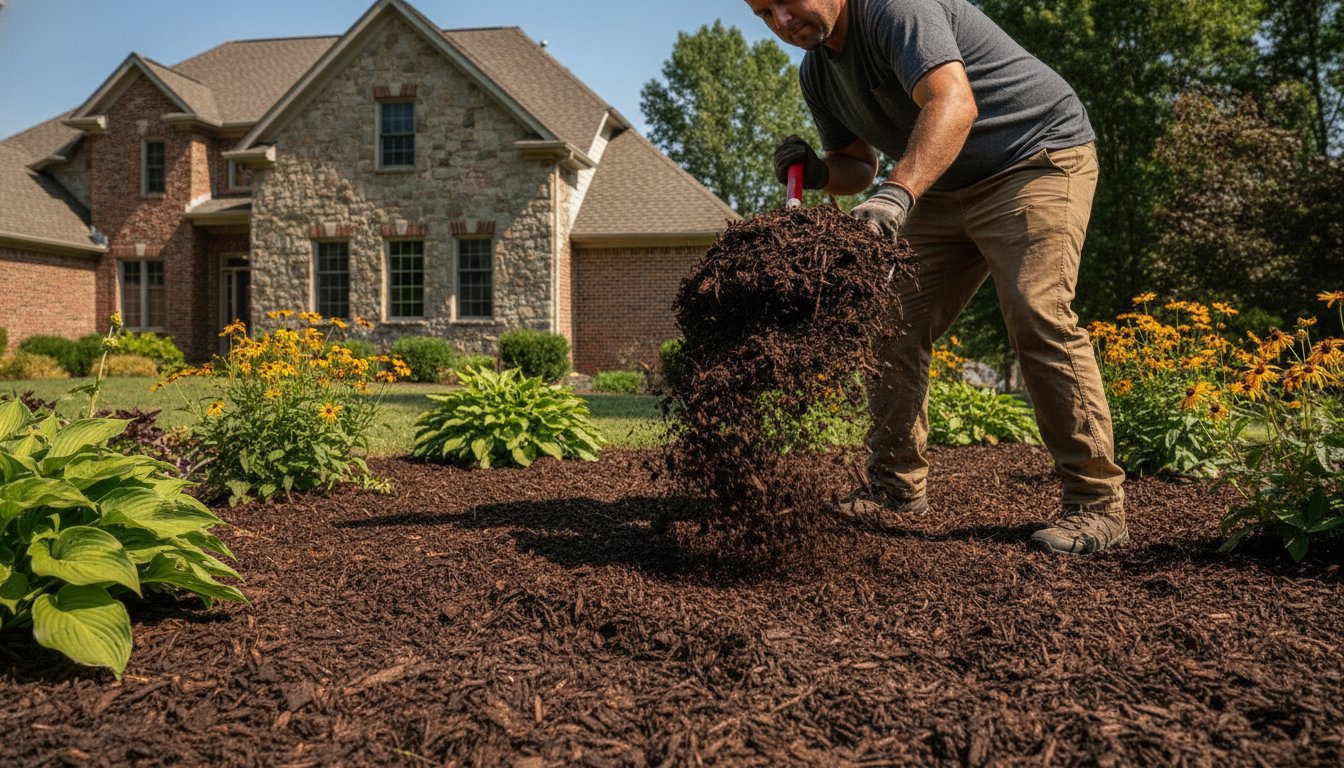
Roots continue to grow until the soil temperature drops below 40°F. Applying a fresh layer of mulch in early winter acts as a thermal blanket for the root zone. This insulation regulates soil temperatures and prevents the rapid freezing and thawing that causes "frost heaving." A 2 to 3-inch layer of mulch installation also retains essential moisture and protects young trees from rodent damage. Voles and mice often gnaw on the bark of young trees during winter, but a properly maintained mulch ring provides a clear perimeter that discourages this behavior. If you want to ensure your landscape survives the winter and thrives in the spring, schedule a site assessment with our specialists today.
Implementing a Professional Maintenance Program
Professional property management requires more than a reactive response to the first snowfall. It demands a structured program that aligns with your specific property goals. For a residential homeowner, the focus is often on protecting a new patio from salt damage and ensuring safe access to the front door. For a business owner, the priority shifts to mitigating liability and maintaining accessibility for customers and employees. At Snappy Landscaping, we customize every plan to address these unique requirements. Implementing a comprehensive program for winter property maintenance Lancaster County ensures that your infrastructure is protected and your legal obligations are met without the stress of last-minute coordination.
Securing a priority service agreement before the winter season begins is the most pragmatic move a property owner can make. These agreements guarantee that your site is on a pre-determined route, ensuring faster response times when a storm hits. This proactive approach also allows us to conduct a pre-season site audit. We map out drainage locations, identify sensitive hardscaping, and designate snow storage zones before they are hidden under accumulation. This level of preparation ensures a seamless transition from winter protection to spring restoration, as your property remains organized and undamaged throughout the freeze-thaw cycle.
Commercial and HOA Property Solutions
Managing large-scale properties requires clear communication and predictable budgeting. We offer various contract structures, including fixed-rate seasonal agreements and per-event pricing, to help managers control costs. For HOAs, our commercial and HOA maintenance services focus on maintaining safe common areas and clear fire hydrants, adhering strictly to community bylaws. During active snow events, our team utilizes direct communication protocols to keep managers updated on progress. This transparency is essential for documenting compliance with local ordinances and reducing slip-and-fall risks. For more details on managing high-traffic sites, refer to our guide on commercial landscaping Lancaster County PA.
The Snappy Landscaping Difference
We are local specialists deeply familiar with the environmental challenges of Lancaster, Columbia, and Mountville. Our approach to winter property maintenance Lancaster County is grounded in functionality and the restoration of order. We don't just perform tasks; we manage outcomes to prevent future property issues. Whether it's choosing the right deicer for your stone or performing structural pruning before an ice storm, we act as your dependable partner in property preservation. We avoid the persona of a distant corporation, focusing instead on being the high-end local specialist you can rely on. Don't wait for the first winter warning to protect your investment. Contact us for a 2026 winter maintenance assessment and let us handle the burden of seasonal management.
Secure Your Property for the 2026 Winter Season
Protecting your investment during the colder months requires a shift from reactive repairs to proactive preservation. By addressing drainage flaws, sealing hardscapes, and performing structural tree pruning now, you eliminate the hazards that lead to costly spring restoration. Effective winter property maintenance Lancaster County is about more than just moving snow; it's about maintaining the integrity and safety of your entire site through the relentless freeze-thaw cycles of our local climate. Professional management ensures your walkways stay clear and your infrastructure remains stable regardless of the forecast.
As a locally owned and operated provider in Lancaster County, Snappy Landscaping brings specialized expertise in commercial snow and ice management alongside expert drainage and hardscape protection. We handle the logistical burden of property management so you can focus on your home or business with total peace of mind. Don't wait for the first winter storm to find a solution. Take control of your property's safety and longevity today by partnering with an expert who knows our local terrain.
Secure Your 2026 Winter Maintenance Plan with Snappy Landscaping and ensure your landscape remains an asset all year long.
Frequently Asked Questions
When should I schedule winter property maintenance in Lancaster County?
Schedule your winter property maintenance Lancaster County plan before the first frost, ideally in late September or October. This timing allows for pre-season site audits and drainage inspections before the ground freezes. Early planning ensures your property is on a priority route for snow events. It also provides enough time for dormant season tree trimming and mulch installation to protect root zones before the deep freeze hits our region.
Is rock salt safe for my custom paver patio?
No, traditional rock salt is highly corrosive and causes surface spalling on concrete pavers. It also leaves behind unsightly white residue and can kill bordering plants. We recommend using Calcium Chloride or Magnesium Chloride for custom patios. These alternatives are safer for masonry and remain effective at much lower temperatures. Always apply deicers at the manufacturer's recommended rate to prevent unnecessary chemical buildup.
Why is winter the best time for tree trimming?
Winter is ideal because plants are dormant and the absence of leaves provides a clear view of the tree's structural framework. This visibility makes it easier to identify hazard limbs or weak crotches that could fail under heavy snow. Pruning during dormancy also minimizes the risk of spreading pests or diseases. It ensures your trees are structurally reinforced before the high winds and ice storms of January and February arrive.
What is the difference between snow plowing and snow removal?
Snow plowing involves pushing snow to the perimeter of your lot or driveway to clear driving lanes. Snow removal is the process of physically hauling that snow off-site using heavy machinery. Plowing is standard for most residential needs, but commercial properties with limited space often require full removal. This prevents large piles from obstructing sightlines, taking up parking spaces, or causing drainage issues during the thaw.
Do you offer ice management for HOAs in Mountville or Columbia?
Yes, we provide comprehensive ice management and snow services for HOAs throughout Mountville, Columbia, and the surrounding Lancaster County area. Our team focuses on maintaining safe common areas, clearing sidewalks to meet local ordinances, and ensuring fire hydrants remain accessible. We work closely with community boards to establish clear communication protocols and reliable service schedules that protect residents and reduce community liability.
How can I prevent my yard from flooding during the winter thaw?
Prevent flooding by ensuring all yard drains and downspouts are clear of debris before the ground freezes. We recommend professional drainage solutions like French drains or strategic grading to direct meltwater away from your foundation. During winter property maintenance Lancaster County inspections, we identify low spots that trap water. Addressing these areas prevents the artificial conditions that cause basement leaks and dangerous ice rinks on your walkways.
What are the benefits of a commercial snow management contract?
A commercial contract guarantees priority service and predictable budgeting for your business. It establishes a zero-tolerance policy where clearing begins at a specific accumulation level, which is vital for reducing slip-and-fall liability. Contracts also include pre-season site mapping to identify storm drains and sensitive hardscaping. This level of organization ensures your property stays accessible for customers and employees regardless of how quickly the weather changes.
Does Snappy Landscaping provide emergency tree removal after snow storms?
We provide professional tree removal services during regular business hours to handle hazardous situations. However, we do not offer 24/7 emergency tree service. Our focus is on preventative tree trimming and structural assessments before storms occur. If a tree fails on your property during a winter event, we can schedule a safe and efficient removal to restore order and protect your landscape as soon as conditions allow.