
What if the patio that looks best on paper becomes the one that shifts, holds water, or disrupts your yard longer than expected? Choosing among paver patio installers Lancaster PA homeowners are considering takes more than comparing photos. The work beneath the pavers matters just as much as the finished appearance.
A patio should suit your home, support how you plan to use it, and avoid creating new drainage problems. In Lancaster, Columbia, and Mountville, site preparation and water management are important details to discuss before work begins. Ask how each contractor will prepare a stable base and plan for runoff. Clear answers help you distinguish a complete proposal from one that leaves key work undefined.
Use this checklist to compare installers and review proposals on equal terms. You’ll find practical questions about preparation, drainage, materials, project communication, and disruption, along with ways to account for your property’s layout before choosing a contractor.
Choosing Paver Patio Installers in Lancaster, PA: Start With Your Project
Start by looking for an installer who can plan around your property, intended use, and site conditions. Design preferences matter, but they’re only one part of the decision. A finished patio also depends on preparing the ground, accounting for slope, and managing water so runoff doesn’t create problems near the home or elsewhere in the yard.
Before confirming the scope, ask the contractor to assess the installation area rather than relying on a general description or inspiration photos. That makes proposals from paver patio installers Lancaster PA homeowners are considering easier to compare because they can reflect the same site conditions and intended use. Snappy Landscaping serves Lancaster County, including Lancaster, Columbia, and Mountville, and offers custom patio installation, drainage solutions, and grading expertise for relevant site needs.
What should a paver patio installer assess during a site visit?
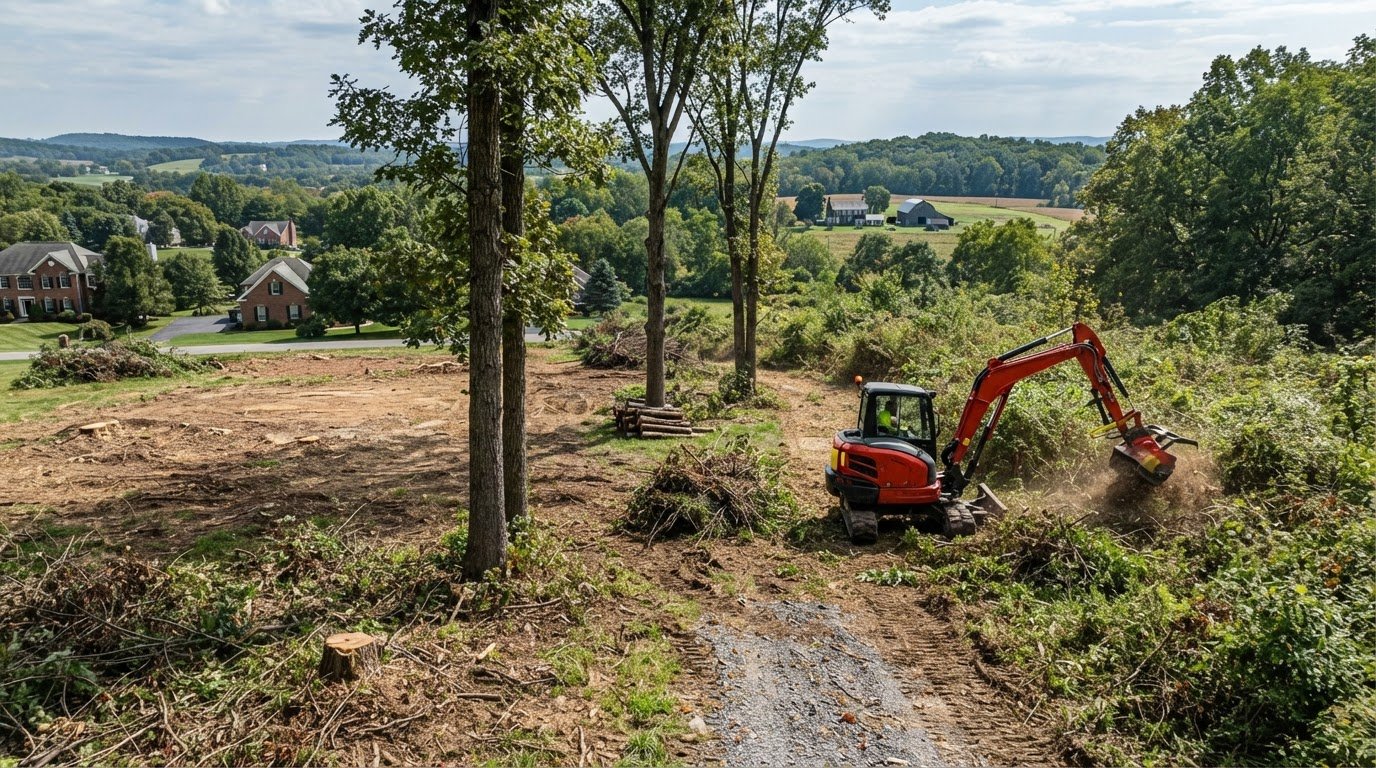
Ask the installer what they’re checking and how those observations may affect the work. A useful assessment considers access for equipment and materials, existing paving or other surfaces, grade changes, and where water flows or collects. Nearby structures, landscaping, retaining walls, and connections to walkways can also affect the layout and preparation.
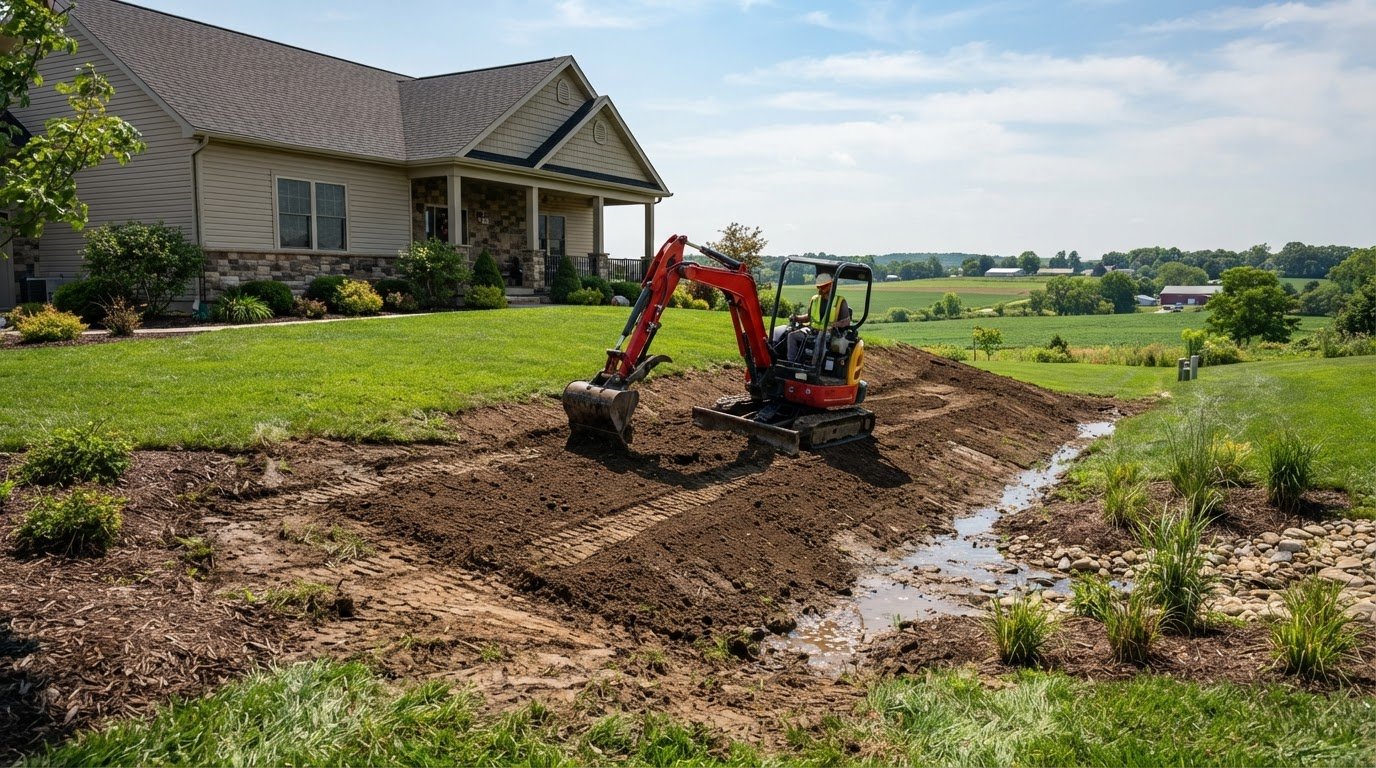
Point out any areas where you’ve noticed standing water or runoff. Ask whether grading or related drainage work may be needed before installation, and how that work would appear in the project scope. Pavers are individual units set over a prepared base. A basic overview of paving stone helps explain why the foundation is part of the installation, not an optional detail. The contractor should be able to describe the proposed preparation in terms you can understand.
How should the patio fit your home and outdoor routine?
Describe how you plan to use the space before settling on dimensions or a pattern. Will it mainly support outdoor dining, provide a place to relax, or connect different areas of the yard? Consider how people will move between the house, seating, and existing walks. A layout that looks appealing but makes these routes awkward may not work well day to day.
Discuss the approximate size, transitions at doorways or walkways, and how the patio will connect to other outdoor areas. Photos or a rough sketch can help communicate your priorities, but ask the installer to relate those ideas to the property’s actual grade and drainage. For broader outdoor project planning, explore custom patio installation information and consider how the patio fits the rest of your landscape.
How Lancaster Paver Patio Installers Build a Stable, Draining Base
A finished patio can look level and polished while hiding problems in its foundation. When comparing paver patio installers Lancaster PA homeowners can hire, ask how the work beneath the surface will be planned. Freeze and thaw cycles make a stable, well-prepared base especially important in Pennsylvania. The appropriate approach depends on the property, patio design, and intended use, so one standard depth or material isn’t right for every project.
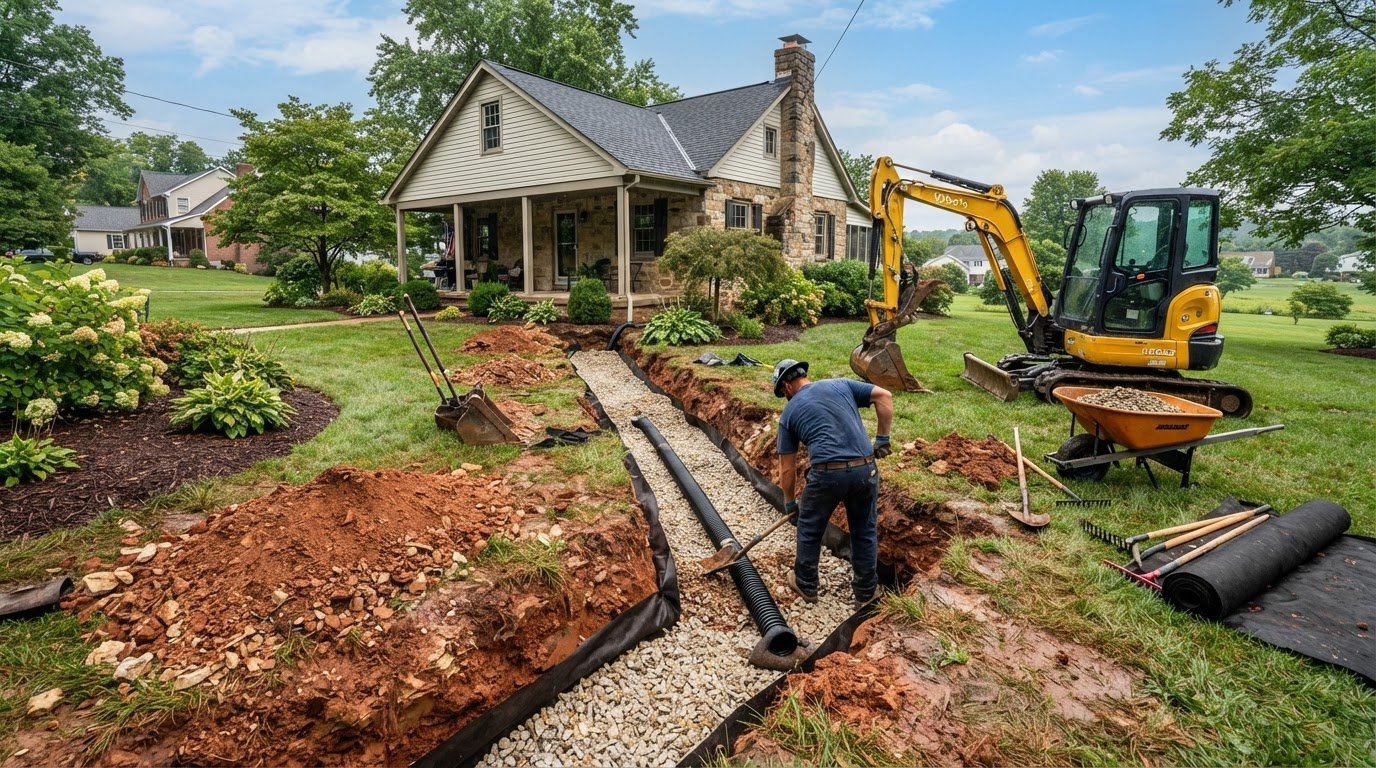
A typical installation follows a clear sequence: excavate the area, prepare and compact the base, add a bedding layer, place the pavers, then finish the joints. Each step supports the next. Ask the contractor to explain which materials and preparation methods suit your site instead of offering a generic recipe without assessing conditions.
A paver patio base is the compacted foundation beneath the bedding layer and pavers, built to support the finished surface and help it remain stable over time.
What questions reveal how the installer prepares the base?
Ask what excavation and base preparation the contractor proposes for your property and why it suits the planned use. A space intended for regular dining and foot traffic may call for different planning than a small garden sitting area. Ask how the crew will check compaction and create a secure transition where pavers meet steps, existing walks, or other surfaces. Look for an explanation tied to your site, not just reassurance that the base will be “done properly.”
How will the contractor manage Lancaster-area water and site conditions?
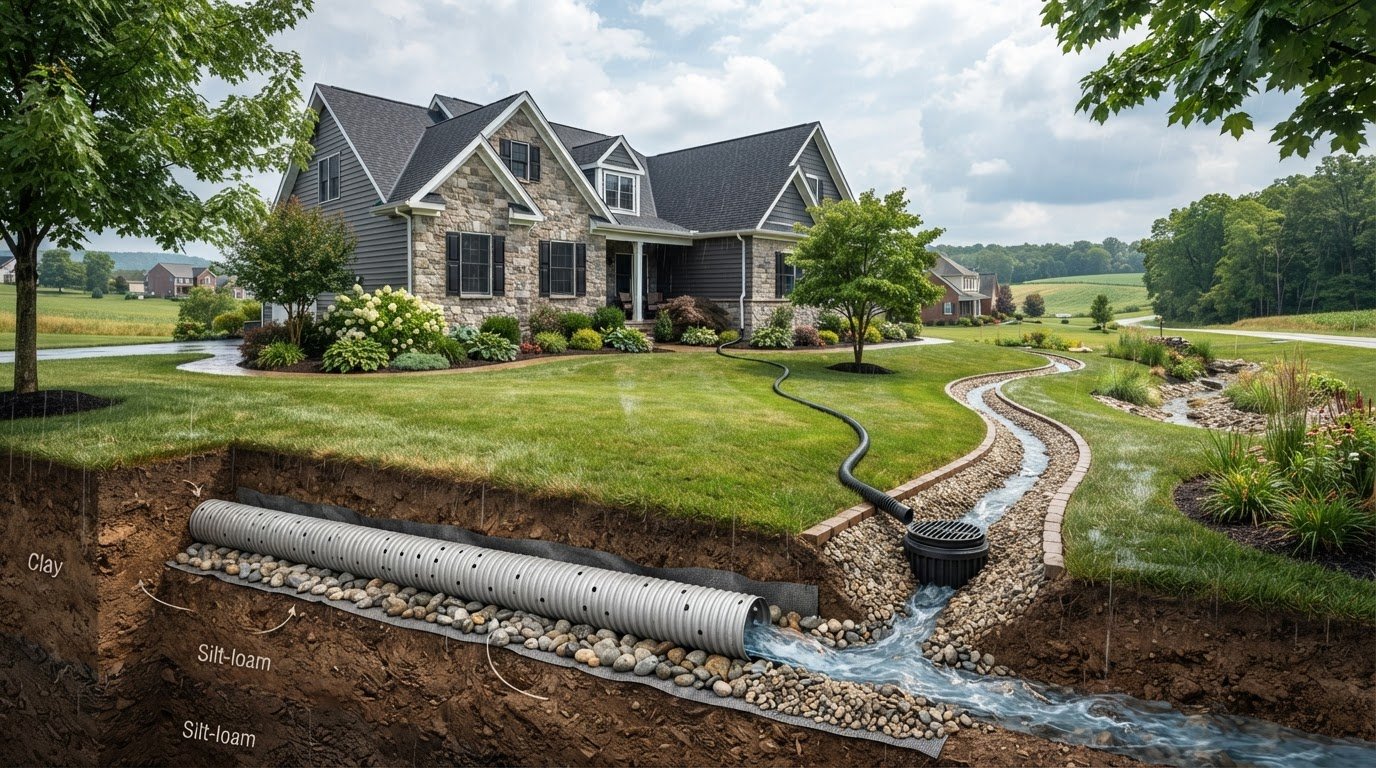
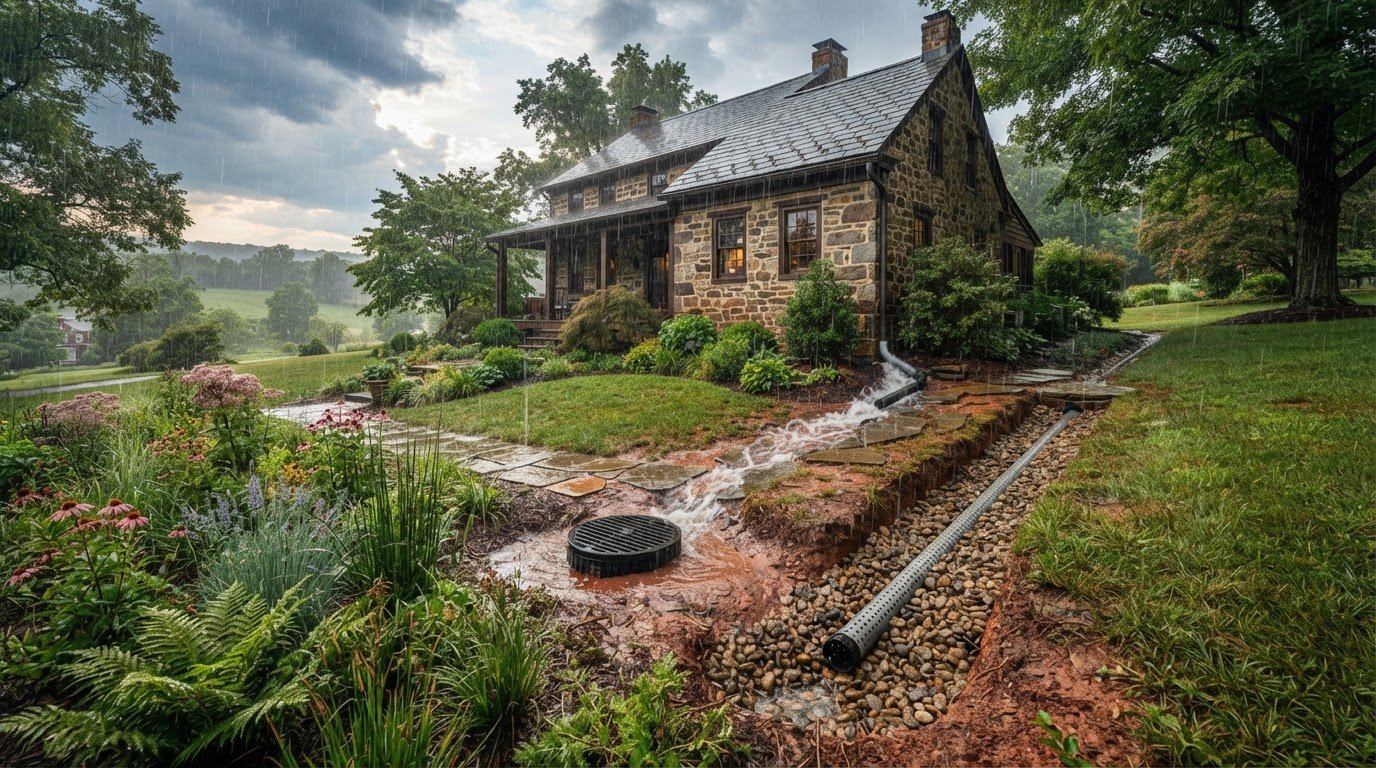
Water needs a planned route. Ask how the finished layout will direct runoff away from buildings and avoid sending it toward a low spot or neighboring area. Discuss existing grades, visible runoff paths, and places where water currently collects. Soil, weather, drainage patterns, and local requirements can vary from one property to another, so don’t assume a solution used elsewhere will suit your yard.
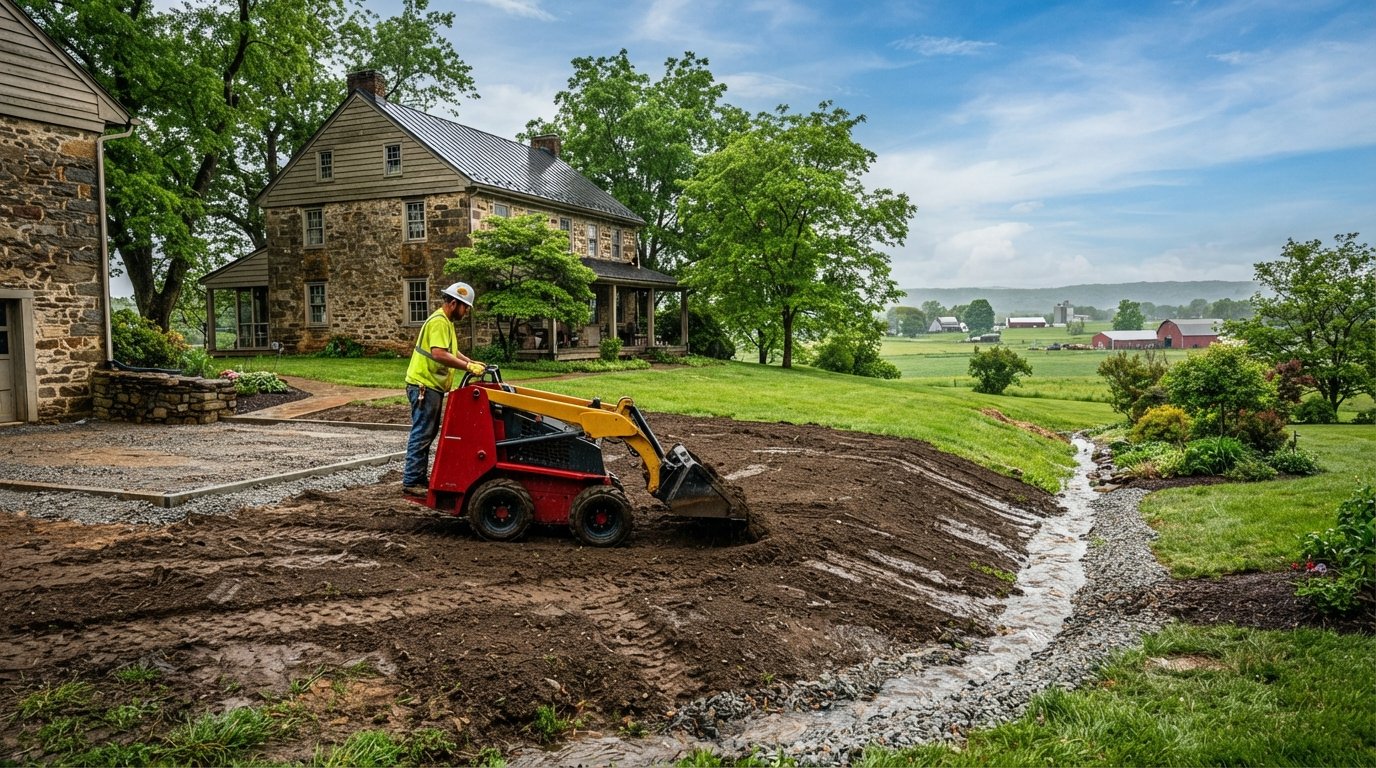
Ask the contractor to identify any grading or drainage work that may be needed and explain how it relates to patio installation. Snappy Landscaping offers custom patio installation and drainage solutions, which may be relevant when site conditions call for both. For general guidance on planning, bids, and contractor agreements, consult the Washington State Department of Labor & Industries’ Hiring a Contractor Checklist. It’s general guidance, so confirm applicable requirements with your own municipality and authorities.
Compare installers by how clearly they explain the base, water flow, and project scope. The contact page provides a way to discuss a patio project and its site considerations with Snappy Landscaping.
Comparing Paver Patio Installers in Lancaster County: Scope, Materials, and Drainage
Photos can show a patio’s appearance, but they won’t tell you what work is included or how the plan accounts for your property. Compare written proposals from paver patio installers Lancaster PA homeowners are considering. A brief estimate may leave out preparation, drainage, or cleanup, making two proposals look comparable when they cover different work.
Use this table to identify what each written scope explains. Ask contractors to clarify any blank or vague item before comparing proposals.
| Scope item | What to look for |
|---|---|
| Site preparation | Work area and planned excavation or base preparation |
| Materials | Paver type and other included materials, confirmed for the project |
| Drainage | How the patio plan accounts for existing slope and water movement |
| Edging | Whether edge restraint or other edge details are included |
| Cleanup | What debris removal and site cleanup the scope covers |
| Exclusions | Work or materials not included, plus how additional needs are handled |
Which details should every paver patio proposal explain?
A useful proposal identifies the work area, preparation, installation tasks, materials, and cleanup. It also states what’s excluded. Ask how the contractor will communicate if site conditions differ from expectations, changes are needed, or you have a question about the scope. Written details make it easier to compare like with like and reduce confusion about what the agreed work covers.
A useful patio proposal specifies the work area, preparation, materials, drainage approach, edging, cleanup, exclusions, and how changes will be discussed.
How do you compare drainage and related hardscaping capabilities?
Ask each installer how the patio plan accounts for slope and where water currently travels. If the site may need drainage work or a retaining wall, clarify who will assess that need and include it in the scope. Don’t assume related work is included just because it came up during a site visit. Snappy Landscaping offers custom patio installation, retaining wall construction, and drainage solutions. Its patio installation services page outlines the patio offering.
For materials, compare the specific paver type and project elements named in each proposal. Confirm that the selection fits your plan and ask the contractor to verify availability before you commit. If you’re considering alternatives, ask how a material change would affect the scope. Review the written proposal alongside any sample or photo.
Use the contact page to discuss a patio project and related drainage needs with Snappy Landscaping.
A Lancaster PA Homeowner’s Checklist for Hiring a Paver Patio Installer
Use a consistent process to compare paver patio installers Lancaster PA homeowners are considering. Don’t choose based on a photo or short estimate alone. Confirm that the contractor understands your property, can explain the proposed work, and records the project details in writing.
- Define your needs. Note how you plan to use the patio, where it should connect to the house or existing outdoor areas, and any drainage concerns you’ve noticed. A clear goal helps contractors respond to the same project.
- Arrange a site visit. Ask who will assess the property and explain the proposed installation approach. Discuss access, grade, nearby structures, and existing water movement. The plan should be based on the actual site, not assumptions.
- Compare written scopes. Check that each proposal identifies the work area, preparation, materials, installation tasks, drainage considerations, and cleanup. Ask what’s excluded and how unexpected site conditions or requested changes will be communicated.
- Verify project details. Clarify who handles scheduling and communication, what happens if the scope needs to change, and what cleanup is included. Ask who coordinates any related grading or drainage work.
- Check before deciding. Confirm the proposal reflects your priorities and that open questions have clear answers. Check with your municipality about applicable requirements for your specific property, and confirm the utility-marking steps that need to happen before excavation.
Before work begins, make sure the final work area, access plan, selected materials, and each party’s responsibilities are recorded in writing. If drainage or grading is part of the plan, confirm who will assess and scope that work. Requirements and site conditions can vary, so verify details for your address rather than relying on what applied to another project.
A contractor should be able to explain the preparation, drainage approach, materials, communication plan, schedule, and cleanup in practical terms. If an answer is unclear, ask for clarification before committing. It’s easier to resolve scope questions before work starts than after the project is underway.
Snappy Landscaping provides custom patio installation and drainage solutions in Lancaster County. Discuss your patio project with Snappy Landscaping.
Why Consider Snappy Landscaping for a Lancaster-Area Paver Patio?
Choosing among paver patio installers Lancaster PA homeowners are considering means finding a contractor whose services fit the project. Snappy Landscaping serves Lancaster County, including Lancaster, Columbia, and Mountville, and provides custom patio installation alongside hardscaping services such as retaining wall construction and drainage solutions.
That combination may be relevant if your patio plan involves more than choosing a location and paver appearance. Some properties need grading or water management considered during planning. Describe what you’ve noticed on site and ask how those conditions could affect the proposed work. The right scope depends on the property, so confirm the specific approach, materials, schedule, and responsibilities directly with the contractor rather than assuming they’re included.
When can patio and drainage work be planned together?
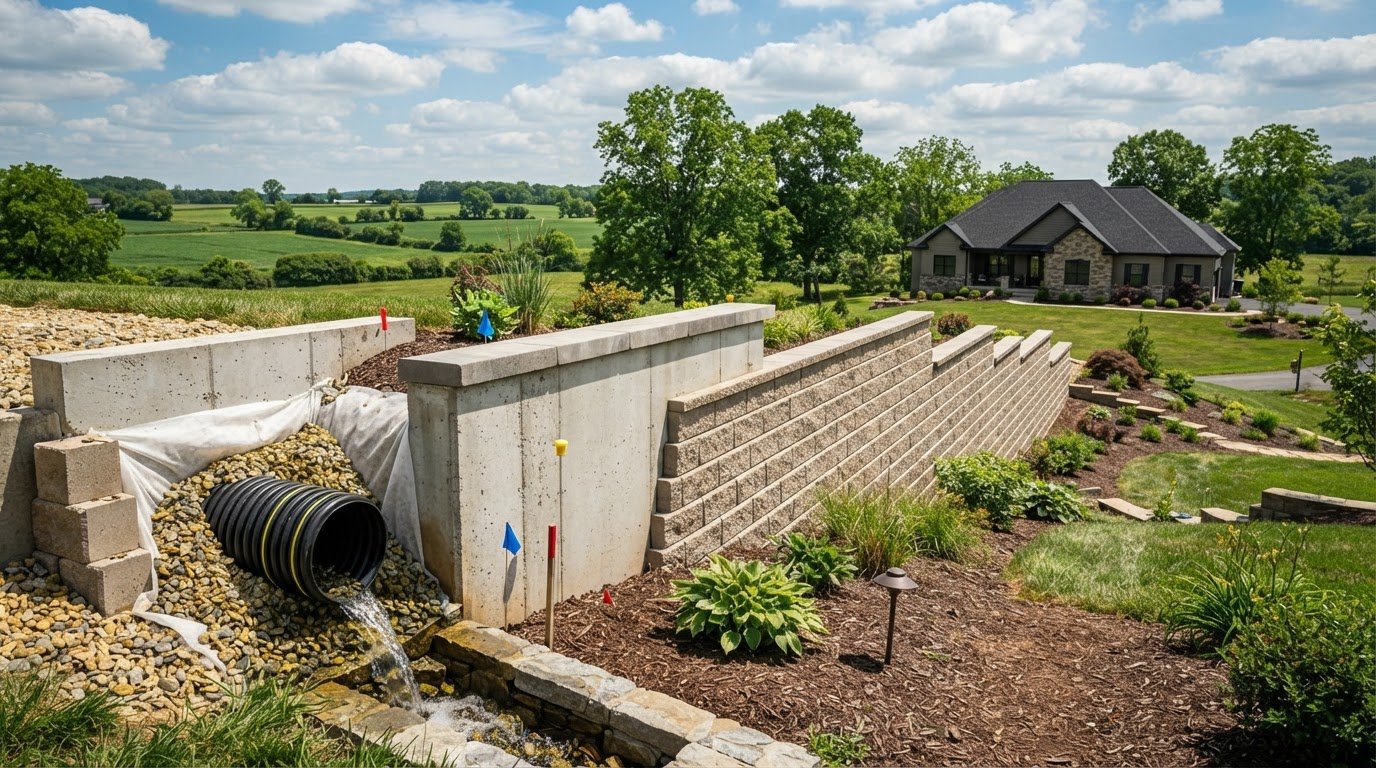
If water collects near the planned patio or follows a slope across the installation area, raise that concern early. Drainage and grading may need consideration alongside patio planning so the scope accounts for how water currently moves through the property. If a change in grade affects the project, ask whether a retaining wall should also be assessed. You can review retaining wall services if that type of work may apply to your site.
Be specific about what you’ve observed, such as pooling after rain, a noticeable slope, or runoff near the house. Then ask which site details are needed to evaluate the project and how any related work would appear in the proposal. This keeps the discussion grounded in your property instead of a general patio template.
What information should you share when requesting a project discussion?
Prepare a short overview before you reach out. Include:
- Your property location and the patio’s intended use
- The approximate area you have in mind and preferred project timing
- Visible pooling, slope changes, or other drainage concerns
- Access limitations and connections to existing walks or outdoor surfaces
- Any retaining wall or grading considerations you already know about
Photos or a rough sketch may help explain the layout, though a site assessment is needed to understand property-specific conditions. Ask what additional information the team needs before outlining next steps. A clear conversation helps establish whether the requested patio and related site work fit the services being discussed, without assuming details that haven’t been confirmed.
Ready to discuss your plans? Contact Snappy Landscaping to discuss your patio project.
Move Forward With a Patio Plan You Understand
The right patio starts with more than a paver choice. Look for an installer who assesses your property, explains how the base and drainage will be addressed, and provides a written scope you can compare clearly. Those steps help you choose among paver patio installers Lancaster PA homeowners are considering with greater confidence.
Snappy Landscaping serves Lancaster County, including Lancaster, Columbia, and Mountville. Its services include custom patio installation, drainage solutions, and grading expertise, which may be relevant when site conditions call for water management planning. Discuss your intended patio use, property layout, and any concerns about slope or pooling so the project conversation can focus on your needs.
Contact Snappy Landscaping to discuss your Lancaster-area patio project. With clear questions and a site-specific plan, you can take the next step toward an outdoor space that fits your property and routine.
Frequently Asked Questions
How do I choose a paver patio installer in Lancaster, PA?
Choose an installer who evaluates your property and clearly explains the proposed work. Compare paver patio installers Lancaster PA homeowners are considering by asking about site preparation, drainage, materials, and how the patio will fit your intended use. Review written scopes rather than relying only on photos or brief estimates. Check references or project examples, and ask what qualifications and insurance the contractor can document. Confirm that the proposal reflects your site’s conditions.
What should a paver patio installation proposal include?
A proposal should identify the work area, preparation, installation tasks, materials, drainage considerations, edging, and cleanup. It should also state what’s excluded and explain how changes or unexpected site conditions will be discussed. Check that the material description is specific enough to understand what’s included, and ask the contractor to confirm availability. Clear written details make it easier to compare proposals with different scopes and identify unanswered questions before agreeing.
How important is drainage when installing a paver patio?
Drainage is an important part of patio planning because slope and runoff can affect the patio and nearby areas. Ask how the proposed layout will manage water around the house, where runoff will go, and whether existing pooling or drainage concerns require attention. Conditions vary by property in Lancaster, Columbia, and Mountville. Have the installer explain any proposed grading or drainage work and identify whether it’s included in the written scope.
Do paver patios need a prepared base?
Yes, pavers are typically installed over a prepared foundation rather than directly on unprepared ground. A general installation sequence includes excavation, a prepared and compacted base, a bedding layer, pavers, and joint finishing. Suitable depth and materials depend on the property, design, and intended use, so ask the contractor to explain the plan for your site. The proposal should make preparation work clear, not treat it as an unspecified detail.
Do I need a permit to install a paver patio in Lancaster County?
Permit requirements depend on the municipality and project details, so verify them with the township or relevant authorities before work begins. Some ground-level patios without attached structures may not require a building permit, while zoning approval may still apply. Changes to grade, drainage, impervious surfaces, retaining walls, or attached structures can affect requirements. Rules differ across Lancaster County, so don’t assume what applies in one municipality also applies in another.
What should I ask a patio contractor before hiring them?
Ask who will assess the property, how the base and drainage will be planned, and which materials and tasks the proposal includes. Clarify how the contractor will handle unexpected site conditions, communicate changes, coordinate scheduling, and complete cleanup. Before excavation, confirm the work area, access plan, responsibilities, applicable municipal requirements, and utility-marking steps. If grading or drainage work may be needed, ask who will assess and describe that work in the scope.