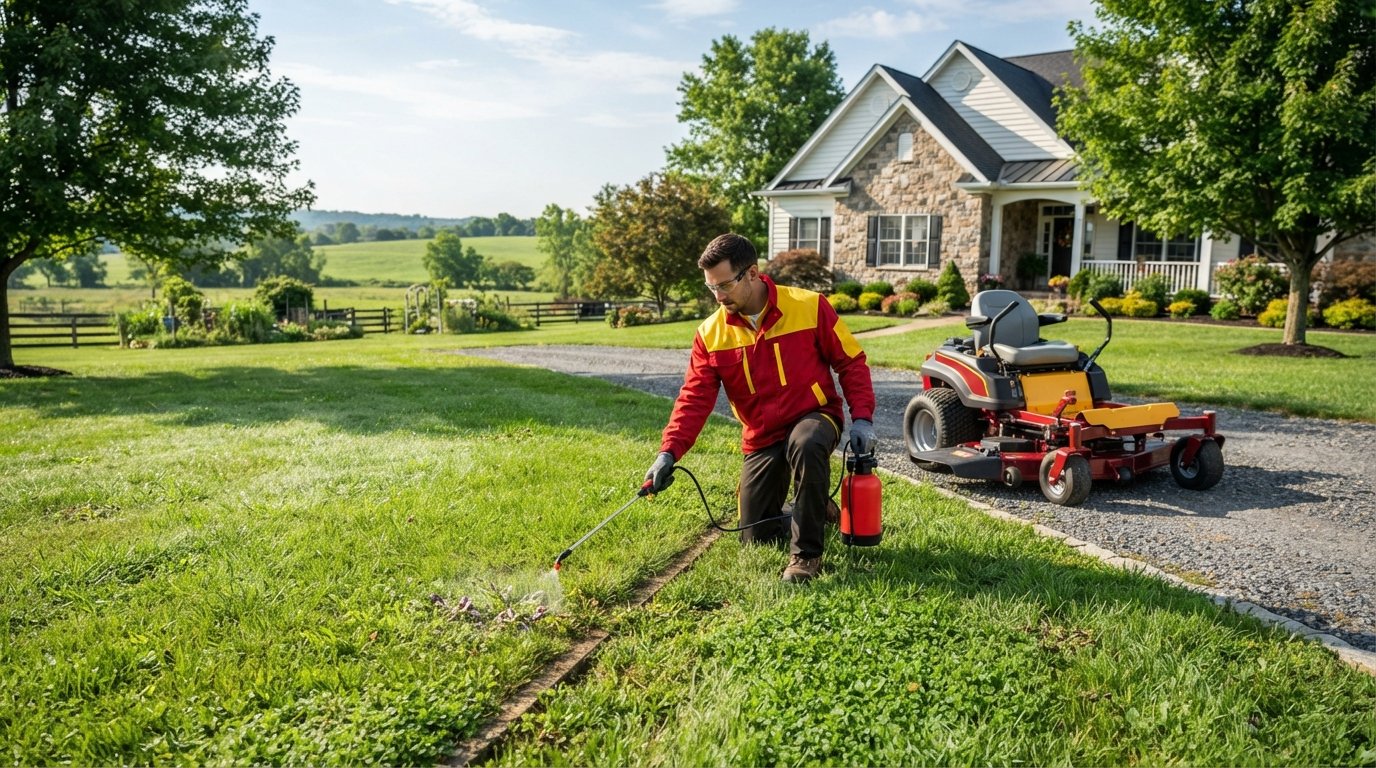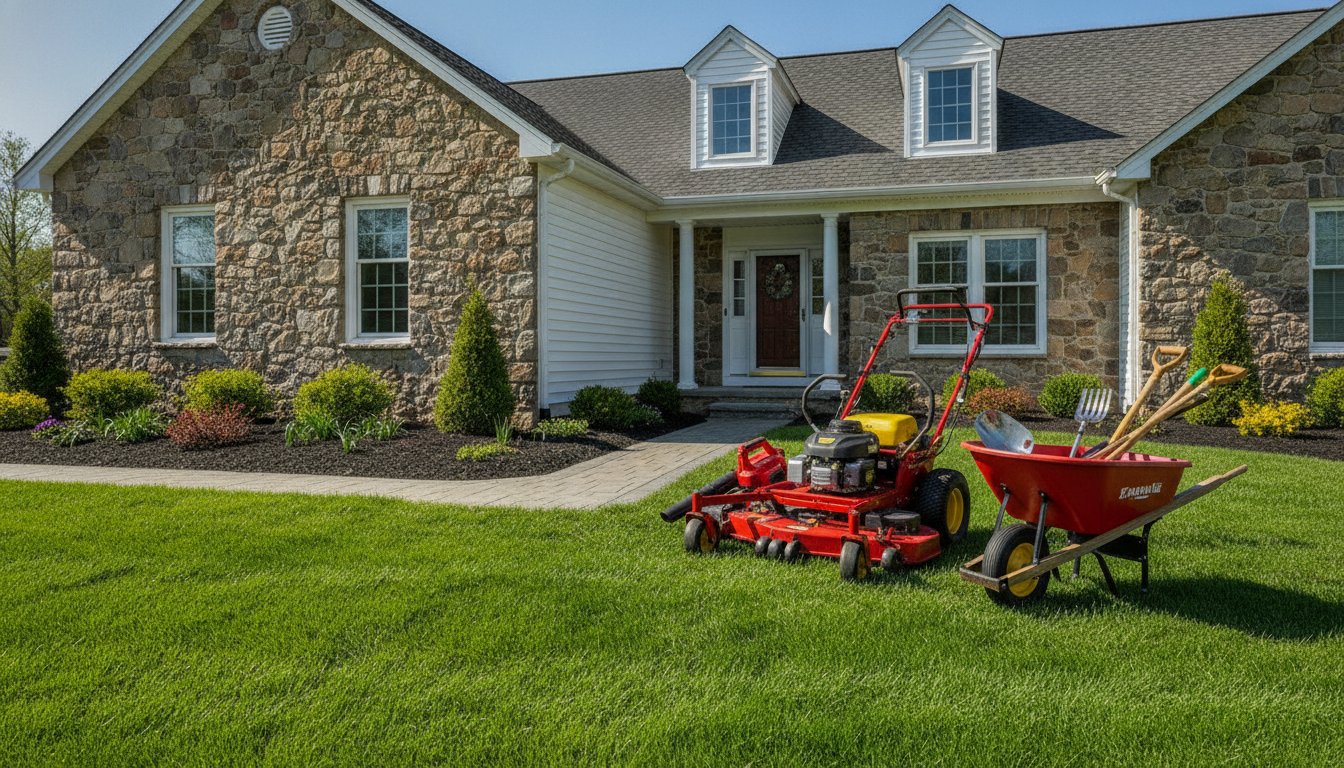

The lowest bid can still cost your board time if it leaves key tasks open to interpretation. For homeowners association landscaping Lancaster PA communities need more than a generic service list. They need clear boundaries for shared grounds and consistent expectations for the work.
If residents raise the same concerns each season or proposals are difficult to compare, the problem may start with an unclear scope. A dependable plan spells out which areas are included, what maintenance those spaces need, and how the board will review the work.
This 2026 buyer’s guide explains how to define a practical service scope, compare providers on equal terms, and assess performance without adding avoidable management work. You’ll also learn what to clarify about service frequency, communication, and contract expectations before choosing a partner. The goal is straightforward: well maintained common areas and fewer recurring headaches for your HOA.
What HOA landscaping in Lancaster, PA should accomplish
HOA landscaping is planned care for outdoor areas the association manages. Depending on the property and agreed scope, it may include routine lawn and bed maintenance, tree care, and upkeep of shared walkways. A homeowners association manages shared community interests, so its landscape priorities can differ from those of an individual homeowner. For homeowners association landscaping Lancaster PA communities, a plan should support a consistent appearance, safe access, a positive resident experience, and ongoing care of common property.
Start with the site, not a standard service list. Lancaster County communities vary in layout, shared amenities, and property boundaries. Walk the grounds and record what the association maintains, then check that inventory against the governing documents, plats, and current board decisions.
Which shared areas belong in an HOA landscape plan?
Map entrances, common lawns, planted beds, trees, walkways, and other outdoor areas the association manages. Note where boundaries meet private yards or individual home features. A location’s appearance alone doesn’t establish who is responsible for maintaining it. Verify ownership and responsibility before including an area in a contractor’s scope.
This step prevents a common source of friction: residents expecting the association to handle work that belongs to an owner, or the board assuming a shared area is covered when it isn’t. A clear inventory gives bidders the same starting point. Snappy Landscaping offers HOA maintenance programs. Confirm which services fit the property and proposed contract.
How should an HOA define a successful result?
Turn broad goals like “neat” or “well kept” into observable standards. For example, specify which lawns receive routine mowing, which beds are included in maintenance, and what condition walkways should be kept in. Prioritize safe access and property function alongside appearance. If a concern involves drainage, a tree, or a hardscape feature, identify it separately rather than assuming it falls within recurring grounds care.
Separate recurring maintenance from optional improvements, repairs, and project work. Routine care keeps agreed areas in condition over time. Upgrades or repairs should be described, reviewed, and authorized as separate work. That distinction helps the board compare proposals without mistaking a broad service list for a complete commitment.
A successful HOA landscape scope names each association managed area, defines its recurring work and observable standards, and separates project needs. This makes provider proposals easier to compare and performance easier to review.
Build a Lancaster-area HOA landscaping scope around the property
A useful scope connects each shared area to a defined task, an observable result, and an agreed service frequency. Instead of asking for “full grounds care,” identify what the contractor should maintain and how often the work should occur. This structure helps boards compare proposals for homeowners association landscaping Lancaster PA communities without assuming every provider includes the same tasks.
Organize the scope by location. For each entrance, lawn, bed, or other common area, list the work that applies. Recurring tasks may include mowing, mulch installation, seasonal cleanups, brush clearing, and other landscape upkeep, depending on the site. State the intended result in practical terms, such as maintained lawn areas or refreshed mulch beds, and specify the schedule or seasonal timing the HOA expects.
Snappy Landscaping offers HOA maintenance programs and commercial landscaping in Lancaster County. Boards can review its commercial and HOA maintenance services as one local option, then confirm which services fit their property and proposed contract.
Separate routine maintenance from landscape projects
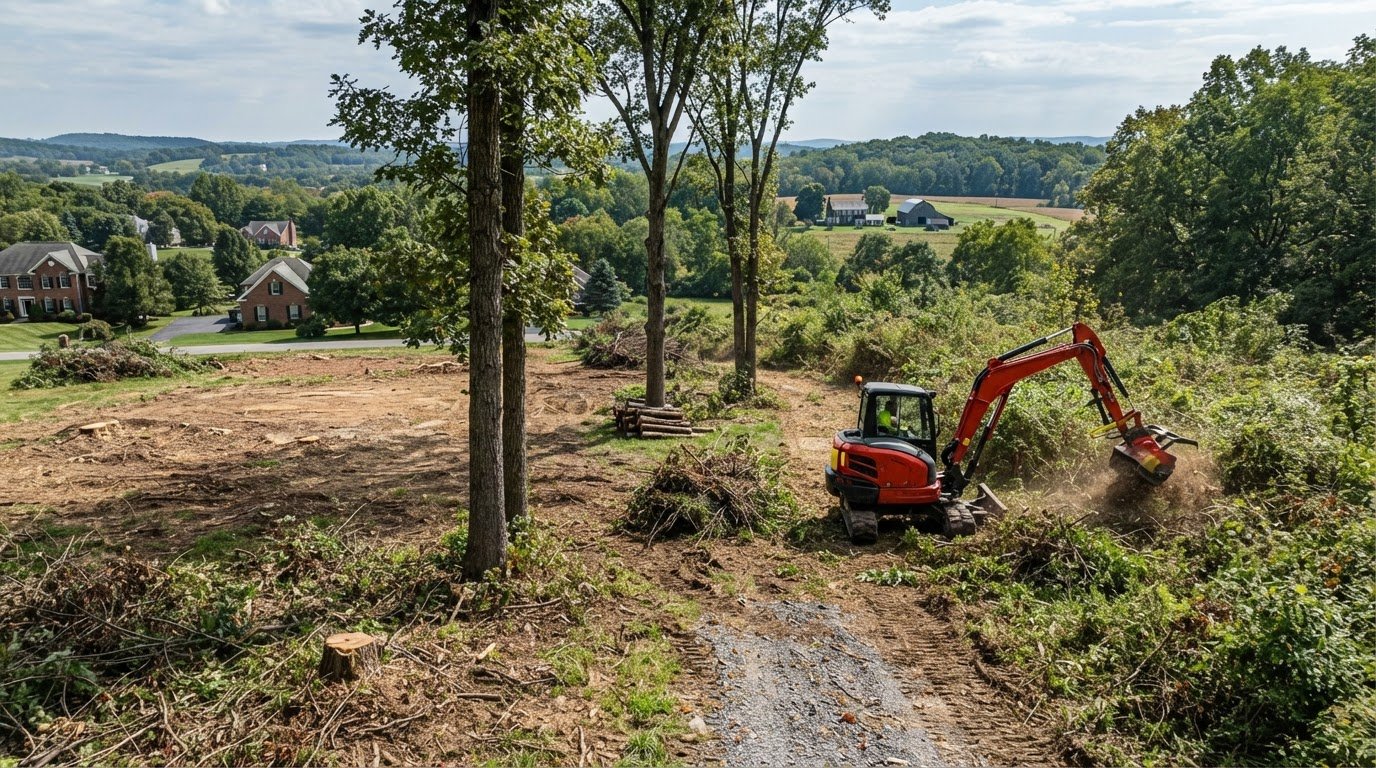
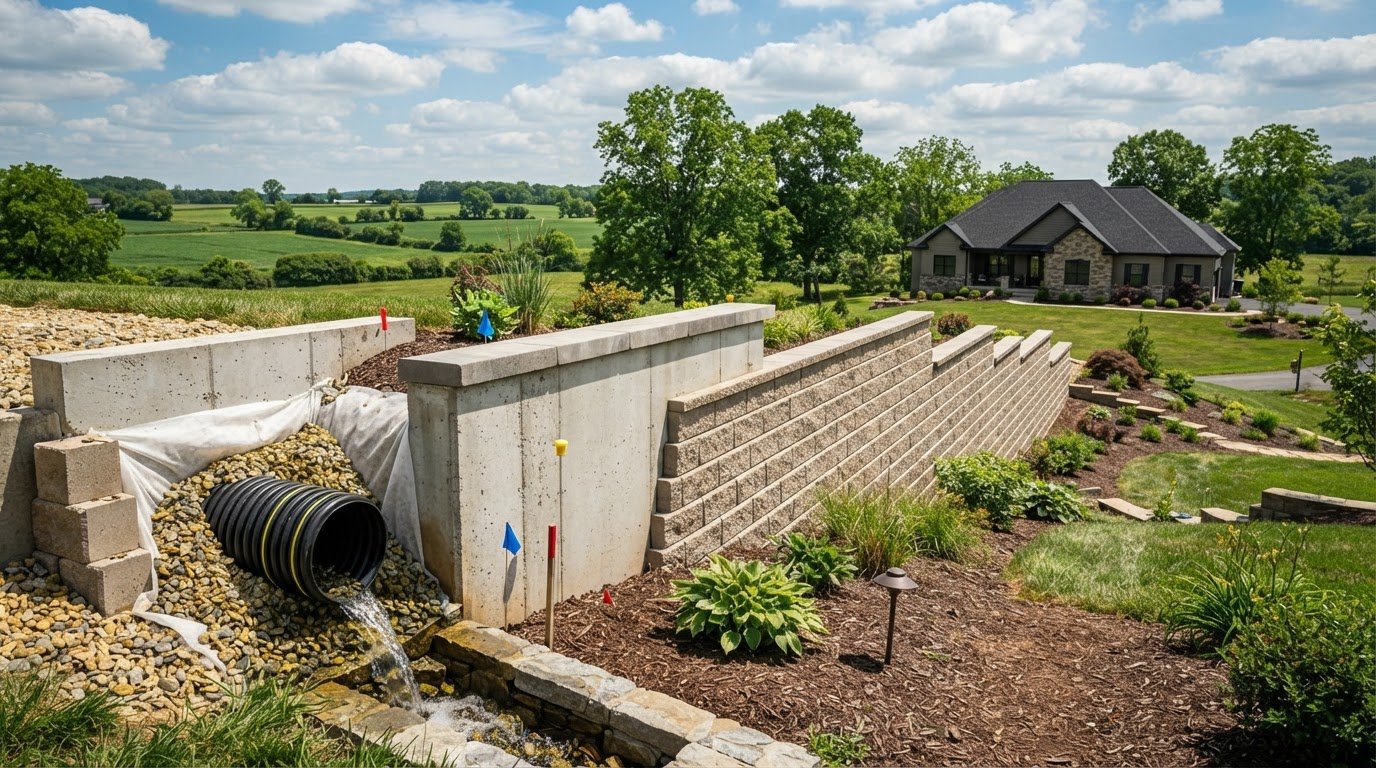
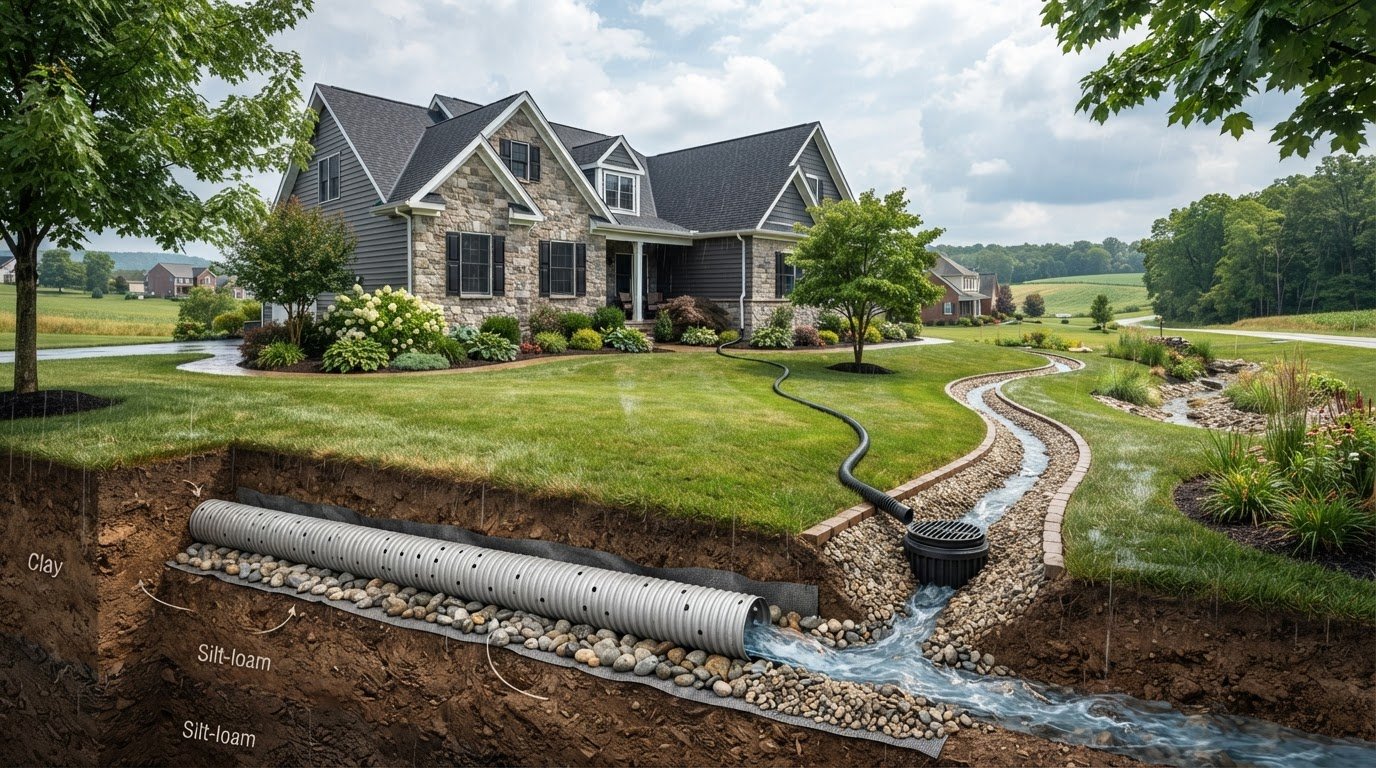
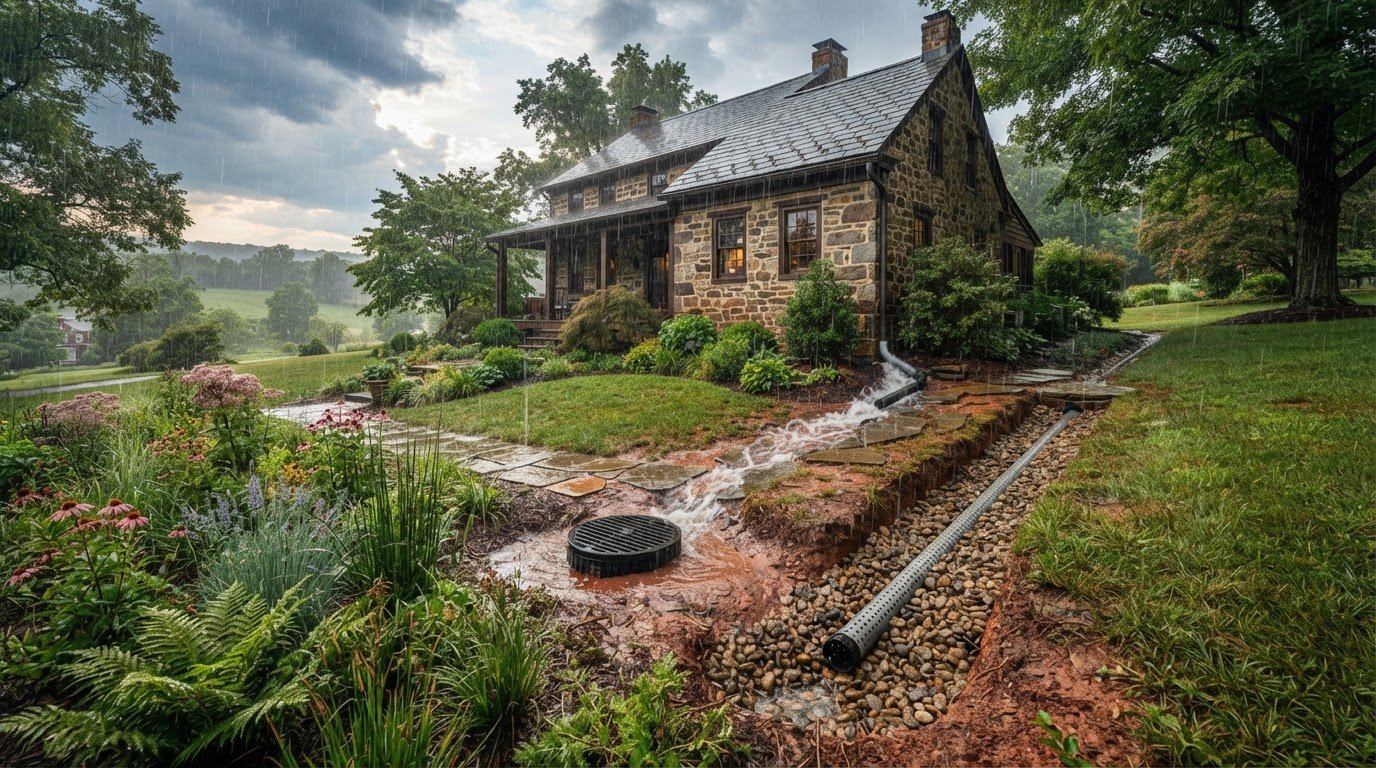
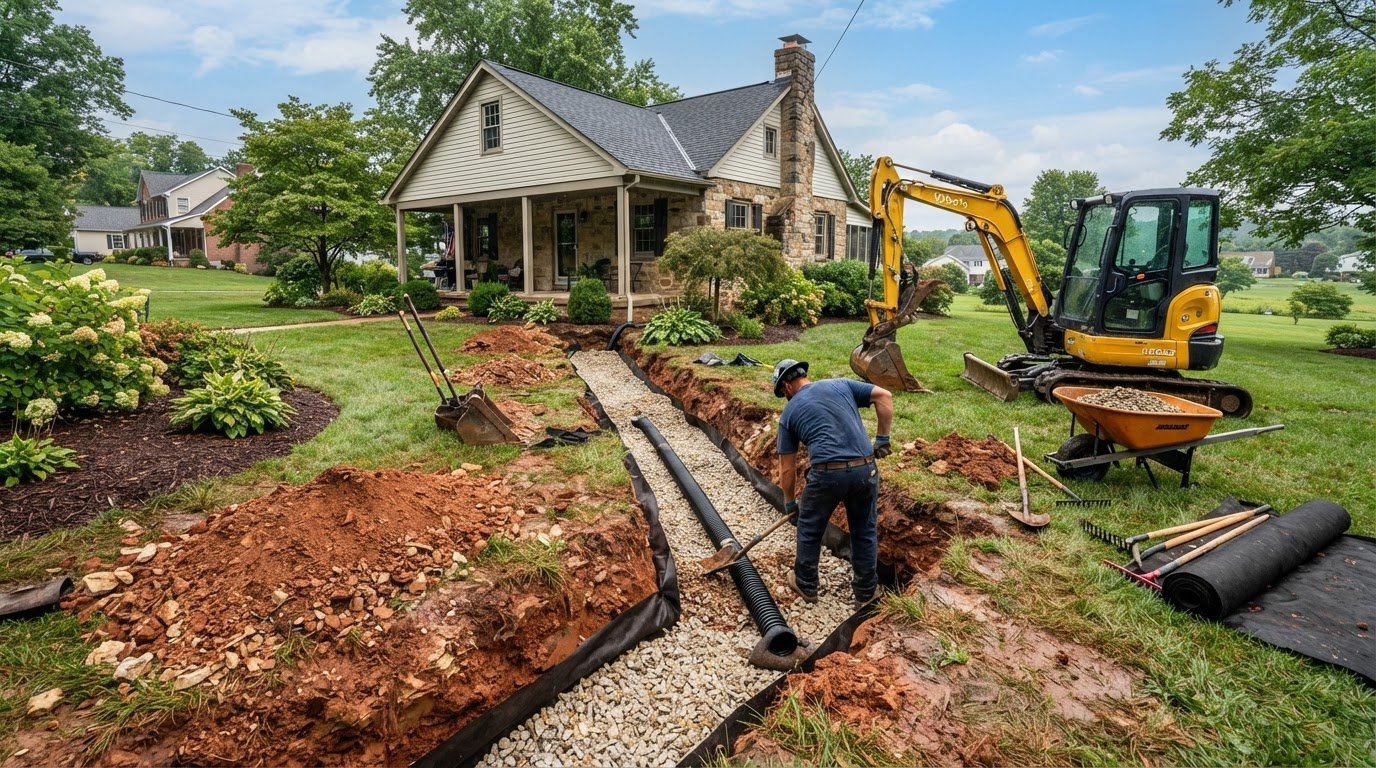
Keep repeating work distinct from repairs, replacements, and one time improvements. Mowing or seasonal cleanup may belong in a recurring plan. Replacing a damaged walkway or changing a planting area is a separate project to assess and approve. Tree work, drainage solutions, retaining walls, and other hardscaping depend on site conditions, so don’t assume they’re included in routine maintenance. Snappy’s landscaping and cleanup services can help boards identify relevant work to discuss, subject to confirmation for the property and contract.
Set local site and seasonal priorities
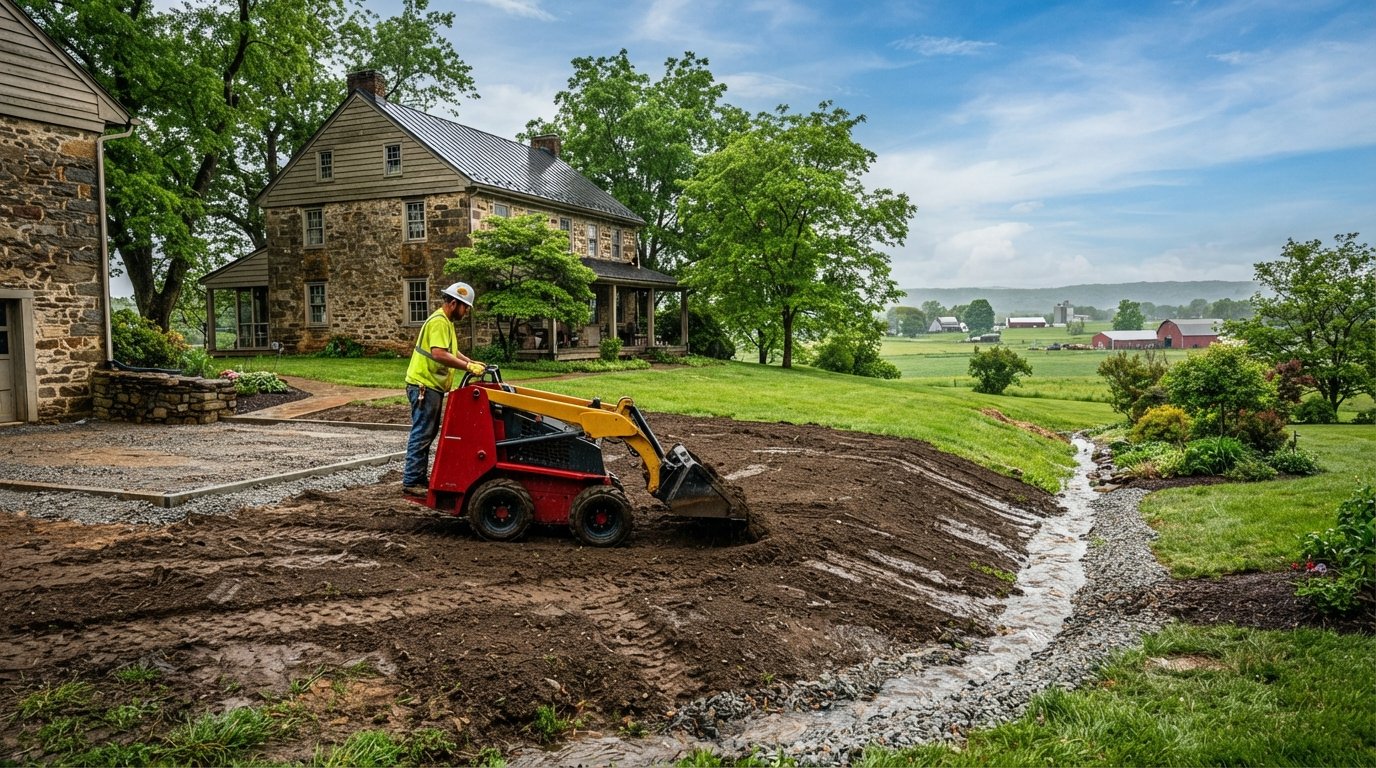
Ask the provider to assess the actual property before finalizing a calendar. Access routes, drainage patterns, existing plantings, and how residents use shared spaces can affect what work belongs in the plan and when it makes sense. Communities in Lancaster, Columbia, and Mountville differ, so avoid copying a generic schedule without checking conditions on the ground.
Build seasonal priorities around those observations. For example, note when the HOA expects cleanup or mulch work, and identify areas that need particular attention after weather affects the grounds. Before specifying work, verify applicable municipal requirements, association rules, and any stormwater responsibilities relevant to the property. Penn State Extension’s guidance on Pennsylvania landscaping standards offers useful context for balancing landscape choices with neighbors and local requirements.
Bring the site inventory and priorities to a provider discussion. Snappy Landscaping can discuss an HOA’s property needs and service priorities so the proposed scope can be checked against the community’s goals.
Compare HOA landscaping proposals by scope, communication, and fit
Compare proposals against the same property priorities, not just similar service labels. One provider’s “grounds maintenance” may cover different areas or tasks than another’s. For homeowners association landscaping Lancaster PA communities, a side by side review can reveal gaps before they turn into board complaints or unexpected requests.
Ask each provider to explain how a site visit and its observations become a written maintenance plan. Then use a consistent comparison framework:
- Scope: Which locations and tasks are included? Are requested services defined clearly?
- Frequency: How often will recurring work occur, and how are seasonal adjustments handled?
- Exclusions: What work falls outside the proposal, including repairs or one time projects?
- Communication: Who coordinates service and notifies the HOA about schedule changes?
- Follow-up: How will completed work, missed tasks, concerns, and requested changes be documented?
Review the prices and contract terms in the HOA’s current proposals. Compare what each amount covers, how the agreement handles changes, and what the board must approve. Don’t rely on outside market estimates to judge a proposal. The property, scope, and terms determine what is actually being offered.
Questions to ask before selecting a landscaping contractor
Get the communication process in writing. Ask who receives HOA concerns, how the provider will report a missed task, and how the board requests a scope change. Confirm service boundaries, exclusions, seasonal adjustments, and approval steps before work begins. Clear answers reduce ambiguity and give the association and contractor a shared reference point.
How to review local experience and operational fit
Ask for relevant examples of HOA or commercial maintenance work, and verify any references the provider supplies. Discuss the property’s location, access constraints, layout, and high use areas. A contractor should be able to explain how those conditions influence the proposed plan, rather than relying on a generic list. Snappy Landscaping offers HOA maintenance programs in Lancaster County. Boards can review its commercial and HOA maintenance services as part of their comparison.
Confirm insurance, licensing, and other qualifications directly with each provider. Decide what documentation the association wants before selecting a contractor. For proposals involving tree or shrub work, Penn State’s tree and shrub planting guidance can help boards frame questions about installation and maintenance. Choose the provider whose written plan best matches the agreed scope, communication needs, and property conditions, not simply the one with the broadest service description.
Create an HOA decision process that prevents service confusion
A consistent decision process keeps resident comments, board priorities, and contractor instructions from becoming one unfiltered task list. For homeowners association landscaping Lancaster PA communities, assign clear roles: residents report observations, the board sets priorities, and one designated contact communicates approved requests to the provider.
Use this sequence to move from site review to an approved scope:
- 1. Walk the property. Note shared areas, access points, visible upkeep concerns, and locations residents use regularly.
- 2. Gather resident feedback. Invite specific observations, such as a walkway that is difficult to access or a common bed that appears neglected. Ask where and what, not just whether residents like the landscaping.
- 3. Group and prioritize concerns. Sort comments into safety, function, upkeep, and appearance. Recurring access or maintenance issues may warrant attention before individual preferences about plant choices.
- 4. Confirm board decisions. Approve the priorities and identify requests that need further authorization. Record which standards and exclusions will guide the work.
- 5. Review and approve the written scope. Check that the plan reflects approved areas, tasks, expected results, and communication steps before sharing it with the provider.
Turn resident and board input into clear priorities
Feedback helps identify patterns, but it doesn’t automatically make every preference a contract requirement. Look for repeated, location specific concerns and assess them against community needs, the approved budget, and the board’s authority. The board should decide which items become standards, which are deferred, and which need additional approval. Record those decisions in one current scope so residents and the contractor work from the same expectations.
Review work consistently after service begins
Use a brief checklist tied directly to the written scope and community areas. For any concern, record the location, date, and a clear description, then send it through the designated HOA contact. Agree with the provider how follow up will be discussed, who can approve scope changes, and how seasonal adjustments will be handled. Keep observations separate from approved change requests. This helps prevent informal comments from being mistaken for new instructions.
Apply the same process to every service review. A board member can check whether the agreed work was completed, note any gap against the scope, and route questions through the single contact instead of sending conflicting directions. For broader coordination, Snappy Landscaping’s commercial and HOA maintenance services page provides information about its HOA maintenance programs. Discuss the community’s priorities and confirm which services fit the property and contract.
Choose an HOA landscaping partner in Lancaster County and set next steps
A clear scope turns provider selection into a practical decision: the board can compare each proposal against the same community priorities, then review completed work against agreed expectations. For homeowners association landscaping Lancaster PA communities, this clarity helps keep routine grounds care distinct from requests that need separate assessment or approval.
Before contacting a provider, assemble a concise property brief. Gather a site map or area list, current service documents, and photographs of recurring concerns. Identify the association’s main contact, its decision timeline, and which questions need board approval. Separate confirmed maintenance needs from possible future projects, such as drainage solutions or hardscaping, so a provider can distinguish recurring service from work that may require a separate assessment.
Prepare the HOA’s priorities before the discussion
Organize the brief around locations and needs. Note which shared areas require regular upkeep, what concerns residents have raised, and what results matter most to the board. Mark potential projects separately from approved work. This gives a provider useful context without implying that every concern is already authorized or included in a maintenance plan.
Bring questions about scope, service frequency, exclusions, and communication. Ask how the provider would translate site observations into a written plan, and confirm which proposed services apply to your property and contract. Record the board’s decisions so everyone involved is working from the same priorities.
Match services to the property, not a generic package
Snappy Landscaping serves residential and commercial properties in Lancaster County, including Lancaster, Columbia, and Mountville, and offers HOA maintenance programs. Routine lawn care may suit shared turf areas; mulch installation, seasonal cleanups, or brush clearing may be relevant to other parts of the site. Tree work, drainage solutions, and hardscaping should be discussed when the property’s conditions or approved priorities call for them. Confirm which services are available for the specific HOA and contract scope.
Review Snappy Landscaping’s commercial and HOA maintenance services as you prepare questions. A well matched partner should be able to discuss the community’s documented needs and explain how those priorities inform a proposed scope. Keep the written agreement as the reference for included work, exclusions, and any changes approved later.
Ready to outline your community’s needs? Discuss HOA landscaping needs with Snappy Landscaping and bring your property notes and service priorities to the conversation.
Set your HOA’s landscaping plan in motion
Strong homeowners association landscaping Lancaster PA plans start with a property specific scope. Define which shared areas are included, separate recurring maintenance from projects, and compare providers against the same priorities. Then set a clear process for communicating concerns and reviewing work. These steps give the board a practical way to reduce confusion and keep service aligned with community needs.
Snappy Landscaping serves Lancaster County communities and offers HOA maintenance programs. Its listed services include lawn maintenance, mulch installation, seasonal cleanups, tree services, and drainage solutions. The right mix depends on your property and the work included in the agreed scope, so confirm which services fit your community.
Prepare your area list, current service documents, and key concerns before starting the discussion. Discuss your HOA’s landscaping needs with Snappy Landscaping and take the next step toward a clearer, more manageable plan for your shared grounds.
Frequently Asked Questions
What should an HOA landscaping contract include?
An HOA landscaping contract should define the areas covered, tasks, service frequency, expected results, exclusions, payment terms, and how changes or concerns will be handled. Identify who communicates for the association and how missed work or disagreements are raised. Also clarify which services require separate approval, such as a one time landscape project. Review insurance, licensing, and any other qualifications directly with the provider before finalizing the agreement.
How do HOA boards compare landscaping proposals?
Compare proposals against the same property priorities and written scope. Check which areas and tasks are included, how often work is scheduled, what is excluded, and how the provider communicates and follows up. Review the prices and contract terms in the proposals the HOA has received, focusing on what each includes rather than relying on general market estimates. A comparison table can make differences and missing details easier to spot.
How often should an HOA schedule landscaping maintenance?
Set service frequency according to the property’s conditions, shared spaces, and maintenance priorities. A common lawn may need a different schedule from a planted bed or a less used area. Ask providers to assess access, drainage, plantings, and resident use, then propose a calendar that addresses recurring and seasonal tasks. Review the schedule against the written scope and adjust it through the HOA’s approval process when site needs change.
Can an HOA landscaping company handle mowing, mulch, and seasonal cleanups?
Some providers offer all three, but confirm each service is available for the property and included in the proposed scope. Snappy Landscaping offers HOA maintenance programs, lawn mowing and maintenance, mulch installation, and seasonal cleanups. It serves Lancaster County communities, including Lancaster, Columbia, and Mountville. Ask the provider to identify the specific shared areas covered, expected frequency, and any exclusions so the board knows what the contract includes.
What should an HOA do if residents disagree about landscaping priorities?
The board should collect specific concerns, group them by safety, function, upkeep, and appearance, then decide which priorities belong in the scope. Resident preferences can inform that decision without automatically becoming service requirements. Record approved standards, deferred items, exclusions, and any decisions that need further authorization. Sharing the resulting scope with residents and the contractor gives everyone a consistent reference and reduces conflicting requests.
How can an HOA track whether its landscaping contractor completed the agreed work?
Use a simple checklist based on the contract’s locations, tasks, and expected results. After service, record any concern with the date, location, and a clear description, then send it through the HOA’s designated contact. Keep observations separate from requests to change the scope. Agree in advance how the provider and board will discuss follow up, missed tasks, and seasonal adjustments, and document decisions for future reviews.
Does an HOA need to verify local rules before changing shared landscaping?
Yes. Before changing shared landscaping, review the association’s governing documents and confirm any applicable municipal requirements or stormwater responsibilities for the property. Check whether the proposed work needs board approval or another authorization under the HOA’s process. Requirements can depend on the location and project, so don’t assume a change is permitted based on another community’s experience. Confirm the applicable details before adding the work to a contractor’s scope.
To discuss your community’s priorities in Lancaster, Columbia, or Mountville, contact Snappy Landscaping about HOA maintenance with your property notes and current service scope.